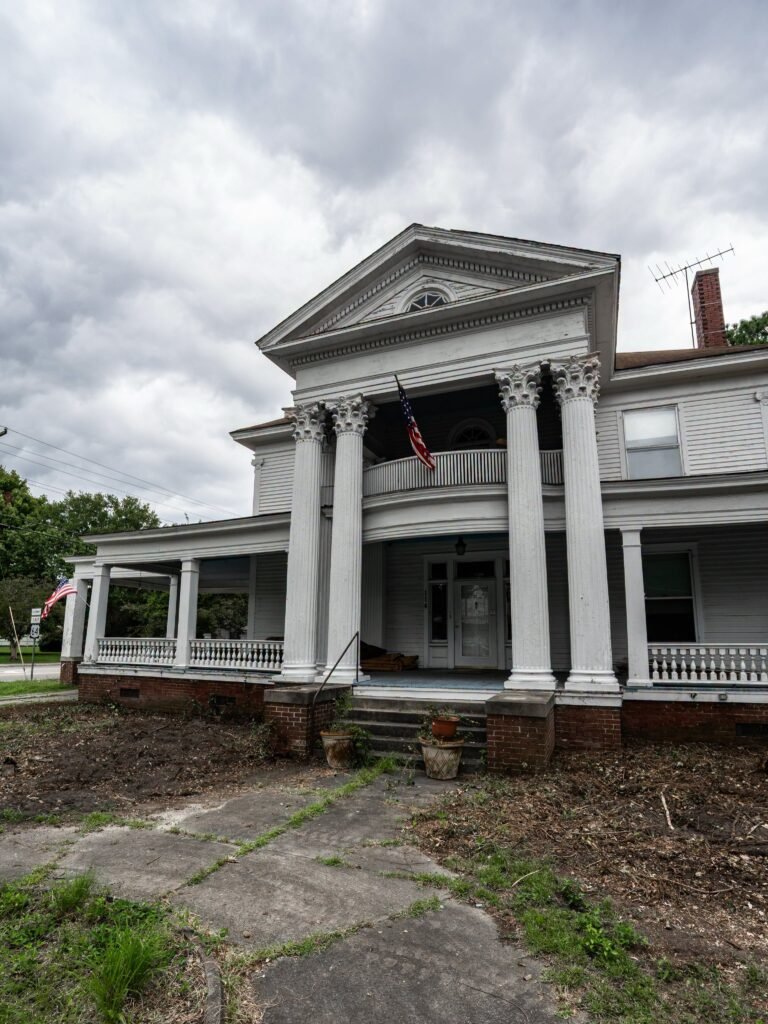
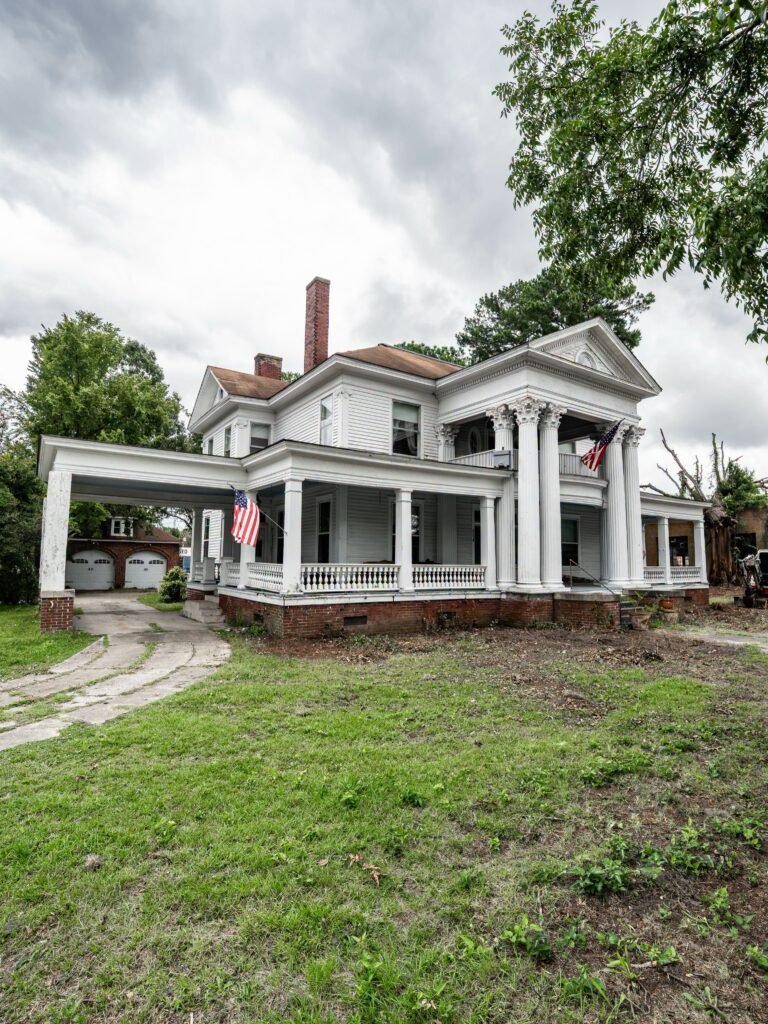
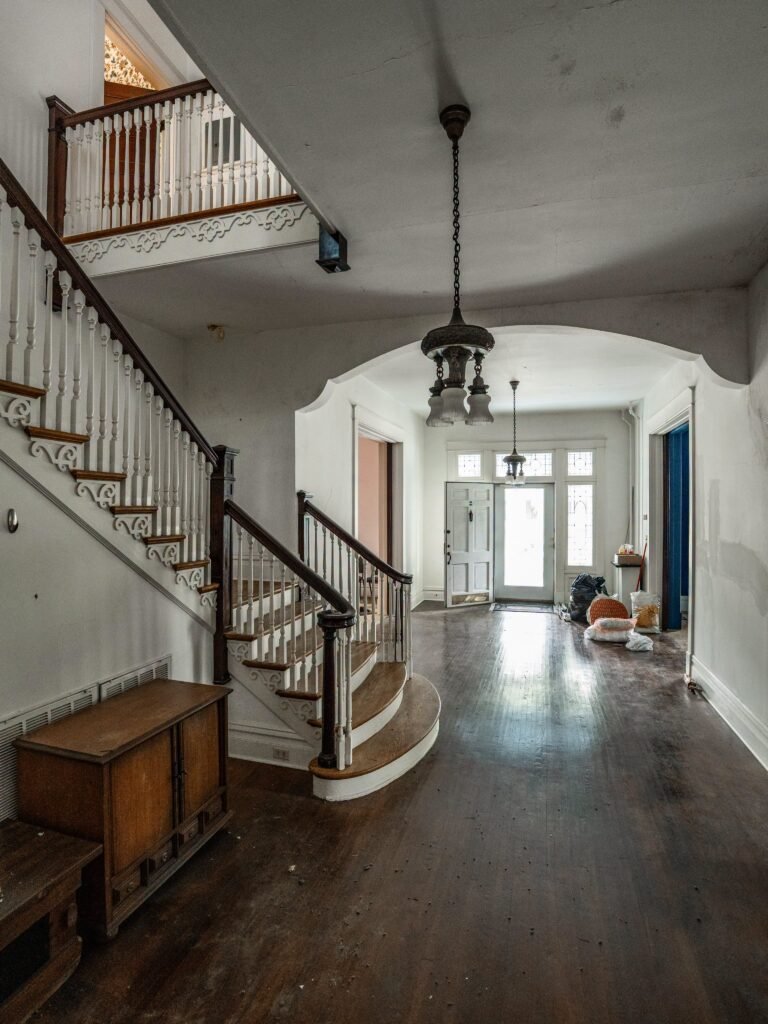
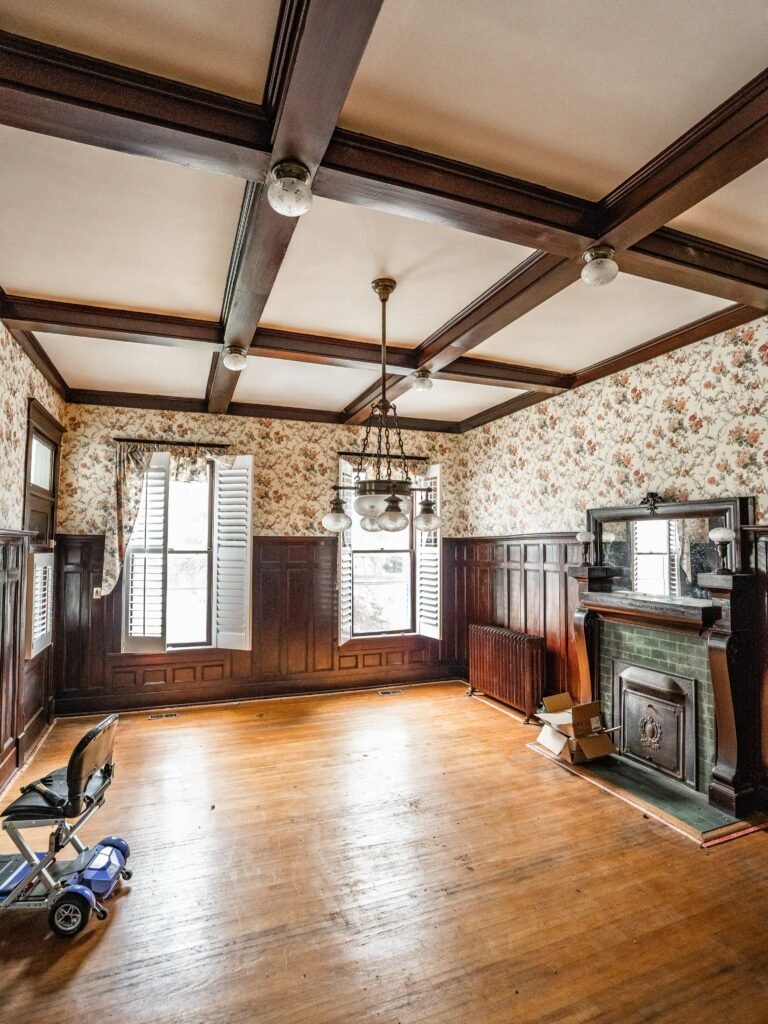
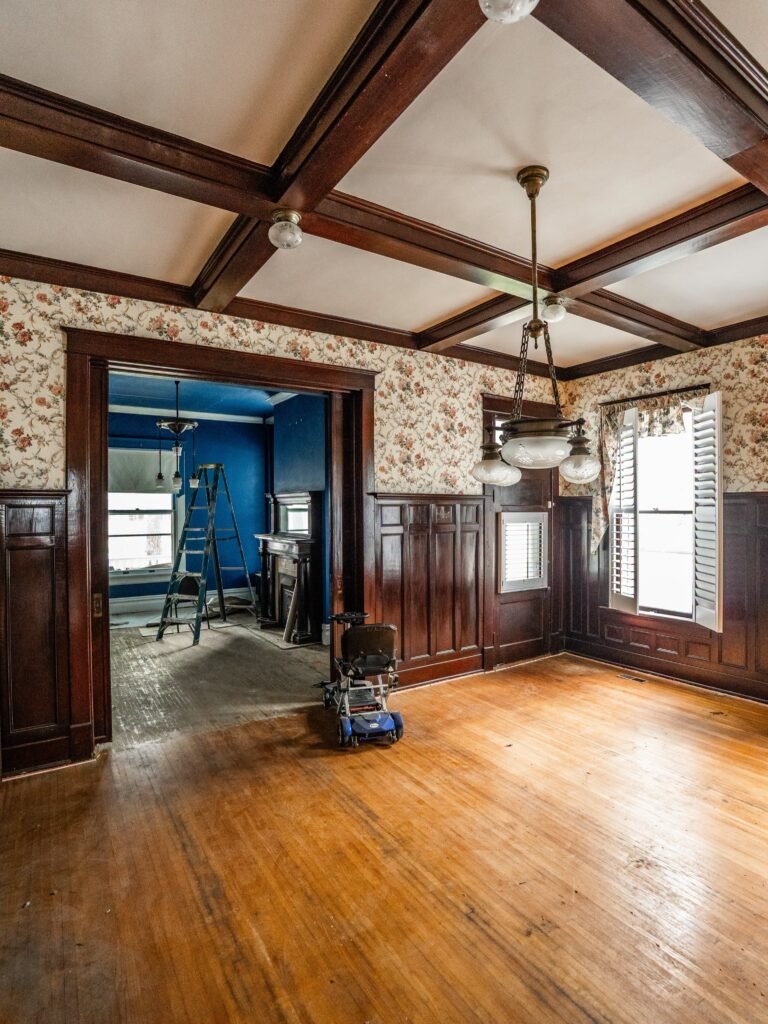
Yes, this abandoned tobacco-era mansion in rural North Carolina is coming back from years empty. A wealthy tobacco family built it more than 110 years ago. Today, people describe it as being restored, along with the mansion directly across the street.
That does not mean the work is finished. It does not mean either house is open to visitors, and it does not mean either house is for sale. This article explains what we know, what we do not know, and what separates a rescue that lasts from a quick cosmetic fix.
Key takeaways
- This abandoned tobacco-era mansion stands in rural North Carolina and dates back more than 110 years to a wealthy tobacco family.
- A second mansion across the street is also described as being restored, so this is a pair of houses, not a single rescue.
- Neither house is presented here as finished, open, or for sale, and no name, town, address, owner, or price is published.
- A lasting rescue starts with a dry, sound structure, not with paint and curb appeal.
- You can follow a private rescue lawfully through public museums, historic societies, and official listings, without entering private property.
Why did this abandoned tobacco-era mansion sit empty?
Big houses fail for ordinary reasons first. Heating, roofing, insurance, and upkeep cost more every year, and a large, aging house multiplies each of those bills. When a family can no longer carry that load, maintenance slips, and the slip rarely shows all at once.
Water usually does the quiet damage. A gutter goes uncleaned, flashing gets patched instead of replaced, and a small roof leak waits through another season. Plaster softens, wood rots, and floors shift long before the outside looks ruined.
Rural location adds another hurdle. A grand house far from a city asks a buyer to accept its size, its distance from work, and its repair bill at the same time. Fewer buyers can say yes to all three.
That is why other empty houses in rural areas raise a different question from city ruins: what kind of owner, budget, and patience could make the place work again?
What ’empty’ does not prove
An empty house does not prove a bad house, and an empty look does not prove a house is available. Judge the structure and the plan, not the silence, and assume nothing about sale or access until an owner or an official listing says so.
How did tobacco money shape North Carolina houses?
In the late nineteenth and early twentieth centuries, tobacco wealth built houses across North Carolina, especially around Durham and Winston-Salem. Farmers, manufacturers, and merchants turned profit into timber, brick, and height, and the houses still show that ambition.
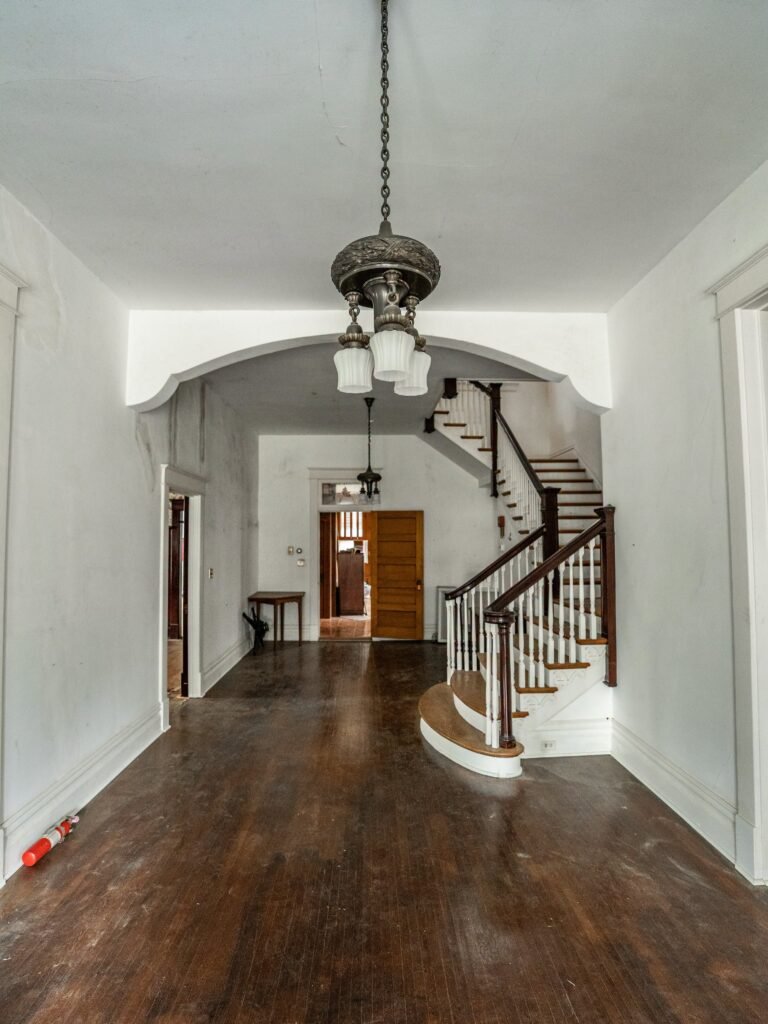
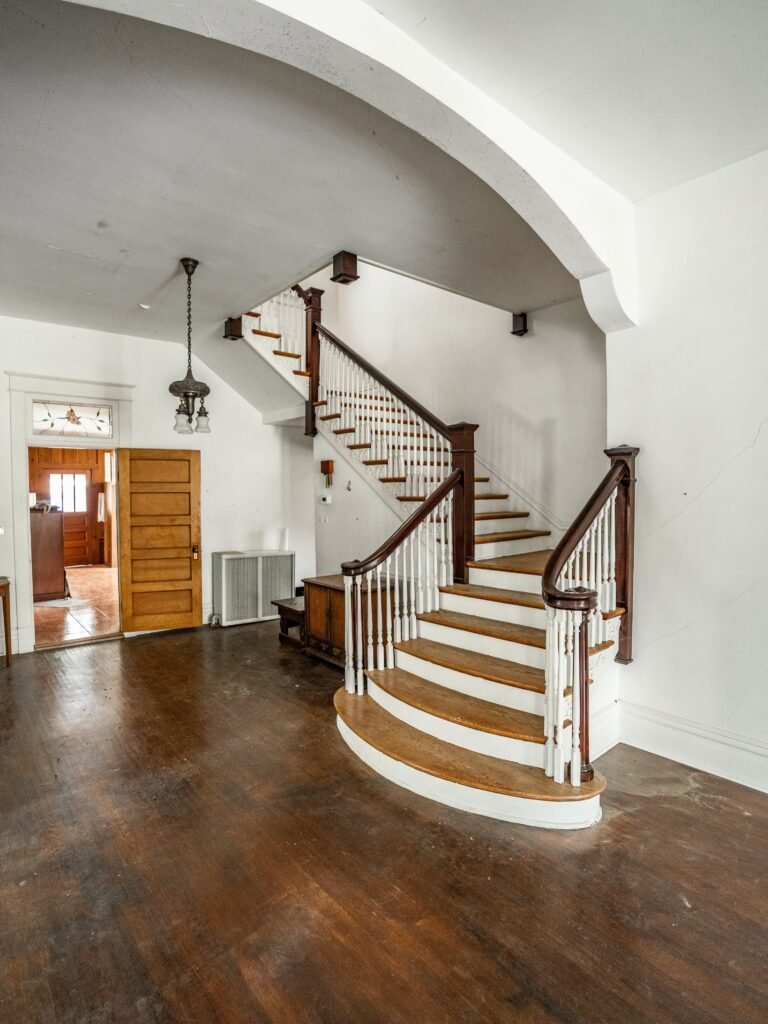
Look for the shared language of North Carolina tobacco houses. Wide porches gave shade in summer. Tall windows brought in light before cheap electric lighting. Decorative woodwork, generous room heights, and a central hall helped a house feel grand and breathe in a warm climate.
Reynolda House in Winston-Salem shows that pattern at its most polished end. Builders completed it in 1917 for the founder of the R. J. Reynolds Tobacco Company, and today it serves as a museum of American art. It is not the house in this article, but it helps you read the style.
The house at the center of this story fits the same era and ambition, and it now faces the same test: can new owners keep the bones dry and sound?
What does a lasting restoration actually look like?
A lasting restoration follows an order, and the order matters more than the budget for paint. Start with what keeps water out, then fix what holds the house up, then deal with systems, and only then chase beauty.
Use this rescue-order checklist before you judge any restoration claim:
- Dry first: Repair the roof, flashing, gutters, and drainage so water moves away from the walls.
- Sound second: Secure the structure, floors, and stairs, and close gaps that let weather and pests in.
- Systems third: Sort plumbing, wiring, and heating before you hide pipes and wires behind new finishes.
- Beautiful last: Repair woodwork, plaster, and period details only after the house can stay dry and safe.
Fresh paint and a cleared lawn can look like progress, but they prove little on their own. If the roof still leaks, paint only hides the problem for a season. A serious rescue often looks boring at first, because the most important work sits on the roof and in the walls.
Ask the same question at each stage: what happens in the next heavy rain? If water still gets in, the house is not ready for finishes, no matter how good the front looks.
Restore, renovate, or preserve — which path fits?
People often use three words as if they mean the same thing. For a tobacco-era mansion, each word points to a different bill, a different timeline, and a different result.
| Approach | Main aim | What changes most |
|---|---|---|
| Restoration | Return the house to an earlier appearance, using matching materials where possible | Damaged details get remade to match the original |
| Renovation | Update the house for modern living, even if the layout changes | Kitchens, bathrooms, and room flow |
| Preservation | Keep what survives, with as little change as possible | Almost nothing gets removed; decay slows, but does not reverse |
Most real projects mix all three: a hall keeps its original woodwork, a porch returns to its first form, and a kitchen gets a modern update. Restoration often takes longest, because matching a century-old column needs a craftsperson, not just a supplier, while renovation can move faster but erase historic details.
Who should take on a rescue like this — and who should not?
A rescue of this scale suits a narrow kind of buyer. You need a realistic maintenance budget, time to wait through slow structural work, and a reason to live in a rural area beyond the house itself.
Ask yourself three questions before you fall for the romance:
- Can you afford to keep the house dry for a year with little visible improvement?
- Do you have builders who understand historic timber, roofing, and plaster?
- Would you still want the house if it never became a business or a rental?
If any answer is no, a different kind of old house may serve you better. A lived-in Victorian for sale is not the same thing as an abandoned property. It has been kept up, it has an agent and a route to a tour, and you can inspect it as a home, not as a rescue project.
The same distinction applies to old houses currently for sale. Those are lived-in houses offered for sale, not abandoned properties. Do not judge them by the same budget, risk, or timeline as an empty mansion.
How can you follow this story without trespassing?
Curiosity about an empty mansion is natural. Entering the property is not the way to satisfy it. A house under restoration can have workers on site, locked gates, alarms, and floors or stairs that are unsafe. An empty look is not an invitation, and an open gate is not permission.
Take the lawful routes instead, even when they feel slower:
- Visit public museums and historic houses that offer tours, such as Reynolda House in Winston-Salem, to see tobacco-era architecture up close.
- Check local historic societies for houses that are openly for sale, for tour, or part of a preservation project.
- For a private house, go through the owner, or through the listing agent if the house later appears in an official listing.
This pair also shows why more abandoned mansions deserve patience. Two large houses facing each other suggest a street where wealth once clustered, and work on one side can help the other. Recovery moves in step, not overnight.
Photos
FAQ
Is this mansion for sale?
No sale is published here. Price and sale status are withheld, and any future sale should be confirmed through the owner or an official listing.
Can I visit this mansion?
No public access is published here. The name, town, and address are withheld to protect private property, and you should not enter without permission.
How old is this house?
It was built more than 110 years ago by a wealthy tobacco family. No family name, owner, or builder is published here.
Is the house across the street part of the same story?
Yes, as described. The two mansions stand across a street from each other, and both are described as being restored.
Where can I see tobacco-era houses legally?
Visit public museums such as Reynolda House in Winston-Salem, and check local historic societies for houses openly for sale or tour.
Final thoughts
This abandoned tobacco-era mansion breaks the usual ending for an empty house. It now stands, with its neighbor across the street, in the middle stage that matters most: no longer abandoned in spirit, but not yet finished.
That middle stage rewards patience. Dry comes before beautiful, sound comes before open, and honest gaps beat invented details every time. If you love houses like this, follow the work through lawful channels, learn the style from public houses, and let the rescue prove itself roof first.
Disclaimer: This article is general information only, not legal, tax, or financial advice. Rules differ by state and county. Check county records and a local professional before acting.