Introduction: An Abandoned Castle Right in Suburbia
Most people drive past it and have no idea what they’re looking at.
Tucked into the quiet borough of Ambler, Pennsylvania — just 20 miles north of Philadelphia — stands a stone structure that feels completely out of place. Ivy-covered. Gothic. Brooding. It looks like something lifted from the Scottish Highlands and set down between a cul-de-sac and a commuter rail line.
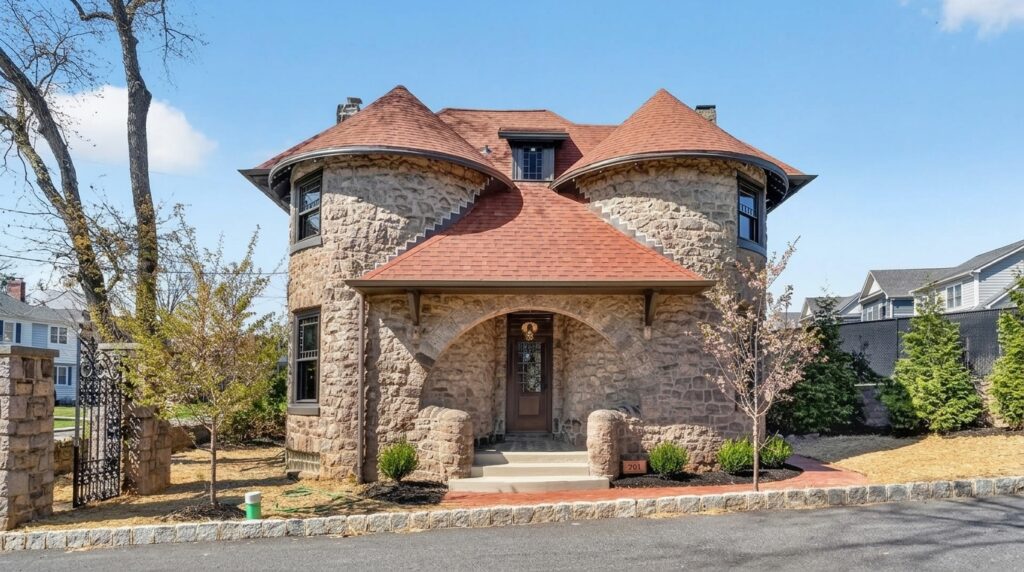
This is no ordinary forgotten building. This is the original gatehouse of the historic Lindenwold Castle — an abandoned castle complex built in 1911 by one of Pennsylvania’s most powerful industrialists. And if these stone walls could talk, they’d whisper stories of wealth, ambition, and a slow, beautiful decline.
Listed today at $834,900, with 3 bedrooms, 3 bathrooms, and just over 2,000 square feet, the gatehouse sits on the edge of what was once a grand estate. It’s move-in ready in the technical sense. But history this thick doesn’t just wipe clean with a coat of paint.
The Man Behind the Castle: Richard Maddison’s Lost Empire
Who Was Richard Maddison?
In the early 1900s, Ambler, Pennsylvania was not just a sleepy suburb. It was a hub of industrial activity — and Richard Maddison was one of the men who made it that way.
Maddison was a prominent industrialist who built his fortune during America’s Gilded Age, a period defined by extreme wealth concentration and lavish architectural expression. Like many wealthy men of his era, he turned his prosperity into stone — literally. He commissioned a sweeping estate on the hills above Ambler, naming it Lindenwold, after the linden trees that lined the property.
The estate was more than a home. It was a statement.
The Gilded Age produced some of America’s most dramatic private estates — from the Vanderbilt mansions of Newport to the Frick Collection in New York. Lindenwold was Pennsylvania’s quieter answer to that tradition.
Building the Castle in 1911
Construction began in 1911. Maddison spared no expense.
The main castle featured heavy stone masonry, arched windows, and the kind of deliberate permanence that men of that era believed would outlast empires. The grounds were manicured. The carriageway was formal. And at the entrance to all of it — standing guard like a sentinel — was the gatehouse.
The gatehouse wasn’t an afterthought. It was a declaration.
Every great estate of the period had one. The gatehouse announced to visitors that they were entering somewhere important. It was where the groundskeeper lived. It was where deliveries were checked and guests were logged. In the hierarchy of the Edwardian estate, the gatehouse was the first chapter of the story.
The Gatehouse: Architecture of a Forgotten Era
What It Looks Like Up Close
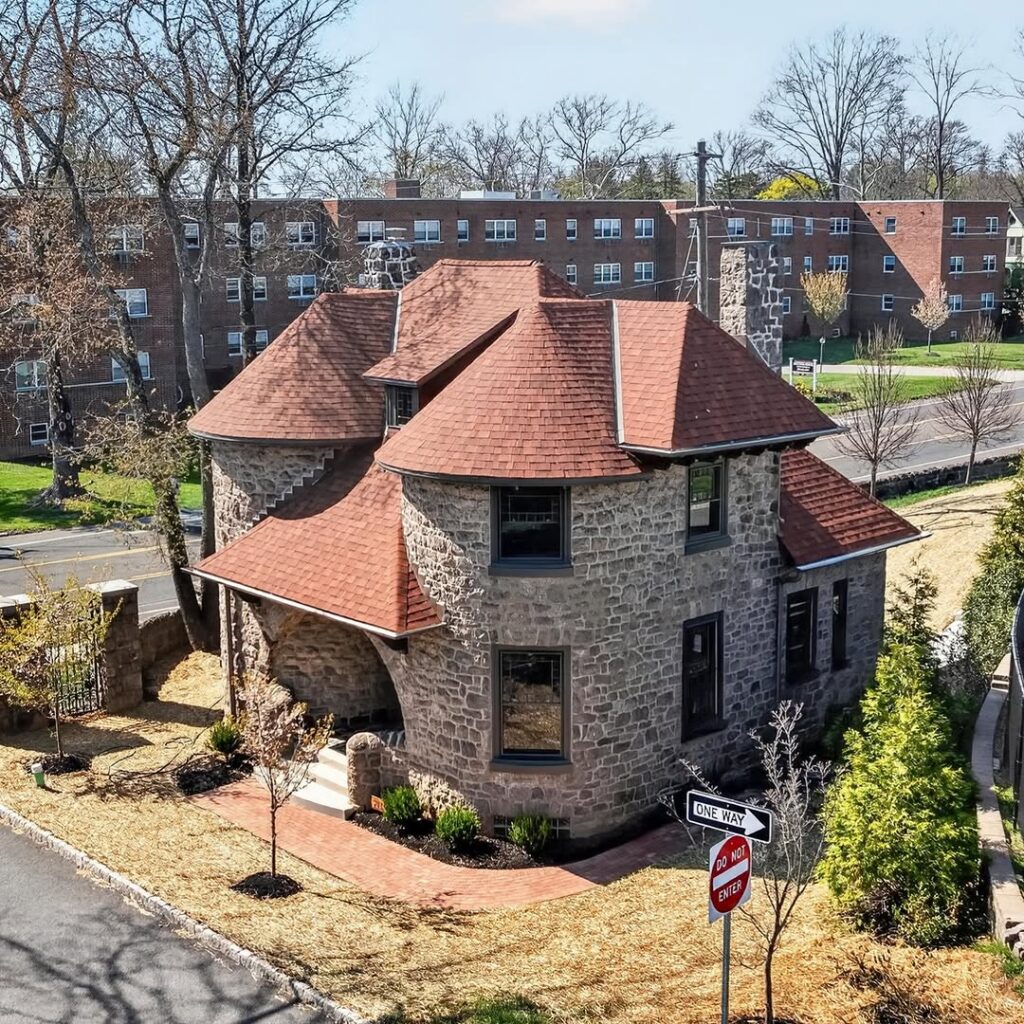
Step up to the gatehouse today and the first thing you notice is the stone.
It’s thick. Dense. Cut from the same geological resolve that built Philadelphia’s oldest churches. The mortar has darkened with over a century of Pennsylvania winters. Moss creeps into the joints. And yet — it stands.
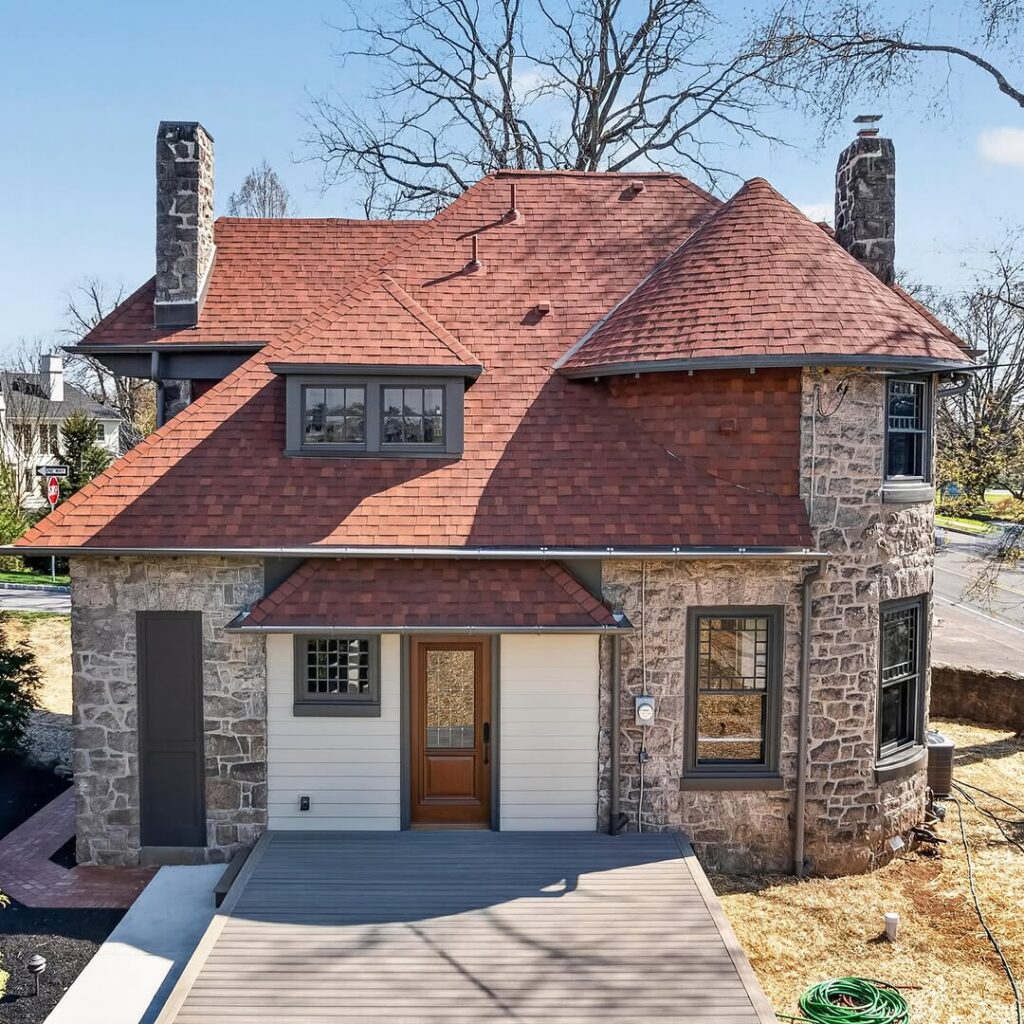
The roofline has that slightly irregular pitch common to early 20th-century Gothic Revival architecture. The windows are narrow and tall, framed in stone. Standing at the front door feels less like visiting a property listing and more like stepping into a chapter of a novel you haven’t finished yet.
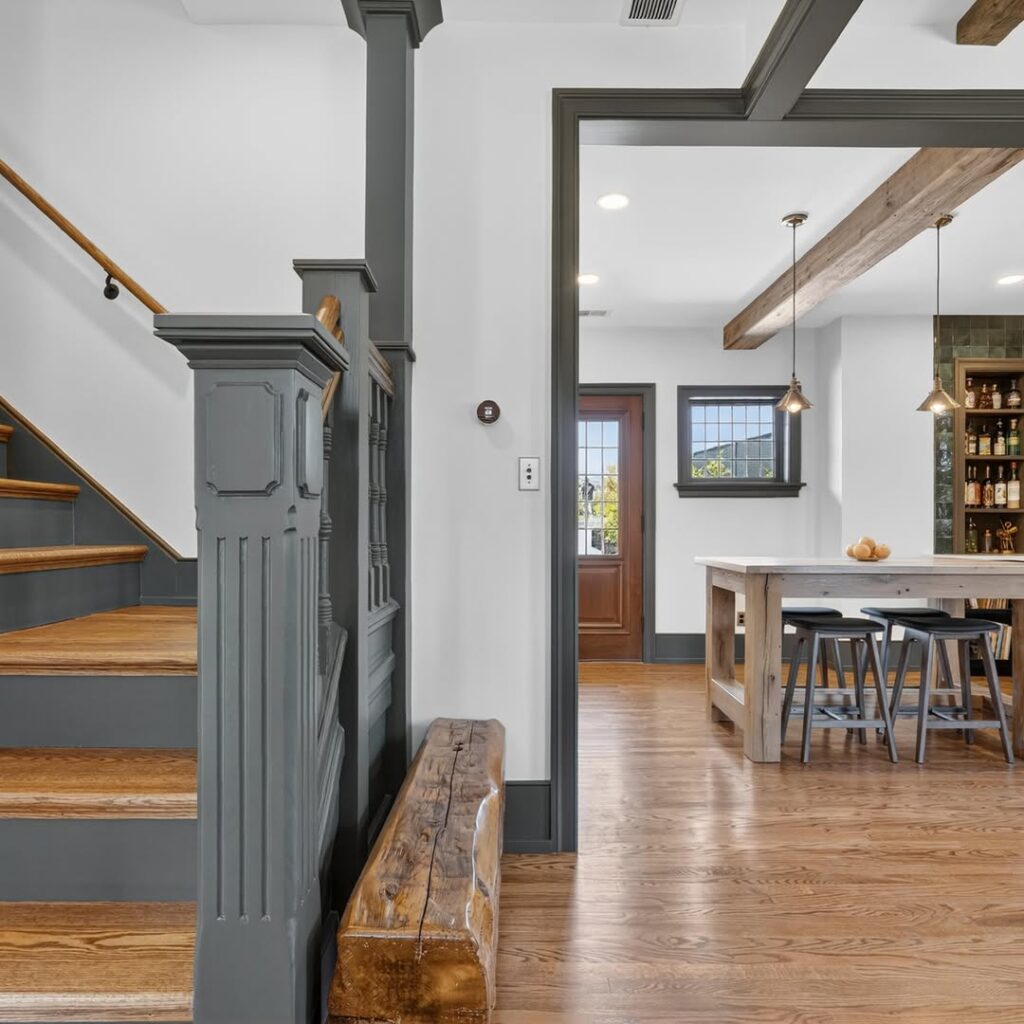
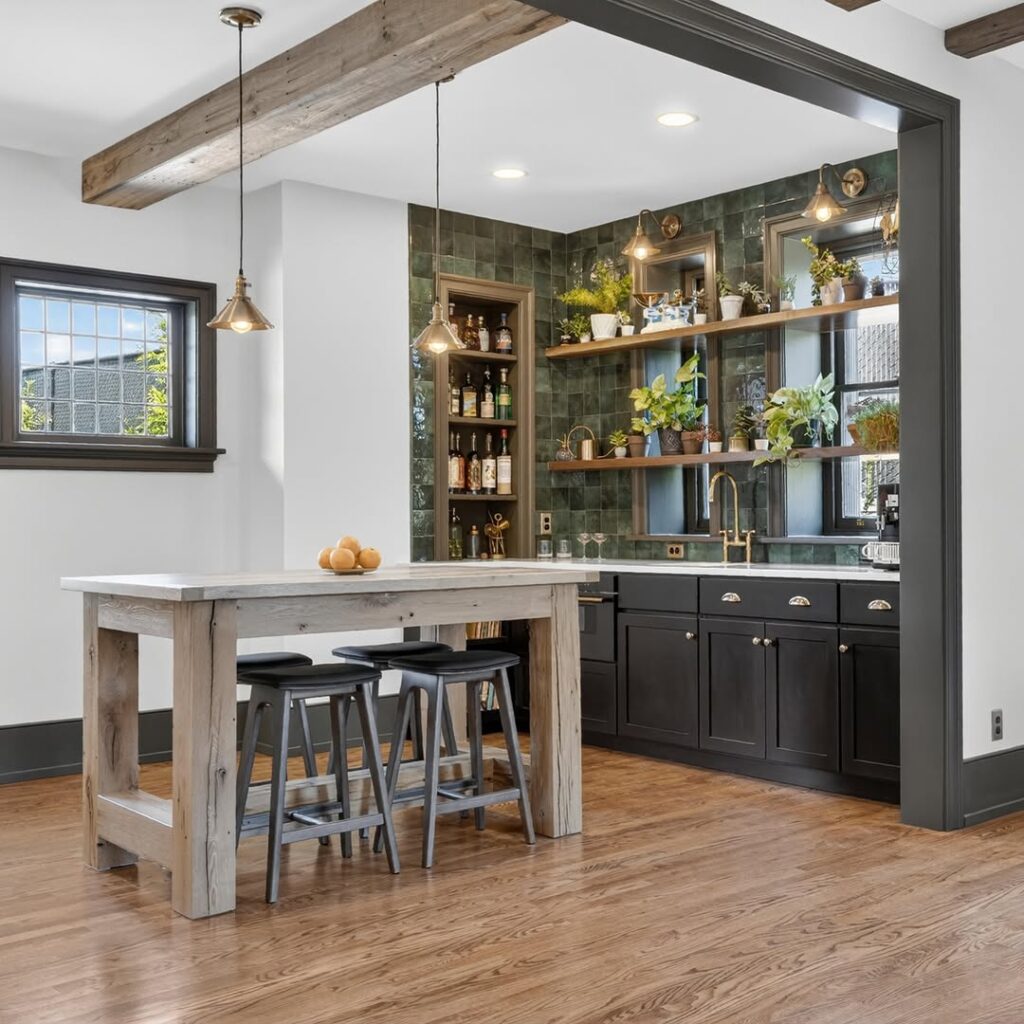
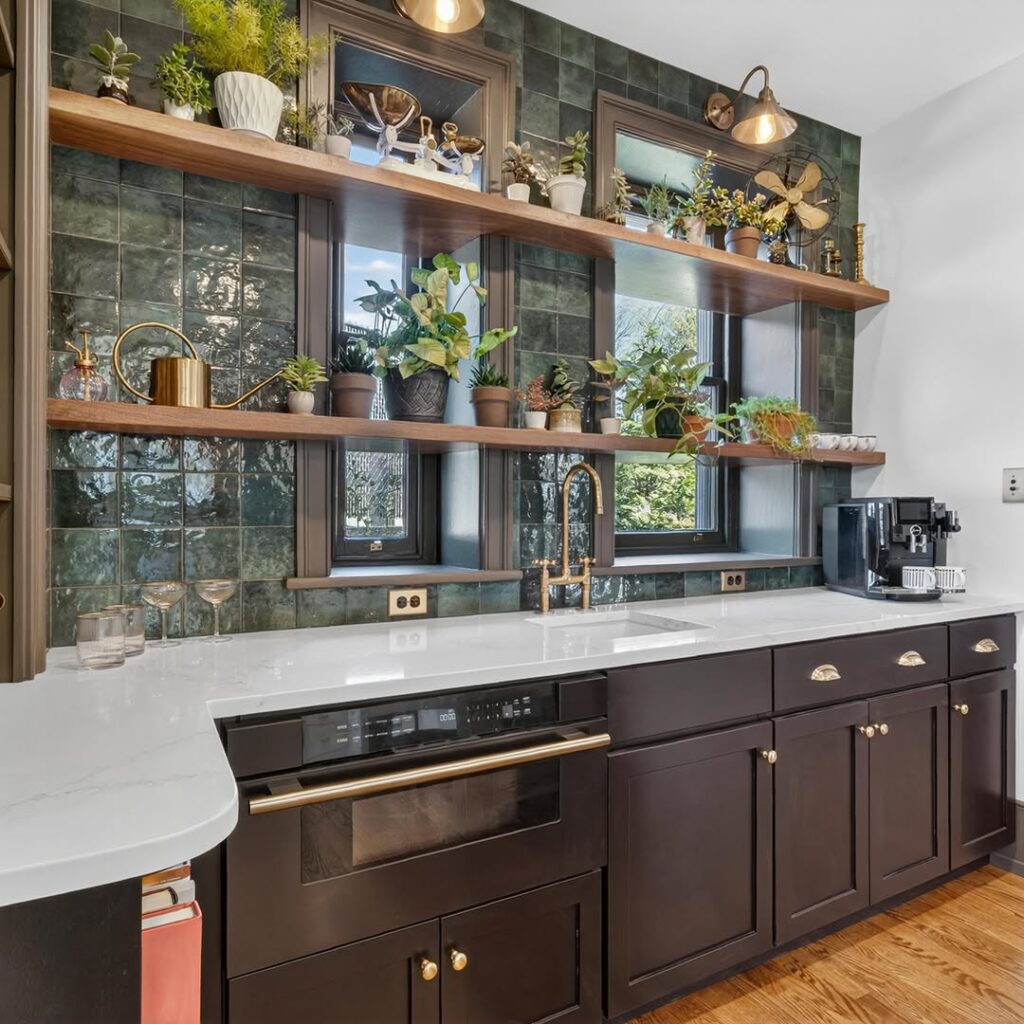
Inside, the bones are still strong. Original woodwork lines the interior trim. The floors carry the weight of a hundred years with a creaking dignity. Ceilings are modest but detailed — designed by craftsmen who took pride in corners no one might notice.
At 2,000 square feet across three bedrooms and three baths, it’s small by castle standards. But it was never meant to be the main event. It was meant to set the stage.
Gothic Revival in Montgomery County
The architectural style of Lindenwold and its gatehouse falls loosely within the Gothic Revival tradition that swept through American domestic architecture from the mid-1800s through the early 1900s.
This style borrowed from medieval European forms — pointed arches, stone facades, turret-like massing — and applied them to American prosperity. It was popular among industrialists who wanted their homes to feel ancient and noble, as if the money came with centuries of lineage.
Maddison’s choice of this style for Lindenwold was deliberate. The Gothic Revival aesthetic communicated seriousness. Permanence. Power.
Walking through Ambler today, the gatehouse is one of the last surviving physical echoes of that language.
A Century of Change: What Happened to Lindenwold?
The Rise and Slow Unraveling
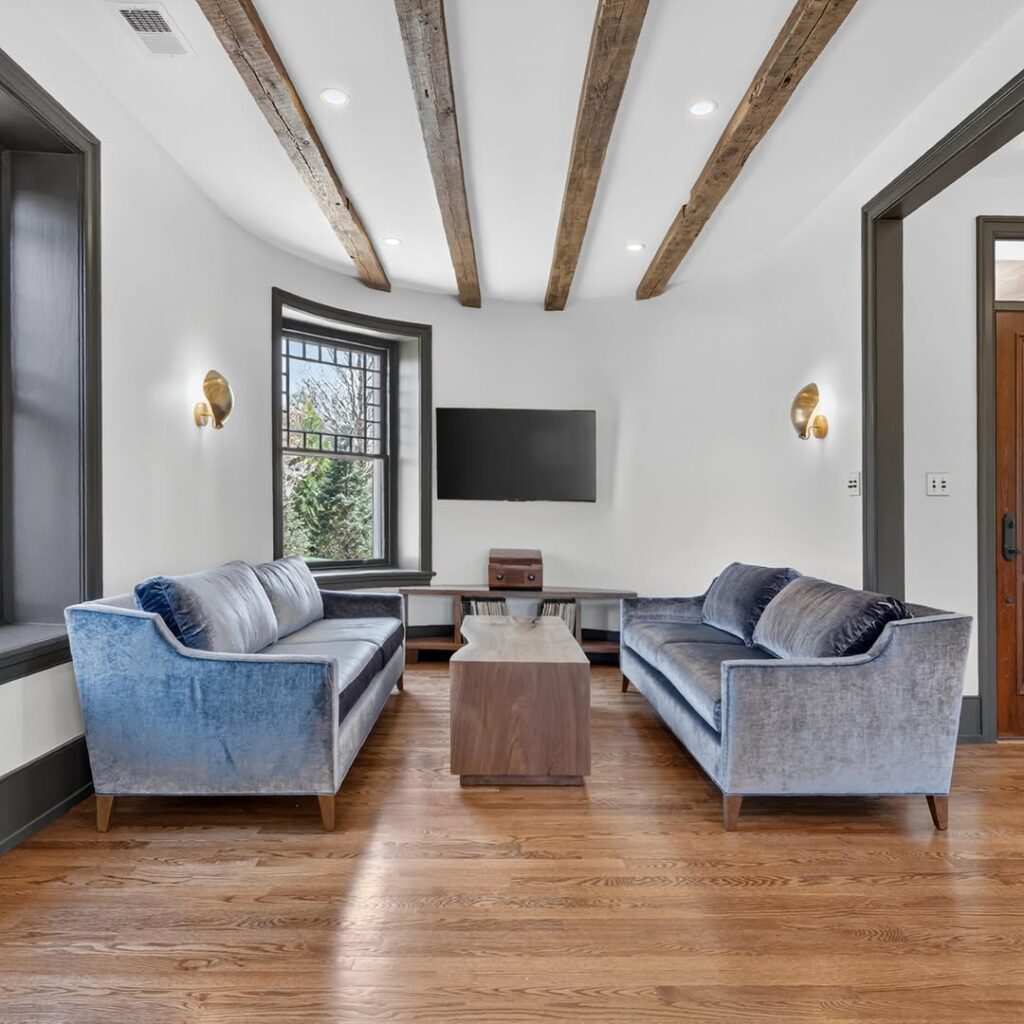
Estates like Lindenwold rarely survive intact for long. The economics shift. The family lines break. The taxes mount. The staff disappears.
By the mid-20th century, the grand era of private American estates was over. Inheritance taxes, the cost of upkeep, and changing social expectations turned many of these properties into liabilities. Some were demolished. Some were subdivided. Some became schools, hospitals, or condominiums.
Lindenwold followed a similar path. The main castle complex saw various uses over the decades. The surrounding grounds were gradually absorbed by development. What was once a unified estate became a collection of remnants — and the gatehouse became one of the most tangible survivors.
The Gatehouse Stands Alone
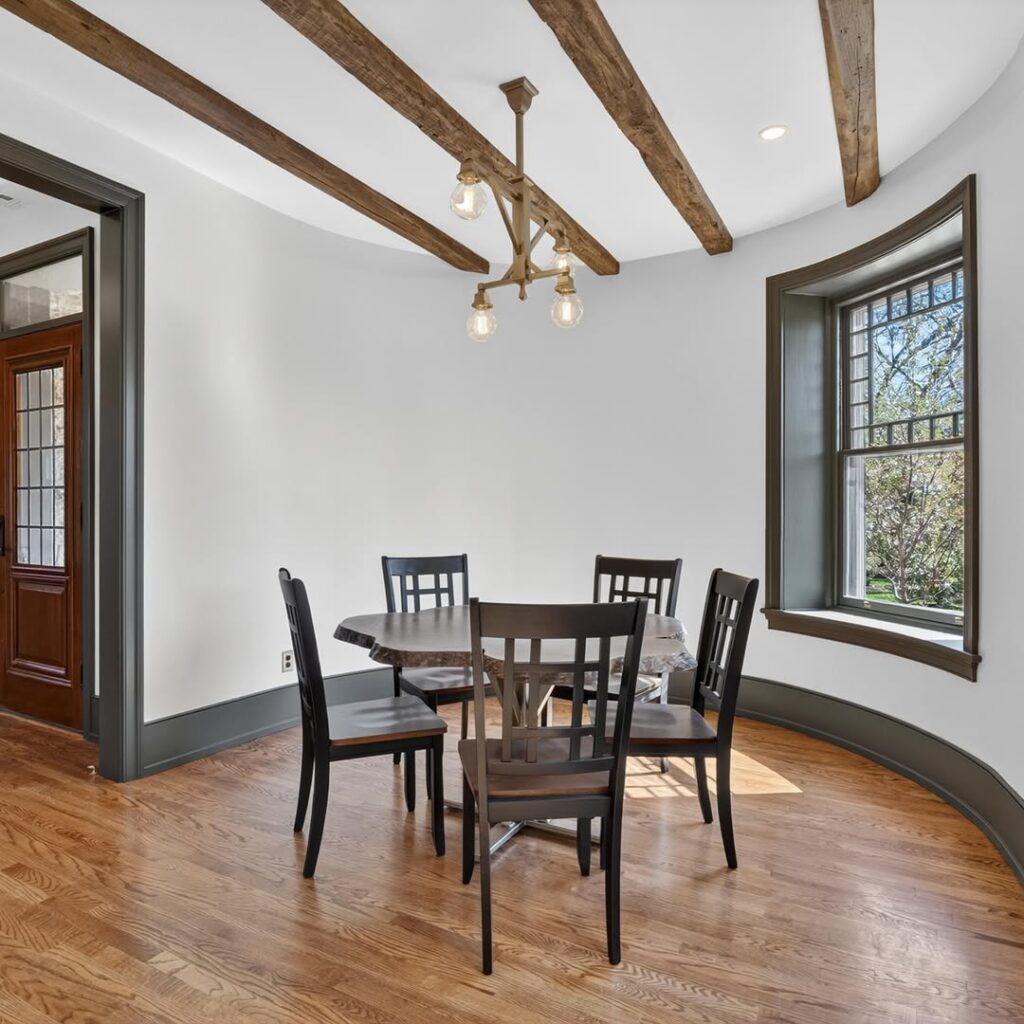
There’s something quietly devastating about a gatehouse that still stands when the main house has moved on.
It’s like finding the introduction to a book with the rest of the pages torn out.
The gatehouse on the market today is that introduction. It was built to serve a grander structure. It was designed as a supporting player. But time has a way of reshuffling roles. Now, the gatehouse is the story.
If you’re interested in other estates and forgotten properties that have outlasted their original purpose, the forgotten estates section at abandoned.blog documents dozens of similar stories from across the country — places where architecture survived long after the people who built it moved on.
The Mystery Lives in the Details
What the Stone Remembers
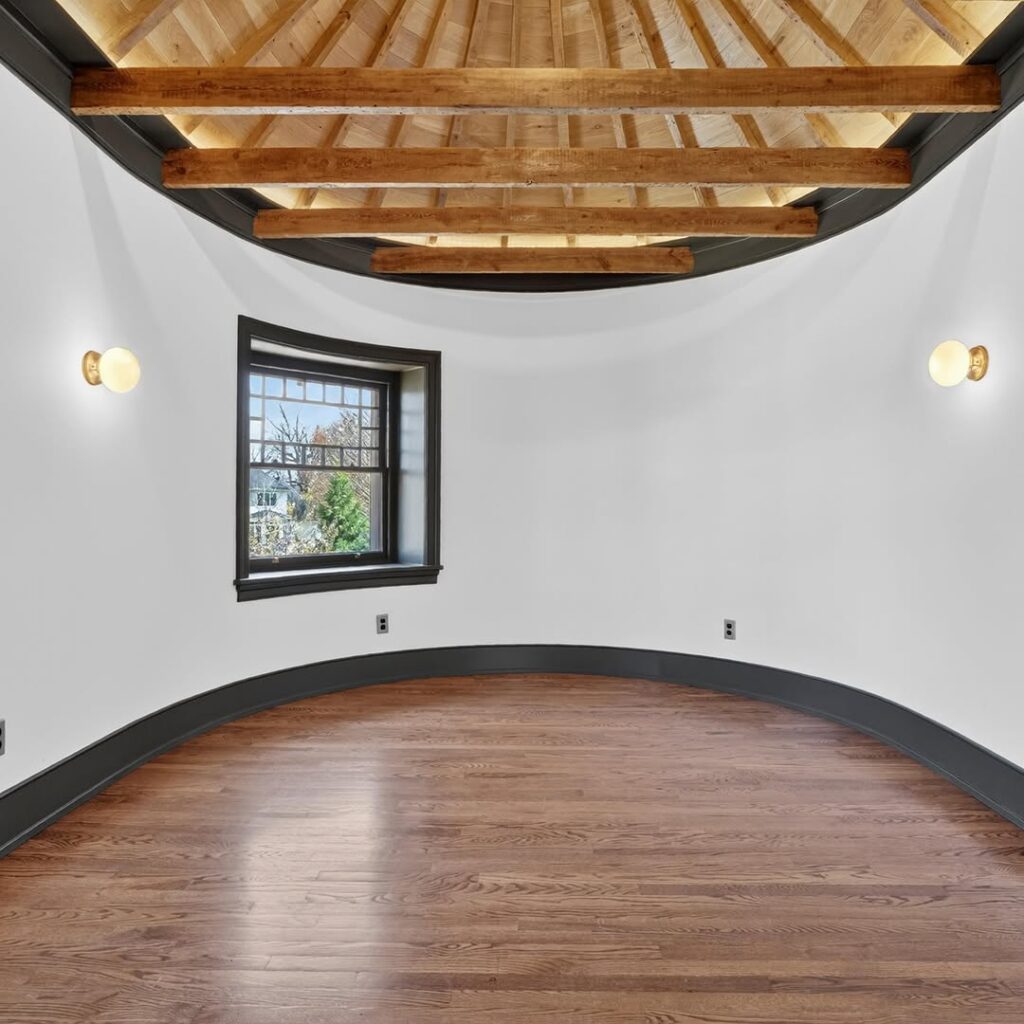
There’s a particular silence inside very old buildings.
It’s not the silence of emptiness. It’s denser than that. It’s the silence of accumulated time — of seasons stacking up inside walls that haven’t moved. Stand in the gatehouse long enough and you start to feel it. The way light comes through those narrow windows at a particular angle. The way the floorboards remember weight.
A hundred and fourteen years of Pennsylvania life have passed through that stone structure. Carriages in the early years. Model T Fords in the twenties. Radio voices in the forties. The sound of children in the fifties. And then, slowly, quiet again.
Questions the Records Don’t Answer
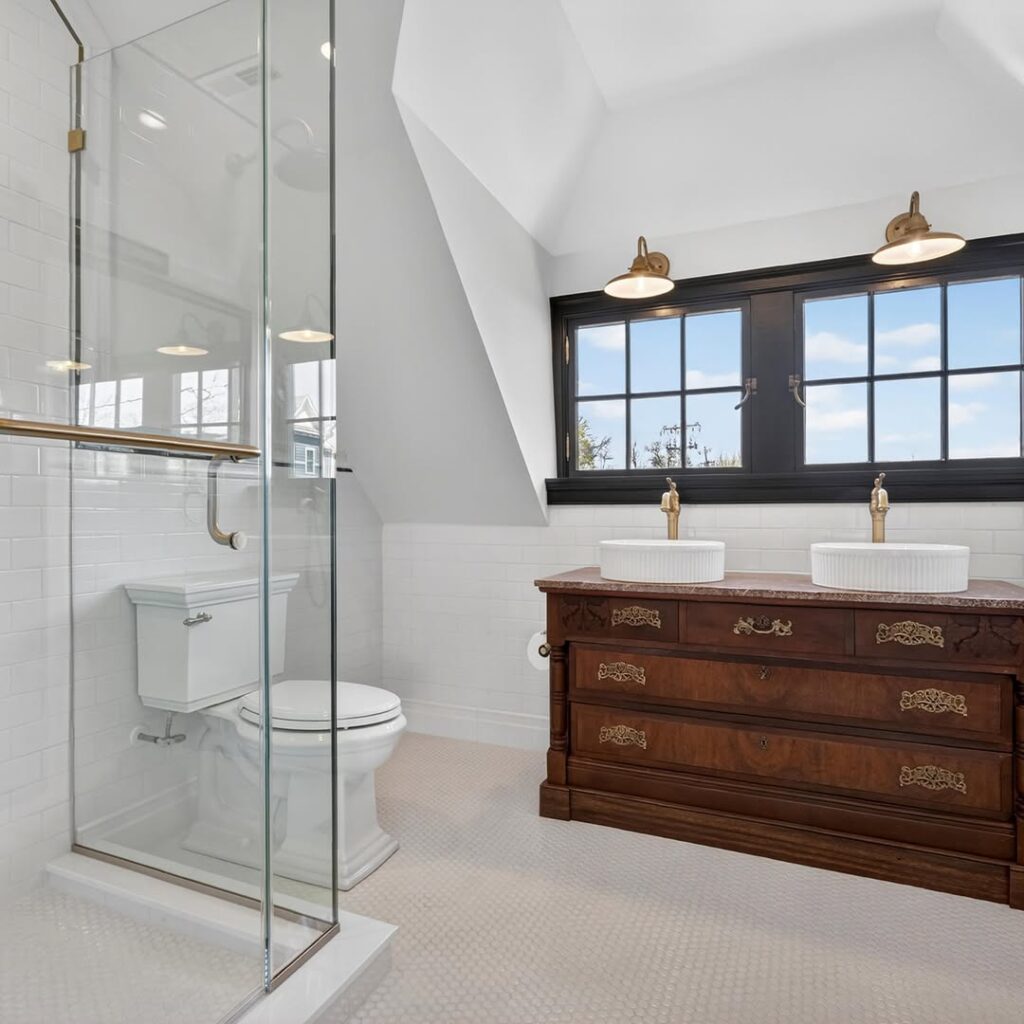
History always leaves gaps.
Who was the last family to live in the gatehouse as part of the functioning Lindenwold estate? What happened in the years between Maddison’s decline and the property’s fragmentation? Were there other structures on the grounds that no longer exist?
These are the questions that make a place like this more than real estate. They make it a mystery.
That’s what draws people to places like this — not just the architecture, but the incompleteness. The sense that something important happened here and not all of it was recorded.
For those drawn to these kinds of stories, our ongoing series on historic Pennsylvania properties at abandoned.blog explores more forgotten estates across the region — each one a puzzle waiting to be pieced together.
Who Would Live Here Today?
The Market Reality
At $834,900, the Lindenwold gatehouse is priced for someone who understands what they’re buying.
This isn’t a flip. This isn’t a starter home. This is a piece of architectural history that requires a specific kind of buyer — someone who values originality over newness. Someone who sees the thick stone walls as a feature, not a complication.
For the right person, this property offers something genuinely rare: a home that has a story before you even move in.
What Renovation Would Mean
Restoring a historic gatehouse is not like renovating a Colonial revival from the 1980s.
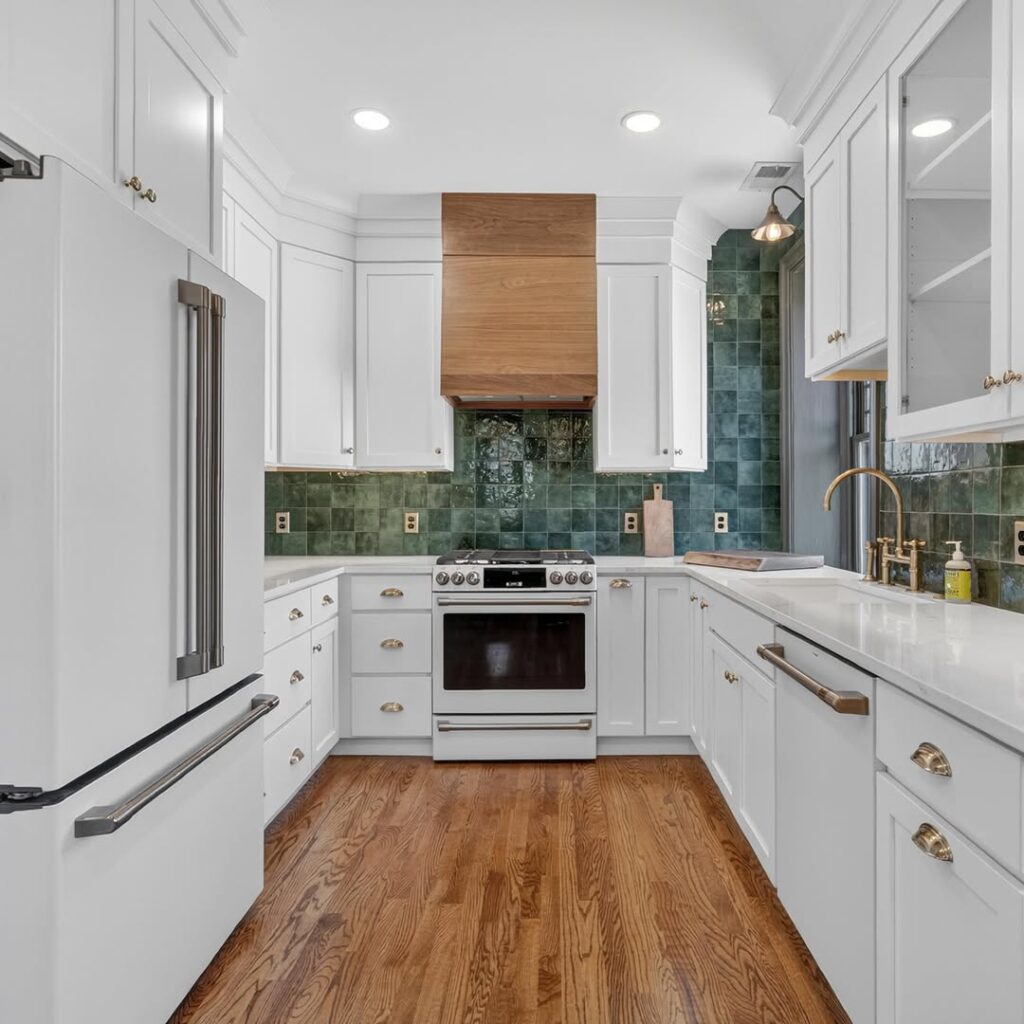
Every decision matters. Every material choice is a conversation with the original craftsmen. Do you restore the windows to their exact original profile? Do you preserve the floor patina or refinish it back to something that looks new? Do you modernize the kitchen and bathrooms while leaving the exterior untouched?
These are the beautiful complications that historic preservation brings. And they’re worth thinking about carefully before signing any paperwork.
What Makes Lindenwold Different from Other Forgotten Estates
It’s Still Here
Most of the great estates of the early 1900s are gone.
Not metaphorically gone — physically gone. Demolished. Cleared. Turned into parking lots or subdivisions. The ones that survive are remarkable precisely because of their survival. Every year they stand is a small defiance of the forces that took down their neighbors.
Lindenwold’s gatehouse has survived 114 years of Pennsylvania weather, economic cycles, changing ownership, and the general entropy that attacks old buildings the moment people stop paying attention to them.
That’s not nothing. That’s extraordinary.
The Neighborhood Has Changed; The Stone Hasn’t
Ambler, Pennsylvania is not the industrial town it was in 1911. It has evolved — multiple times, in multiple directions — into the quiet, walkable borough it is today.
But the gatehouse hasn’t tried to evolve with it. It sits there, stone by stone, exactly as Maddison’s builders left it. The scale is wrong for the neighborhood in the best possible way. It’s too heavy. Too serious. Too permanent.
And that’s exactly why it matters.
Key Facts at a Glance
- Property: Original gatehouse of Lindenwold Castle
- Location: Ambler, PA (Montgomery County)
- Built: 1911
- Builder: Richard Maddison, Pennsylvania industrialist
- Style: Gothic Revival / Edwardian estate architecture
- Size: 2,000 sq ft | 3 bed | 3 bath
- List Price: $834,900
- Historical Significance: Last surviving remnant of the Lindenwold estate complex
Why Stories Like This Deserve to Be Told
There’s a growing movement in America to recognize the historical and cultural value of places that fall between the cracks — too old to be modern, too changed to be pristine, but too significant to be ignored.
The Lindenwold gatehouse is exactly that kind of place.
It doesn’t have a National Historic Landmark designation. It’s not on a tourist map. You won’t find it in a travel magazine. But it carries 114 years of American history in its walls — the ambitions of the Gilded Age, the slow unwinding of the great estate era, and the quiet persistence of stone over time.
That’s worth documenting. That’s worth understanding.
For more deep dives into abandoned and forgotten properties across the United States, including estate histories, architectural analysis, and the stories behind the silence,explore the full archive at abandoned.blog.
Conclusion: An Abandoned Castle Worth Remembering
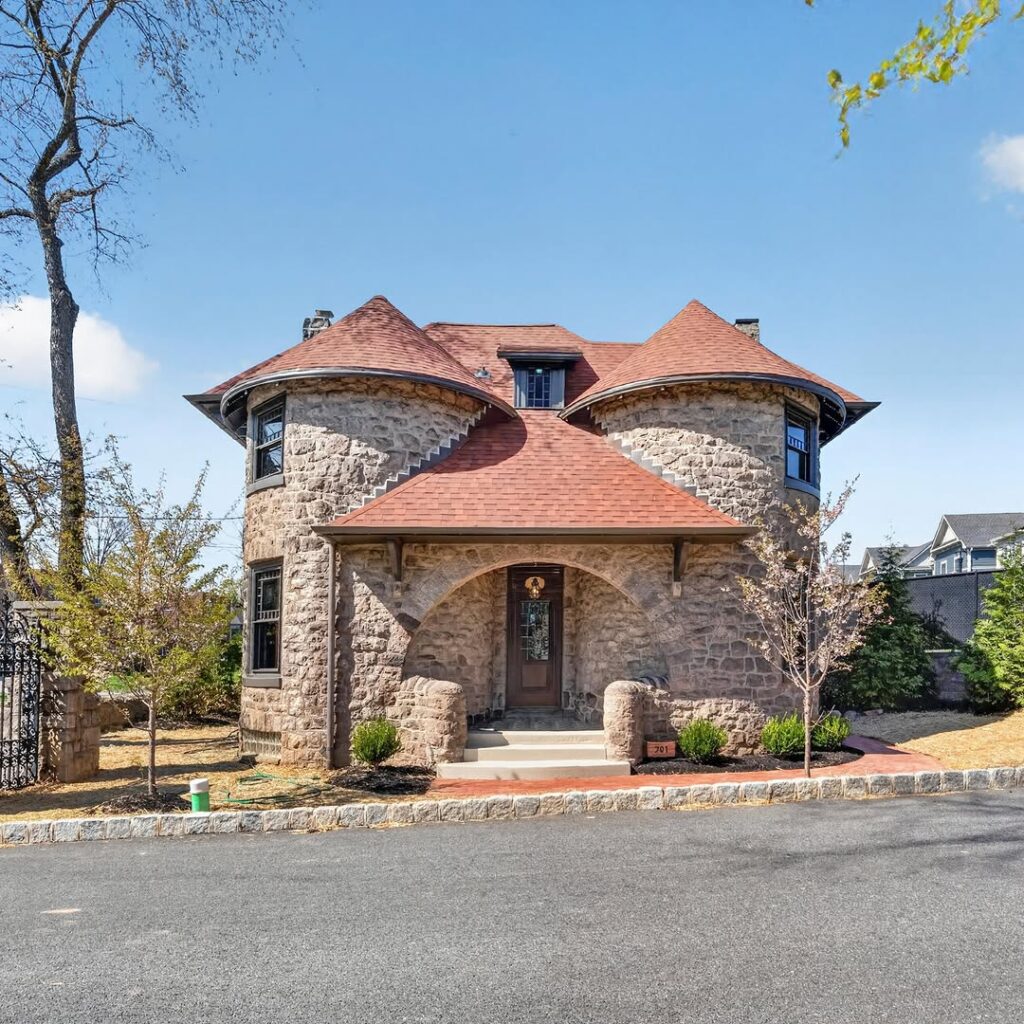
The original gatehouse of Lindenwold Castle is not just a property listing. It’s an abandoned castle fragment — a small piece of something larger that mostly no longer exists. Built in 1911 by Richard Maddison as the grand entrance to his Ambler estate, it has outlasted the carriages, the groundskeepers, the formal parties, and the era that created it.
Standing in front of it today, at nearly a million dollars and just over a century old, it asks a simple question: What do we owe to the things that survived?
The answer, for the right buyer, might be a mortgage. For the rest of us, it might simply be attention.
Either way, the stone will be there. Waiting.
Frequently Asked Questions
Q: What is the Lindenwold Castle gatehouse?
A: It is the original gatehouse built in 1911 as the entrance structure to the Lindenwold Castle estate in Ambler, Pennsylvania, commissioned by industrialist Richard Maddison.
Q: Is the Lindenwold Castle still standing?
A: The main castle complex has undergone significant changes over the decades. The gatehouse is one of the most intact surviving structures from the original estate.
Q: What architectural style is the gatehouse?
A: The gatehouse reflects Edwardian-era Gothic Revival architecture — heavy stone construction, narrow arched windows, and asymmetrical massing typical of the early 1900s.
Q: Can you visit the Lindenwold gatehouse?
A: The property is privately listed for sale. It is not open to the public for tours. Always respect private property boundaries.
Q: How much does the Lindenwold gatehouse cost?
A: The property is currently listed at $834,900 and includes 3 bedrooms, 3 bathrooms, and approximately 2,000 square feet of interior space.
Q: Who was Richard Maddison?
A: Richard Maddison was a prominent Pennsylvania industrialist active during the Gilded Age who built the Lindenwold Castle estate beginning in 1911.
Q: Where can I learn more about forgotten historic estates?
A: You can find in-depth stories, histories, and photography of similar properties throughabandoned.blog, which documents forgotten estates and historic structures across the United States.
Article written for educational and historical documentation purposes. Always respect private property. Do not trespass on any property without explicit permission from the owner.