
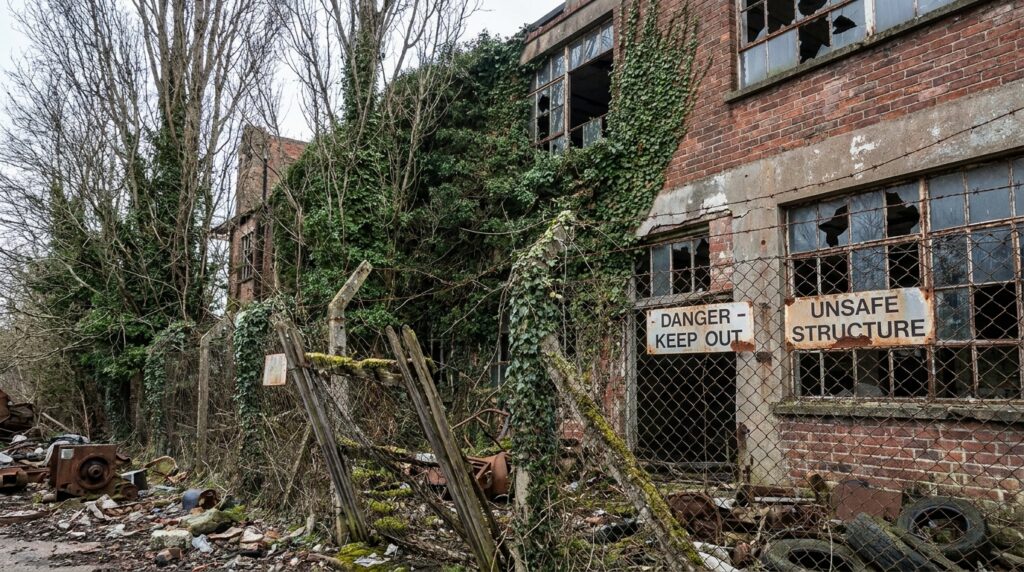
Urban Exploration for Beginners: 12 Things Nobody Tells You Before Your First Urbex Trip
Urban exploration looks effortless in the photos — golden light flooding through broken windows, perfectly decayed interiors, dramatic wide-angle compositions. What the photos don’t show is the research, the physical preparation, the legal uncertainty, the moments of genuine danger, and the occasional anticlimax of arriving at a building that turns out to be thoroughly uninteresting. This guide is an honest account of what urban exploration actually involves — not to discourage you, but to make your first trips safer, more productive, and more rewarding.
1. Start With the Research, Not the Location
The best urbex experiences come from choosing locations you understand. Before visiting any site, research its history: what it was, who used it, when it closed, and why. This context transforms what you see inside from random decay into legible history. It also tells you what hazards to expect. A textile mill and a chemical processing plant are both ‘abandoned factories’, but they present completely different risk profiles.
For UK research, the National Library of Scotland’s historical OS map viewer is outstanding for identifying what once stood on any given site. For US research, the Library of Congress historic newspaper archive and county assessor records are your primary tools. For European sites, local heritage registers and municipal archives are often digitized and publicly accessible.
2. Never Explore Alone
This is the most important practical rule in urban exploration, and it is not negotiable for beginners. If you fall through a floor, become trapped, suffer a medical event, or encounter a hostile property owner, a companion is often the difference between a minor incident and a genuine emergency. Experienced solo explorers exist, but they have years of practice identifying structural risks and managing emergencies independently. Build that experience first.
3. The Gear You Actually Need (Not What YouTube Tells You)
Urbex gear lists online frequently over-specify expensive equipment that beginners don’t need immediately. Here’s a realistic starter kit:
- A good head torch: Hands-free lighting is non-negotiable. A 500+ lumen model is adequate for most buildings. Bring a backup — pocket torch or spare batteries.
- Sturdy footwear: Ankle support and puncture-resistant soles matter on debris-strewn floors. Proper work boots are ideal; expensive hiking shoes are a reasonable alternative.
- Dust/particle mask: An FFP2 minimum for most sites. Upgrade to FFP3 for anything built before 1985.
- Gloves: Thin nitrile gloves protect against chemical contact without eliminating dexterity.
- Phone with offline maps: Download the relevant area in Google Maps or Maps.me before you go.
- Camera: Your phone camera is completely adequate for learning. Invest in dedicated camera gear once you know you’re committed to the hobby.
4. Understand Trespassing Law in Your Country
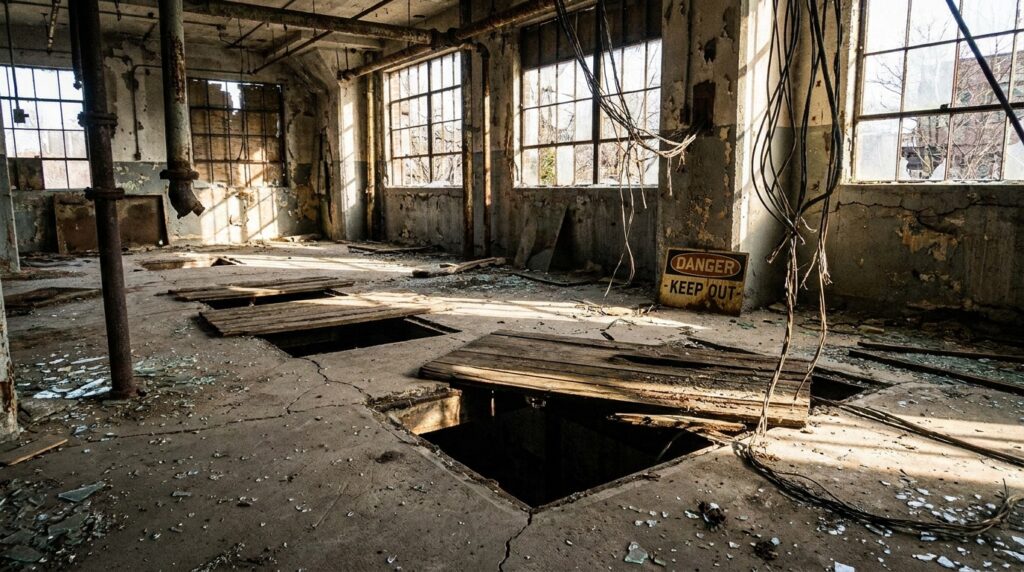
Trespassing laws vary enormously. In England and Wales, entering private property without permission is civil trespass (not criminal) in most circumstances, but causing damage, refusing to leave when asked, or entering with intent to damage property can elevate the offence. In Scotland, the Land Reform Act 2003 provides broader access rights. In most EU countries, trespass onto private property is a criminal misdemeanor. In the United States, it varies by state — some treat it as an infraction, others as a criminal misdemeanor. Research the specific legal position for every country or state you explore in.
The CPS (Crown Prosecution Service in the UK) and equivalent bodies publish guidance on trespass and aggravated trespass that is worth reading. The Urbex community forum 28DaysLater maintains a legal information section that is regularly updated.
5. The Ethical Code That Separates Explorers from Vandals
Urban exploration has a widely observed ethical code: take nothing but photographs, leave nothing but footprints, and break nothing. This isn’t just philosophical — it’s practical. Vandalism and theft generate media coverage that hardens property owner attitudes toward exploration and creates pressure for more aggressive security and legal responses. The ethical code protects access for the entire community.
6. Not Every Building Is Worth It
Beginners often approach every abandoned building as equally worthy of exploration. Experienced explorers are selective. A building that has been thoroughly stripped, graffitied, and visited by hundreds of people before you offers little photographic or historical value. Learning to assess potential before committing time and risk is a skill that comes with experience — but starting to develop that assessment mindset early will save you many disappointing trips.
7. Structural Assessment Is a Learnable Skill
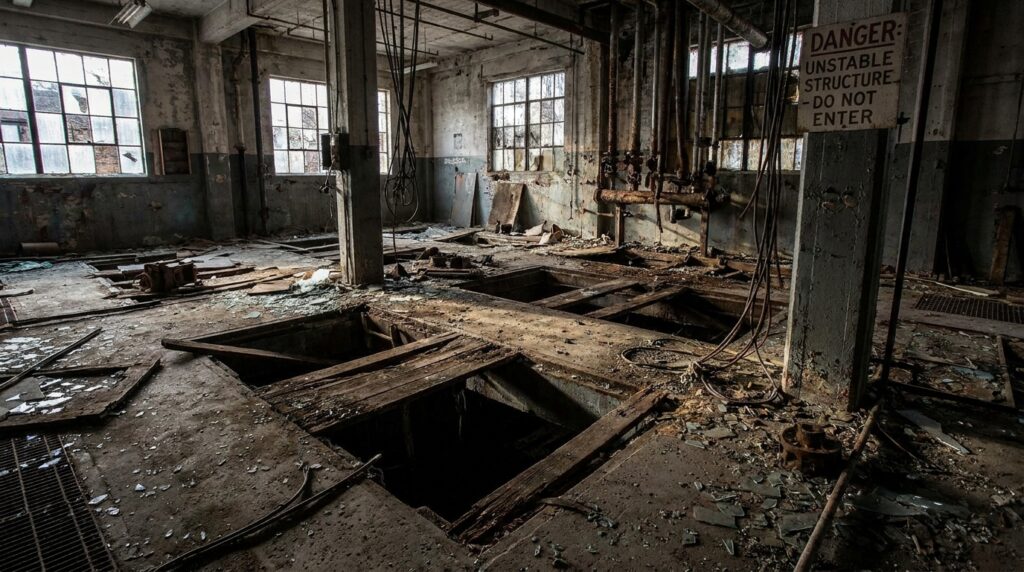
You don’t need an engineering degree to assess basic structural risk. Visible signs of serious structural compromise include: sagging rooflines (viewed from outside before entry), bowing or leaning walls, diagonal cracking patterns on masonry (particularly around windows and doorways), pools of standing water inside (indicating roof failure), and floor deflection when you step on it. If you notice multiple simultaneous warning signs, leave immediately.
8. Weather Changes Everything
Rain makes decayed floors slippery and can trigger localized structural collapse by saturating already-compromised roofing. Frost accelerates masonry deterioration. High winds increase the risk of loose elements falling from upper levels and facades. Learn to read weather forecasts for the specific conditions affecting your target location, and reschedule if conditions are adverse. Most experienced urbex photographers have a standing rule: no exploration in high winds or immediately after heavy rain.
9. Document Everything Before You Touch Anything
The moment you enter any room in an abandoned building, take an overview photograph before touching or moving anything. This protects you legally (you can demonstrate what was present before your visit) and documents the environment authentically. Many of the most powerful urbex photographs are untouched scenes — objects and arrangements left exactly as they were when the building was last occupied.
10. The Emotional Reality of Urbex
Urban exploration can be genuinely emotionally affecting in ways that are difficult to anticipate. Spaces that represent human suffering — closed psychiatric facilities, sites of industrial disaster, collapsed children’s homes — carry a weight that many explorers find unexpectedly powerful. Going in with awareness of this, and giving yourself permission to leave if a site becomes emotionally overwhelming, is part of responsible exploration.
11. Build Your Community Before You Build Your Portfolio
The urbex community is more welcoming than outsiders expect, but it has norms around information-sharing, attribution, and behavior that take time to understand. Joining established forums such as 28DaysLater (UK), Forbidden Places (Europe), or Urban Explorers Network (US) before your first serious trips will accelerate your learning, connect you with experienced companions, and help you avoid the social mistakes that mark out newcomers.
12. The Permit Path Is More Viable Than You Think
Many property owners of abandoned buildings have never been asked for access permission — they simply assume nobody wants it. A professional, well-reasoned request from a photographer or researcher documenting a building’s history is often received more positively than you’d expect. Film production companies, heritage organizations, and academic researchers regularly obtain legitimate access to abandoned sites through straightforward permissions processes. The risk of refusal is low; the reward of legal access is high.

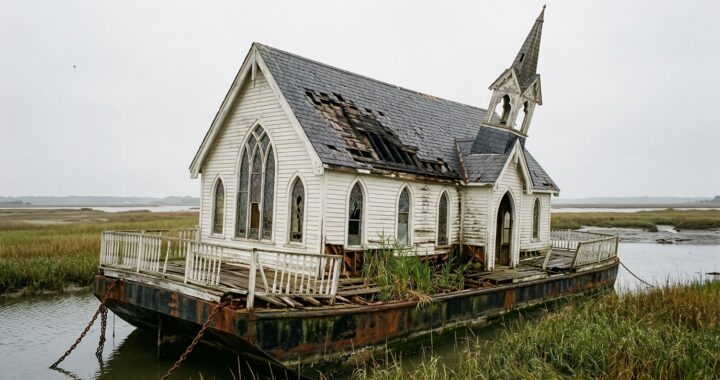
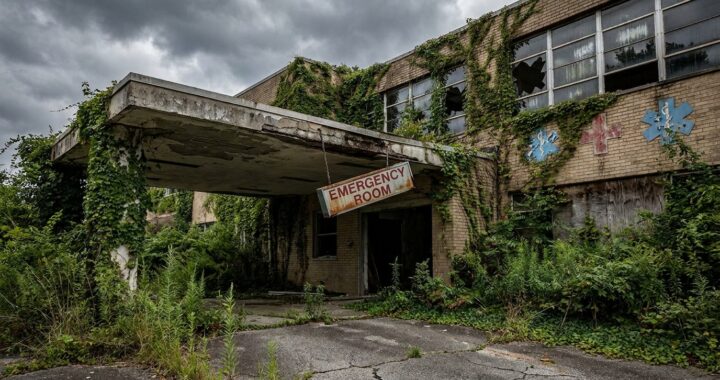

[…] that purpose remain. For those who seek out places where the texture of history is still visible —where forgotten spaces tell their stories through silence and structure — this kind of room holds a particular fascination. The desk may be gone. The ledgers long since […]