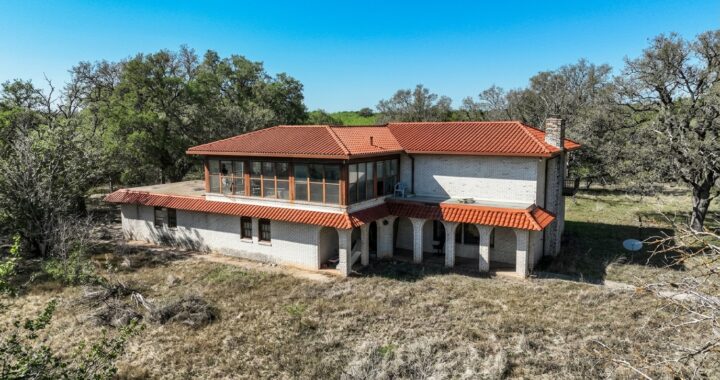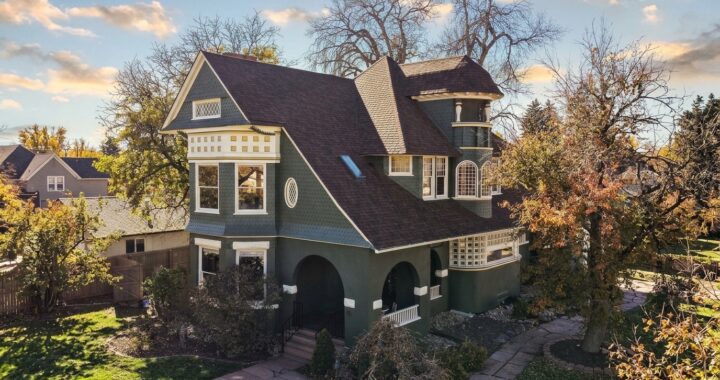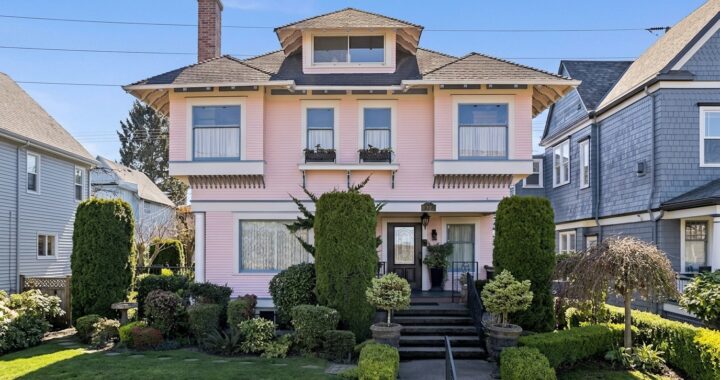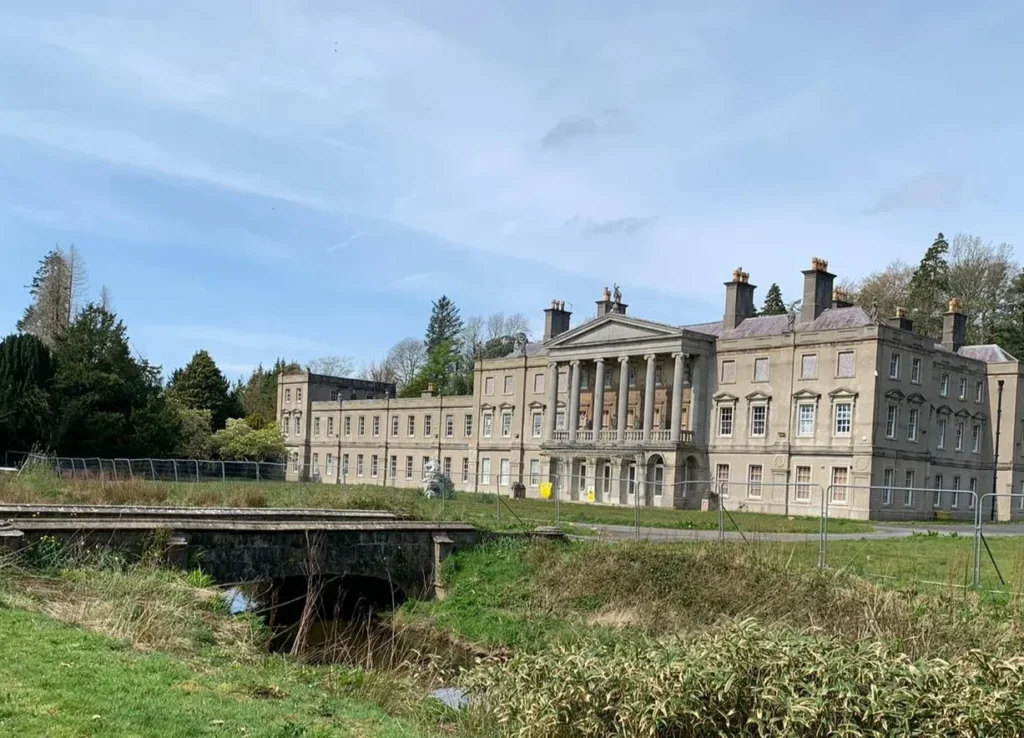
The gates are rusted shut. Ivy has claimed the iron scrollwork that once announced old money and quiet power. Beyond a gravel drive slowly surrendering to weeds, a mansion of almost incomprehensible scale sits in silence — its curtains still drawn, its chandeliers still hanging, every room a sealed museum of a life abruptly interrupted.
Nobody has lived here in over two decades. And yet, walk through what remains of the front door and you will find crystal wine glasses still on the dining table, a grand piano in the ballroom with sheet music open on the stand, and a closet full of tailored suits hanging in perfect rows as though their owner might return any morning now.
This is the strange, magnetic pull of an abandoned billionaire mansion — not simply the decay, but the intimacy of frozen time. These are not empty shells. They are stories mid-sentence.
A Fortune Built, Then Forgotten
The Rise of the Estate
The mansion was constructed in the early 1900s for an industrialist whose name once appeared on the front pages of financial newspapers. Spanning over thirty thousand square feet across three principal floors, a service wing, and a full basement, the property represented the absolute pinnacle of Gilded Age excess. Architects from Europe were commissioned. Italian marble was shipped in on cargo vessels. Craftsmen spent three years alone on the hand-carved oak paneling that lines the main staircase.
At its height, the estate hosted senators, artists, and European nobility. The formal gardens extended across fourteen acres, maintained by a team of eight groundskeepers year-round. The indoor swimming pool — one of the first private ones in the region — was tiled in a mosaic pattern designed by a student of Alphonse Mucha. Nothing here was accidental. Everything was chosen.
Estates of this calibre were part of a broader architectural movement documented extensively by the National Trust for Historic Preservation, which continues to advocate for the protection of America’s most significant historic properties.
The Decline Nobody Predicted
The family’s financial empire began to fracture in the 1970s. Corporate restructuring, inheritance disputes, and a series of unlucky investments eroded the fortune across two generations. By the 1990s, the mansion had been reduced to a single occupant — an elderly heir who refused to sell, refused to renovate, and refused to let anyone in.
When she died in 2001, lawyers discovered she had left no clear will. The estate became entangled in probate proceedings that stretched on for years. Distant relatives emerged from obscurity. Creditors filed claims. The courts could not agree. And so the mansion simply sat. Utilities were eventually disconnected. The caretaker stopped coming. The gardens went wild.
What was left behind is extraordinary precisely because no one ever came to pack it up.
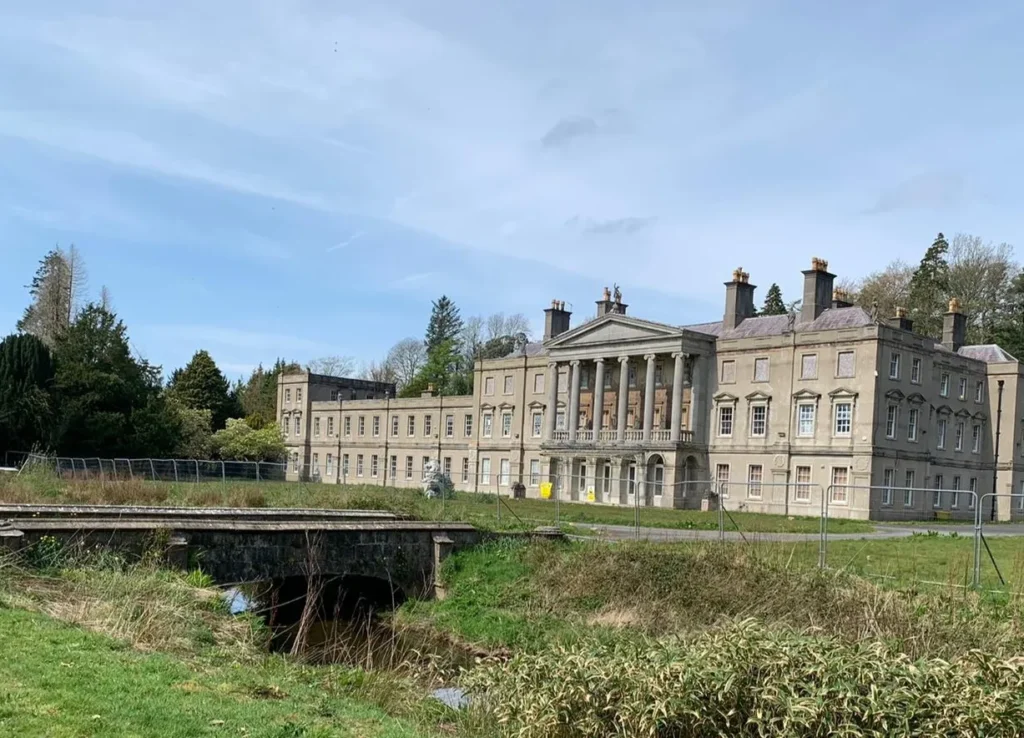
Room by Room: What the Decay Left Behind
The Grand Ballroom
The ballroom is perhaps the most visually striking space in the entire house. A double-height ceiling painted in frescoes of pastoral scenes — slightly cracked now, with one panel partially collapsed — soars above a parquet floor warped by decades of humidity. Three enormous chandeliers hang overhead, their crystals dulled with grime but structurally intact. Folding chairs from some long-ago gathering are still stacked against the far wall, as though a party was only recently postponed.
The grand piano near the western windows has suffered the worst of the moisture damage. Its lacquered lid has bubbled and split. But the sheet music on the stand — a Chopin nocturne, page forty-three — is still readable. Someone was practicing. Someone just never came back to finish.
The Library and Study
Thousands of books remain on the shelves, their spines faded to similar shades of grey and brown by decades of filtered light. Many of the volumes are rare — first editions, leather-bound sets, manuscripts with handwritten annotations in the margins. Several appear to be correspondence between the original owner and political figures of the era. The desk still holds an open ledger, a dried inkwell, and a letter that was never finished — the last line trails off mid-thought, as though the writer was interrupted and simply never returned.
These kinds of personal archives hold significant historical value. Organizations like the Society of American Archivists regularly highlight the importance of preserving documents found in historic properties before deterioration renders them unreadable.
The Master Bedroom Suite
The master suite occupies the entire eastern wing of the second floor. A four-poster bed still stands in the center of the room, its silk canopy rotted to threads. Perfume bottles on the dressing table have evaporated, leaving dark rings on the glass surface. A jewelry armoire stands open, and though valuables were presumably removed at some point, costume jewelry and accessories remain scattered across the velvet-lined drawers. Framed photographs on the nightstand show a family at a beach, faces sun-bright and laughing, completely unaware of what was coming.
The Basement: Where the Real Secrets Lived
Every great mansion has a below-ground level, and this one is no different. The basement was originally divided into a wine cellar — still stocked with hundreds of bottles, though most have turned — a boiler room, servants’ quarters, and a room whose purpose took some deciphering. The latter is sealed with a padlocked door that has since rusted open. Inside: filing cabinets, a safe (closed, combination unknown), and rows of shelving holding leather-bound ledgers dating back to 1923. The contents of those ledgers, were they ever examined, might answer quite a few questions about how this fortune was originally accumulated.
Preservation, Trespass, and the Ethics of Exploration
It is important to say clearly: this property remains privately owned and is not accessible to the public. The account above is compiled from historical records, court documents, photographic surveys conducted by licensed architectural historians, and interviews with individuals who worked on the estate during its occupied years. Urban exploration of private property — even abandoned private property — carries real legal and physical risks, and this article is not an invitation to enter.
If you are interested in reading more accounts of forgotten estates documented safely and ethically, the writers at Abandoned Blog cover forgotten places across the world with the same attention to history and context that these stories deserve.
The real value in documenting places like this is not the thrill — it is the record. Once these walls come down, and they will, everything inside will be gone. Every cracked fresco, every unfinished letter, every bottle of wine no one ever drank. The story ends without a final chapter.
What Happens to a Mansion Nobody Claims?
Legal scholars sometimes refer to properties like this as ‘heir property in limbo’ — a condition where the asset is technically owned but practically ungovernable. The courts can eventually force a sale, and in many cases that is what happens: the property goes to auction, often in a condition so deteriorated that only developers or demolition companies can afford it.
In rarer cases, a historical preservation society steps in. The mansion is assessed, designated, and slowly brought back to something resembling its former state — not to live in, but to document. The frescoes are stabilized. The books are catalogued. The ledgers are digitized.
This particular estate remains, at the time of writing, in an uncertain legal state. The court case has been reopened. Whether it ends in a wrecking ball or a restoration fund is genuinely unknown. Either way, it will not be the same again.
Somewhere under the peeling wallpaper and behind those still-drawn curtains, a Chopin nocturne waits on a piano nobody has touched in twenty years. Page forty-three. Mid-phrase. Waiting.