There is something about a forgotten estate that pulls at you.
Maybe it is the peeling paint on a wraparound porch. Maybe it is the shadow of curtains that haven’t moved in decades. Or maybe it is simply the weight of time — the feeling that a house like this has seen things you never will.
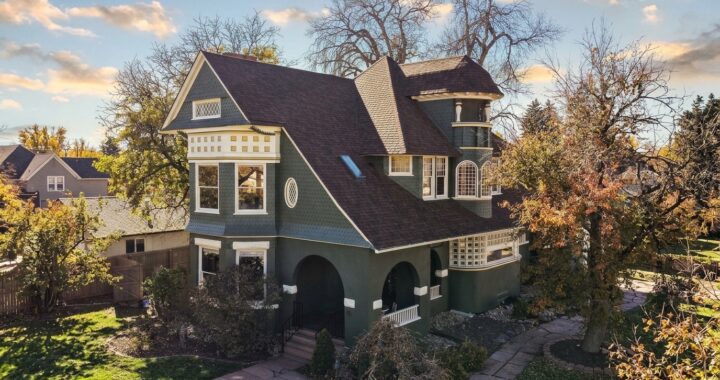
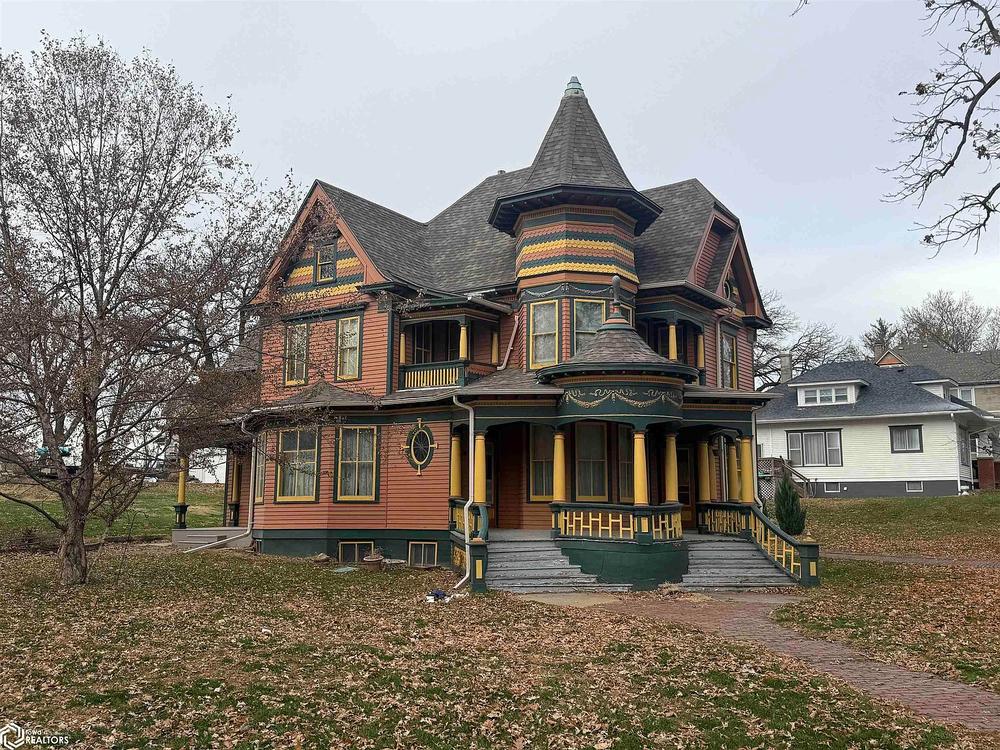
This particular forgotten estate has been standing since 1890. Four bedrooms. Two stories. A detached carriage shed out back. And nearly 2,800 square feet of silence waiting to be filled again.
It sits on a corner lot in a quiet neighborhood, looking like a postcard from another era. The kind of place where you slow your car down. The kind of place that makes you wonder.
So let’s go inside.
What Makes a Home From 1890 So Different?
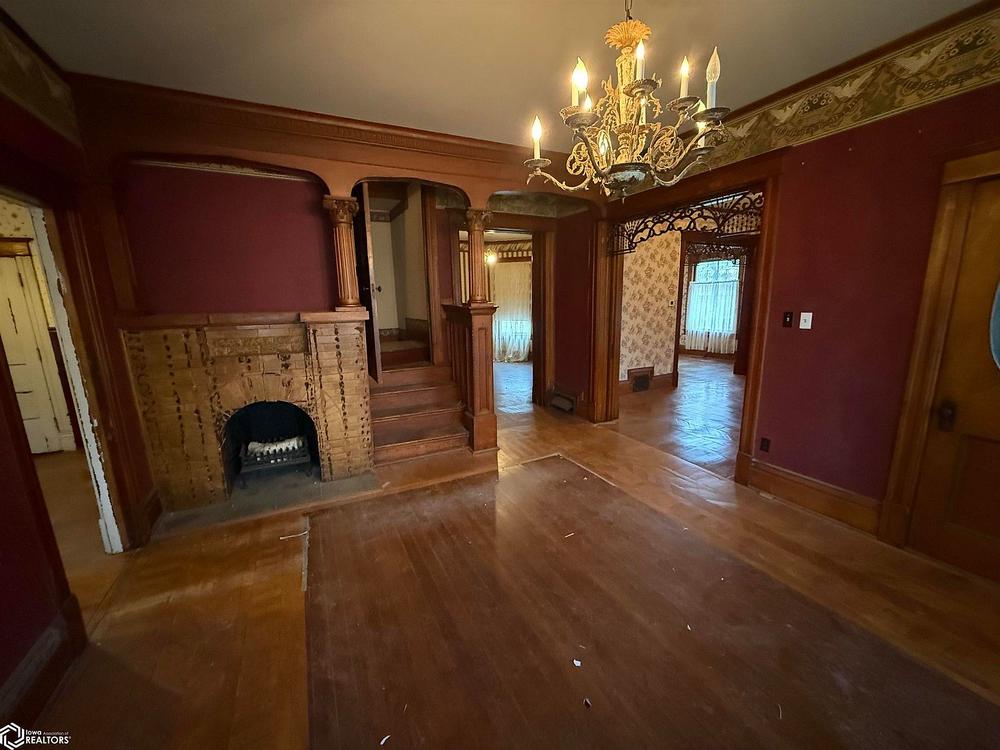
Before we walk through the door, it helps to understand what the world looked like when this house was built.
In 1890, Victorian architecture was at its absolute peak in America. Builders were obsessed with ornamentation — tall windows, decorative cornices, layered millwork, rooms that flowed into rooms like chapters in a novel. A home wasn’t just shelter. It was a statement.
Houses built in this era were also built to last. Old-growth timber. Thick plaster walls. Foundations poured with the kind of patience modern construction rarely allows. That is partly why so many of them are still standing over 130 years later.
This home is one of them.
At 2,762 square feet, it isn’t a mansion. But it isn’t small, either. For a family in 1890, this was a serious residence. Multiple bedrooms. Multiple bonus rooms. Space to breathe, to gather, to live loudly inside thick walls.
And now, it waits.
Walking Up to the Front: First Impressions
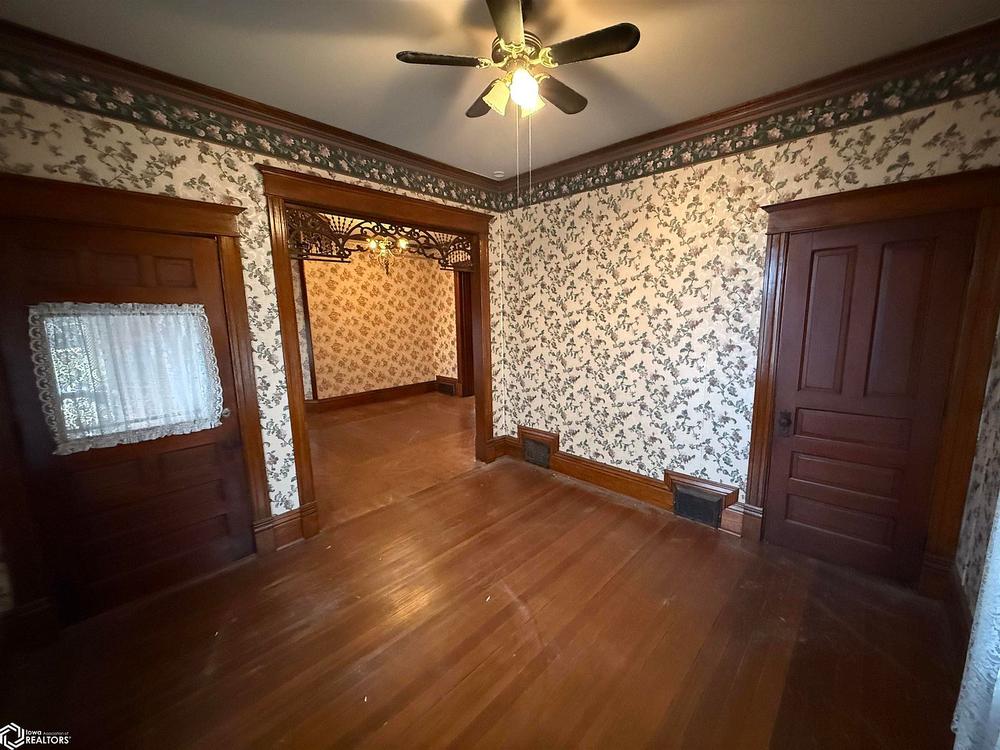
The corner lot gives you the full picture before you even step onto the property.
You can see both sides of the house. The newer roof — a clear sign someone cared for this place recently — catches the morning light cleanly. Fresh gutters run along the roofline. The exterior paint looks deliberately chosen, not slapped on in a hurry. These are not the marks of a completely abandoned building. Someone kept the skin of this place alive.
But the bones tell a different story.
The two-story profile rises against the sky like something from an old photograph. You half-expect a figure in the upper window. You don’t see one, but you look anyway. That is what forgotten estates do — they make you look.
The detached carriage shed sits off to one side, weathered in a way the main house is not. In the late 1800s, carriage houses were essential. Before automobiles replaced horses, horse-drawn carriages were the primary mode of personal transport for middle-class families, and every proper estate needed a place to stable the animals and store the equipment. Today, the shed is just storage. But its silhouette still carries the memory of that older function.
Stepping Inside: The Layout Speaks
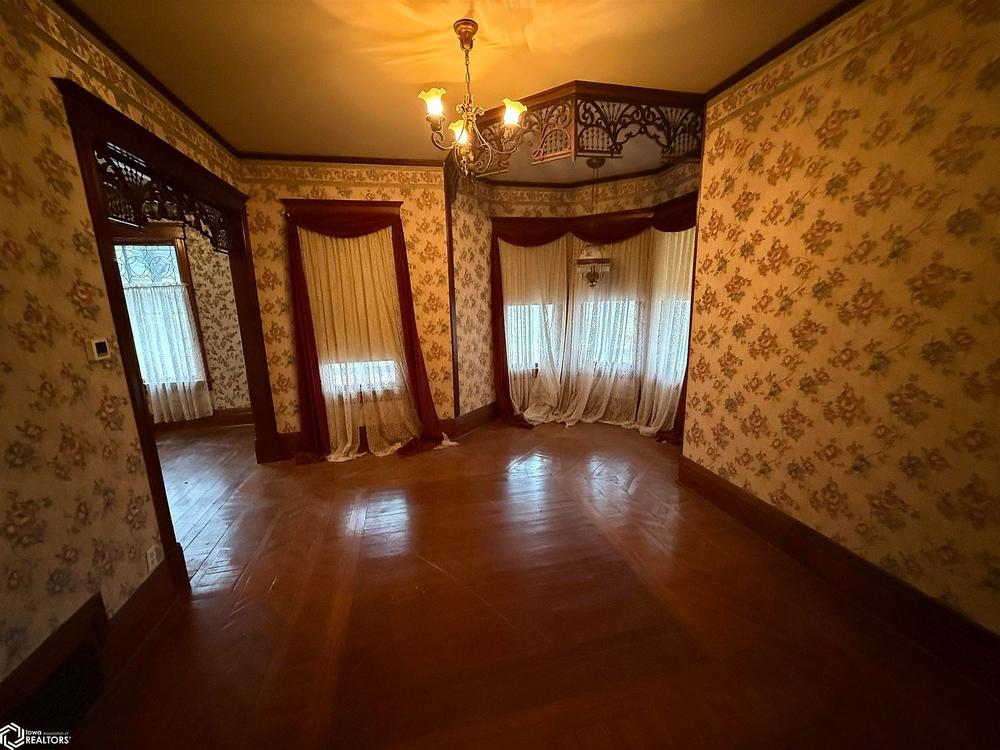
The front door opens and the air shifts immediately.
There is a particular smell to old houses — a mix of wood, plaster, and something harder to name. History, maybe. Or time made physical. It is not unpleasant. It is just unmistakably old.
The Ground Floor: Bones of Daily Life
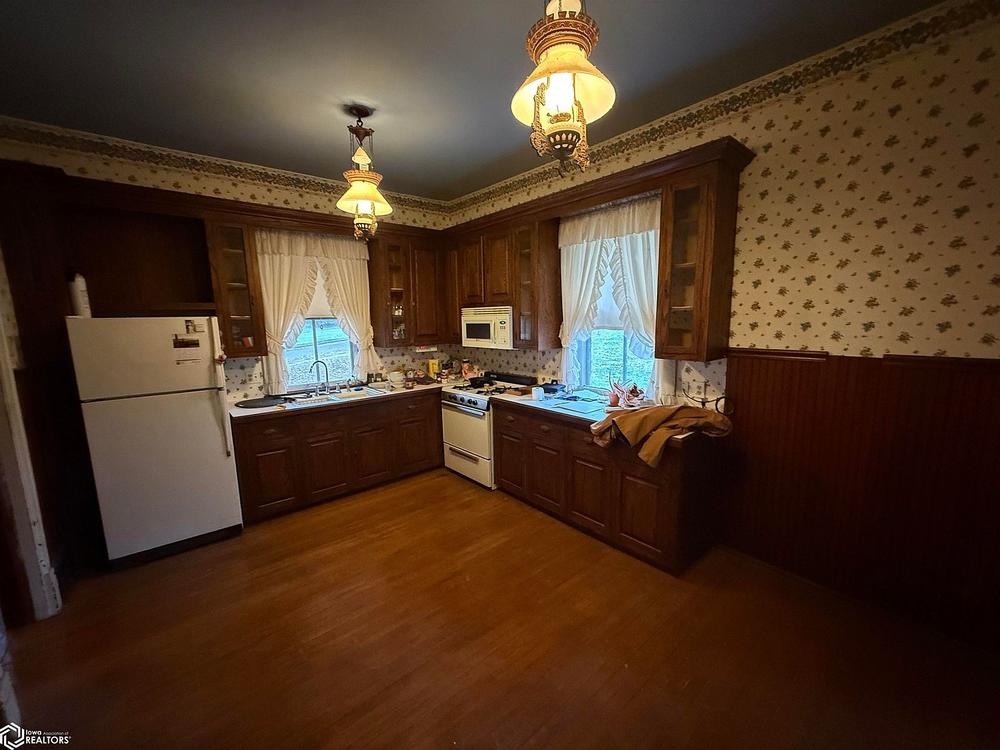
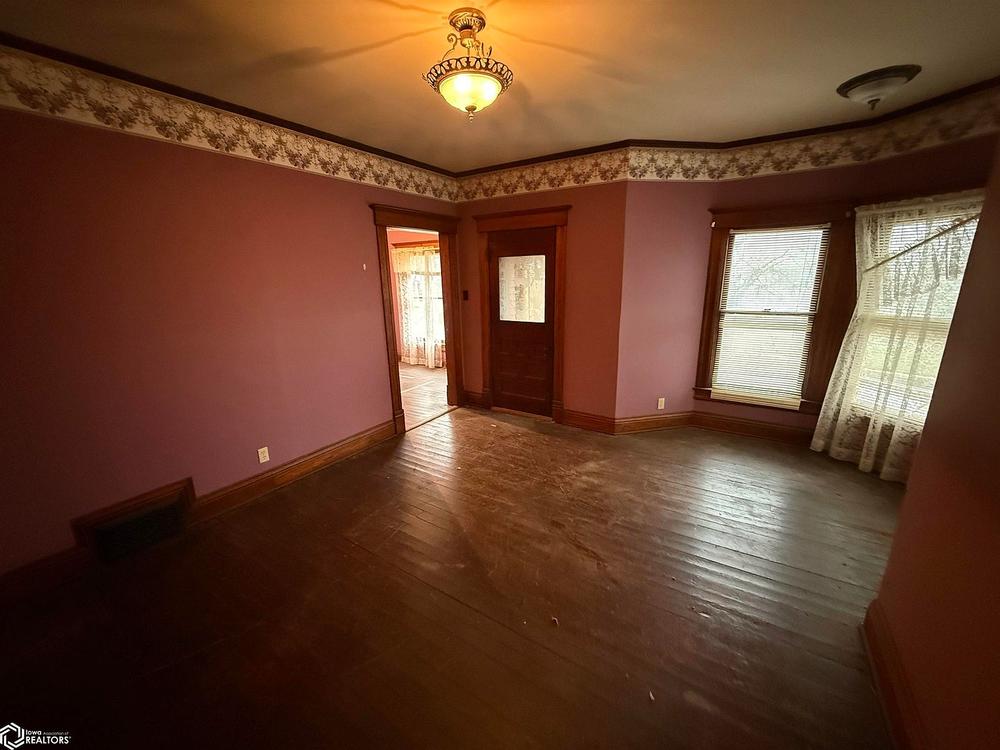
The main level of this home flows the way Victorian homes were designed to flow — with intention. Rooms connect to rooms. Doorways frame views of what comes next. There is an internal logic to the layout that newer open-plan homes often sacrifice.
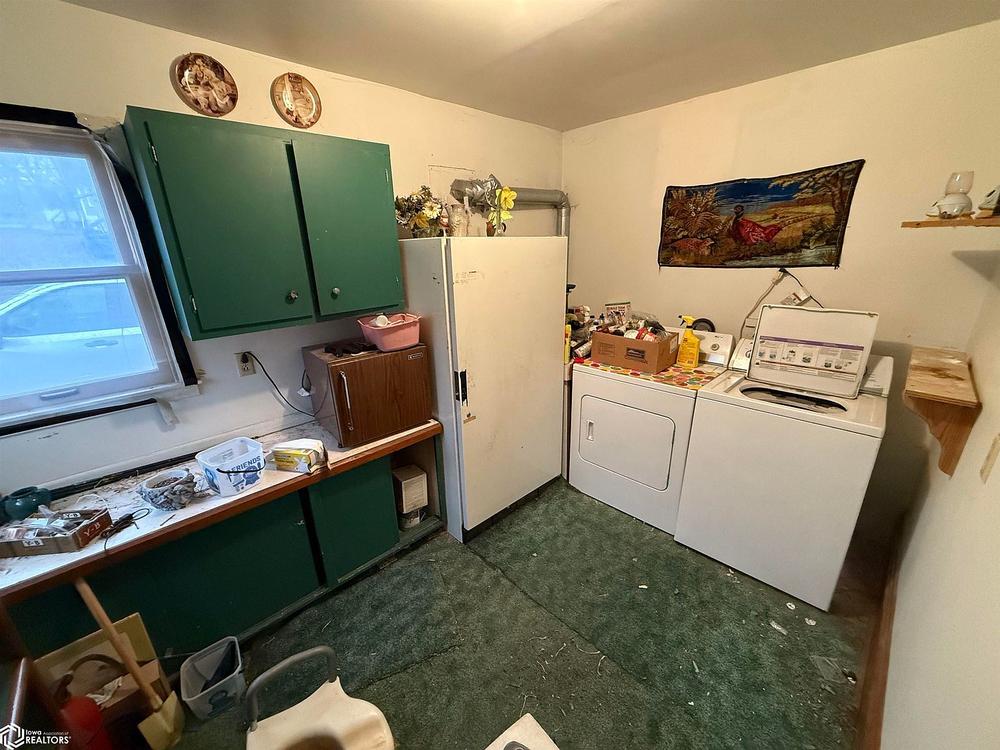
The furnace has been updated. The water heater, too. These are not glamorous upgrades, but they matter. They mean the infrastructure of the house — the part you don’t see — has been maintained. Someone understood that the guts of a building are what keep it alive.
There is no air conditioning. That is worth noting. In 1890, homes like this relied on ceiling height, cross-ventilation, and thick walls to manage heat. This one was designed to breathe. Whether that still works the way it once did is a question the next owner will answer.
The Upper Floor: Where the Stories Live
The second story is where forgotten estates always hide their best secrets.
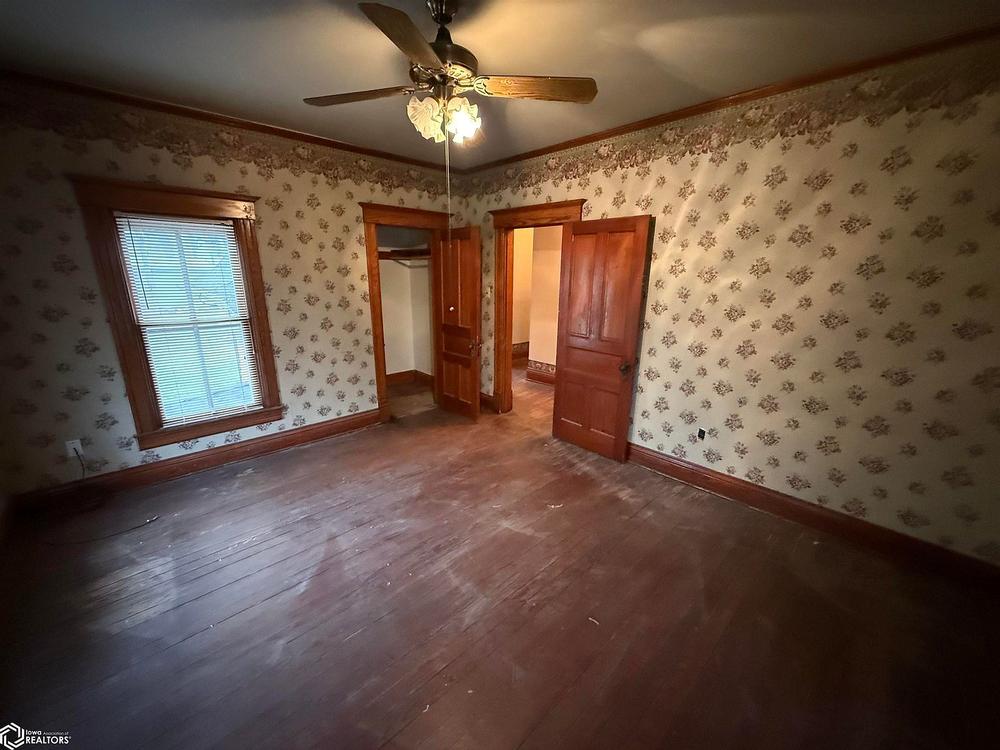
Multiple bedrooms up here. Each one different. Each one with its own window, its own light, its own angle on the neighborhood below. You can imagine a family filling these rooms — children in the smaller ones, parents in the largest, a grandparent perhaps in the quiet room at the end of the hall.
There are bonus rooms, too. The listing calls them that — bonus rooms — which is the practical term. But in a house this old, bonus rooms are rarely accidental. They were sewing rooms, nurseries, studies, prayer rooms, storage for things families didn’t know how to throw away. Every one of them has a past.
Stand in any of these rooms long enough and you feel it. The weight of all the mornings that happened here. All the arguments, the laughter, the long quiet afternoons. A forgotten estate doesn’t just hold walls and floors. It holds the residue of lives.
The Carriage Shed: A Relic Worth Saving
Step back outside and walk to the rear of the property.
The detached carriage shed is the most visually striking feature of this estate. It is older-looking than the house itself, or at least it wears its age more openly. The wood has gone gray in places. The gaps between boards let in thin lines of light. Inside, the space is generous — ample storage by any modern standard, though the word storage doesn’t really capture what a structure like this once was.
This was a working building. Men spent real hours in here, caring for animals, maintaining equipment, keeping the household moving. The carriage shed was the engine room of a Victorian home.
Today it stands quietly, ready to be repurposed. Workshop, studio, overflow storage, or simply a piece of history preserved on the lot. Whatever comes next for this property, the shed should not be the part that gets torn down. It is too rare. Too honest about what it is.
The Lot: More Room Than It Seems
Corner lots are underrated.
This one gives the home two street-facing sides, which means more light, more air, and more visual presence in the neighborhood. It also means more options.
The listing specifically notes there is room on the west side of the house to build an attached garage. That is a practical consideration, but it also says something about the lot’s generosity. You are not squeezed here. You have room to make decisions, to add something, to grow the property without demolishing what is already there.
For a home built in 1890, that kind of flexibility is rare. Most Victorian-era lots in older neighborhoods have been subdivided, hemmed in, built around. This one still has breathing room.
7 Secrets This Forgotten Estate Still Hides
Let’s get specific. Here is what stands out about this particular property — the details that make it more than just an old house.
- The carriage shed is a time capsule. Very few residential properties still have a functioning detached carriage structure. This one does. That is architectural history sitting on the lot.
- The roof is newer than it looks. From the street, this house looks frozen in 1890. But the roof has been replaced. New gutters run the perimeter. The outer shell has been quietly maintained.
- The furnace and water heater are updated. Invisible upgrades, but critical ones. This is not a house where the infrastructure has been ignored.
- The bonus rooms are mysteries. Multiple bonus rooms on the upper floor. Their original purposes are unknown. Each one is a small puzzle.
- The corner lot is larger than average. Two street-facing sides and room to build on the west. Not many 1890 properties offer this kind of flexibility.
- The as-is sale tells you something. The sellers aren’t hiding the condition. As-is means honesty. It also means opportunity — for the right buyer with the right vision.
- The silence is louder than it should be. Stand inside long enough and the quiet of this place becomes its own presence. Forgotten estates carry their histories in the air. This one has 130 years of it.
What “As-Is” Really Means for a Home Like This
The listing is upfront: this home is being sold as-is.
For some buyers, that phrase is a warning. For others, it is an invitation.
An as-is sale simply means the seller is not making repairs before closing. What you see is what you get. The price reflects that reality — $220,000 for nearly 2,800 square feet in a historic structure is not accidental math.
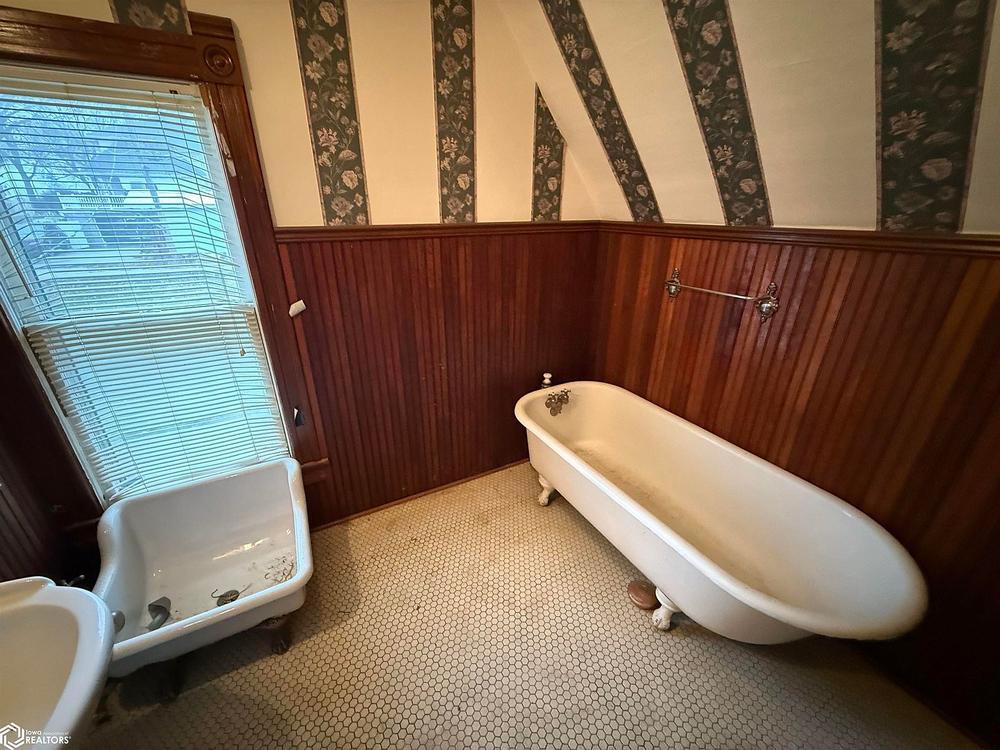
The upside? A buyer who is willing to invest time and TLC gets something most modern homes cannot offer: authentic character. Original millwork that wasn’t manufactured in a factory last year. Proportions and materials that reflect a different era of craftsmanship. Rooms that were built for living, not for resale.
The caution? Every as-is Victorian home has surprises. Some are pleasant. Some are expensive. A thorough inspection before purchase is not optional — it is essential. Electrical systems, plumbing, foundation integrity, and the condition of any original structural elements should all be assessed by professionals before any offer is finalized.
At Abandoned Blog, we have explored dozens of properties like this one — places that look intimidating from the outside but reveal extraordinary bones once you get past the surface. This is one of those houses.
The History Hidden in the Walls
A house built in 1890 has survived a remarkable amount of American history.
It was standing during the Gilded Age, that era of industrial expansion and growing American wealth that shaped so much of the country’s architectural identity. It survived both World Wars. It outlasted the Great Depression, the postwar housing boom, the suburban exodus of the 1960s, and every real estate cycle since.
Each decade left something behind — a layer of wallpaper, a modification to the floor plan, a coat of paint over original woodwork. Peel back those layers and you find a record of how American families lived across more than a century.
That kind of depth doesn’t come with new construction. It can’t be manufactured. It can only be found in a forgotten estate that has been standing long enough to accumulate it.
Who Should Buy This Home?
Not everyone.
That is the honest answer, and it is worth saying plainly. A house like this requires a specific kind of buyer — someone who values authenticity over convenience, character over perfection, and history over the smell of fresh paint.
The ideal owner of this estate is probably someone who:
- Has some experience with older homes and isn’t afraid of surprises
- Is willing to invest time and money into thoughtful restoration
- Sees the carriage shed as an asset, not a liability
- Appreciates that a house this old has stories to tell
- Understands that “as-is” is a starting point, not a problem
If that sounds like you, this might be the most interesting home you ever live in.
If you want a move-in-ready property with smart appliances and quartz countertops, this isn’t it. And that is perfectly fine. Not every house is for every person. But for the right person, a forgotten estate like this is irreplaceable.
What Restoration Could Look Like
Restoring a Victorian home from 1890 is a process, not an event.
Here is a realistic sequence for approaching a property like this:
- Start with the inspection. Full professional inspection, including foundation, electrical, plumbing, and structural elements. Know what you’re working with before you commit.
- Stabilize before you beautify. Any moisture intrusion, foundation issues, or electrical hazards should be addressed first. The aesthetic improvements come later.
- Preserve original materials where possible. Original hardwood floors, plaster walls, and millwork are worth saving. Refinishing is almost always better than replacing.
- Work with the layout, not against it. Victorian floor plans have their own logic. Respect it. Removing walls to create an “open concept” often destroys both the structural integrity and the character of a home this old.
- Address the climate system thoughtfully. No A/C means an opportunity. A mini-split system can provide modern comfort without requiring ductwork that tears up original ceilings.
- Save the carriage shed. This structure is a feature. Restore it with the same care as the main house. The patina it has earned deserves to stay.
For more inspiration on what’s possible with properties like this, theforgotten estate restoration archives at Abandoned Blog are a good place to start — full of real examples of what patience and vision can do with old bones.
Conclusion: Some Forgotten Estates Deserve to Be Found
At the end of the day, this 1890 forgotten estate is exactly what the listing says it is — a home full of character, waiting for its next owner.
The roof is new. The furnace works. The carriage shed still stands. The corner lot has room to grow. And somewhere inside those 2,762 square feet, there are rooms that haven’t been properly lived in for a long time.
That is not a tragedy. That is an opportunity.
The right buyer will walk through that front door and see not what this place is, but what it could become. They will hear the silence and decide to fill it. They will look at the peeling details and see the original beauty underneath. They will understand that a forgotten estate is not a failure — it is a beginning.
Some houses are just houses. And then there are homes like this one — places that have been waiting, patiently, for the right person to say yes.
FAQ
Is it safe to visit old homes like this? Only with proper permission from the owner or listing agent. Never enter a property without authorization. For listed properties, schedule viewings through the real estate agent.
What does “sold as-is” mean for a buyer? It means the seller will not make repairs or adjustments before closing. The price typically reflects the condition. Always get a full professional inspection before making an offer on an as-is property.
How much does it cost to restore a Victorian home from 1890? Costs vary enormously depending on the condition of the property and the scope of restoration. Minor cosmetic updates might cost tens of thousands. A full structural and cosmetic restoration can run into hundreds of thousands. Get detailed quotes from contractors who specialize in historic homes before purchasing.
What is a carriage shed, and why does it matter? A carriage shed — also called a carriage house — was used in the 19th century to store horse-drawn carriages and house the animals that pulled them. Original carriage structures are increasingly rare and are considered valuable architectural features on historic properties.
Are forgotten estates a good investment? They can be, but they require patience, budget, and expertise. The best outcomes happen when a buyer purchases below market value, restores thoughtfully, and either lives in the home long-term or sells into a market that values historic character.
What should I look for in a home this old before buying? Foundation integrity, original electrical wiring (knob-and-tube systems may need full replacement), plumbing condition, evidence of moisture or mold, roof and gutter condition, and the structural state of any outbuildings. Hire an inspector who specializes in historic properties.
Interested in more stories of forgotten homes, lost estates, and historic properties waiting to be rediscovered? Explore the full archive at Abandoned Blog.