There’s something about the Fukushima abandoned mansion that stops you cold.
Not just because of what was left behind — though the V12 Mercedes still sitting in the garage says plenty. It’s the why that haunts you. This wasn’t a slow goodbye. There were no boxes packed, no farewell notes taped to mirrors. One moment, a family was living their life. The next, they were gone. And everything they owned stayed behind, exactly where they left it.
That was March 11, 2011. The day the world changed for nearly 200,000 people in northeastern Japan.
What Happened on March 11, 2011
At 2:46 p.m. local time, a magnitude 9.0 earthquake struck off the Pacific coast of Japan. It was one of the most powerful ever recorded. The shockwave triggered a catastrophic tsunami that slammed into the Tohoku coastline within minutes.
The Fukushima Daiichi Nuclear Power Plant took a direct hit.
Three of its reactors melted down. Radioactive material began leaking into the air, the soil, and the sea. Japanese authorities acted fast. A 20-kilometer exclusion zone was drawn around the plant. Every person inside it — roughly 154,000 residents, some accounts put it higher — had to leave immediately.
No exceptions. No time to plan.
Many grabbed what they could carry. Others left with almost nothing at all.
You can read more about the scale of the disaster and its aftermath on Wikipedia’s article on the Fukushima Daiichi nuclear disaster, which remains one of the most thoroughly documented nuclear events in history.
The Mansion Behind the Red Zone Fence
Most people picture Fukushima’s evacuated towns as rows of modest homes — fishing villages, rice farming communities, small-town Japan.
But tucked inside the exclusion zone sits something no one expected.
A mansion. A real one.
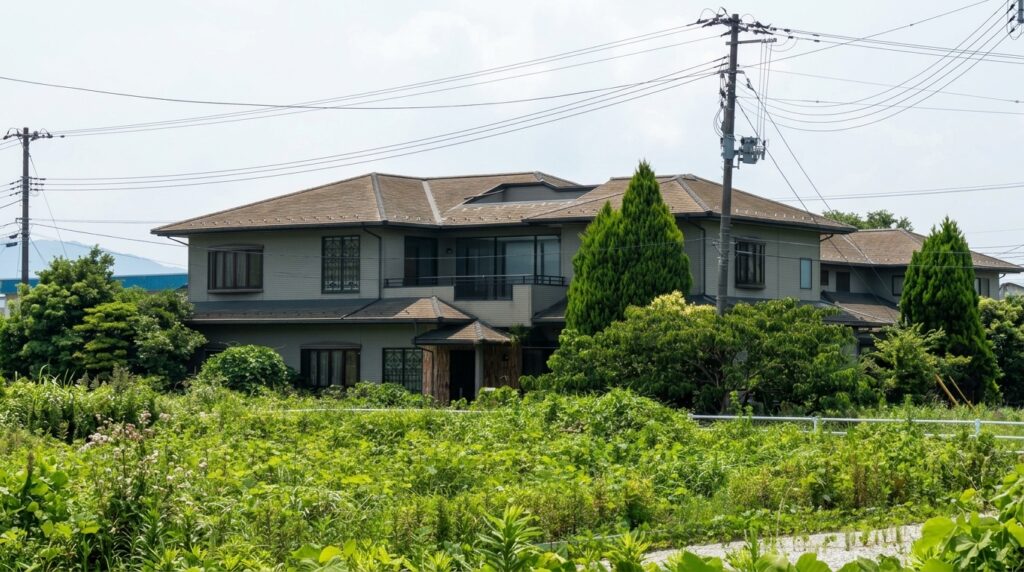
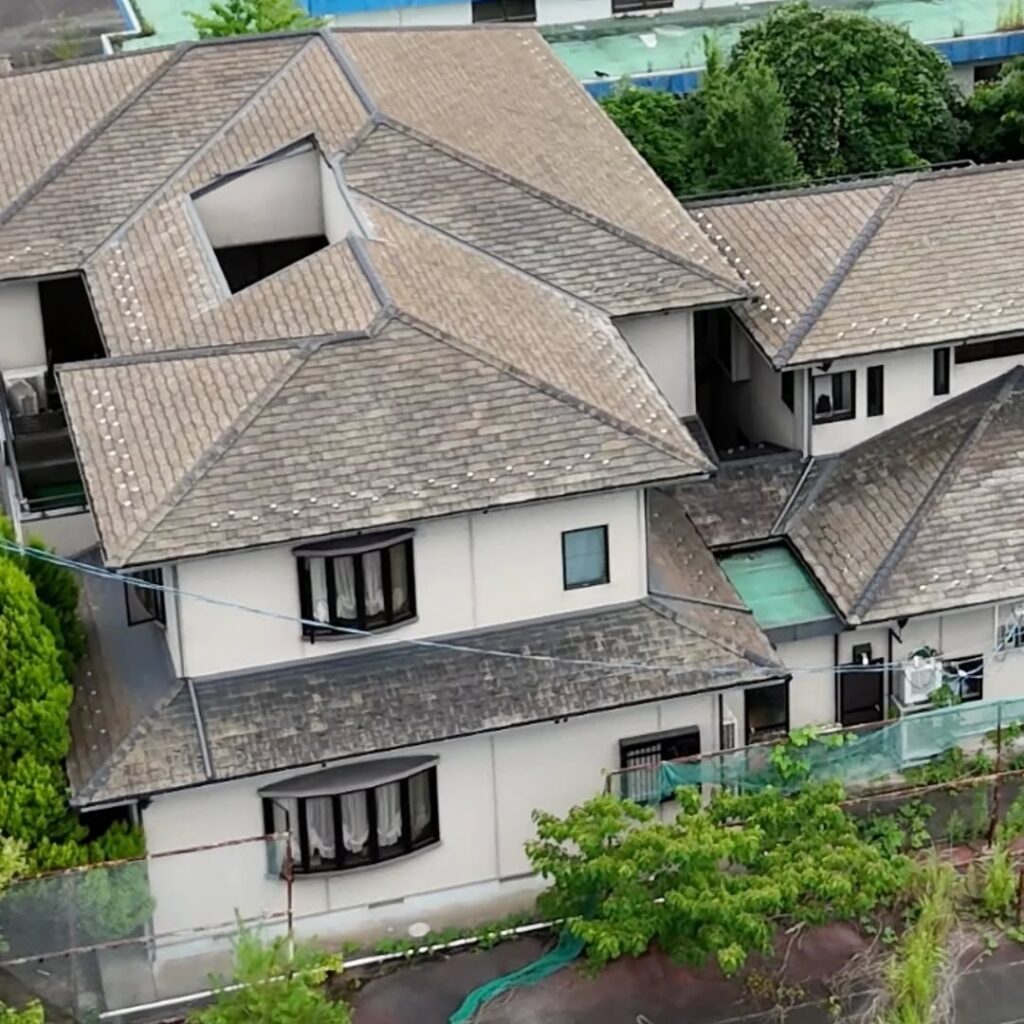
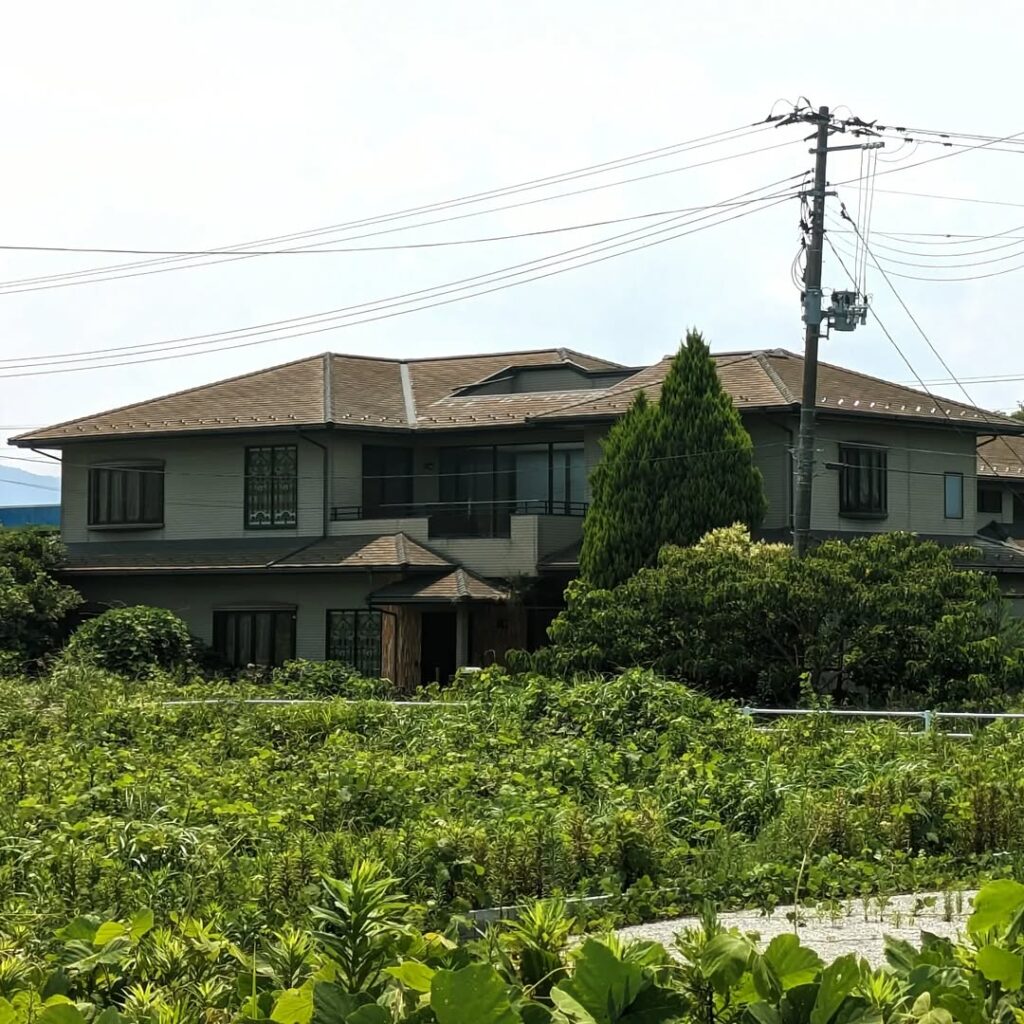
Not a château in the European sense, not an abandoned castle from a forgotten era — but a sprawling, modern luxury estate that would look at home in the wealthiest neighborhoods of Tokyo. Multi-story. Immaculately built. The kind of home that signals serious money.
And it’s been sitting empty since the afternoon of March 11, 2011.
What Was Left Behind
The House Itself
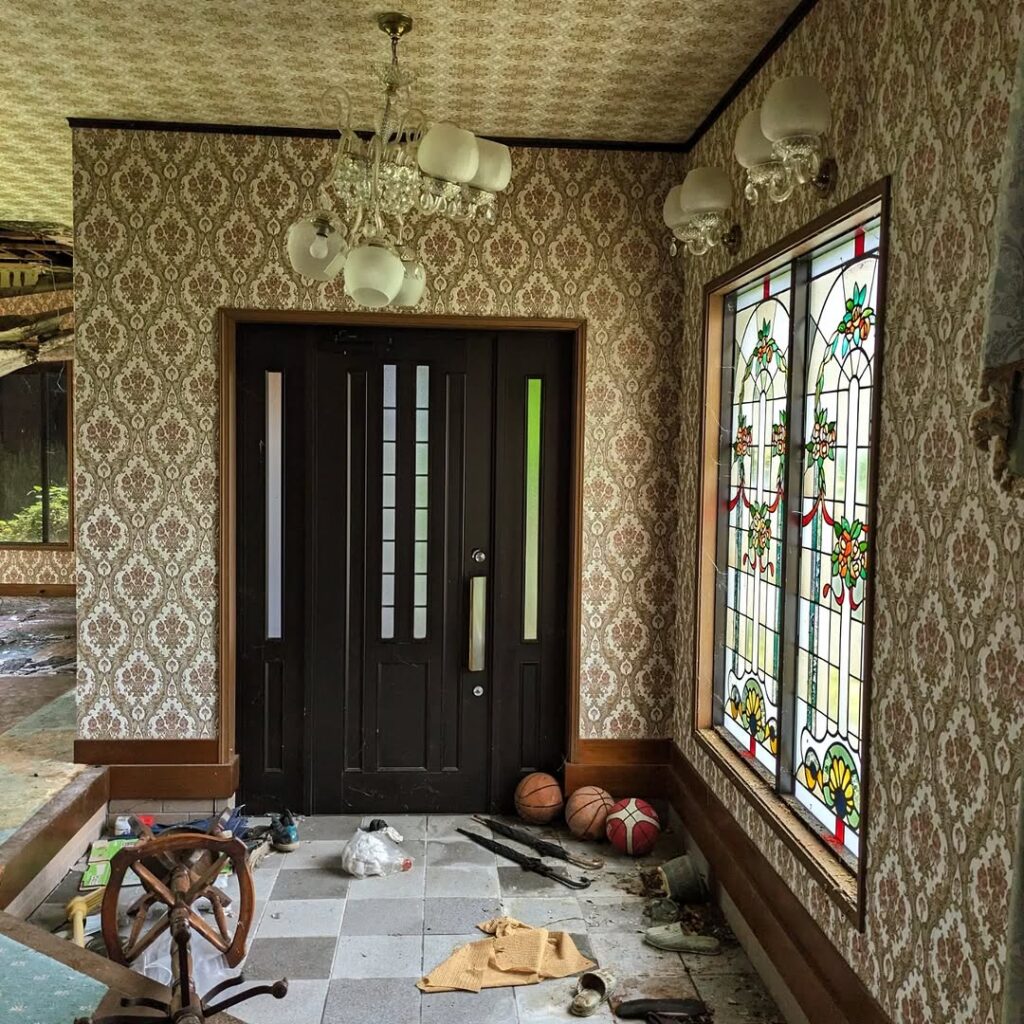
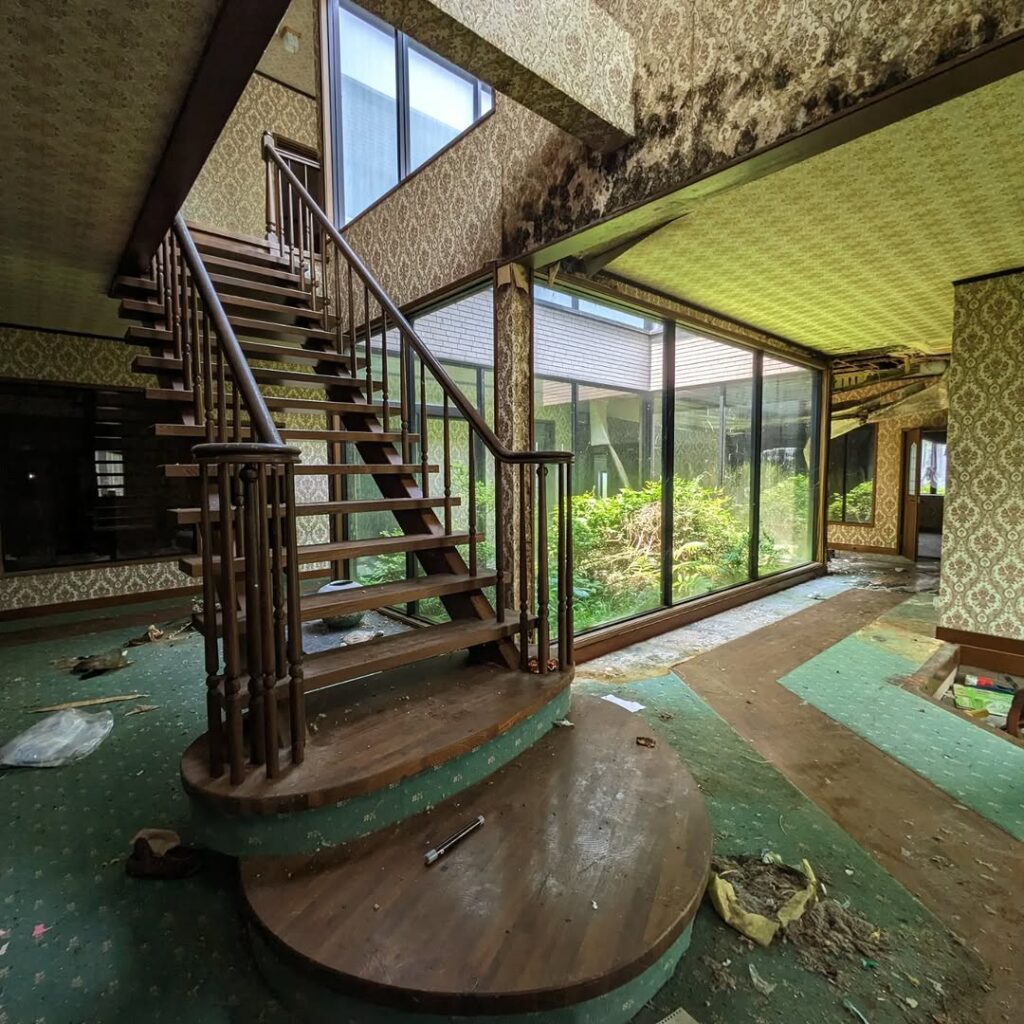
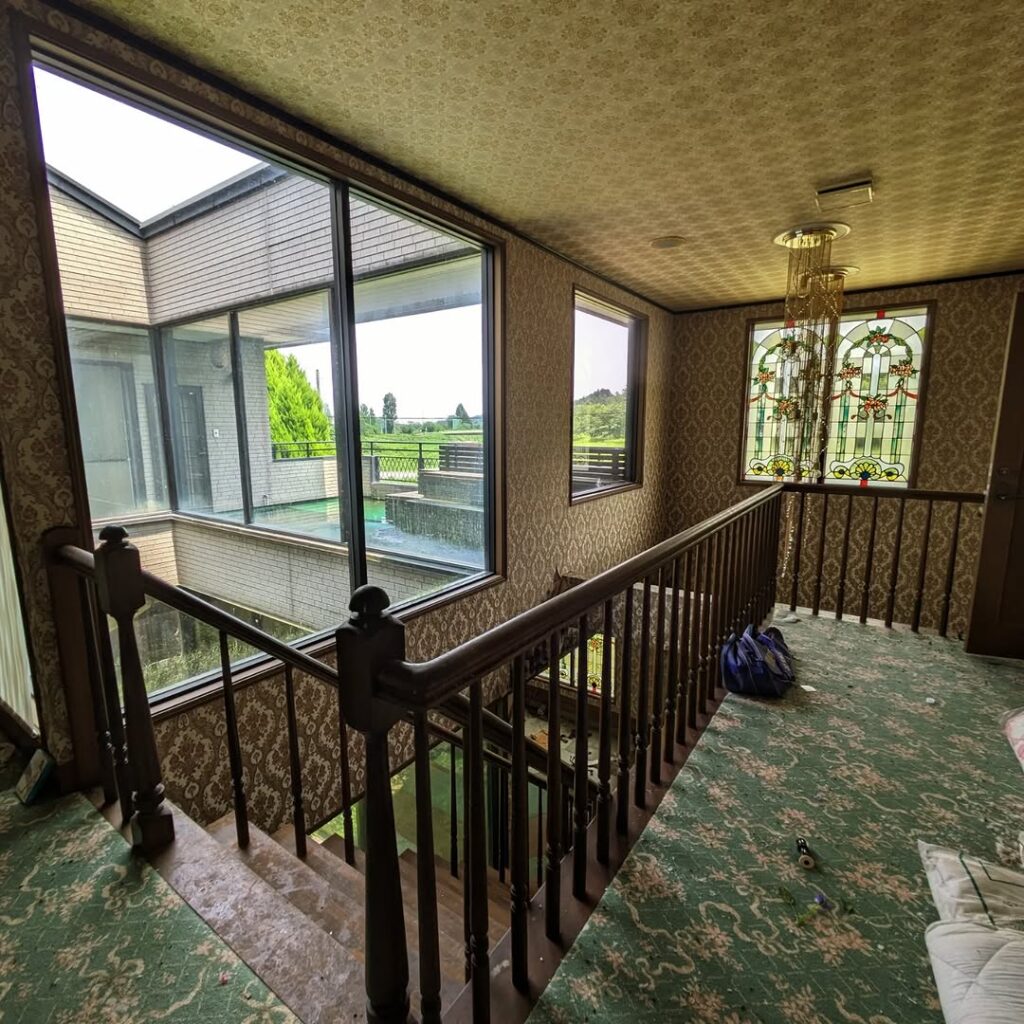
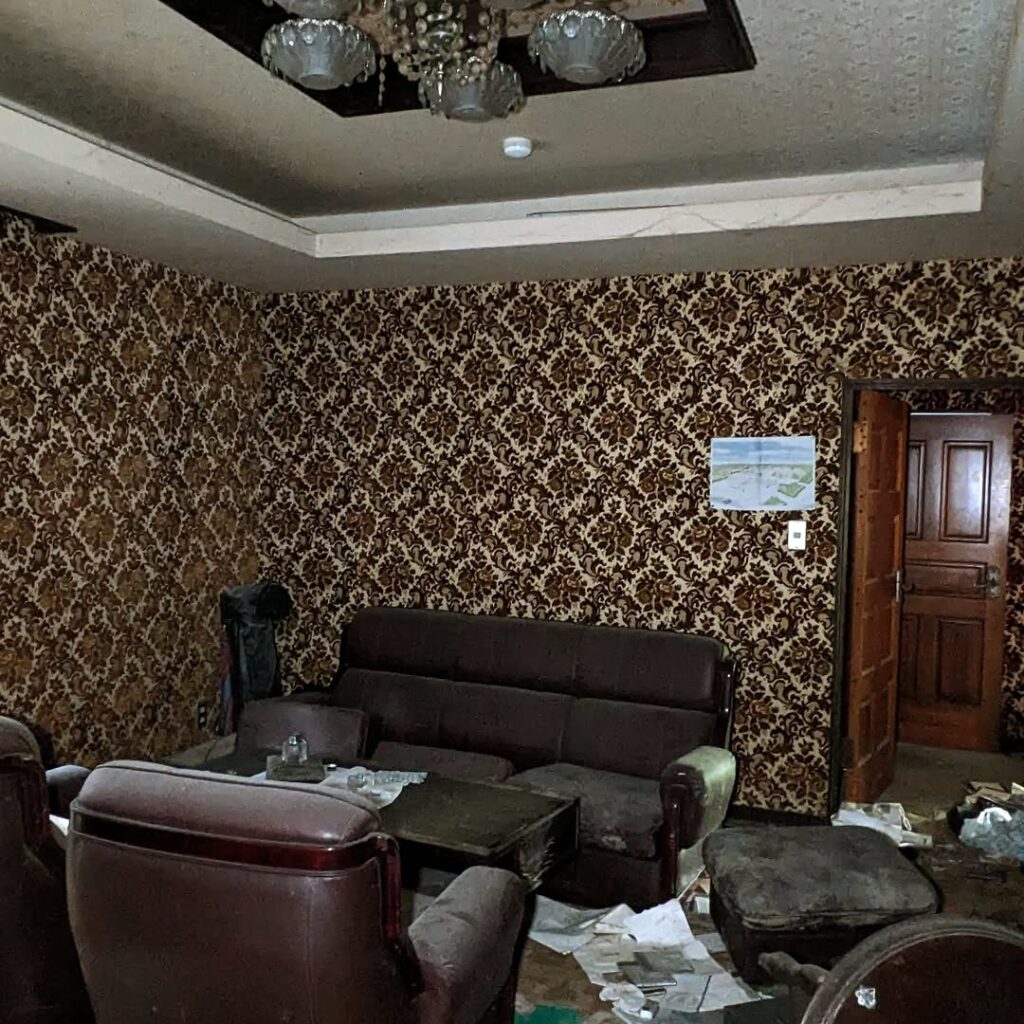
Walk through the front door — or rather, imagine walking through it — and you step into a time capsule.
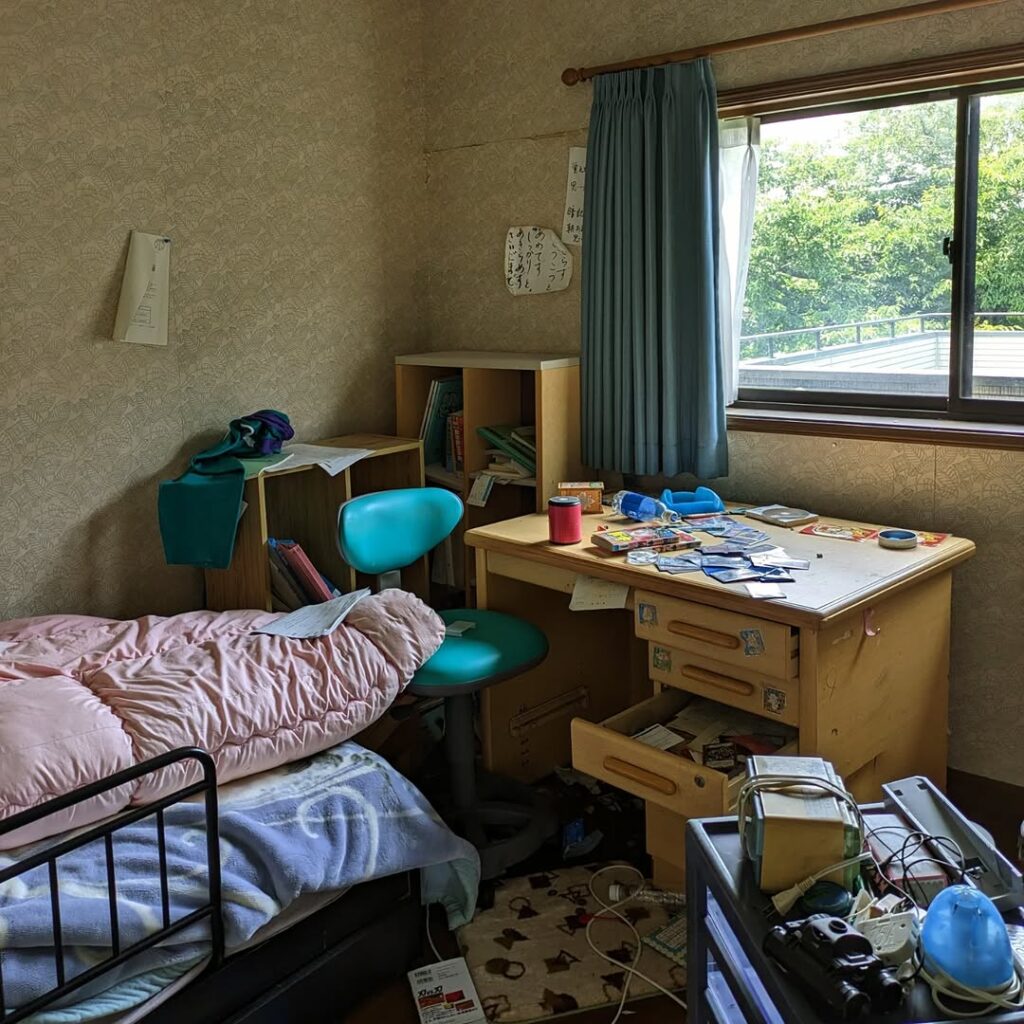
Clothes still hang in wardrobes. Not folded away in storage. Hanging, as if someone just got dressed that morning and stepped out. Shoes are lined up near the entrance. Personal items sit on countertops. Phones — old by today’s standards — rest on tables where someone set them down and never picked them back up.
The dust is thick now. Fifteen years of it. It coats every surface in a fine grey layer, muffling the detail beneath. The silence is the kind you feel in your chest.
The Money
Cash was left in the house.
Not tucked in a safe or hidden under a floorboard. Just… there. Left in the rush and panic of an evacuation that gave the family almost no time to think. When you’re told you have minutes to leave and you don’t know if you’re ever coming back, your mind doesn’t go to wallets and savings. It goes to people. To surviving.
The money stayed.
The V12 Mercedes in the Garage
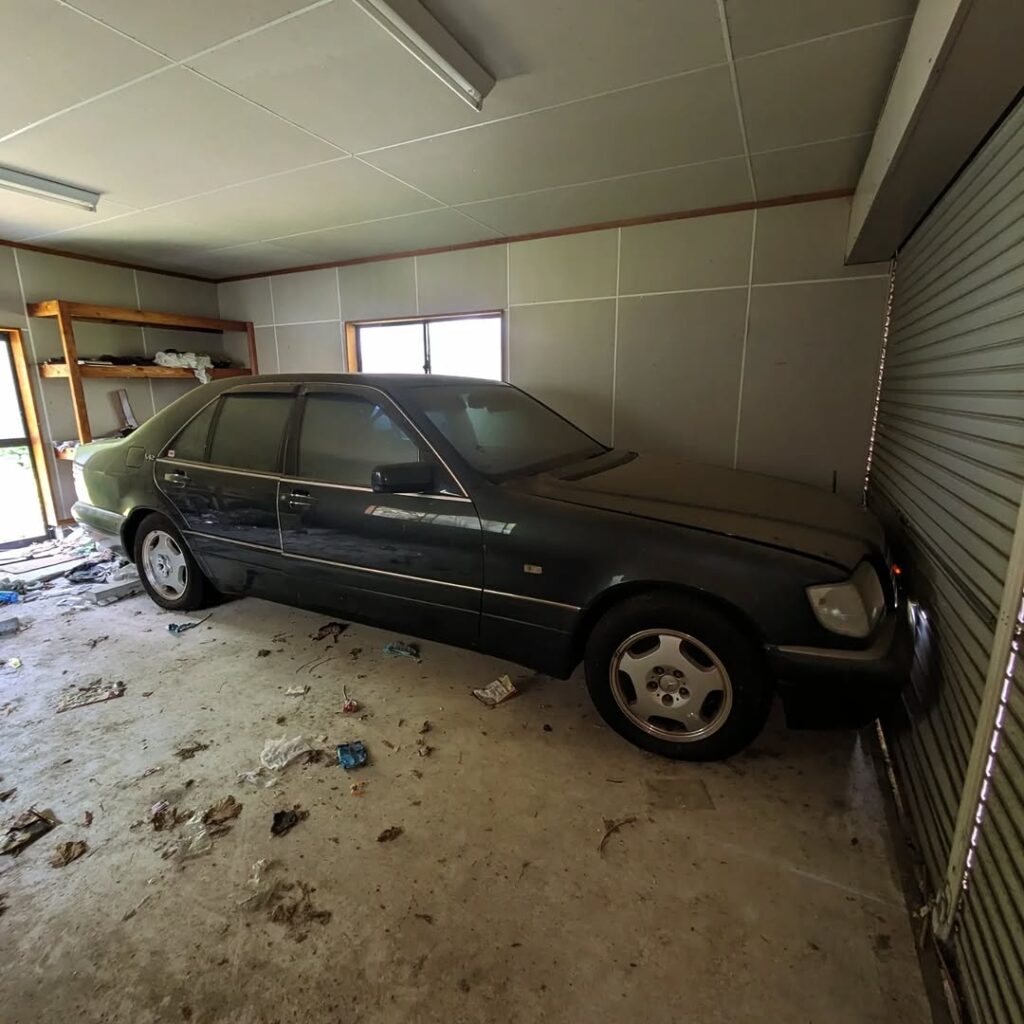
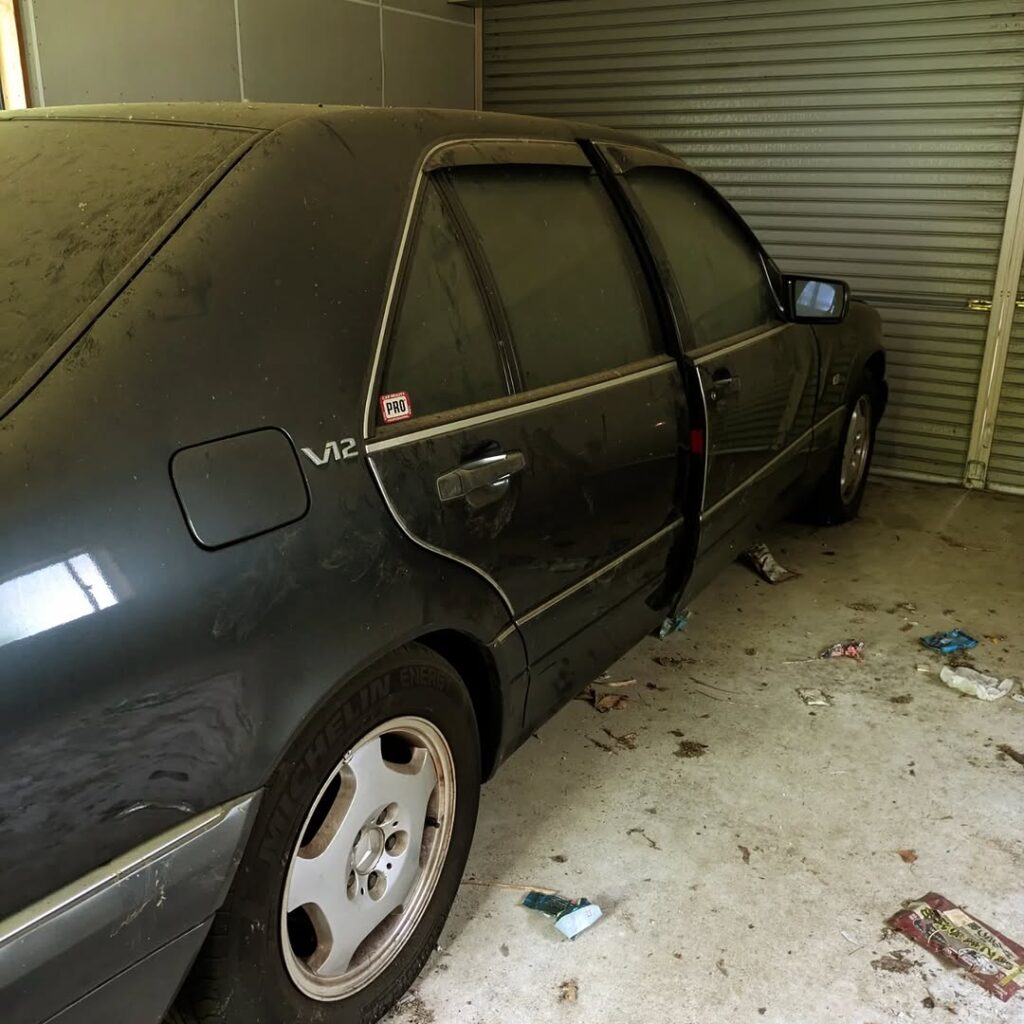
Open the garage door and there it is.
A V12 Mercedes-Benz. One of the most expensive production cars ever built by the German marque, sitting on flat tyres in a shuttered garage in the Fukushima exclusion zone. Covered in a thin film of dust and years of sitting still, but otherwise intact.
It hasn’t moved since 2011.
Cars like this represent more than transportation — they’re statements. Someone in this household was deeply successful. This wasn’t a family living paycheck to paycheck. This was wealth, real wealth, abandoned in an afternoon.
For fans of forgotten estates and abandoned luxury properties, very few discoveries anywhere in the world match this one for sheer emotional weight.
The Dental Clinic Next Door
Here’s where the story gets even stranger.
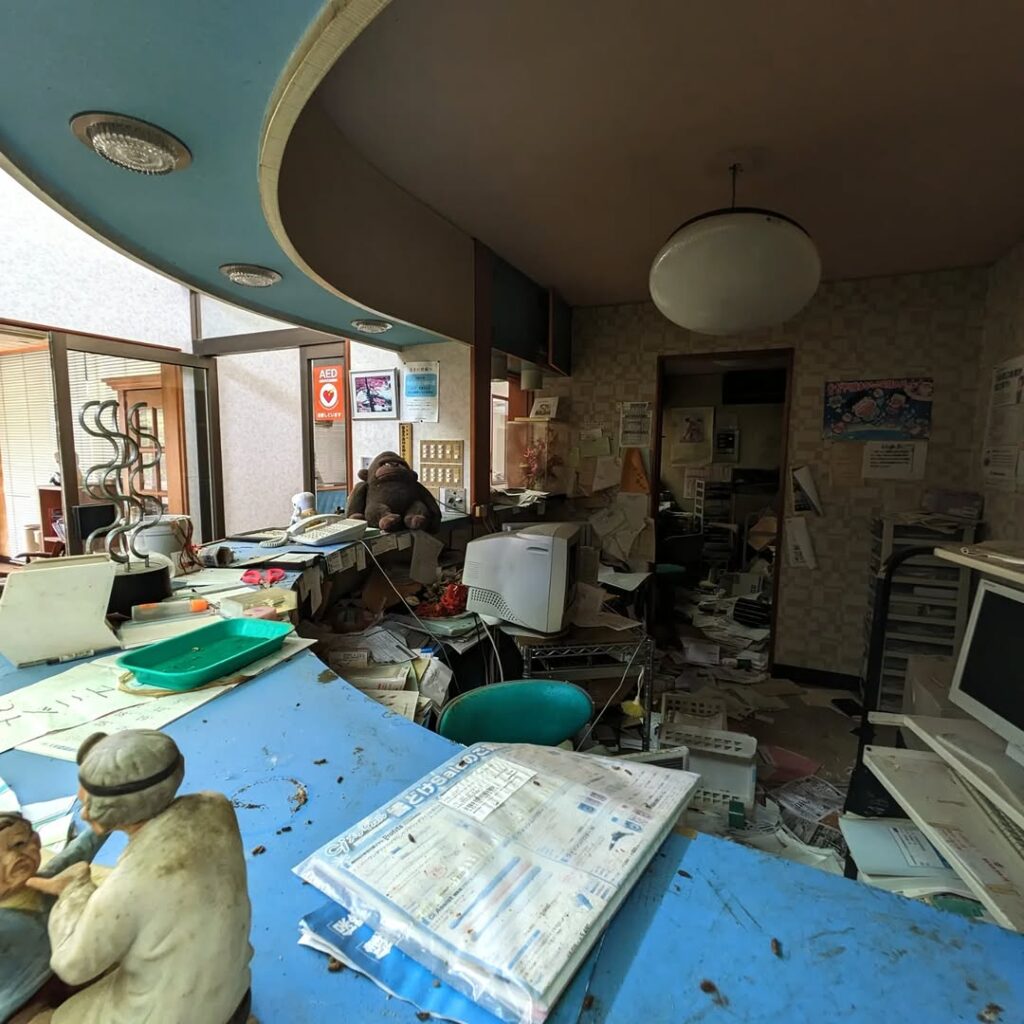
Right next door to the mansion — and owned by the same family — sits a dental clinic. A fully equipped, professionally furnished dental practice that was, by all appearances, open for business on the morning of March 11, 2011.
The Equipment
Everything is still there.
Dental chairs. X-ray machines. Sterilization equipment. Files and patient records. The tools of a precise, skilled profession, all arranged exactly as they were left.
Some appointments were half-finished when the evacuation order came. The clinical setup — instruments laid out, equipment positioned — suggests the workday was simply interrupted. Not ended. Interrupted.
The Gold and Silver
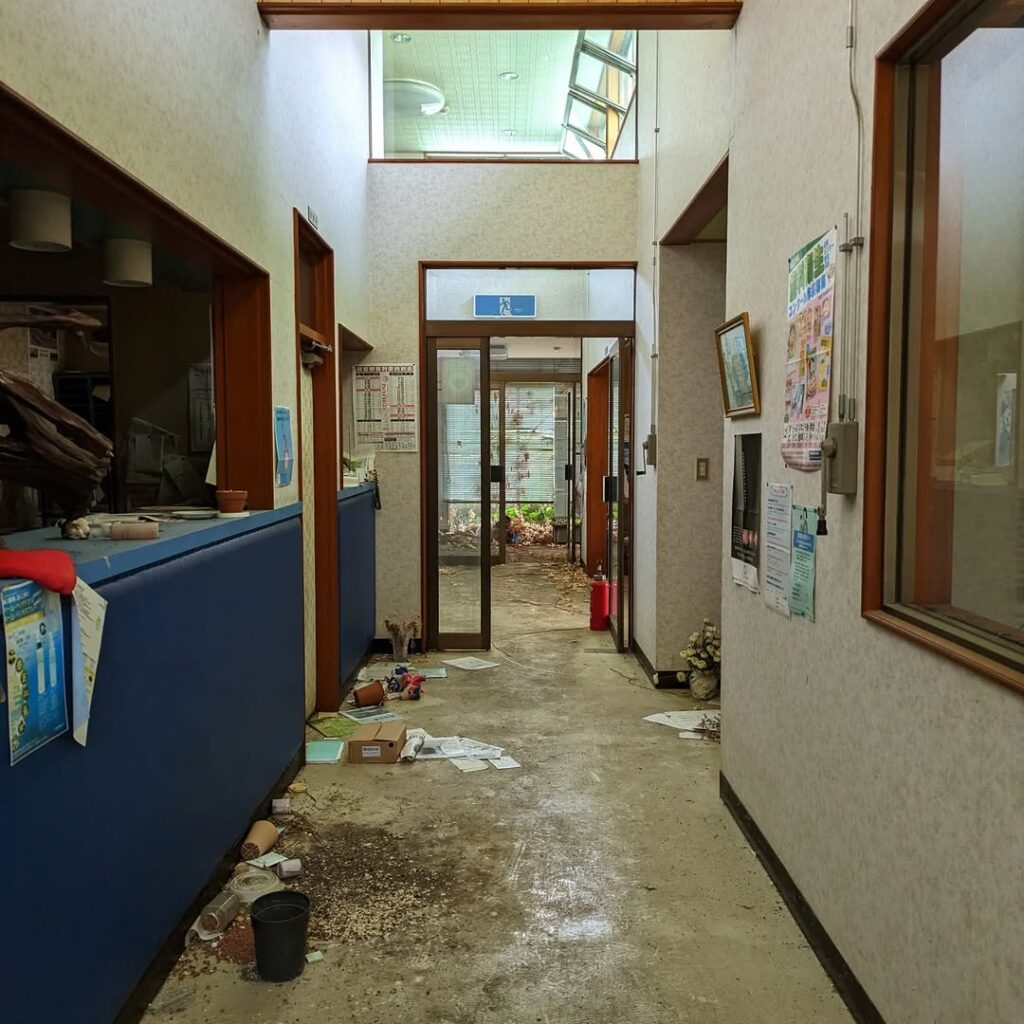
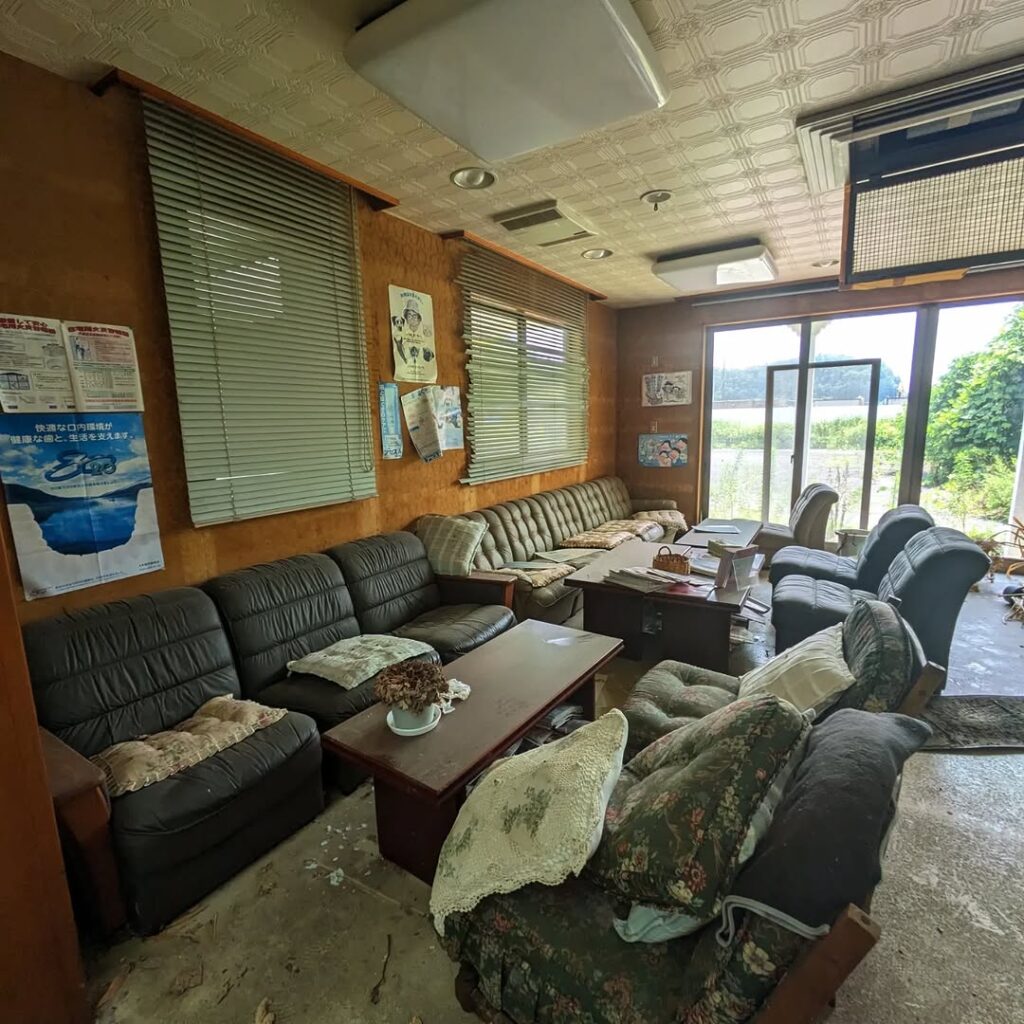
Among the most striking details are the materials used in dental work.
Gold and silver — used in fillings, crowns, and dental bridges — were left behind in the clinic. These aren’t decorative items. In dentistry, precious metals have always played a role in restorative work, particularly in Japanese dental practice where gold alloys have been widely used for decades. What was left in that clinic has real monetary value, sitting untouched in an abandoned building inside a radiation exclusion zone.
Life Inside the Fukushima Exclusion Zone Today
The exclusion zone has changed significantly since 2011.
Parts of it have been decontaminated and reopened. Some former residents have returned — a trickle, not a flood. Radiation levels in many areas have dropped to ranges that authorities consider manageable, though debates continue about long-term safety.
But large portions of the zone remain off-limits.
The town where this mansion sits is one of those places. The official designation has shifted over the years — from “evacuation order” zones to various categories of restricted or difficult-to-return areas — but the practical reality for this property hasn’t changed. The family hasn’t come back. The house still stands. The clinic still sits beside it.
For those interested in the broader world of forgotten places and abandoned buildings across Asia, the Fukushima zone represents something unique. It’s not just abandonment caused by poverty, disaster, or neglect. It’s an entire community — frozen by an invisible force, a release of energy that no eye can see and no photograph can capture.
Why the Family Hasn’t Returned
It’s a question worth sitting with.
The home clearly belonged to people of significant means. The dental practice was a professional enterprise — not a side hobby, but a livelihood. Returning to this area, for many, isn’t simply a matter of wanting to.
Several factors have kept former residents away, even where re-entry has been permitted:
- Radiation uncertainty. Even in decontaminated areas, trust is slow to rebuild. Many residents — especially those with children or elderly family members — remain unwilling to risk it.
- Infrastructure collapse. Shops, hospitals, schools, and community networks were dismantled by the evacuation. Returning means returning to a ghost town, not a community.
- Property damage. Fifteen years of neglect, wildlife intrusion, weather, and (in coastal areas) tsunami damage have rendered many properties structurally unsafe.
- Psychological weight. There’s something deeply human about not wanting to return to the place where your former life sits under a layer of dust. For many survivors, it’s easier — emotionally — to let it go.
The World Nuclear Association’s overview of Fukushima’s recovery timeline offers detailed context on how the decontamination process has unfolded and which areas remain restricted.
The Architecture of a Lost Life
A Different Kind of Abandoned Property
Urban explorers and historians of forgotten estates have catalogued thousands of abandoned properties around the world. Crumbling châteaux in rural France. Forgotten castles on British hillsides. Overgrown plantation homes in the American South.
What makes this Fukushima mansion different isn’t its age or architectural grandeur. It’s the completeness of what was left.
Most abandoned properties empty out over time. People come back for their things. Scavengers take what’s valuable. Nature strips the rest. It’s a gradual process.
Here, the evacuation happened so fast, and the restrictions remained so tight for so long, that the property stayed almost perfectly sealed. What was inside on March 11, 2011, is largely still inside today. It’s not a ruin in the traditional sense. It’s a moment — a single afternoon — preserved.
Frozen in Time
That phrase gets used a lot when people describe abandoned places. But here, it’s genuinely accurate.
The clocks — literal and metaphorical — stopped on the same day, the same hour. Across the entire exclusion zone, thousands of homes, businesses, schools, and farms were sealed at the same moment in history. It creates something unlike any other abandoned place on Earth: not a gradual fading, but a single, sharp cut.
What Responsible Exploration Looks Like
It’s worth being clear: the Fukushima exclusion zone, or what remains of it, is not a tourist attraction. Entry into restricted areas without authorization is illegal under Japanese law and genuinely dangerous in some locations where radiation levels remain elevated.
The stories that reach the public — including this one — come from journalists, documentary filmmakers, and authorized researchers who have worked within proper legal frameworks to document what was left behind.
If you’re fascinated by the world’s most remarkable abandoned places, there are hundreds of legally accessible sites across Asia, Europe, and beyond that offer the same sense of wonder without the legal or safety risks.
Respect the zone. Respect the people who were forced to leave it.
Conclusion
The Fukushima abandoned mansion is more than a curiosity. It’s a monument to the speed at which ordinary life can be interrupted — and the strange, aching beauty of what gets left behind.
A V12 Mercedes on flat tyres. Cash on a table. Dental gold sitting in a clinic that never had its last appointment. Clothes still waiting in a wardrobe for someone who isn’t coming back.
Fifteen years have passed since March 11, 2011. The dust has settled — literally — over everything inside. And yet somehow, through all of it, the Fukushima abandoned mansion remains exactly as it was. A house that time simply forgot to finish.
Frequently Asked Questions
Is the Fukushima abandoned mansion real? Yes. It’s a documented property located inside the former Fukushima Daiichi exclusion zone. The mansion and the dental clinic next door were left behind during the emergency evacuation of March 2011.
Can you visit the Fukushima abandoned mansion? The property is inside a restricted zone. Unauthorized entry is illegal and potentially dangerous. Only journalists, researchers, and government-authorized personnel are permitted access to restricted areas.
What was found inside the Fukushima mansion? Among the documented contents: clothing, personal items, cash, mobile phones, and a V12 Mercedes-Benz in the garage. The adjacent dental clinic contained professional equipment, patient records, and gold and silver dental materials.
Why didn’t the family take their belongings? The evacuation order came with almost no warning. Residents were instructed to leave immediately, with the expectation — for many — that they would return within days. The nuclear crisis extended that timeline indefinitely.
What happened to Fukushima residents after the evacuation? Nearly 200,000 people were displaced. Many were relocated to temporary housing across Japan. Some have since returned to areas that have been decontaminated and reopened; others have resettled permanently elsewhere and never returned.
Is the Fukushima exclusion zone still active? Partially. Decontamination work has allowed some areas to reopen since 2011. However, certain zones near the plant remain off-limits due to persistent radiation levels and are classified as difficult-to-return areas by the Japanese government.