Introduction: A Mansion Nobody Wanted
The gates are rusted shut. The driveway is swallowed by weeds. Somewhere behind a tangle of overgrown oak trees, a $10 million mansion sits completely empty — its chandeliers still hanging, its grand staircase still intact, and its story still largely untold.
This is not a ruin in some forgotten corner of Europe. This is a real, enormous estate that someone built with extraordinary wealth — and then, for reasons that still raise questions, simply walked away from.
Now, after years of silence, the abandoned mansion for sale listing has finally appeared. And the world is paying attention.
If you’ve ever felt that strange pull toward a crumbling estate — that mix of curiosity, sadness, and wonder — then you already understand why this story matters.
The First Glimpse: What the Property Looks Like Today
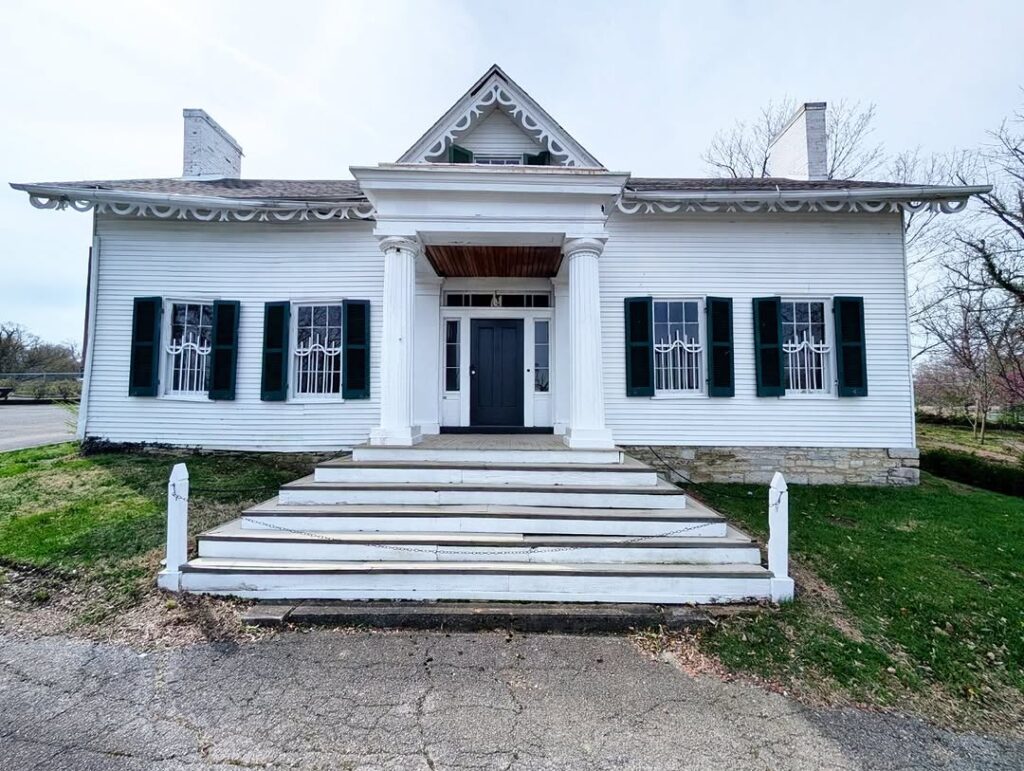
Step through the iron gates and the first thing you notice is the silence.
Not peaceful quiet. Something heavier. The kind of silence that tells you a place has been holding its breath for a very long time.
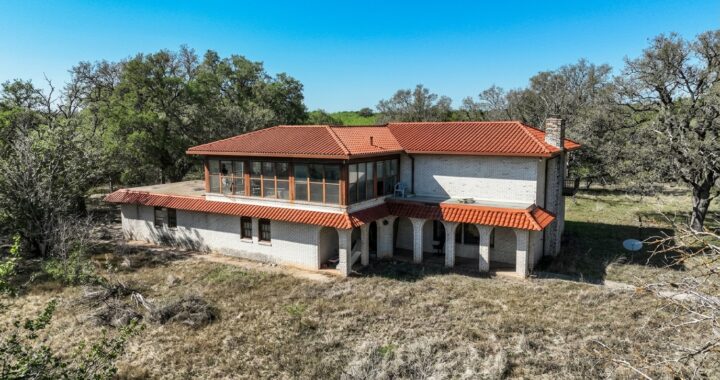
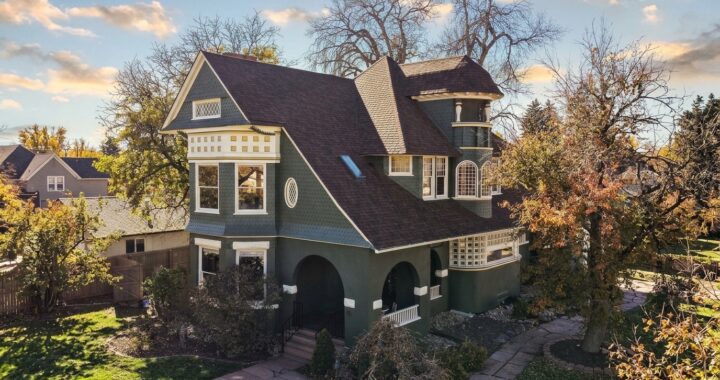
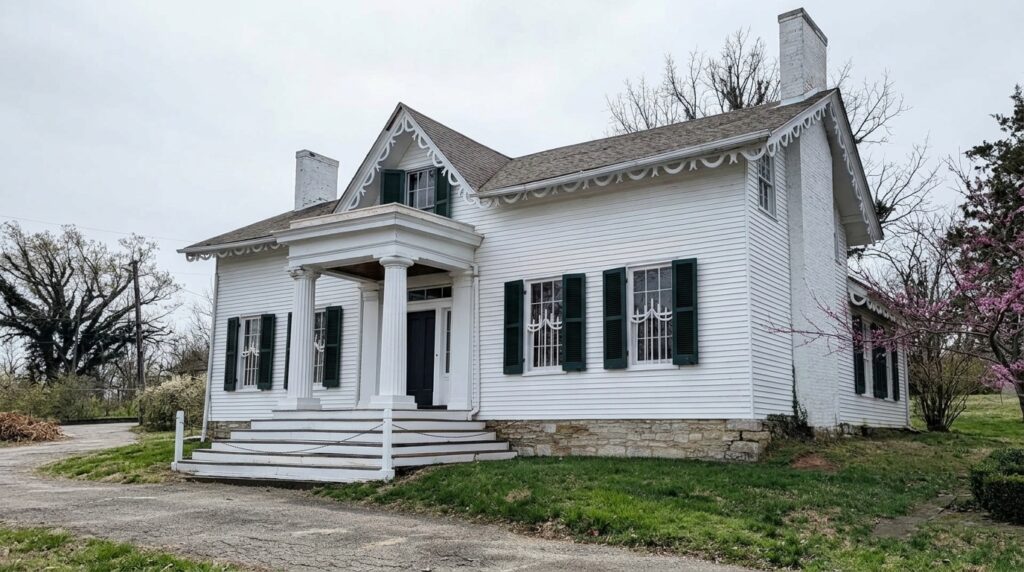
The mansion itself is enormous. Multiple stories rise above the tree line, with a roofline that shifts between French château influence and American Gilded Age grandeur. Wide stone steps lead to a front door that hasn’t been opened in years. The paint on the exterior shutters has long since peeled away, leaving the raw wood cracked and grey.
Inside — based on the listing photos and documented walkthroughs — it’s a different world entirely.
What’s Still Standing Inside
Remarkably, most of the interior has survived intact:
- A sweeping dual staircase in the main foyer, still structurally sound
- Original hardwood floors running through every major room, warped slightly from moisture but visually stunning
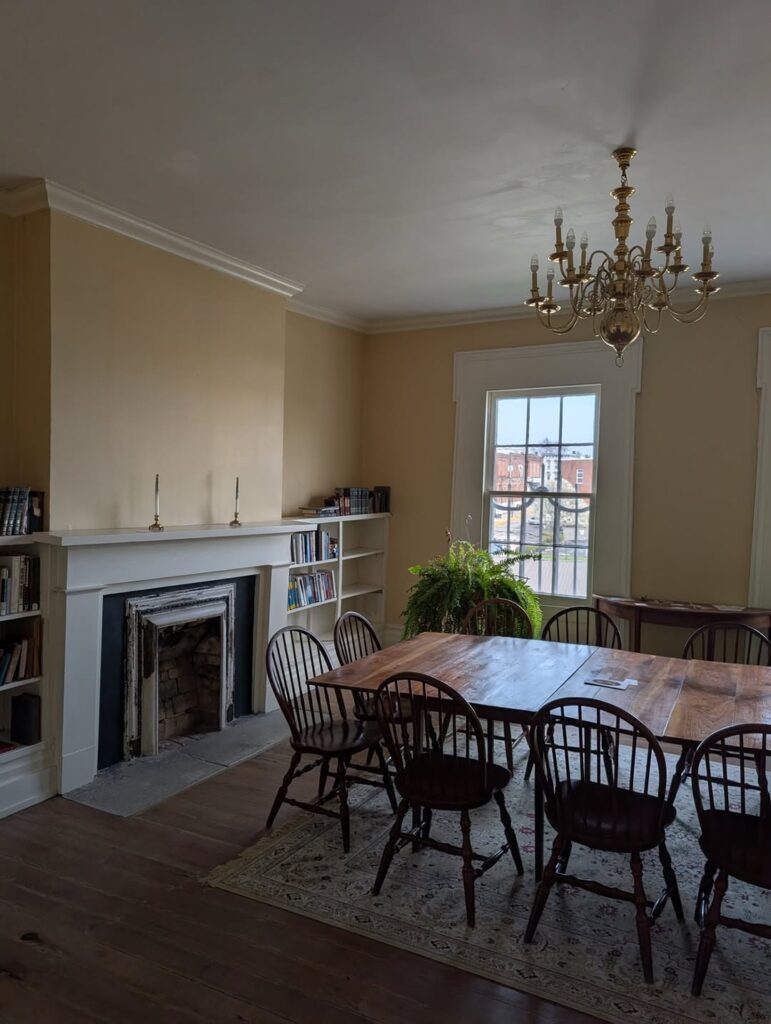
- Ornate plasterwork ceilings in the formal dining room and library
- A ballroom with floor-to-ceiling windows overlooking an abandoned garden
- Seven fireplaces, each with hand-carved marble mantels
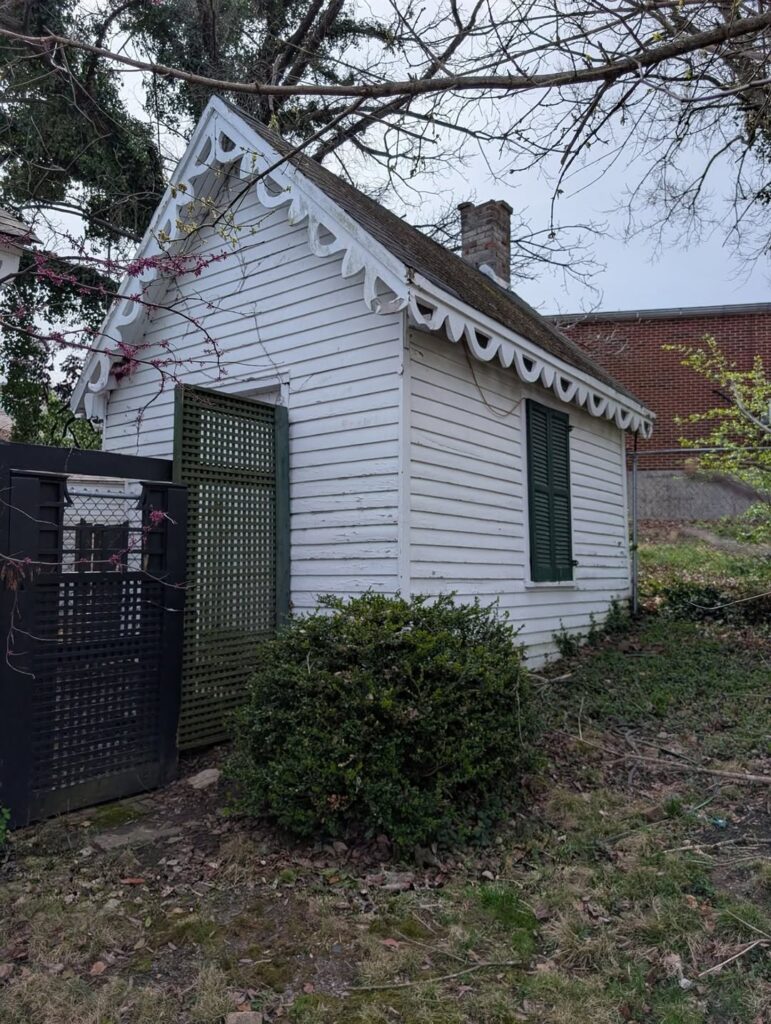
- A carriage house on the property, now used by birds and nothing else
The scale is difficult to process. This wasn’t a rich person’s weekend home. This was someone’s vision of permanence — built to last generations.
H2: The History Behind the Abandoned Château
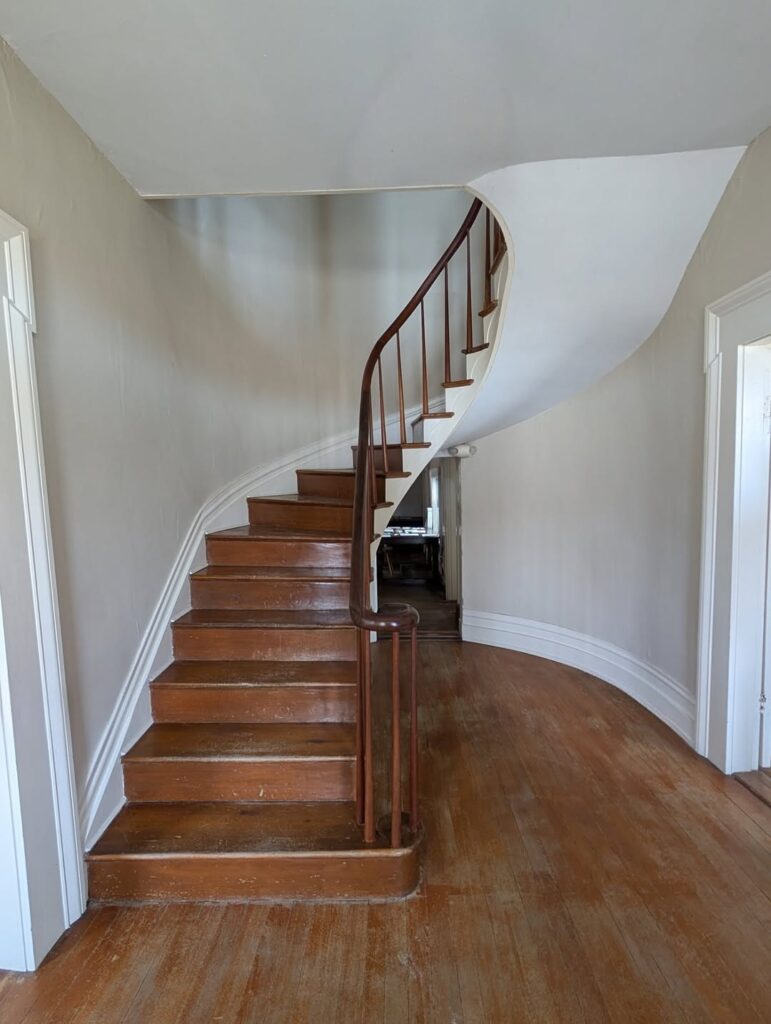
Every forgotten estate has a beginning. This one started with money, ambition, and the kind of confidence that only extreme wealth produces.
The mansion was constructed in the early twentieth century, during a period when American industrialists and financiers were competing to outbuild one another. The Gilded Age had already given the country Newport cottages and Hudson Valley estates, and this property was very much in that spirit — a statement of arrival dressed in stone and marble.
The original owner commissioned the home as a primary residence for his family. Architects were brought in from the East Coast. Craftsmen were hired from Europe. No material was too expensive; no detail was considered too small.
For several decades, the estate functioned exactly as intended. Parties were held. Children grew up in its hallways. The grounds were carefully maintained by a full staff.
Then the family’s circumstances changed.
The Decline Begins
The exact sequence of events varies depending on the source, but the broad outline is consistent. A combination of financial losses, family disputes, and eventually death reduced the household until no one was left who could — or wanted to — maintain it.
The staff left. The maintenance stopped. The gardens went wild.
And the house, without anyone to care for it, began its slow retreat into itself.
By the mid-twentieth century, the estate had passed through several hands. Each new owner had plans. Each plan fell through. The property was too large to maintain casually, too expensive to restore properly, and too historically significant to demolish without controversy.
So it sat.
For decades.
H2: Why Abandoned Estates Like This Are Becoming Rare
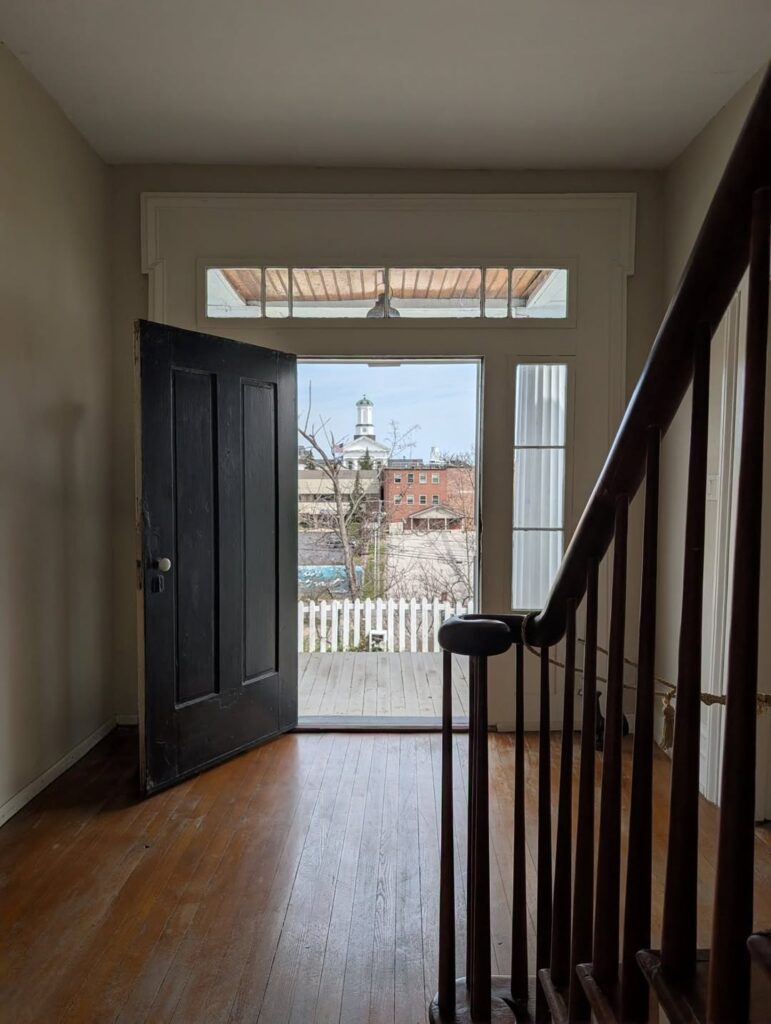
There’s something happening right now in the world of historic preservation that makes this story more urgent than it might seem.
Abandoned estates — particularly those with original interiors intact — are disappearing fast. Some are demolished for development. Others are stripped by vandals before any preservation effort can begin. A few are saved, but the window is often narrow.
According to preservation advocates, properties like this one represent a direct physical link to architectural and social history that simply cannot be recreated. The craftsmanship in a hand-carved marble mantel or a plaster ceiling medallion belongs to a tradition that no longer exists at scale. When these buildings go, that knowledge goes with them.
For urban exploration enthusiasts and history lovers, the listing of a property like this is genuinely exciting — not because of the price tag, but because of what it represents. A chance to intervene before time wins.
If you want to explore more stories like this one, the abandoned estates archive at abandoned.blog covers some of the most fascinating forgotten properties in North America and beyond.
H2: The Mystery That Lingers
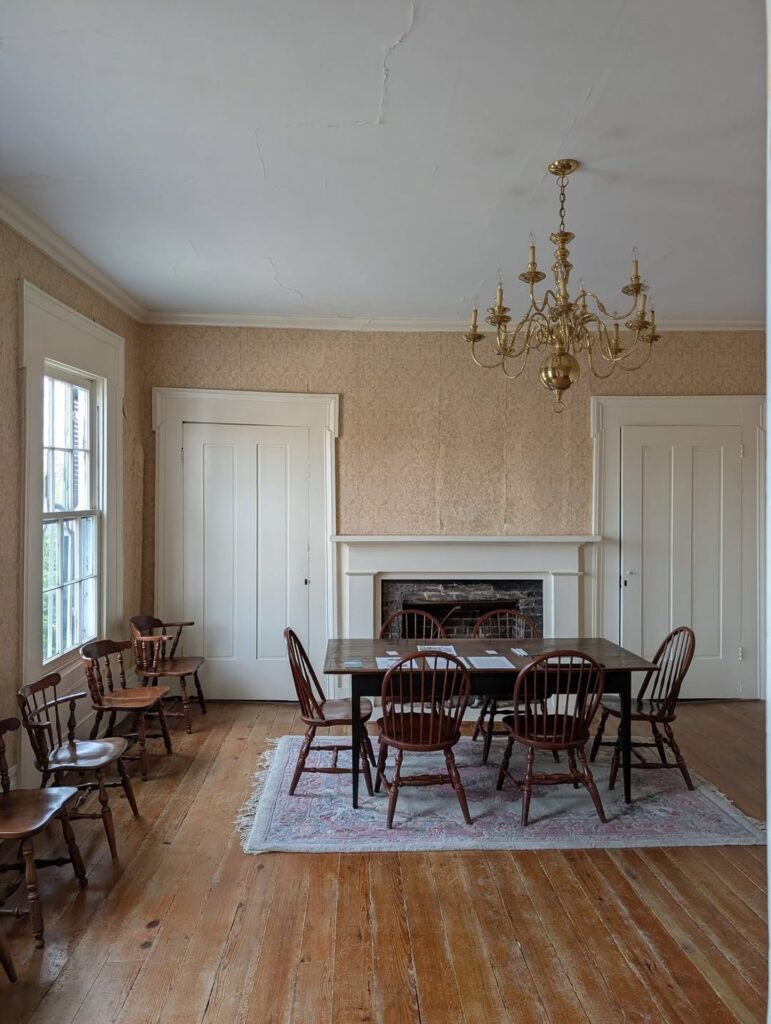
The mansion’s physical condition is one thing. The unanswered questions are another.
Some stories around abandoned properties are clean: a family fortune collapsed, a house was left, end of chapter. This one isn’t quite that simple.
The Furniture Nobody Took
Among the most striking details noted by those who’ve documented the property: much of the original furniture is still inside.
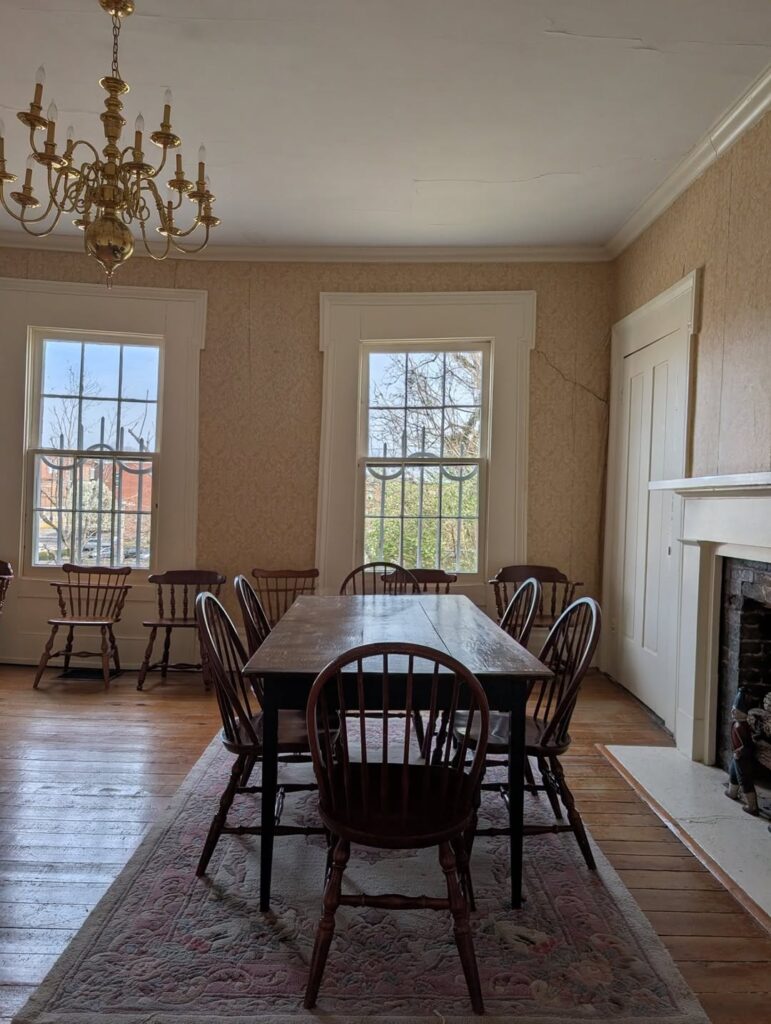
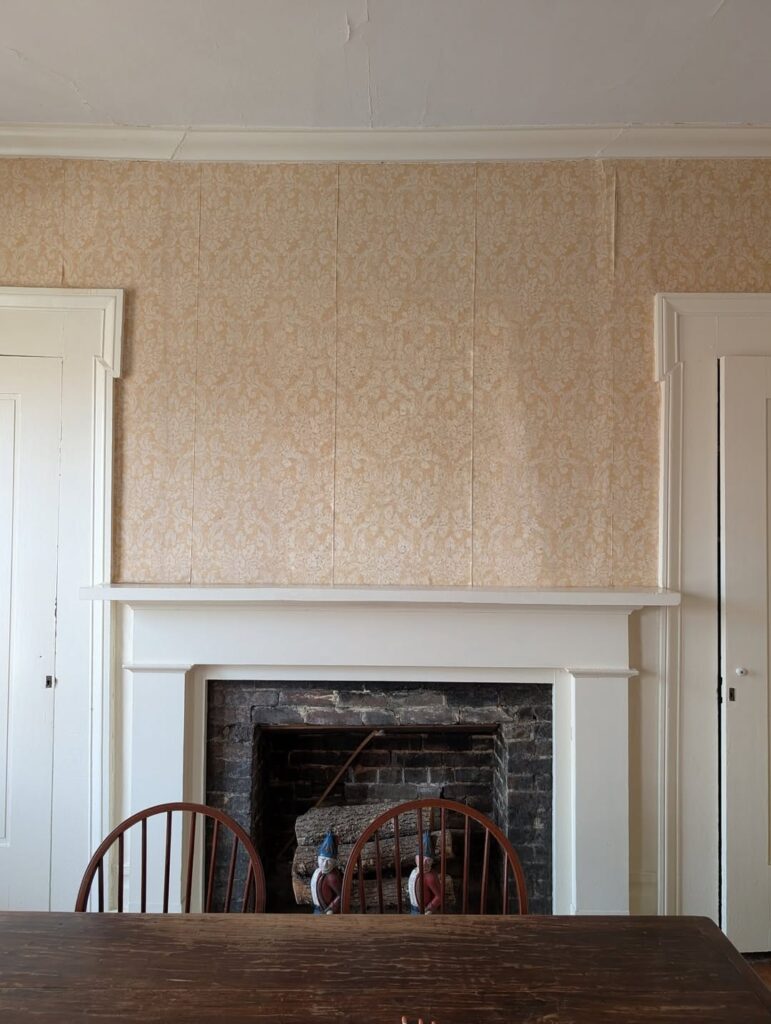
Not reproductions. Not cheap fill-in pieces. Original period furniture — some of it likely custom-made for the home — sits exactly where it was placed a century ago. Chairs face empty fireplaces. A dining table still holds a tarnished candelabra. In one upstairs bedroom, a writing desk faces a window that looks out over what was once a formal garden.
Why was it never moved?
The most practical answer is that moving it was simply never worth the cost and effort relative to the furniture’s value. But that explanation feels incomplete when you see the pieces in question.
Sealed Rooms and Rumored Secrets
Multiple accounts mention rooms that remained locked or inaccessible during early explorations of the property. A locked door in a large abandoned estate is not unusual — keys get lost, hinges seize, floors become unsafe. But when a house has been empty for decades and certain rooms remain sealed, imagination fills the gap.
Whether those rooms hold anything unusual is unknown. What’s certain is that the property has accumulated layers of story — some documented, some whispered, none entirely resolved.
H2: The Architectural Legacy Worth Preserving
Set aside the mystery for a moment and focus on the building itself.
This mansion is, by any serious architectural measure, exceptional.
Design Influences and Style
The structure draws from several traditions common to early twentieth century American estate architecture:
- Beaux-Arts classicism — seen in the symmetrical facade, the elaborate stonework, and the formal proportions
- French château influence — evident in the steep roof pitch and the vertical tower elements
- English country house interiors — reflected in the wood-paneled library and the service wing layout
This kind of stylistic layering was deliberate. Wealthy clients of this era often wanted their homes to signal European refinement while asserting American scale. The result is a building that doesn’t belong neatly to any single tradition — and is more interesting for it.
For anyone interested in this architectural moment, the National Trust for Historic Preservation maintains extensive resources on estates from this period and the ongoing effort to document and protect them.
The Grounds
The estate itself extends well beyond the main house. Historical records suggest the original landscape design included:
- Formal gardens with geometric hedge layouts (now overgrown)
- A reflecting pool (now dry and cracked)
- A greenhouse structure (partially collapsed)
- Walking paths through a managed woodland (now wild)
- A separate staff quarters building (still standing)
Restoring the grounds to any version of their original state would be a multi-year project. But the bones are there. The layout is still visible beneath the overgrowth, the way an old painting is sometimes visible beneath a newer one.
H2: Now It’s for Sale — What Happens Next?
The listing has changed everything.
For years, the estate existed in legal and financial limbo — owned but untouched, valued but unmarketable. Now, with an asking price in the range of $10 million, it’s formally re-entered the world.
That price sounds enormous. For a property this size and age, in this condition, it’s actually not unreasonable — particularly for a buyer who understands what they’re acquiring. The land value alone is substantial. The historical significance adds another layer. And the intact interiors, rare as they are, represent something genuinely difficult to put a number on.
Who Buys a Property Like This?
In the current market, buyers for estates like this tend to fall into a few categories:
- Historic preservationists — individuals or organizations committed to restoration for its own sake
- Boutique hotel developers — who see the potential for a high-end hospitality property
- Private collectors — wealthy buyers who want a project and the prestige of owning something truly unique
- Film and media productions — who use estates like this for location work while funding basic maintenance
Each of these outcomes carries different implications for the property’s future. A boutique hotel conversion, for example, would likely involve significant structural changes. A private buyer committed to preservation might restore it closer to its original state.
The Risk of Doing Nothing
There’s also a fourth option: the property sits again. The listing expires. Years pass.
This outcome — while less dramatic than a sale — is arguably the most damaging. Every year without active maintenance is another year of water intrusion, structural movement, and material loss. The plaster ceilings that survived a century of neglect won’t survive indefinitely.
If you’re drawn to stories of places caught between past and future, there’s no shortage of them. The forgotten estate stories on abandoned.blog document properties at every stage of this journey — some saved, some lost, some still waiting.
H2: What Makes This Story Different
Hundreds of properties sit abandoned across the country. What makes this one worth writing about?
Honestly? It’s the combination of factors.
The size is striking — most abandoned properties at this scale have either been demolished or converted. The interior condition is exceptional — original furnishings in an abandoned property of this age are genuinely rare. And the architectural quality is undeniable — this was built by serious craftspeople using serious materials, and much of it has endured.
But beyond the physical facts, there’s something harder to quantify.
There’s a particular feeling that settles over you when you look at photographs of a place like this. It’s not quite sadness. It’s not quite wonder. It’s something between the two — a recognition that a great deal of human effort, aspiration, and life is contained in those walls, and that it’s fragile.
Impermanence is built into every structure. But some structures resist it longer, and more gracefully, than others.
This mansion has been resisting for a long time.
Conclusion: The Abandoned Mansion for Sale That Deserves a Second Chance
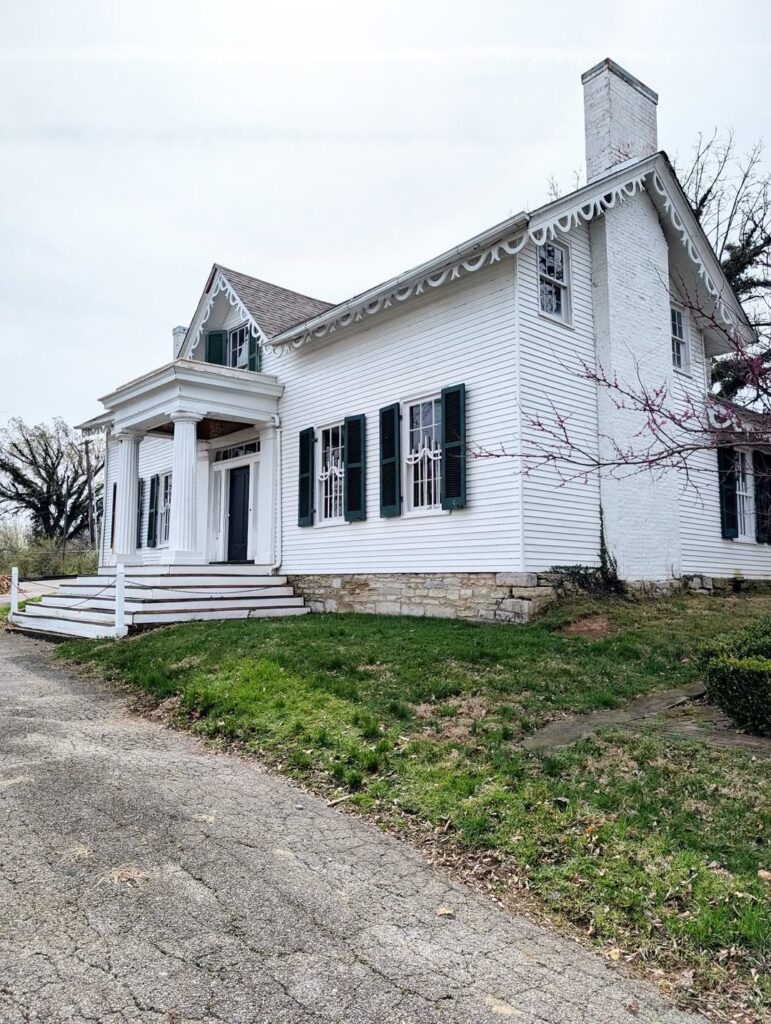
The story of this abandoned mansion for sale is, in the end, a story about time.
Time that built something extraordinary. Time that slowly dismantled the circumstances that kept it alive. And now, potentially, time running out for anyone who wants to see it survive.
Whether it sells quickly or sits for another decade, this estate will continue to fascinate — because places that carry this much history and mystery always do. They remind us that the line between preservation and loss is thinner than we like to think.
If this kind of story resonates with you, explore more abandoned properties and their histories at abandoned.blog — where every forgotten place has a story worth telling.
FAQ: Abandoned Mansions and Forgotten Estates
Q: Why do expensive mansions get abandoned?
A: Large estates become abandoned for many reasons — family disputes, financial collapse, legal complications, or simply the cost of maintenance exceeding any practical return. A property that costs hundreds of thousands of dollars per year to maintain can become a liability very quickly.
Q: Is it legal to explore abandoned properties?
A: No — entering an abandoned property without the owner’s permission is trespassing, regardless of how accessible it appears. This article documents what is known from listing records, historical sources, and authorized walkthroughs. Always respect property laws and private ownership.
Q: Can abandoned historic mansions be restored?
A: Yes, and many have been. Restoration is expensive and complex, but it’s entirely possible with the right combination of funding, expertise, and commitment. Several famous American estates have gone from near-ruin to fully restored landmarks.
Q: What architectural style is most common in abandoned American estates?
A: Many large abandoned American estates reflect Beaux-Arts, Italianate, or Colonial Revival styles — all popular among wealthy builders of the late nineteenth and early twentieth centuries.
Q: How do I find abandoned mansions for sale in the US?
A: Specialized real estate listings, county auction records, and preservation organization databases are the best starting points. Sites dedicated to historic and unusual properties also track these listings as they appear.
This article is for informational and historical purposes only. The author does not encourage trespassing or unauthorized access to any private property.