Introduction: A Fortune Left to Rot
The iron gate hangs open. Not broken — just… open. As if someone left in a hurry and never came back.
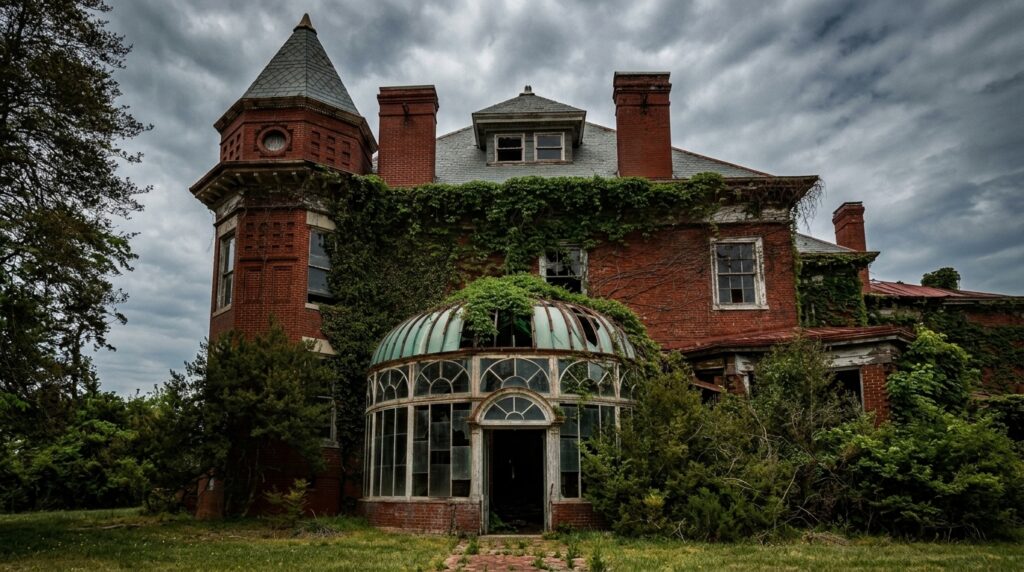
Beyond it, a gravel driveway disappears beneath forty years of weeds. At the end of that driveway stands an abandoned château that real estate experts have quietly valued at over three million dollars. The roof is still mostly intact. The stonework is original. The ballroom ceiling still has its plasterwork medallions.
And yet, nobody lives here. Nobody has for decades.
This is the kind of place that stops you cold. A forgotten estate frozen in time, caught between the world that built it and a modern world that somehow hasn’t claimed it. If you’ve ever been drawn to the quiet tragedy of abandoned places, you already know this feeling. That strange mix of awe and sadness. The weight of all those unlived years.
Let’s go inside.
The Estate: What We Know
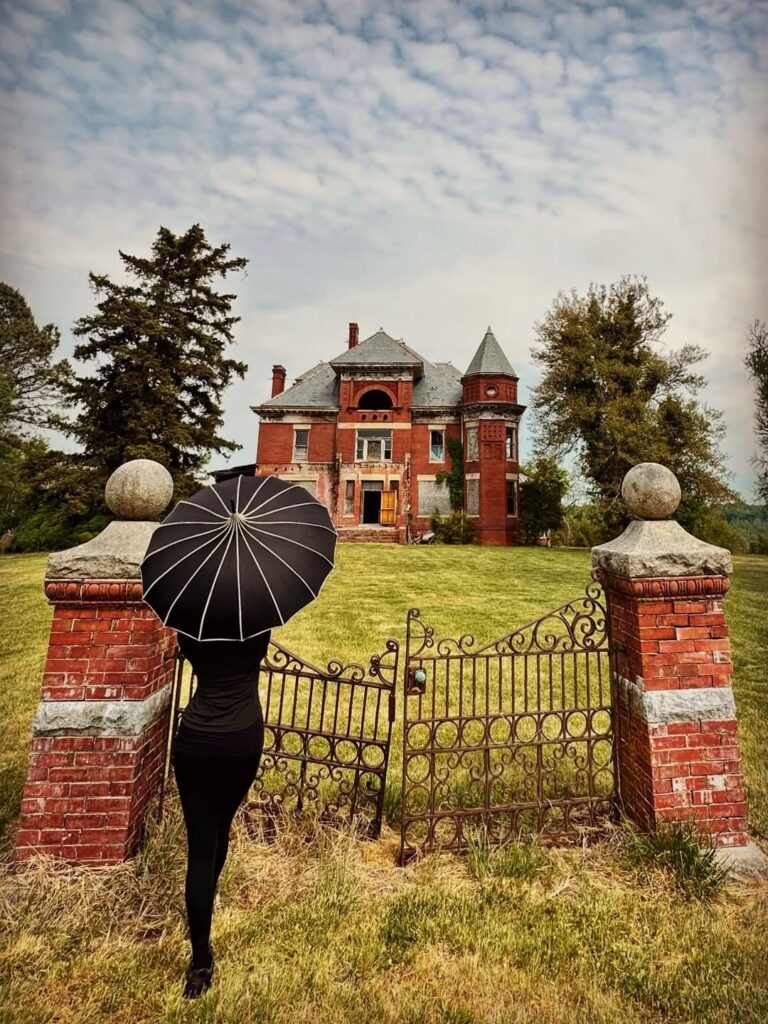
A Property That Defies Logic
On paper, this property should not exist. Not in this condition, anyway.
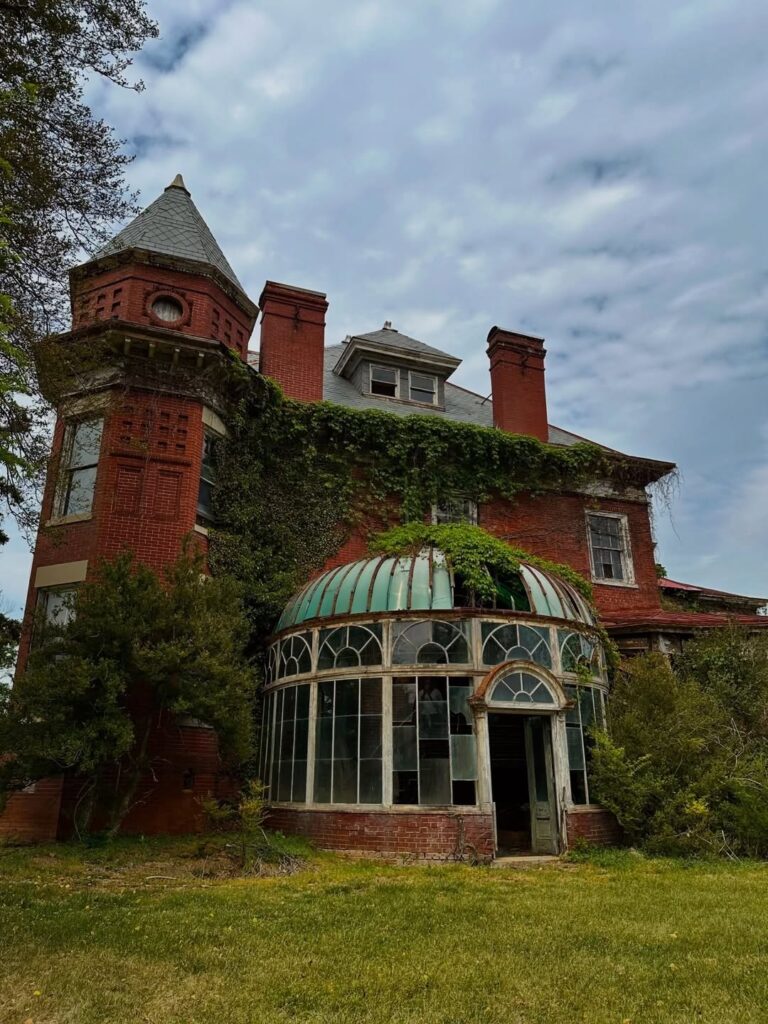
The château was built in the late 1880s for a wealthy industrialist family during the height of European estate construction. It sits on roughly 22 acres of overgrown land. There’s a gatehouse. A stable block. A kitchen garden long since swallowed by brambles. The main house runs to fourteen rooms across three floors, with original oak paneling still lining the study walls.
Structurally, it’s in surprisingly good shape.
That’s what makes it so puzzling. This isn’t a ruin in the romantic, crumbling sense. It’s a forgotten estate that simply… stopped. Like a clock someone forgot to wind.
According to Historic England’s records on listed buildings, properties of this architectural period — particularly those with intact original features — can carry significant heritage listing protections, which partly explains why no developer has bulldozed it. But it also means the restoration requirements are steep. That’s often the trap these places fall into. Too valuable to demolish. Too expensive to restore.
The Architecture That Survived
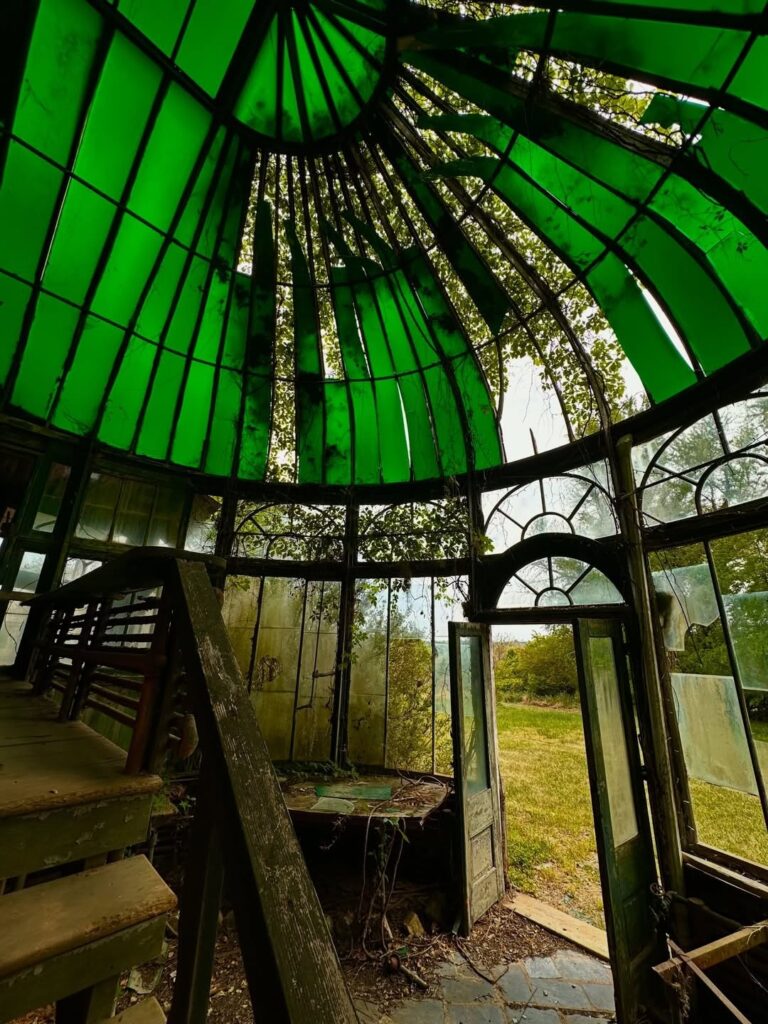
Walk around the exterior and you can still read the ambition of whoever built it.
The façade is dressed limestone, weathered to a pale honey color that glows in afternoon light. The windows are tall and arched, many still with their original leaded glass — remarkable, given the exposure to the elements. Carved stone detailing runs along the roofline: floral motifs, grotesque faces, the kind of decorative stonework that would cost a fortune to reproduce today.
Inside, the entrance hall is the first real gut-punch.
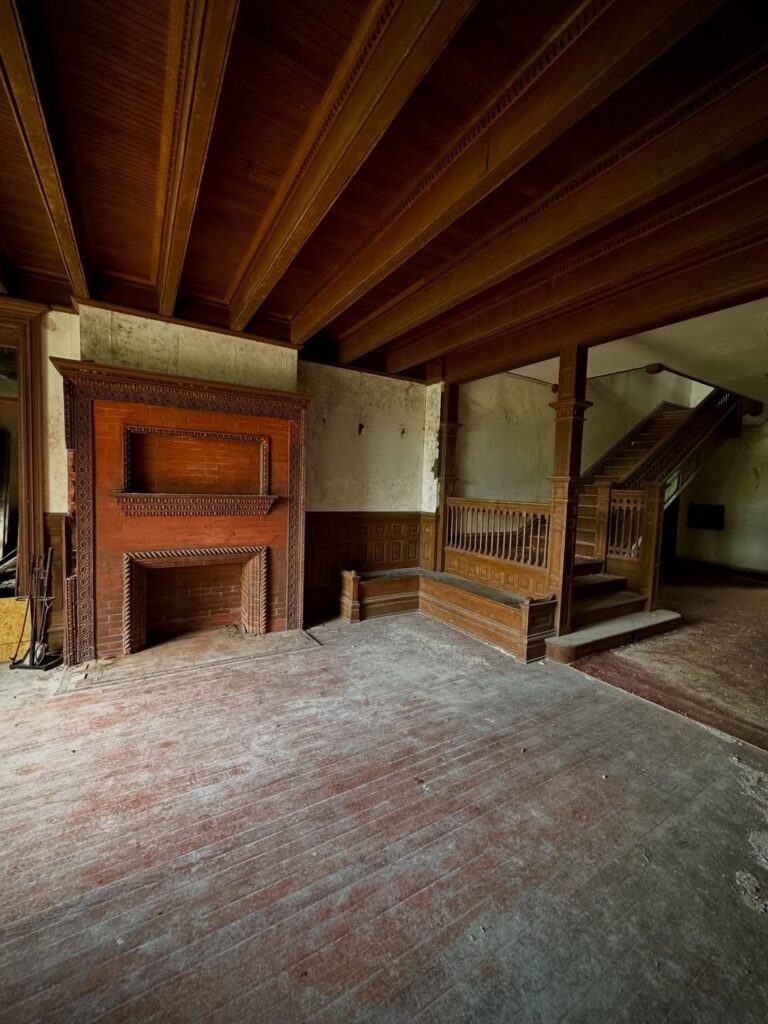
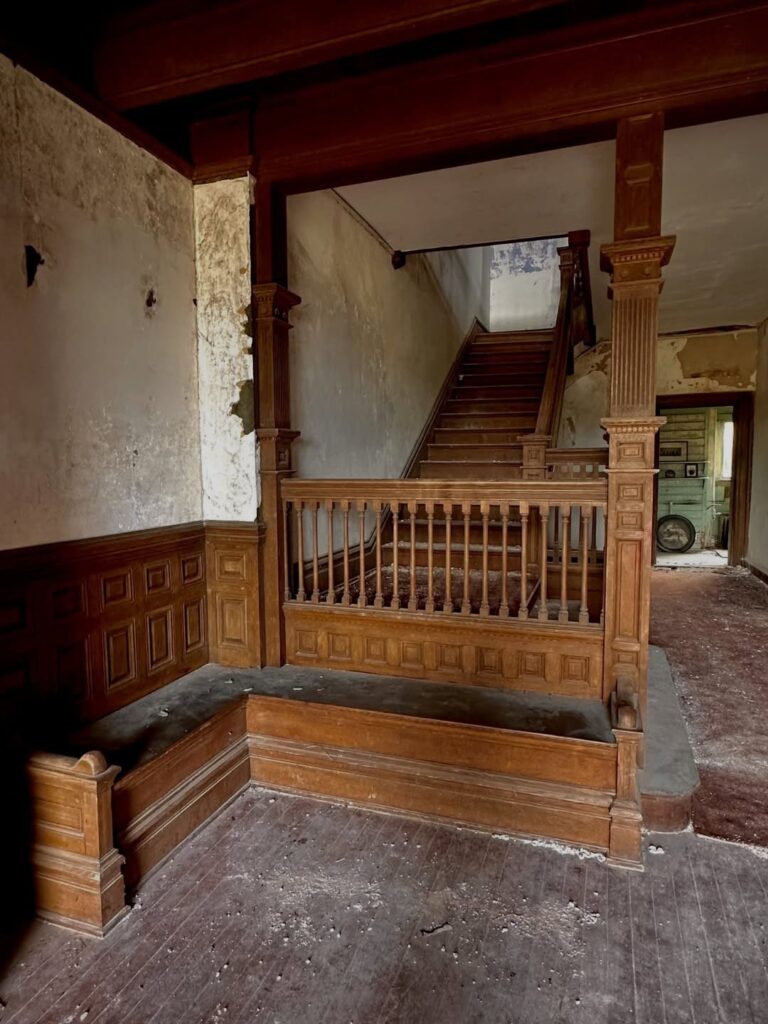
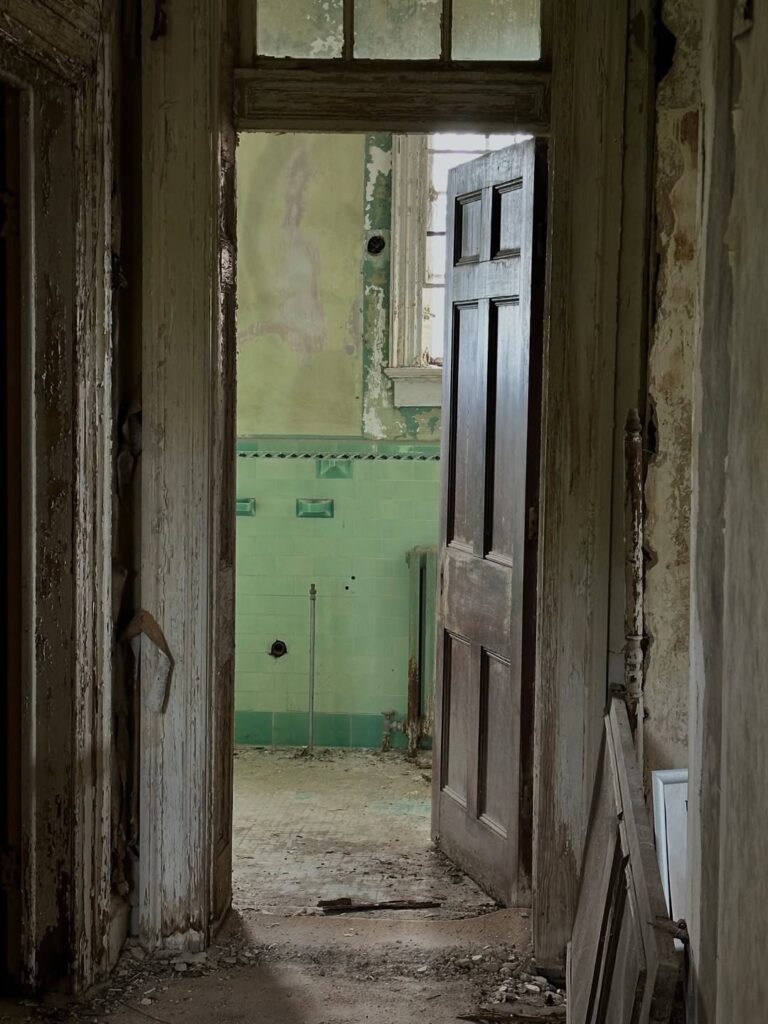
The black-and-white marble floor is intact beneath a thick layer of dust. A grand staircase sweeps upward, its wrought-iron balustrade still solid to the touch. Overhead, a chandelier — or what’s left of it — hangs in silence. Some of the glass droplets have fallen. Others are still in place, catching what light filters through the grime-covered windows.
The air smells of old wood, damp plaster, and something else. Time, maybe.
H2: The History Behind the Abandonment
Who Built It — and Why They Left
The estate changed hands at least four times over the twentieth century. Each owner seemed to have grand plans. None of them stayed long.
The original family — industrialists who made their fortune in textiles — occupied the château until the 1920s. After the patriarch died, the family dispersed across Europe. The house was sold to a minor aristocratic family who used it as a summer residence through the 1930s and into the war years.
During World War II, properties like this were frequently requisitioned. Some were used as military hospitals, officer billets, or administrative centers. The physical toll of that kind of use — combined with the disruption to normal maintenance — left many estates in decline by the 1950s. For those interested in how wartime use shaped the fate of grand houses across Europe, the Wikipedia entry on country house decline in the 20th century gives useful historical context.
By the 1960s, the estate had passed into private ownership again — a businessman who reportedly had plans to convert it into a boutique hotel. Those plans stalled. He died before they materialized, and the property entered a lengthy legal dispute among his heirs.
That dispute, by some accounts, was never fully resolved.
The Legal Tangle That Froze Everything
Here’s where the story gets genuinely strange.
Properties tied up in unresolved inheritance disputes can sit in legal limbo for decades. In some jurisdictions, if no clear heir can be established and the estate has no active administrator, the property can remain effectively frozen — no one authorized to sell it, develop it, or even maintain it properly.
It appears this abandoned château may be exactly that kind of case.
Local historians and property researchers have pieced together a picture of overlapping claims, disputed wills, and at least one international inheritance complication involving heirs on two continents. Every few years, someone files new paperwork. Nothing resolves. The gate stays open, the weeds keep growing, and the three-million-dollar house slowly gathers another year of dust.
H2: Room by Room — What the Forgotten Estate Holds
The Grand Rooms
The formal rooms on the ground floor are the most intact — and the most haunting.
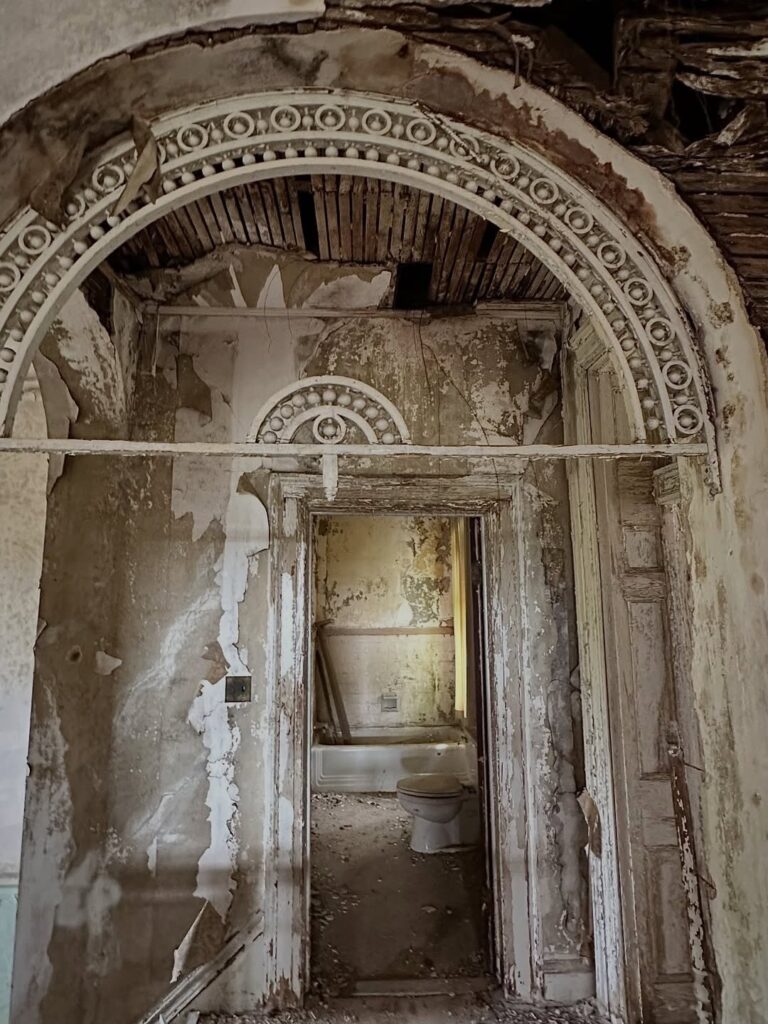
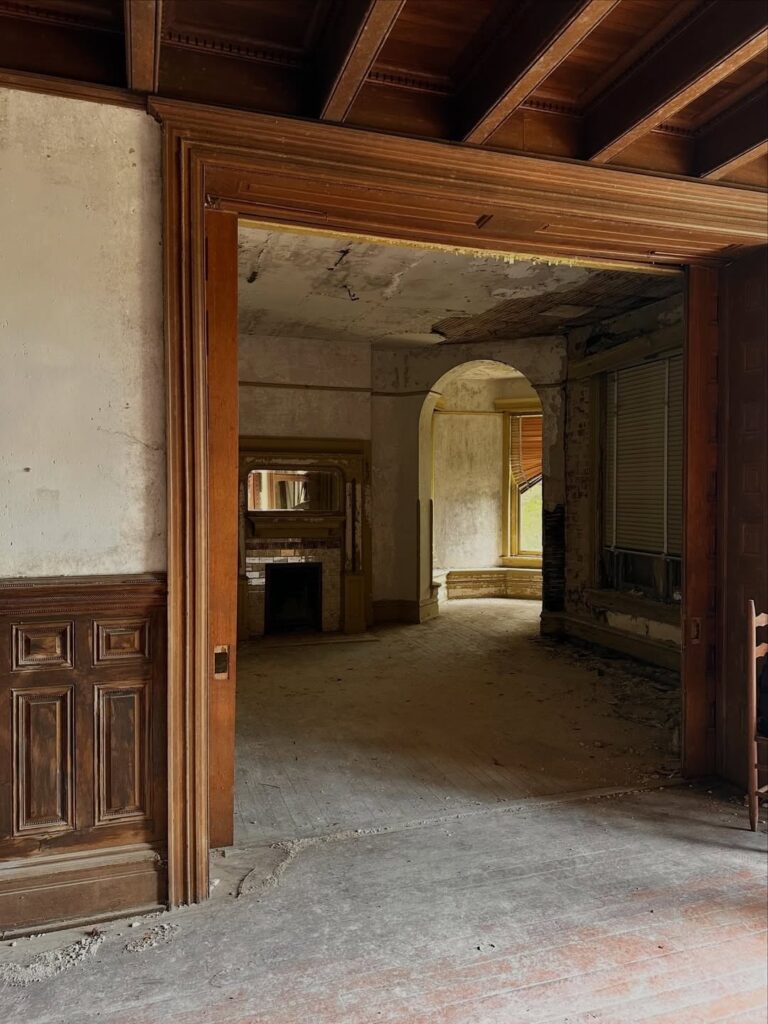
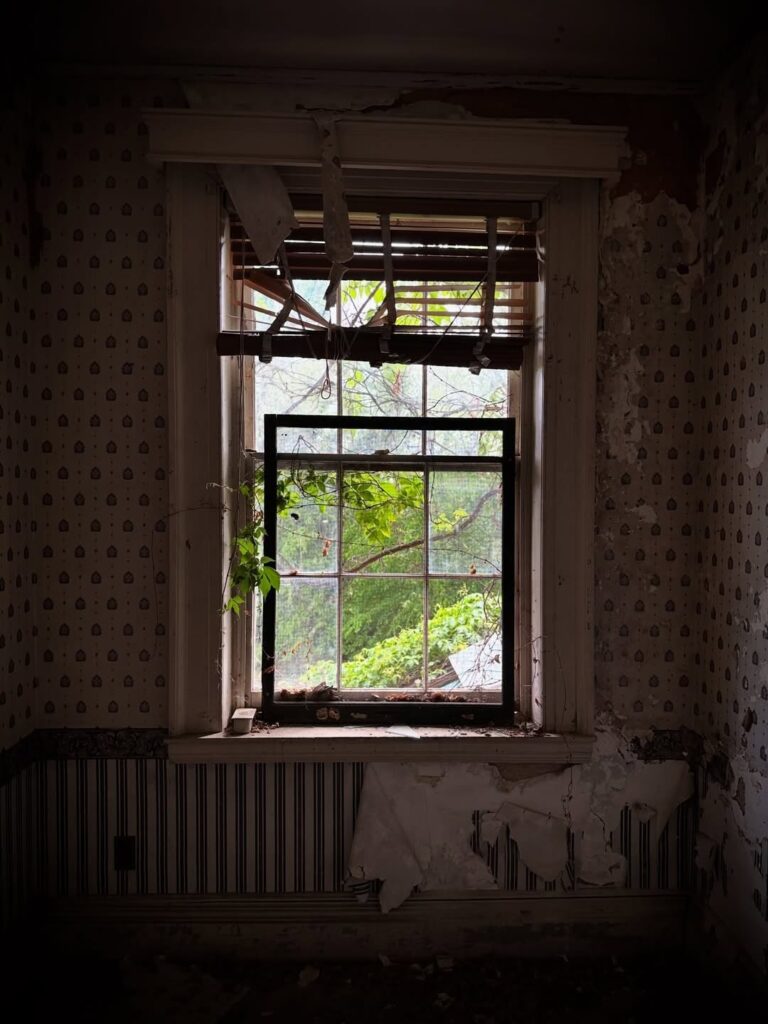
The drawing room still has its original fireplace, an enormous carved marble affair with a coat of arms above the mantel. The wallpaper — what remains of it — is a faded damask in deep burgundy and gold. Strips have peeled away where moisture got in, curling toward the floor like old skin.
The dining room retains its long mahogany table. Eight chairs, still in position, as if a dinner party simply evaporated mid-evening. The centerpiece — a silver-plate candelabra — sits tarnished but upright at the table’s center. Someone, at some point, left a wine glass. It’s still there.
If you’ve ever read accounts of other forgotten estates across Europe, this kind of detail shows up again and again. For more compelling stories like this one, the abandoned places archive on abandoned.blog documents dozens of properties with similarly eerie preserved interiors.
The Upper Floors
Upstairs, the mood shifts.
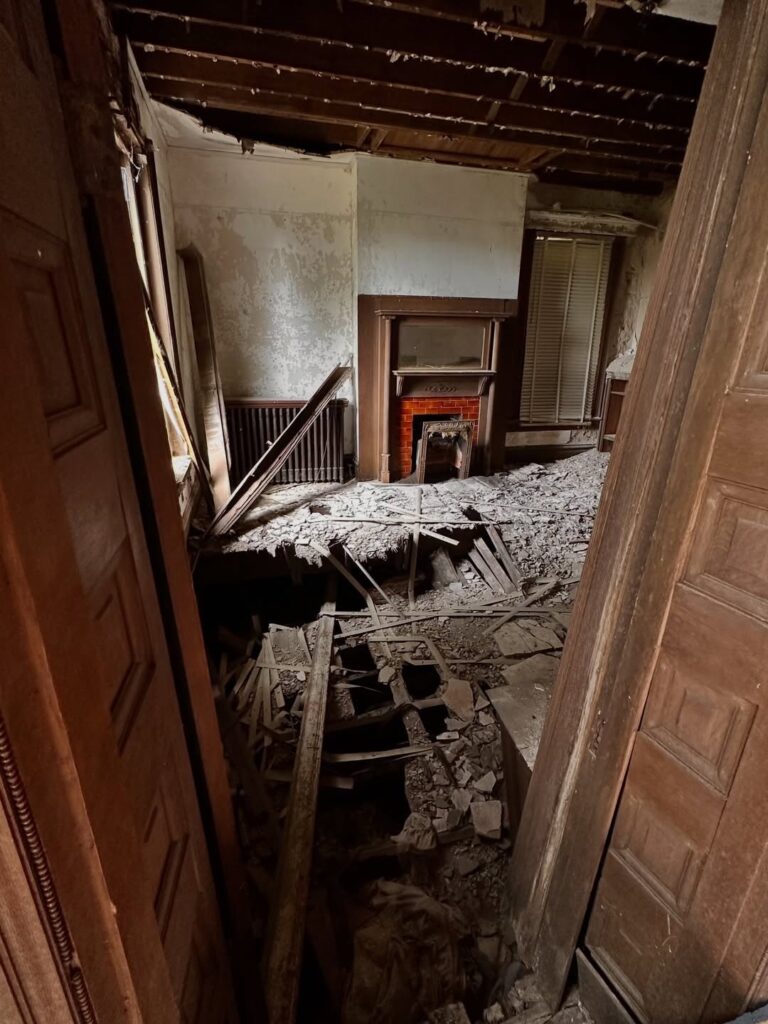
The master bedroom ceiling has partially collapsed — a slow failure of a water-damaged beam rather than any dramatic event. Nature has crept in through the breach. Moss grows along one wall. A tree sapling has taken root in the corner, improbably, impossibly, reaching toward the light.
The children’s rooms are harder to spend time in.
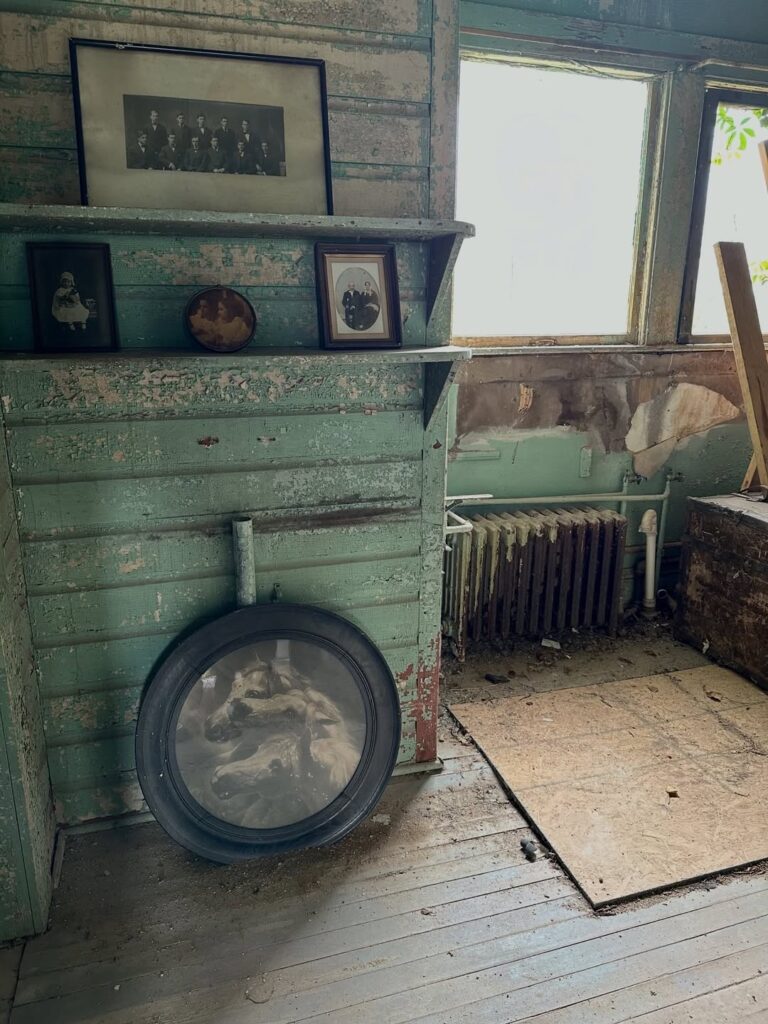
Toy boxes, still closed. A rocking horse with painted eyes. A child’s desk, small and low, with a copybook still open on the surface — the handwriting inside neat, careful, interrupted mid-sentence.
These are the rooms that make you feel the weight of abandonment most acutely. Not the grand spaces. The small, personal ones.
The Outbuildings
Don’t overlook what surrounds the main house.
- The stable block: Eight stalls, timber-framed, with original iron fittings still on the walls. Horse names are still chalked on small boards above two of the stalls — faded but legible.
- The gatehouse: A two-story cottage that was once the groundskeeper’s home. Structurally sound, with a functional fireplace and its original flagstone floors.
- The kitchen garden: Enclosed by a high brick wall, it’s now a jungle of self-seeded plants. But the espalier fruit trees trained against the south wall are still alive — ancient, unpruned, and still fruiting in season.
- The icehouse: Half-buried in a hillside, its brick-vaulted interior cool even in summer, smelling of earth and old cold.
Each of these outbuildings adds to the estate’s assessed value. They also add to the restoration challenge — and the cost.
H2: Why Is an Abandoned Château Worth Millions?
The Valuation Explained
Three million dollars sounds like an exaggeration for a place this neglected. It isn’t.
Several factors drive the valuation:
- Land: 22 acres on the edge of a desirable rural area, with road frontage and established woodland, carries significant value independent of any buildings.
- Original materials: Dressed limestone, original leaded glass, hardwood floors, carved stonework — these materials are irreplaceable at today’s prices. Restoration specialists value intact original fabric very highly.
- Footprint and scale: Fourteen rooms across three floors, plus outbuildings, represents a substantial building footprint. Even in poor condition, the structure itself is worth preserving.
- Location premium: Properties in historically significant rural areas — particularly those with heritage listing potential — attract premium valuations from private buyers, developers, and conservation trusts alike.
- Rarity: Genuine late-19th-century châteaux with intact interiors are increasingly rare. Most have been subdivided, converted, or demolished. An intact example commands serious attention.
For those who track the market for properties like this, abandoned.blog’s coverage of high-value forgotten estates is worth bookmarking — it regularly surfaces properties that blur the line between ruin and treasure.
The Restoration Math
Here’s the hard part.
A full sympathetic restoration of an estate this size — using appropriate period materials, with heritage-standard workmanship — could easily run to two million dollars or more. That’s before landscaping, services upgrades, or conversion costs if the intended use changes.
So the net position for any buyer is roughly: three million acquisition cost, two million restoration outlay, for a finished property that might be worth four to five million in a strong market.
The margin is thin. The risk is real. The timeline is long.
And yet, people do it. Restoration projects like this attract a specific kind of buyer — someone who isn’t purely motivated by profit. Heritage enthusiasts. Architects who want a canvas. Families seeking something extraordinary and lasting. The abandoned château has always had a different kind of appeal than a new-build house. It comes with a story already written into its walls.
H2: The Ethics of Exploring Abandoned Places
Look, Don’t Touch — and Always Stay Legal
It’s worth being direct about this.
Entering private property without permission is trespassing — full stop. This article is not an invitation to visit any specific location, and documenting abandoned places responsibly means doing so only with explicit permission from landowners or legal administrators.
The responsible way to engage with places like this forgotten estate is through:
- Public records and heritage archives: Many listed or historically significant properties have documented histories accessible through local records offices.
- Authorized photography: Some property administrators or heritage bodies grant access for documentation purposes.
- Supporting conservation: Organizations that advocate for at-risk historic buildings do vital work in preserving these places for everyone.
The stories matter. The buildings matter. Protecting them means engaging with them legally and thoughtfully.
Conclusion: A Fortune in Dust
The abandoned château sits as it has for decades. Valuable, silent, contested, and patient.
It is, in almost every measurable sense, worth millions. And yet it waits — for a legal resolution that may never come, for a buyer with deep enough pockets and bold enough vision, or simply for time to make the decision that people haven’t been able to.
What makes the forgotten estate so compelling isn’t really the money. It’s the collision of two realities: enormous material value and complete human absence. The marble floors. The rocking horse. The open wine glass.
The abandoned château endures as a kind of monument to interrupted lives and deferred decisions. It asks questions that don’t have easy answers. Who does a place belong to when everyone who loved it is gone? What do we owe the things our predecessors built?
Maybe the gate is still open for a reason.
FAQ: Abandoned Estates and Forgotten Châteaux
Q: Can you legally visit an abandoned château? Not without permission. Abandoned properties are still privately owned or under legal administration. Always seek explicit authorization before entering any abandoned site.
Q: Why do some abandoned estates stay empty for decades? Most commonly due to unresolved inheritance disputes, legal complications, prohibitive restoration costs, or absentee ownership. Some properties fall into legal limbo that can last generations.
Q: What happens to abandoned properties with no clear owner? In many jurisdictions, the state can eventually claim ownership through a process known as escheatment or bona vacantia, particularly if no legal heir can be established after a set period.
Q: Are abandoned châteaux worth restoring? Financially, the margins are often tight. But heritage value, historical significance, and the rarity of intact original structures make many of them worthwhile projects — particularly for conservation-minded buyers.
Q: Where can I find more stories about abandoned estates? The abandoned places documentation at abandoned.blog is one of the best resources for well-researched, respectful coverage of forgotten properties around the world.
All locations in this article are documented for historical and informational purposes. The author does not encourage trespassing on private property under any circumstances.