
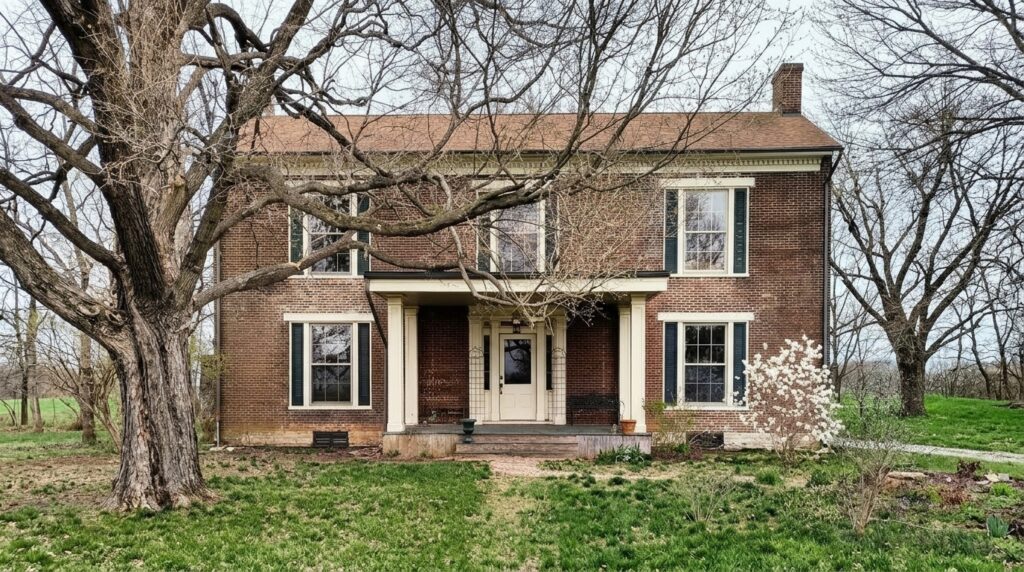
Introduction: A House That Time Refused to Touch
There is something deeply unsettling about a forgotten mansion that still has everything inside.
No stripped walls. No looted shelves. No empty rooms echoing with only wind. Just… everything. Exactly as it was left — perhaps decades ago, perhaps longer.
Dust sits thick on velvet armchairs. Clocks stopped mid-hour. A dining table still set with china, as if the family simply stepped out for a walk and never came back.
Stories like this feel impossible. And yet, they happen more often than you’d think.
Across Europe and North America, crumbling estates — forgotten châteaus, abandoned castles, decaying manor homes — sit sealed and untouched while the world moves on outside their iron gates. Some have been sealed by legal battles. Others by grief. Some, by pure mystery.
This article dives into what these lost places look like, why they’re left the way they are, and what they tell us about the people who once called them home.
Note: Urban exploration of private or restricted property may be illegal. This article is for informational and historical appreciation only. Always respect the law and private ownership.
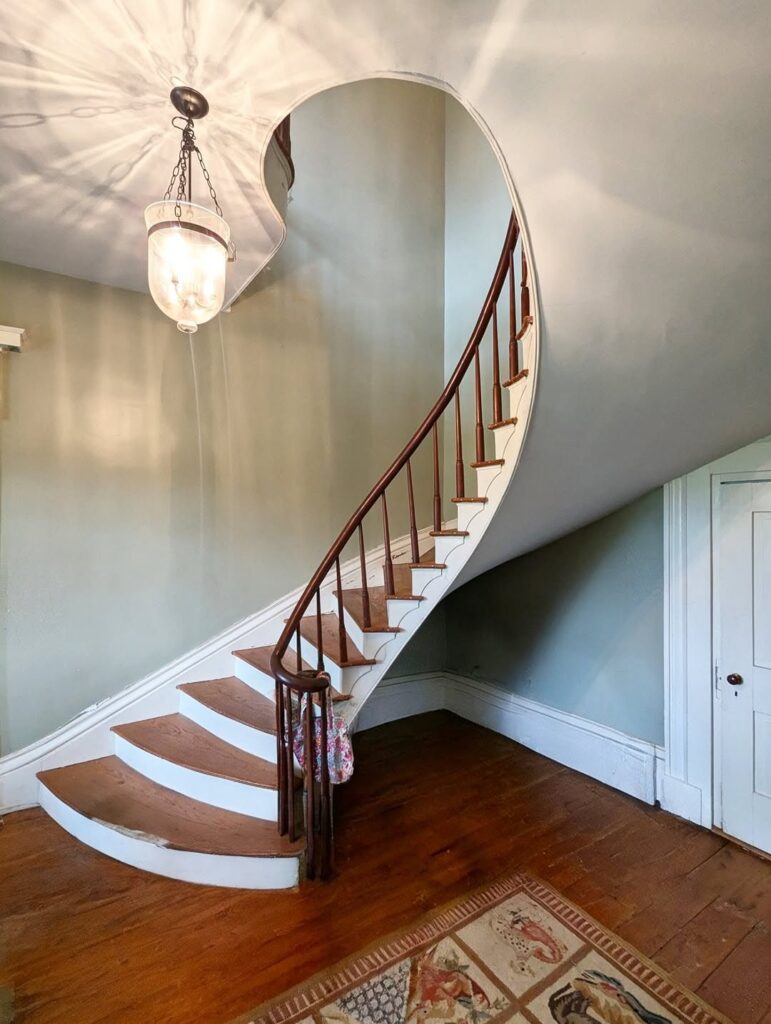
What Is a “Time Capsule” Mansion?
Not every abandoned building earns the label. Most derelict structures are looted quickly. Copper wiring pulled out. Furniture dragged away. Windows smashed by bored teenagers within the first few months.
A true time capsule estate is different.
It’s a place where, for some reason — legal dispute, family estrangement, sudden death, financial ruin — everything inside was simply locked in and left. The contents preserved by sheer circumstance. Sometimes for twenty years. Sometimes for over a century.
The Defining Features
You know you’re looking at a genuine time capsule mansion when you find:
- Personal belongings still in place — clothes hanging in wardrobes, shoes lined up by doors, hairbrushes on vanity tables
- Perishables that outlasted logic — bottles of wine, tins of food, jars still sealed in pantry shelves
- A sense of interrupted routine — half-read books left face-down, teacups on saucers, letters never posted
- No obvious signs of looting — the silence of a place that simply wasn’t found, or wasn’t touched
These details are what make urban explorers and historians catch their breath. Not the decay itself — but the story the decay preserves.
Inside a Forgotten Château: What Explorers Find
Imagine pushing open a set of tall iron gates, half-strangled by ivy. The gravel driveway beyond has cracked and heaved. Weeds split the stone. And at the end of it sits the house — stone-faced, many-windowed, watching.
The entrance hall smells of must and cold stone. Dust motes hang in the pale light. And then you see it.
The coat rack. Still full. Four heavy overcoats. A gentleman’s hat on the top hook, slightly askew, as if the owner just shrugged it off before dinner.
Room by Room: A Walk Through Forgotten Time
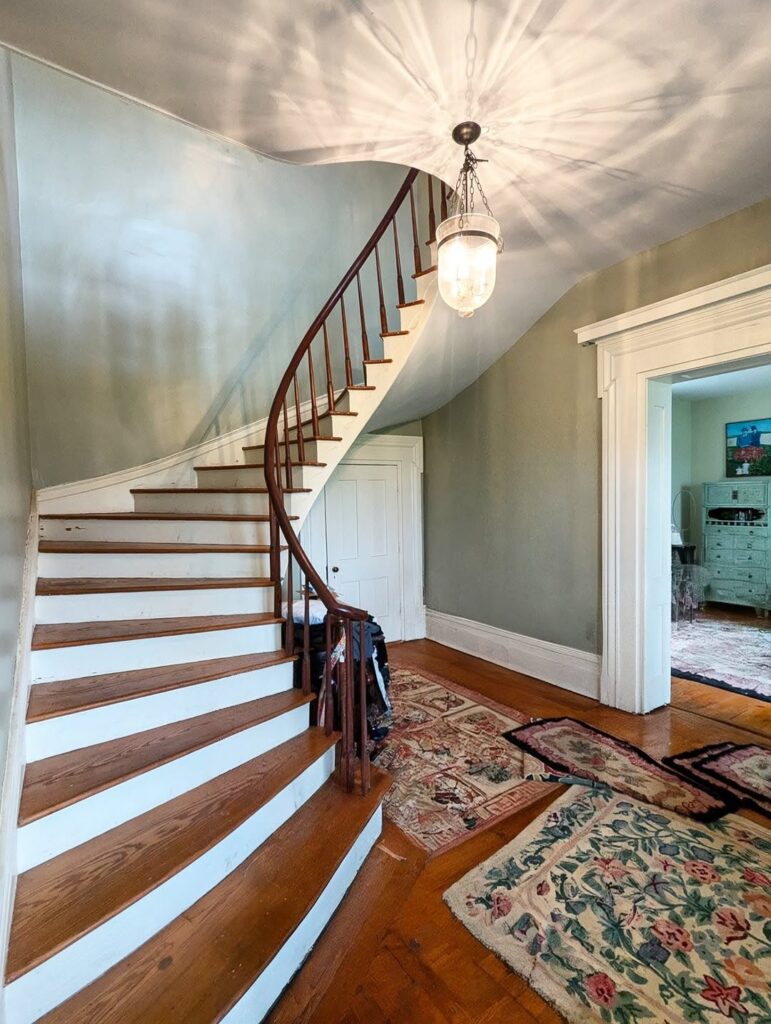
The Drawing Room
Heavy curtains, once wine-red, have faded to a washed-out pink where light crept through the gaps. A chaise longue sits in the corner, its upholstery worn thin at the armrests. On the mantelpiece: framed photographs, a brass clock, a small ceramic figurine of a horse.
The kind of objects that tell you exactly who these people were — their tastes, their wealth, their quiet pride.
The Kitchen
The kitchen in many forgotten estates is where the most remarkable scenes unfold. Cast iron pans still hang from ceiling hooks. Ceramic canisters labeled FLOUR, SUGAR, TEA line a shelf above the range. A recipe, handwritten on yellowed paper, is pinned to the inside of a cupboard door.
Someone cooked here. Someone fed a household here.
The Library
Leather-bound volumes fill shelves floor to ceiling. Classics, histories, agricultural guides — a library that speaks of education and quiet evenings. On the reading desk: an open book, weighted open by a brass letter opener. The page it’s open to has a faint finger mark in the margin, where someone paused to think.
The Bedrooms
This is always the most personal space. Dresses still hanging in wardrobes, faintly perfumed by cedar and time. A child’s room with lead soldiers arranged on a windowsill. A master bedroom where the dressing table still holds everything — a hairbrush, a set of cufflinks, a folded handkerchief.
For those who explore these places with a camera and a deep respect for history, these rooms feel almost sacred.
Why Are These Mansions Left Untouched?
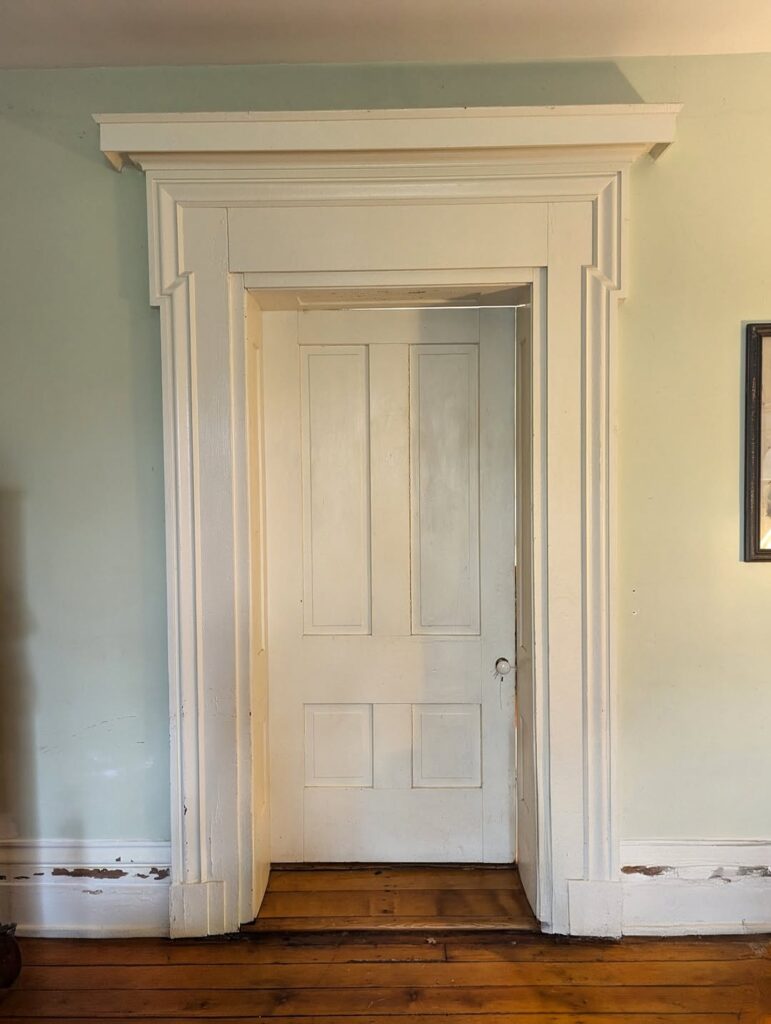
This is the question everyone asks. And the answers are more varied — and more human — than you might expect.
1. Legal Disputes and Inheritance Battles
One of the most common reasons a forgotten estate sits sealed for decades is a legal battle over who actually owns it.
When a wealthy estate owner dies without a clear will, or when multiple heirs dispute the estate’s division, the property can be frozen in legal limbo for years. Sometimes generations. Nobody can enter. Nobody can remove anything. The courts have it locked.
Meanwhile, the house waits.
2. Grief and Emotional Refusal
Some estates are left untouched by choice — a deeply human, deeply emotional choice.
A husband refuses to remove his wife’s belongings. A family cannot bring themselves to clear out a parent’s home. The grief is too heavy, the objects too loaded with meaning. So the doors stay locked. The objects stay put.
And time moves on around them.
3. Sudden Abandonment
Occasionally, the story is more abrupt. Financial ruin — sudden and complete — that forced a family to simply walk away. Wartime displacement that turned a temporary absence into a permanent one. A death with no surviving relatives willing or able to maintain the estate.
These are the houses that feel most like they’re mid-sentence. Where the story just… stops.
4. Deliberate Preservation
In rarer cases, the contents are preserved on purpose — by a family member who recognized the historical value of what was inside, or by a local heritage organization that stepped in before looters could.
Organizations like the Historic England heritage body have helped identify and protect hundreds of estates across Britain where significant architectural or cultural heritage was at risk. Similar bodies operate across France, Belgium, and beyond, fighting to protect abandoned châteaus and forgotten estates before they’re lost forever.
The Architecture of a Lost World
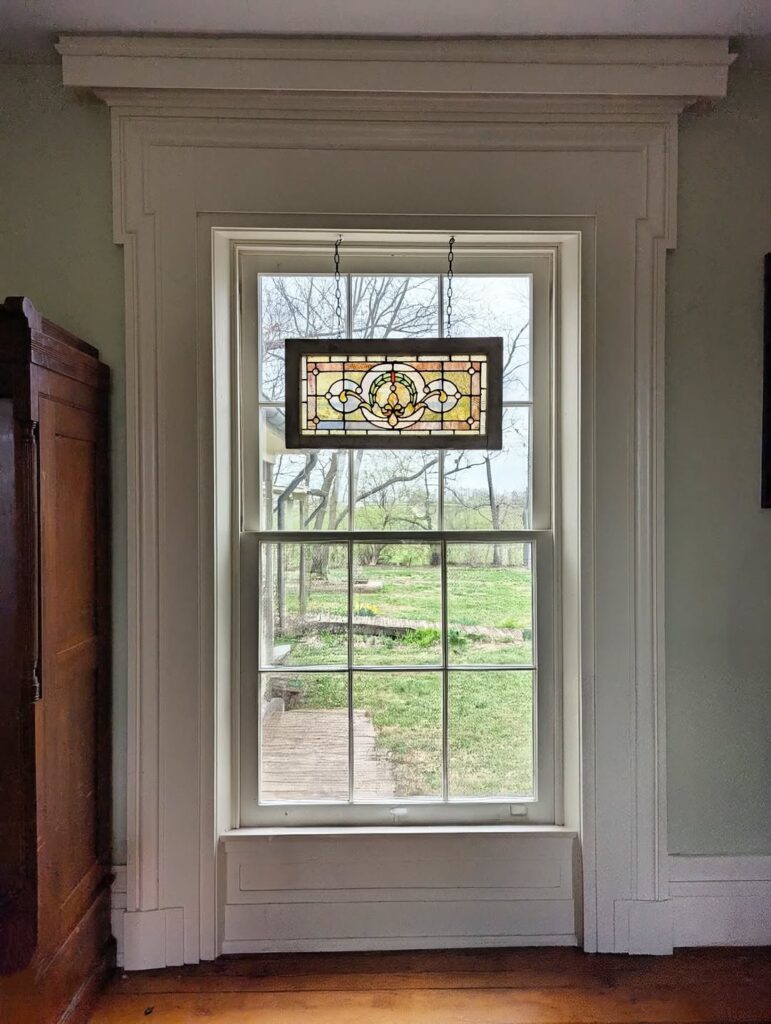
Most of Europe’s great forgotten mansions date from the 18th and 19th centuries — the era of the grand country house, the neoclassical château, the Victorian manor.
These buildings were designed to impress. Wide stone staircases. High ceilings with ornate plasterwork. Tall windows flooding rooms with morning light. Parkland stretching to the horizon.
They were also designed to last. The stone walls are often two feet thick. The oak beams flex rather than snap. These buildings fight decay for decades — sometimes a century — before they finally begin to crumble.
That structural resilience is part of why so many time capsule mansions still look recognizable, even after sixty years of neglect. The bones remain strong long after the flesh has peeled away.
Understanding Victorian country house architecture — its proportions, its social hierarchy built into bricks and mortar — helps make sense of these spaces. The servants’ quarters tucked below stairs. The formal drawing rooms reserved for guests. The private family rooms protected deep in the house’s interior.
Every room had a purpose. Every corridor had a class.
The Human Stories Behind the Silence
What makes a forgotten château more than just a ruin is the human story embedded in every object.
Consider what it means to find a writing desk still covered in correspondence. Letters half-written, ink long since dried to a brown ghost. Perhaps a business matter. Perhaps something more personal. Whatever it was, it was important enough to sit down and write — and then it was interrupted. And never finished.
That interruption is everywhere in these houses.
A needle still threaded in an embroidery hoop. A pair of reading glasses folded on top of an open journal. A hat left on a hook as if its owner will be back any minute.
The objects don’t know they’ve been abandoned. They just wait.
Stories Worth Knowing
If you’re drawn to these places and want to explore the history behind them — safely, legally, and with proper respect — the abandoned estates and urban exploration community documents some of the world’s most extraordinary forgotten properties in rich photographic and historical detail.
From the grand châteaus of rural France to the crumbling manor houses of the English countryside, each one holds a story worth reading. The photography alone captures what words struggle to convey — the exact quality of light through a filmed window, the precise texture of peeling wallpaper, the strange dignity of objects left behind.
What Happens to These Places?
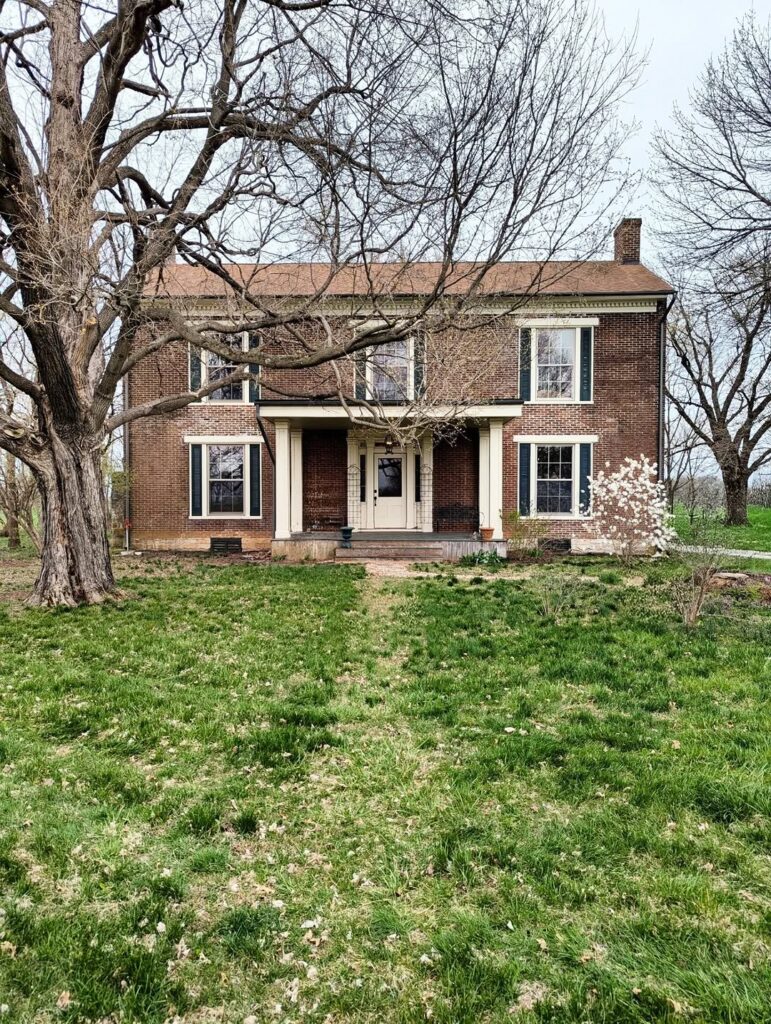
Some forgotten estates find their way back to life.
A developer buys the property and restores it — carefully, or not so carefully — into a hotel, a wedding venue, an apartment conversion. The bones survive. The soul, arguably, does not.
Others are purchased by private buyers who undertake long, expensive, loving restorations. These are the success stories. A forgotten château given back its grandeur. A neglected estate brought back into careful stewardship.
But many don’t make it.
The roof goes first. Once rain gets inside, it accelerates everything. Floors rot. Plaster falls. Walls crack. A building that stood for two centuries can collapse in twenty years once the water finds a way in.
The Race Against Time
Historians and preservationists often describe their work as a race. The forgotten mansion that still has everything inside today may have nothing inside — nothing at all — within a decade, if the roof fails or the floor gives way.
That’s why documentation matters so much. Even if a building can’t be saved, its contents, its atmosphere, its story can be recorded. Photographs, surveys, architectural drawings — these become the last evidence that something extraordinary once stood here.
For those interested in exploring the broader world of forgotten places — documented carefully, presented with respect for history and private property — resources like abandoned heritage stories offer an extraordinary window into these lost worlds.
How to Appreciate Abandoned Estates Responsibly
You don’t have to trespass to appreciate these places. In fact, you shouldn’t.
Here’s how to engage with forgotten estates, abandoned châteaus, and lost mansions in ways that are safe, legal, and genuinely rewarding:
- Follow documented explorers online — Photographers and historians who gain proper access share extraordinary content across YouTube, Instagram, and dedicated websites.
- Visit legally accessible heritage sites — Many decaying or preserved estates are open to the public through heritage trusts, national parks, or guided tours. Some even offer twilight or behind-the-scenes visits.
- Research local history — County archives, local libraries, and national heritage databases often hold records, photographs, and maps of historic estates in your area. This research alone can be deeply rewarding.
- Support preservation organizations — Groups that work to document and protect historic buildings often need members, volunteers, and donors. Your support directly contributes to saving these places.
- Read and watch responsibly — There is an extraordinary body of photographic and written work about forgotten estates produced by people who accessed these places legally and carefully. Seek it out.
The allure of a forgotten mansion still with everything inside doesn’t require breaking a lock to feel. It lives in the photographs. In the history. In the questions these places raise about time, memory, and what we leave behind.
Conclusion: What the Dust Remembers
A forgotten mansion that still has everything inside is, at its heart, a human story.
It’s about the family who lived there — their routines, their loves, their sudden departures. It’s about the strange power of objects to outlast the people who owned them. And it’s about our own deep fascination with what time does to the things we build and the things we love.
These places — whether they’re called a forgotten château, an abandoned castle, or simply a lost estate at the end of an overgrown lane — ask us a question we can’t quite answer.
What would you leave behind?
The dust settles. The clocks stay stopped. And the house waits, as it has always waited, for someone to finally ask.
Frequently Asked Questions
Q: What is a time capsule mansion? A time capsule mansion is an abandoned property where the original contents — furniture, personal belongings, decorations — were left completely intact when the owners departed. These properties are often sealed for years or decades due to legal disputes, family tragedy, or financial ruin.
Q: Why do some abandoned mansions still have everything inside? The most common reasons include unresolved inheritance disputes (which legally freeze the property), the grief of surviving family members who can’t bring themselves to remove belongings, sudden financial collapse, or wartime abandonment where the owners never returned.
Q: Is it legal to explore abandoned mansions? In most countries, entering a private abandoned property without permission is trespassing and is illegal. Always research the legal status of any property before approaching it, and seek proper permission or access through legitimate heritage organizations.
Q: How can I find abandoned estates near me? Local historical societies, county archives, national heritage registries, and online communities dedicated to architectural history are good starting points. Some heritage organizations also maintain public databases of listed but at-risk historic buildings.
Q: What should I do if I find an abandoned property with historical contents? Contact your local heritage authority or historic preservation organization. Many countries have frameworks for reporting and protecting at-risk historic properties, and your tip could be what saves a significant piece of local history.
Q: Where can I see photographs of forgotten mansions legally? Many professional photographers and historians share their work legally and beautifully online. Websites dedicated to abandoned heritage, including abandoned estate photography and history, offer extensive galleries and detailed stories from documented visits.
This article is published for historical, educational, and informational purposes only. Readers are encouraged to appreciate abandoned heritage through legal channels and to support preservation efforts in their communities.


[…] to properties where time seems to have stopped, you might recognise that sensation from our piece on this forgotten mansion that still has everything inside — that particular silence that comes with rooms untouched for […]