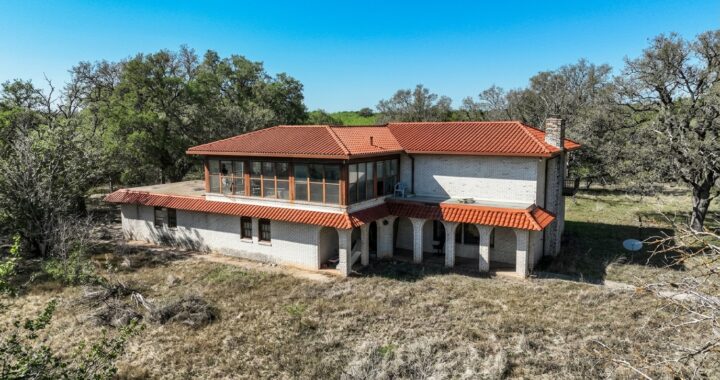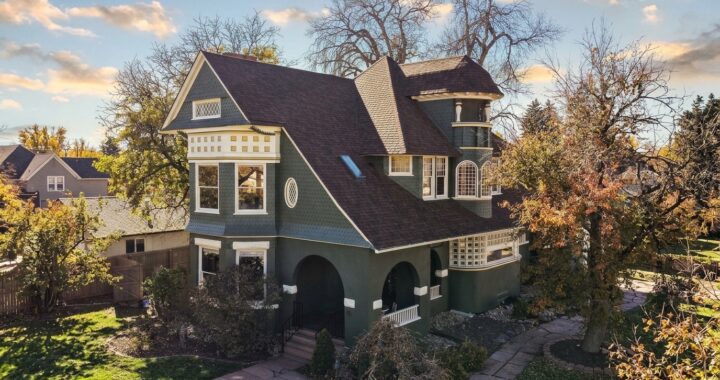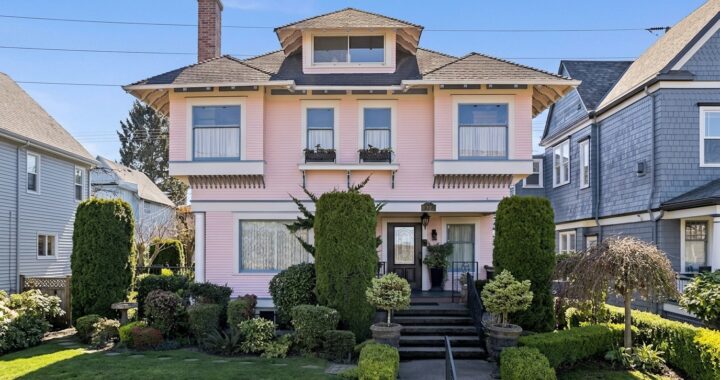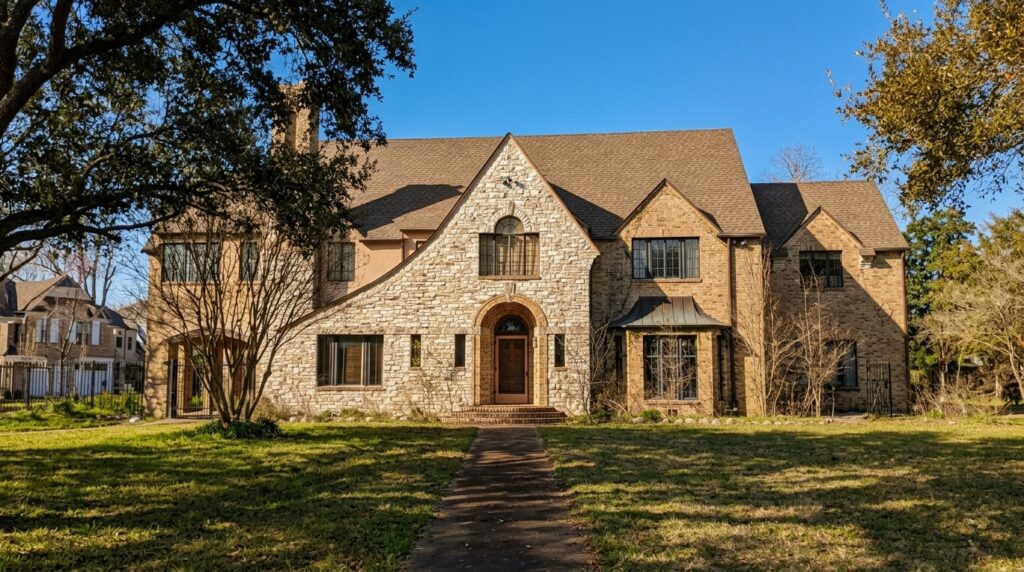
There’s something deeply unsettling about a place worth over $10 million standing completely empty.
No caretaker. No heirs. No one walking its marble floors or swimming in its private pool. Just silence — and the slow creep of decay swallowing everything behind closed gates.
This forgotten estate is one of the most striking examples of a truly abandoned mansion you’ll ever come across. A grand home left frozen in 2017, when the owner passed away without leaving a soul behind to claim it.
What happened here? And what does it look like now?
Let’s step inside — carefully, and from the outside looking in.
The Abandoned Mansion Nobody Inherited
A Property Worth a Fortune, Left to Rot
The estate is valued at well over $10,000,000. That number is hard to process when you’re staring at peeling paint on wooden shutters and a garden gone wild.
At its peak, this was a jaw-dropping property. The main mansion sits at the heart of a sprawling lot, flanked by manicured hedges that have since grown tall and tangled. A 4-car detached garage stands off to one side, its doors sealed shut. Behind the main house, a lush private garden once bloomed with color — roses, maybe, or fruit trees. Now it’s an overgrown wilderness, beautiful in its own chaotic way.
Then there’s the in-ground swimming pool, still visible from the rear of the property. The water, long since turned a murky shade of green, reflects the sky on quiet mornings. And the guest house — a separate structure that probably once hosted weekends full of laughter — sits dark and untouched.
It’s the kind of place you’d expect to see on a luxury real estate listing. Not a cautionary tale about what happens when there’s no one left to care.
The Death That Changed Everything
In 2017, the owner of this remarkable property passed away.
It wasn’t just a loss of life. It was the sudden ending of a legacy — because no heirs came forward. No family members filed legal claims. No estate lawyers started the handover process. The property simply… stopped.
In legal terms, this kind of situation can become extraordinarily complicated. When a person dies intestate (without a valid will) and with no traceable heirs, the property can enter a legal gray zone for years — sometimes decades. Depending on the jurisdiction, the state may eventually absorb it, or it may sit in legal limbo, untouched and unresolved. You can read more about how intestate succession laws work and why they sometimes leave properties in exactly this kind of frozen state.
The result? A $10 million forgotten estate with no one to unlock the front door.
What the Property Looks Like Today
The Main House: Grand but Ghostly
Standing at the front gate, the mansion still commands attention.
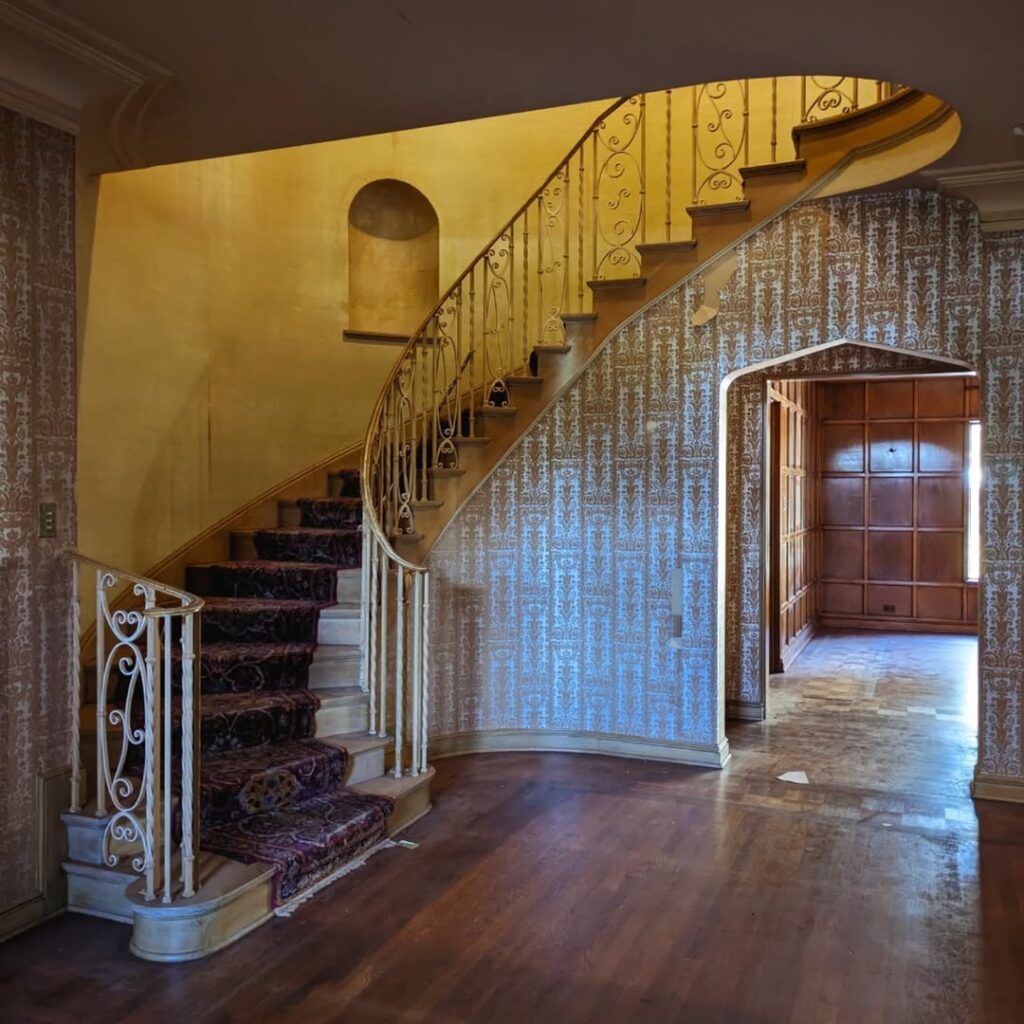
The architecture speaks to an earlier era of wealth — high rooflines, large windows framed in stone or carved wood, a wide front entrance that once welcomed guests. The kind of home that, in its day, was meant to impress.
Now the windows are clouded with grime. Leaves pile against the front steps. The paint on the exterior trim has blistered and flaked, revealing layers beneath — evidence of renovations from different decades, different tastes, different lives.
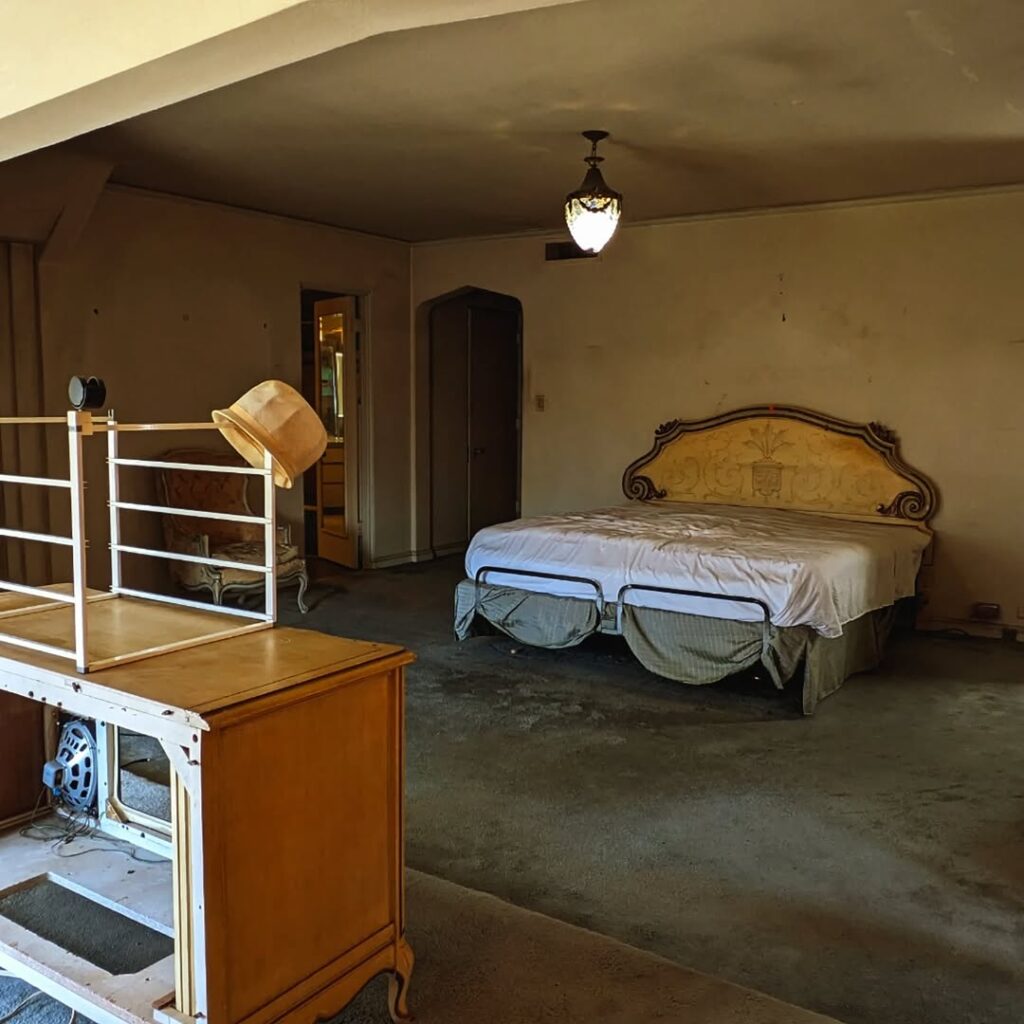
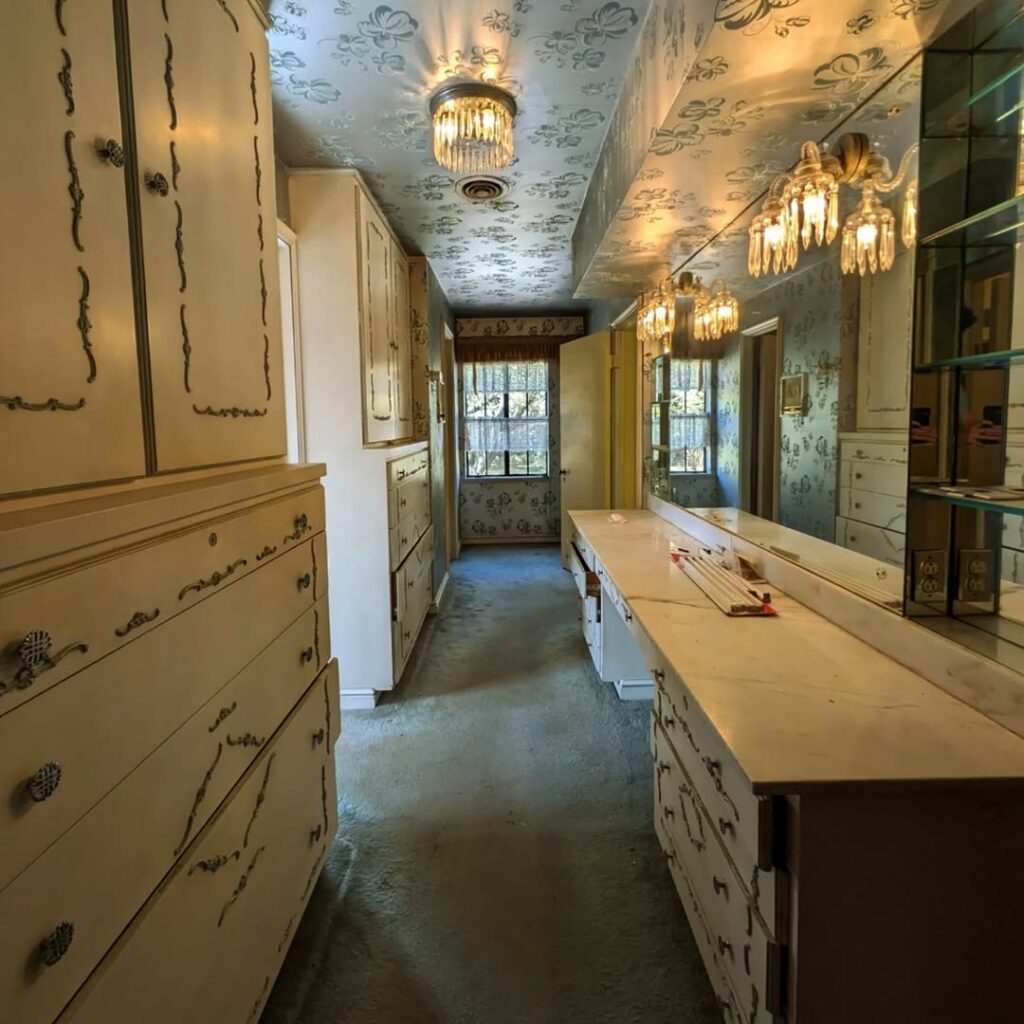
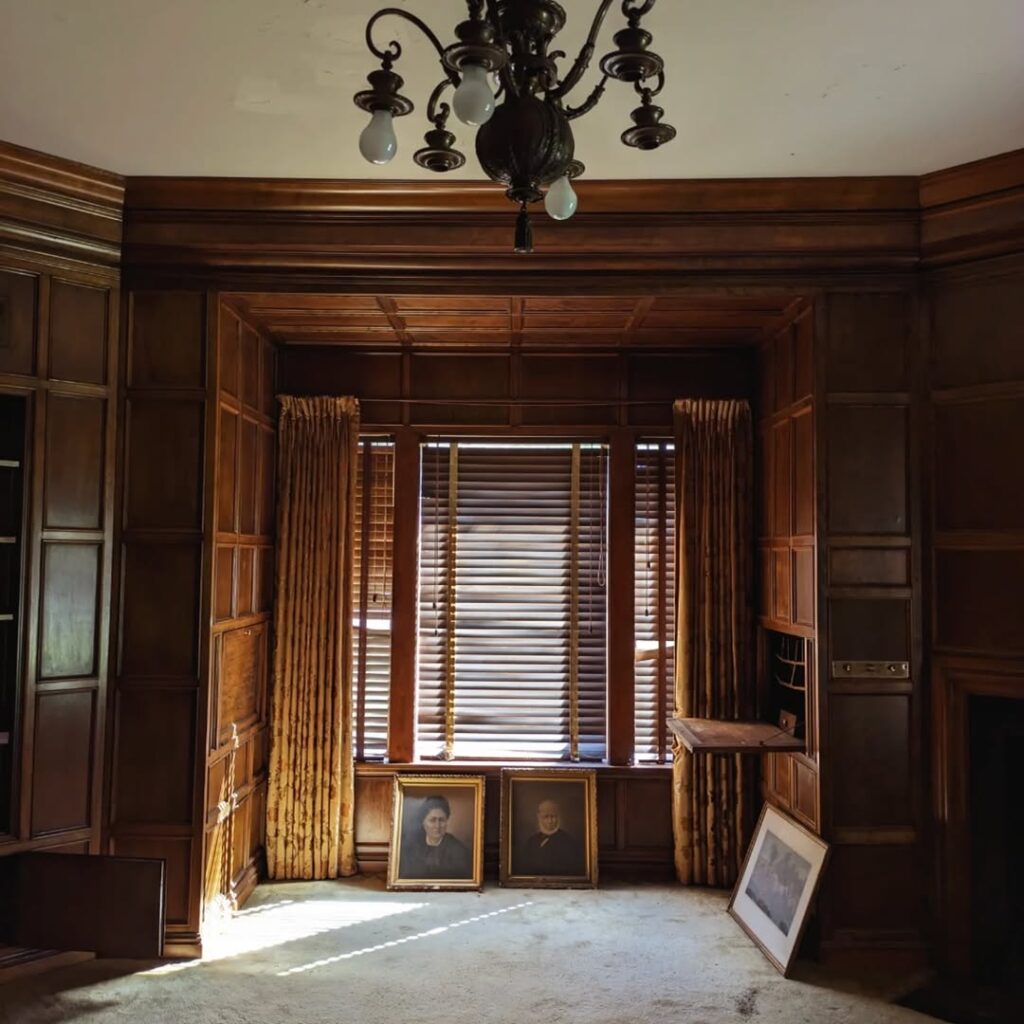
Inside (based on what’s visible through windows and exterior documentation), furniture appears to remain in place. This is common with abandoned estates of this kind. When there’s no one to settle the household, everything stays exactly where it was on the last ordinary day. A dining chair pushed back mid-meal. Books left open on a side table. Personal effects gathering dust on shelves.
It’s the kind of detail that makes an abandoned château feel genuinely haunted — not by ghosts, but by the weight of interrupted time.
The Garden: Wild and Reclaimed
Behind the house, nature has moved back in.
What was once a luscious private garden has transformed into something closer to a woodland. Vines creep across low walls. Trees have grown unchecked into each other’s canopies. The pathways — probably stone or brick — are barely visible beneath layers of fallen leaves and overgrowth.
There’s a particular smell to a garden like this. Rich, earthy, slightly sweet from decomposing leaves. It’s not unpleasant. If anything, it’s a reminder that nature doesn’t wait for permission.
Somewhere beneath all that green, the original garden design is still there. Flower beds. Probably a fountain or water feature. The bones of something elegant, slowly being swallowed whole.
The Pool: Still Water, No Swimmers
The in-ground pool is one of the most visually striking features of the estate.
Pools left unattended don’t empty — they fill. Rainwater, debris, algae, and insects turn them into small ecosystems over time. The water here, murky and still, carries a thick layer of leaves across its surface. The surrounding deck, probably stone or tile, is cracked in places where frost or root systems have pushed through.
In summer heat, a pool like this becomes a breeding ground for mosquitoes and frogs. In winter, it freezes in strange, layered patterns.
It’s both eerie and oddly peaceful. A feature designed for joy and leisure, now belonging entirely to the wild.
The Guest House and Garage: Silent and Sealed
The guest house sits a short distance from the main structure.
It’s a self-contained unit — probably a bedroom or two, a small kitchen, its own entrance. Properties of this scale often built guest houses to accommodate extended family, long-stay visitors, or even live-in staff. This one now sits sealed and quiet, curtains drawn, its small yard overtaken by the same creeping vegetation spreading across the rest of the estate.
The 4-car detached garage is equally untouched. Whether vehicles remain inside is unclear from the exterior. But the scale of it — built to house four cars — speaks to the lifestyle of whoever once lived here. This wasn’t casual wealth. This was a life built around luxury.
Why Abandoned Mansions Like This Are Rarer Than You Think
The Cost of Keeping Up a Mansion
Even if you inherited a $10 million estate tomorrow, you might struggle to keep it.
Properties of this scale cost enormous amounts to maintain. Heating, cooling, grounds maintenance, structural repairs, security — it adds up fast. For heirs who aren’t prepared for that financial responsibility, accepting an inheritance like this can actually feel like a burden rather than a gift.
Some people genuinely walk away. Others get caught in legal disputes over who owns what. And in cases where no heir can be located, the property enters a bureaucratic process that can drag on for years before any resolution is reached.
This is why so many historic estates and heritage properties across the world sit empty and deteriorating. The gap between what they’re worth on paper and what they cost to sustain is enormous.
The Rise of Forgotten Estates
This isn’t a rare phenomenon. Across Europe and North America, hundreds of grand homes are sitting empty right now.
Some are old family estates where the family line simply ended. Others are properties tied up in legal disputes spanning multiple generations. A few — like this one — are the result of a single, sudden loss that left everything unresolved.
If you’re fascinated by stories like this one, the abandoned places archive at abandoned.blog is a growing collection of explored and documented forgotten spaces — from forgotten châteaux to crumbling industrial sites and everything in between.
The Emotional Weight of an Abandoned Home
There’s a word for the feeling you get standing outside a place like this: kenopsia.
It’s the eerie feeling of a place that should be occupied but isn’t. The hum of an empty building. The way sunlight falls through a dusty window onto a floor that hasn’t been walked on in years.
An abandoned château or a forgotten estate doesn’t just tell a story of architectural beauty gone to waste. It tells a human story. Someone lived here. Someone loved this garden, swam in that pool, parked their car in that garage after a long trip home.
And then one day in 2017, that all stopped.
The house didn’t know. The pool didn’t know. The overgrown roses in the back garden didn’t know. Everything just kept going — slowly, quietly — without its person.
The Legality of Exploring Abandoned Estates
Always Respect Property and Law
It’s worth being absolutely clear here: entering an abandoned property without permission is trespassing — and that applies regardless of how long it’s been empty, who owns it, or what condition it’s in.
Properties in legal limbo often still have a legal owner, whether that’s an estate executor, a local municipality, or a government body. Entry without authorization can result in criminal charges, civil liability, or both.
If you’re interested in urban exploration, always:
- Research the legal status of a property before visiting
- Seek written permission from the legal owner where possible
- Document from public rights-of-way if no permission is granted
- Leave nothing behind and take nothing away
- Respect the history — these spaces are irreplaceable
The most respected explorers in the urban exploration community follow a strict ethical code. You can find more on the ethos of responsible exploration and other stunning forgotten sites over at the urbex community on abandoned.blog.
What Might Happen to This Estate
Three Possible Futures
The fate of an abandoned mansion with no heirs usually follows one of three paths:
1. Government Acquisition
If no heir is found and legal proceedings conclude, the state or local government may take ownership. In some jurisdictions, this is called bona vacantia — property that escheats to the Crown or state. The government may then sell, preserve, or demolish the structure.
2. Legal Discovery of an Heir
Even years later, family members can emerge through genealogical research. DNA databases, old immigration records, and international inheritance searches have reunited distant relatives with estates they didn’t know existed.
3. Long-Term Decay
The most common outcome for unresolved estates, unfortunately, is slow deterioration. Without active maintenance, a $10 million property can lose structural integrity within a decade. Water damage, pest infestation, and foundation shifts can render a once-magnificent home beyond repair.
It’s a sobering thought. But it’s also what makes these places so worth documenting — before they’re gone.
Conclusion: A $10 Million Abandoned Mansion, Remembered
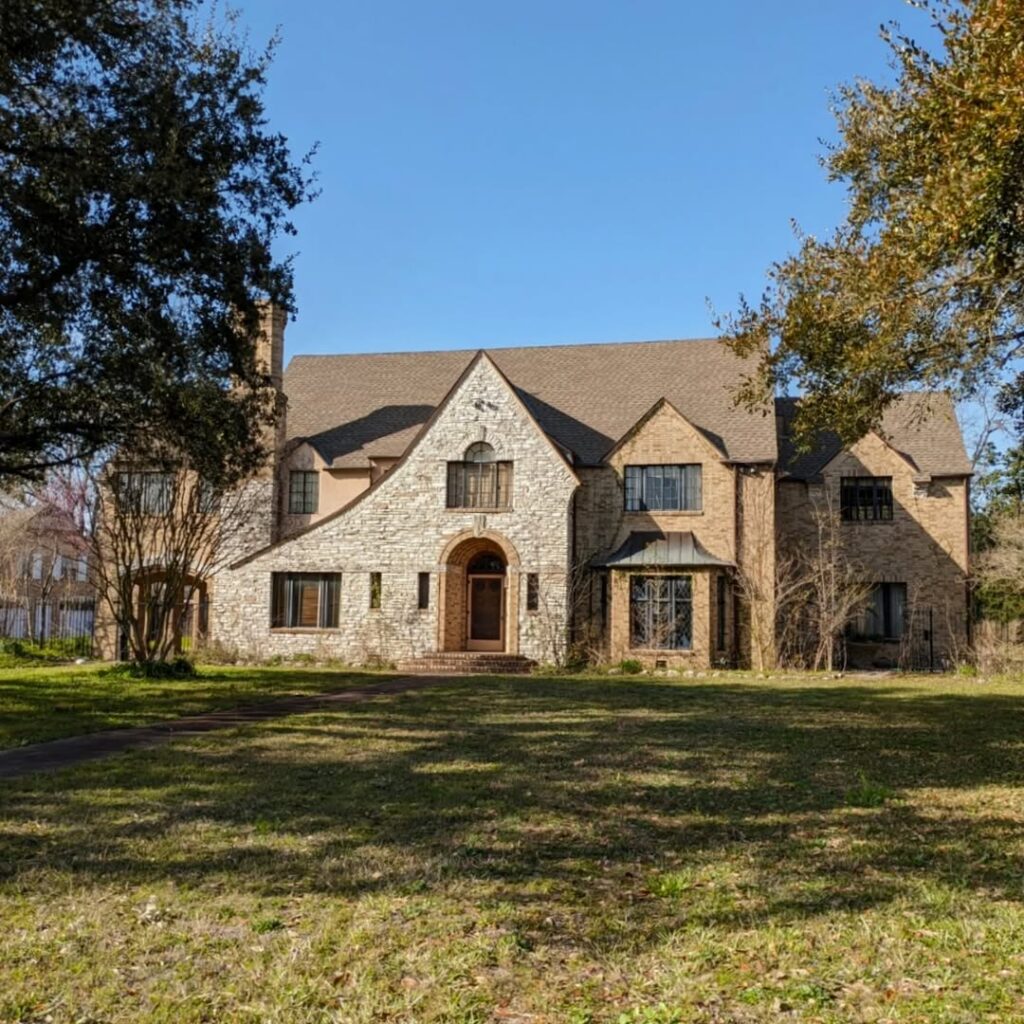
This forgotten estate sits somewhere between the past and an uncertain future.
A $10 million abandoned mansion with a private garden, a guest house, a pool, and a garage built for four cars — all left behind after a single death in 2017. No heirs. No resolution. Just time doing what time always does to the places we leave behind.
It’s a story about wealth, impermanence, and the strange bureaucratic silence that follows when a life ends without succession. It’s also, in its own way, a story about beauty — because even in decay, a place like this commands attention.
If this kind of hidden history moves you, there’s a whole world of forgotten places waiting to be discovered. Start exploring the archive of abandoned estates and lost places at abandoned.blog.
And the next time you pass a dark, shuttered house with a gate hanging half-open — you might just wonder who lived there last.
Frequently Asked Questions
Q: What happens to an abandoned mansion with no heirs?
A: When no heirs can be found, the property typically enters a legal process called intestate succession. If no claimants emerge, many jurisdictions transfer ownership to the state or local government — a process sometimes called escheatment or bona vacantia.
Q: Is it legal to explore abandoned mansions?
A: No. Entering any property — even one that appears abandoned — without the legal owner’s permission is trespassing. Always explore responsibly and legally, documenting from public spaces only.
Q: How can a $10 million property just be abandoned?
A: Property value doesn’t make ownership automatic. Legal disputes, lack of a will, untraceable heirs, and the high cost of maintenance can all result in a valuable property sitting empty for years.
Q: What is an abandoned château?
A: The term “abandoned château” typically refers to a large, historically significant or architecturally grand home — often European in style — that has been left vacant and unmaintained. The term is widely used in the urban exploration community.
Q: Why do some estates decay so quickly?
A: Without regular maintenance, properties deteriorate rapidly. Roof leaks, uncontrolled vegetation growth, pest infestation, and foundation shifts can all cause serious structural damage within just a few years of abandonment.
Q: Where can I find more stories about forgotten estates?
A: The abandoned places archive at abandoned.blog documents real forgotten mansions, estates, and spaces from around the world with detailed exploration records and photography.
This article is written for informational and historical documentation purposes. The author does not encourage trespassing or illegal entry onto any private or public property.