There is a particular kind of house that does not make its presence known to the world.
No toppling towers. No iron gates covered with vines. Just a quiet farmhouse at the edge of a small village, exactly as it has been for over a hundred years still, strong, and totally unaffected by the commotion of the modern world.
Helved 14 belongs to that category.
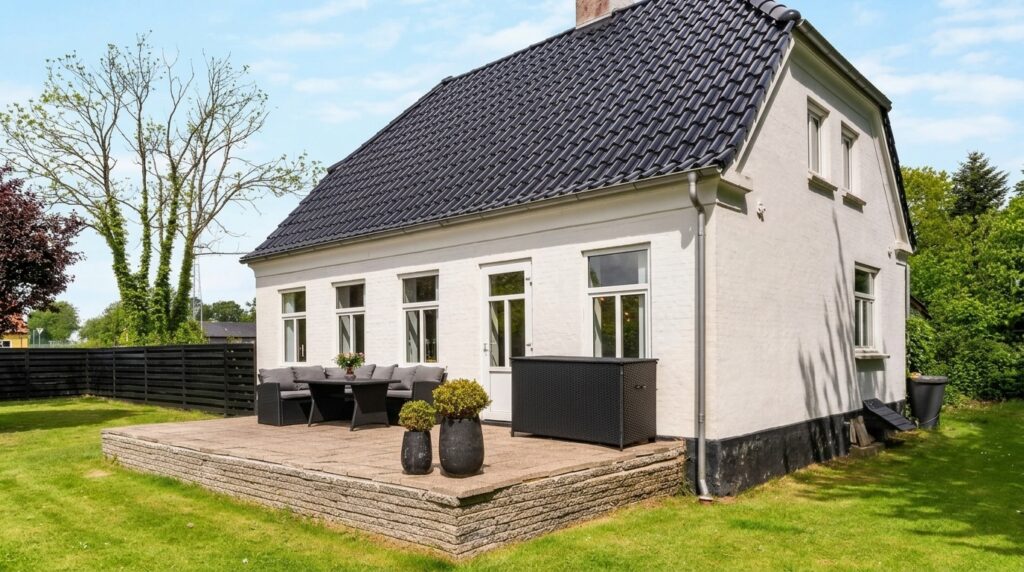
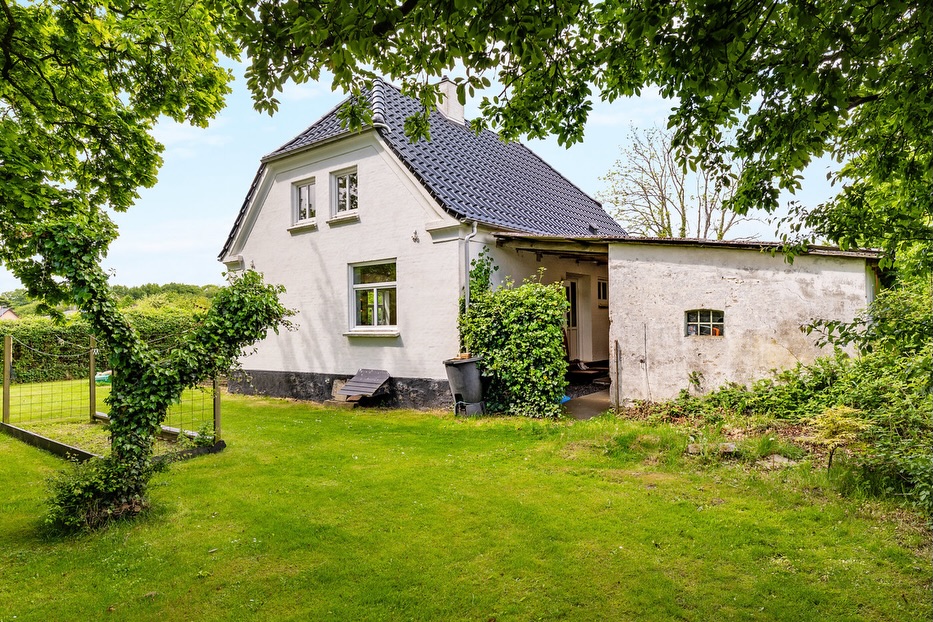
It is a Danish farmhouse villa constructed on the island of Als in southern Denmark in 1914, and still stands to this day even though most countries have had paved roads for less time than it. It has been through two world wars, the gradual disappearance of neighboring farms, and the unstoppable passage of time. And extraordinarily, it remains a place you would feel at home in if you entered it tonight. It is very uncommon Yes. Even more so when it is less than $160,000.
A Danish Farmhouse Villa That Time Didn’t Destroy
Usually, a century-old home in rural Europe is either dramatically rebuilt, leaving no original features, or left to fall apart completely.
The first scenario: stripped out and “renovated” so heavily that nothing original remains. Old structure covered with new drywall. IKEA kitchens in rooms that used to be filled with the smell of wood smoke. The entire history is wiped out.
The second scenario: neglected to the point of disaster. Roofs caved in. Broken windows. A property you might find on websites featuring forgotten estates and abandoned rural architecture stunning in decay, but requiring a lot of work to become livable.
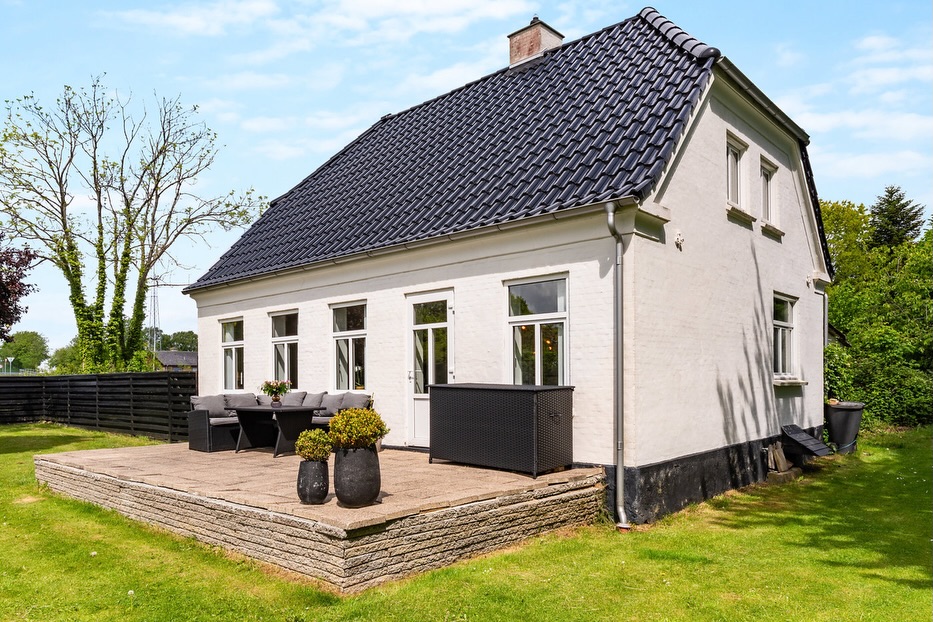
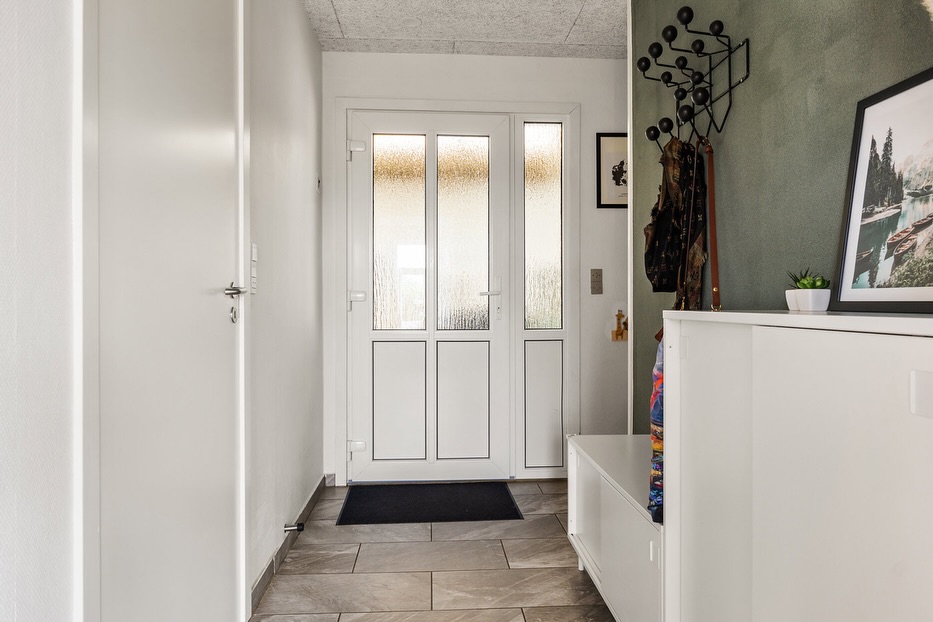
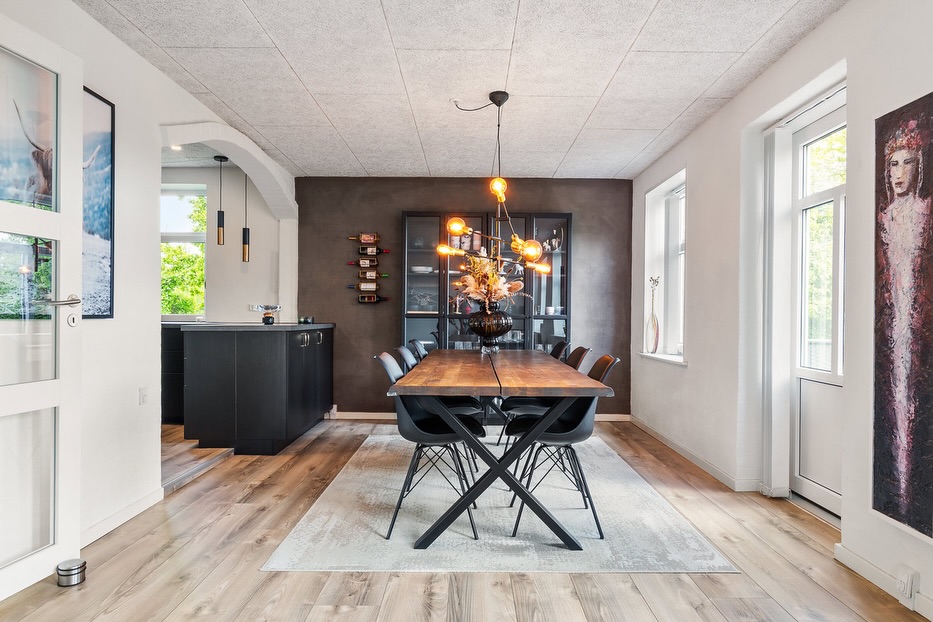
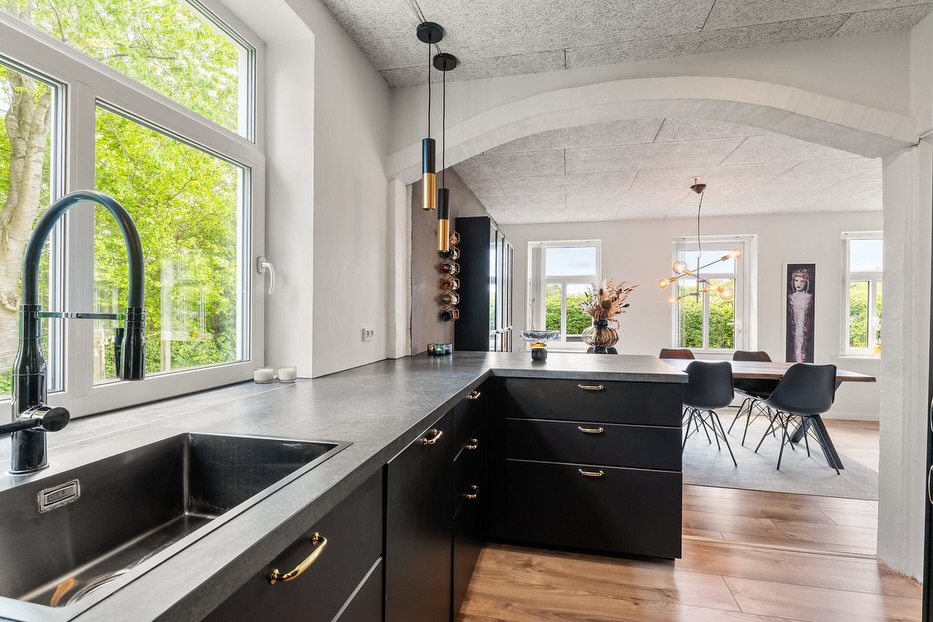
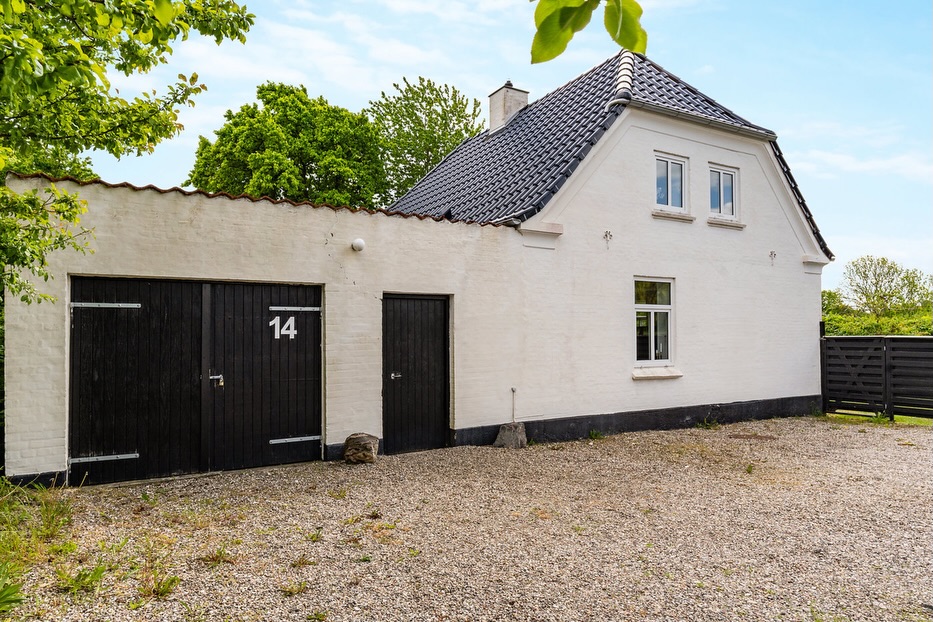
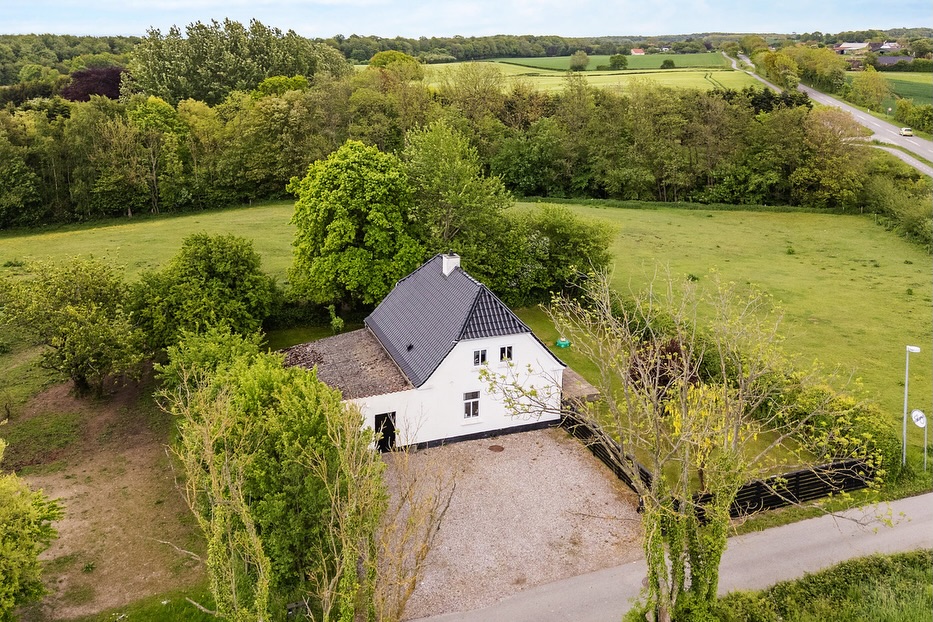
Helved 14 is neither of what I just said.
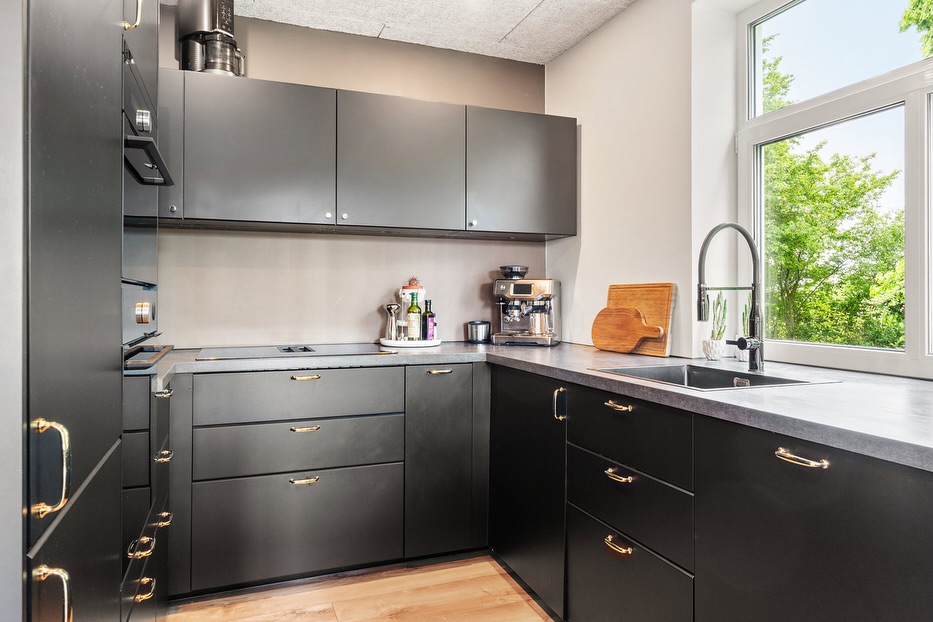
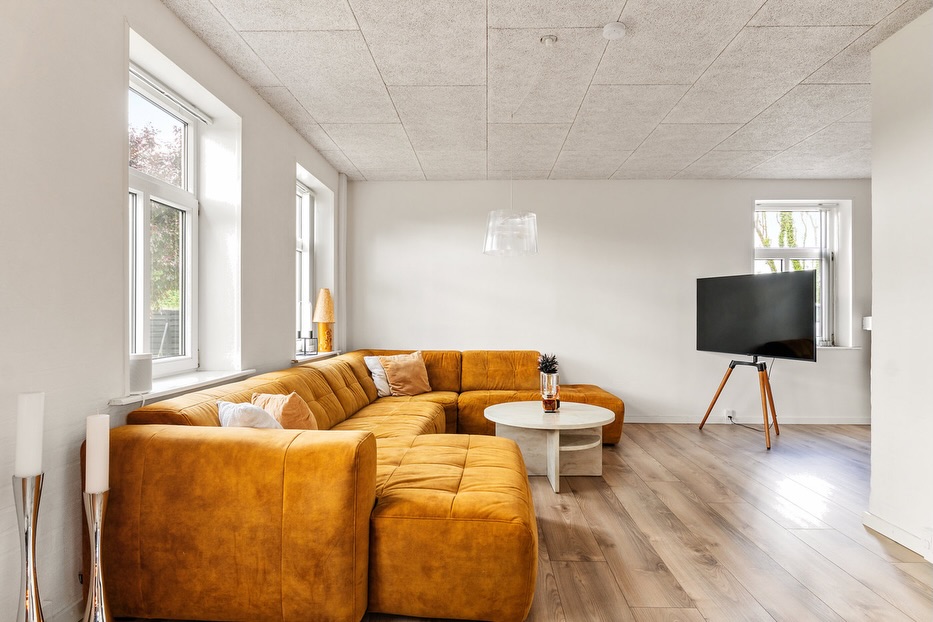
This farmhouse was renovated, but very carefully. It is still very robust at the core. The arrangement is efficient. It is livable immediately. Besides, the house remains endowed with a certain quiet splendor of the old aura the massive walls, the dimensions, the way it is nestled within the landscape rather than dominating it.
That is what really counts.
The Island of Als: A Forgotten Corner of Denmark
In fact, most people are not able to locate Als on the map.
That even increases its allure.
Als is a medium size island in the South
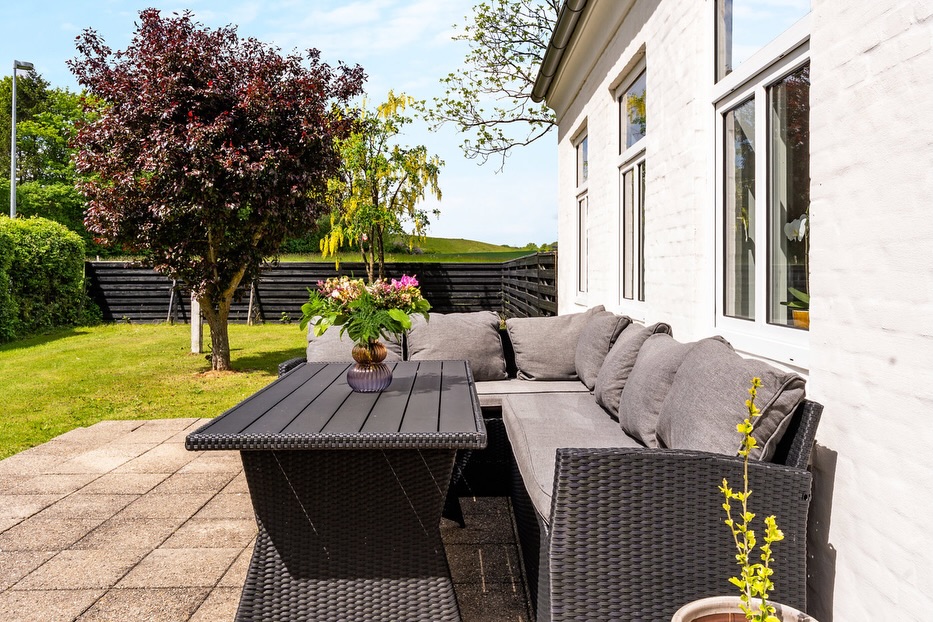
Beyond the terrace, the 950 m² garden opens up. Green. Quiet. Well-proportioned. The kind of outdoor space where you could grow vegetables, plant a fruit tree or two, or simply do nothing at all.
The Bedrooms and Bathroom
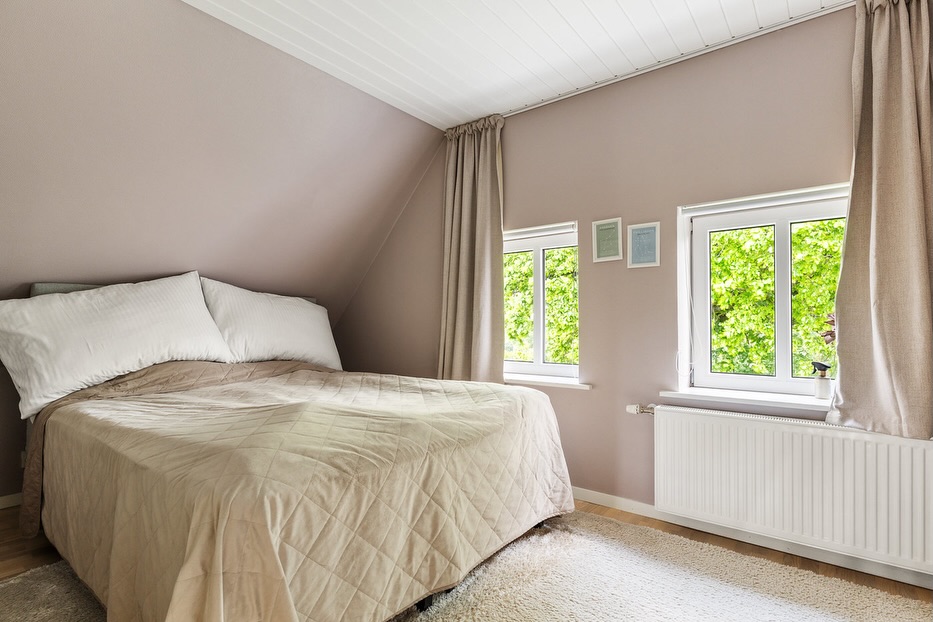
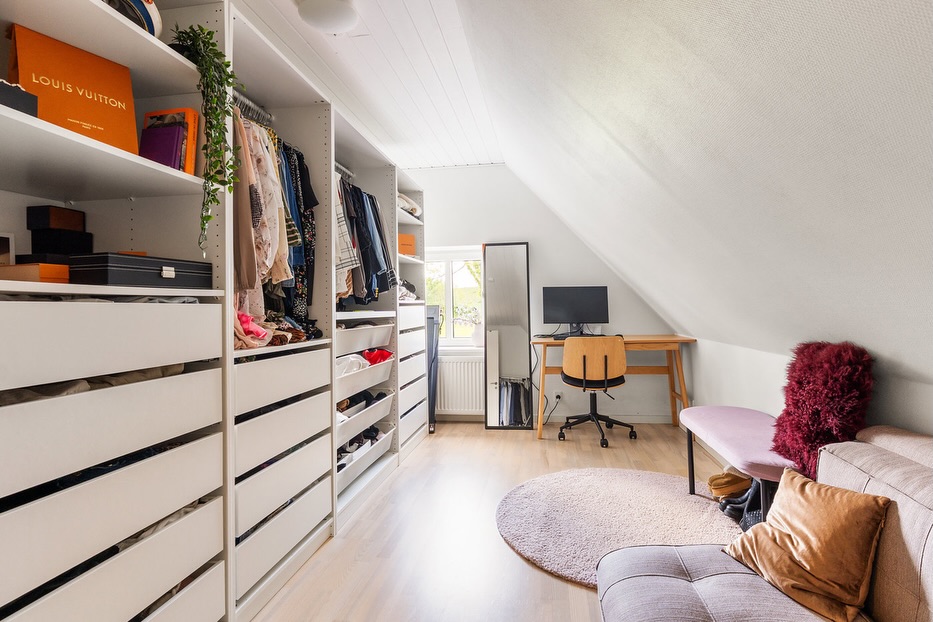
Three bedrooms. One bathroom.
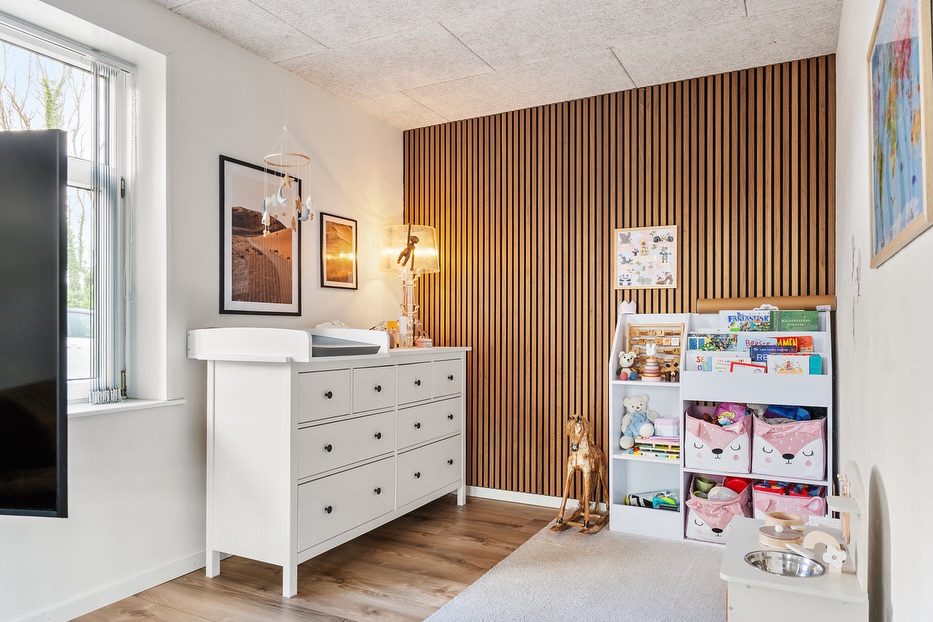
In comparison with other houses from this time that have a similar price, this is quite a reasonable package. The rooms are relatively small in size – which again fits the time when the house was constructed, a period when people did not expect their bedrooms to be like suites. Even so, small does not imply very limited. There is ample room for a regular double bed, some storage space, and a nice view of the countryside.
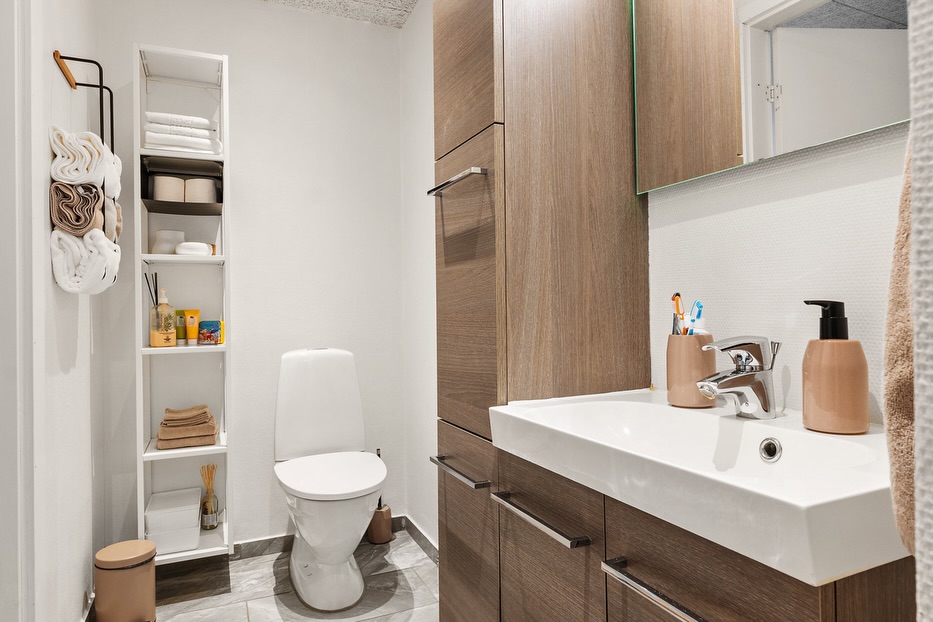
Functionally, the bathroom does its job. It has been updated, but it’s a little plain – Though, this is completely fine for this place.
The Cellar
Compact, dry, and quite practical.
The cellar is located under the house and serves Mainly as a storage area – for preserved fruits and vegetables, wines, and any other items that one hundred years old farmhouse will most likely have collected over the years. This is a characteristic setting that distinguishes a genuine old farmhouse from a modern replica. A cellar is a feature of every decent Danish country house.
The Outbuilding: 32 Square Metres of Possibility
There is a little fun for a particular type of buyer here.
The 32 m outbuilding serves a dual function as both a garage and a workshop.
Now, consider what this would mean in reality.
A woodworking hobbyist has a separate area besides the house – space for a workbench, hanging tools, making sawdust without worries. For a person who loves to restore old motorcycles or vintage cars, it’s the perfect place. A remote worker who wants a real division between home life and work can turn it into a studio or a working space.
Outbuildings like this one are frequently the silent selling point for rural properties. They are rarer than you might think and if they are in good condition, they genuinely add value to everyday life.
The Architecture: What 1914 Actually Looks Like
The year 1914 marks the last phase of quite an interesting chapter in Danish farmhouses.
The vernacular farmhouse tradition in Denmark
Who Buys a House Like This?
Not everyone. That’s the honest answer.
A 110-year-old farmhouse in a small Danish hamlet isn’t for the person who wants a city apartment with a concierge. It isn’t for the buyer who needs to be within walking distance of restaurants and shops.
But for a specific kind of person — or a specific kind of family — it’s close to perfect.
Think about:
- Remote workers who’ve realized that a fiber internet connection matters more than a commute. Denmark’s rural infrastructure is solid. The island is connected. Working from a farmhouse office while looking out at empty fields isn’t a romantic fantasy here — it’s entirely achievable.
- Retirees or early retirees from higher cost-of-living countries (the UK, the US, Germany, the Netherlands) for whom $160,000 represents genuine value, and for whom the Danish quality of life — healthcare, safety, social infrastructure — is a significant draw.
- Craftspeople and makers who need space to work. The workshop garage alone justifies serious attention.
- Writers, artists, or anyone who has spent years looking for somewhere quiet enough to think. Als offers that in abundance.
- Families looking to raise children away from urban density, in a country consistently ranked among the best in the world for wellbeing and safety.
Practical Considerations for Foreign Buyers
Denmark is not the simplest country for non-EU citizens to purchase property in. There are restrictions.
EU citizens generally have the right to purchase property in Denmark, particularly if they can demonstrate a connection to the country — through residence, work, or family. Non-EU buyers typically need to apply for permission from the Danish Ministry of Justice, and those permissions are assessed case by case.
It’s worth doing the research early. Danish property law is transparent and well-regulated. The process isn’t opaque — it just requires attention and the right legal guidance.
The price point also deserves a note. Under $160,000 for a move-in ready, century-old villa with outbuilding and garden on a Danish island is genuinely unusual. Rural Danish property has been quietly attracting international attention, and prices in areas like Sønderborg municipality — which is well-connected and has benefited from cross-border investment given its proximity to Germany — are not static.
The Quiet Appeal of Forgotten Rural Places
There’s a reason that properties like Helved 14 attract attention far beyond their immediate geography.
We’ve spent years documenting the pull of overlooked and abandoned places across Europe — from forgotten manor houses to shuttered rural estates. What draws people isn’t always decay or drama. Often, it’s the opposite.
It’s the discovery of a place that was simply left alone. That wasn’t “improved” into anonymity. That still carries the weight of its own history.
Helved 14 wasn’t abandoned. But it belongs to that same category of authentic, overlooked architecture — the kind of place that exists without advertisement, without Instagram presence, without a heritage plaque. It just stands in its field and waits.
For certain people, that’s the most powerful sales pitch of all.
Living on Als: What Daily Life Actually Looks Like
The island of Als has around 55,000 residents. That’s enough for a functioning community — schools, hospitals, supermarkets, ferry connections — but not so many that the quiet ever disappears entirely.
Sønderborg, the main city on Als, is a 20-minute drive from Helved. It has everything you’d need for daily life: a hospital, a university, a pedestrianized town centre, and a castle that has been standing since the medieval period. It also sits directly on the water, which gives it a particular light and openness.
The island is deeply rural between its settlements. Fields. Beech forests. Small harbours. Cycling paths that follow the coastline. In summer, Als is genuinely beautiful — green and golden and unhurried.
Winter is another matter. Denmark’s winters are grey and long. The light disappears early. The wind comes in off the water with purpose. Anyone considering rural island life in southern Denmark should go in February, not June, to understand the full picture.
But for the right person? A proper winter in a century-old farmhouse with thick walls, a functioning kitchen, and a workshop full of ongoing projects isn’t a hardship. It’s exactly the point.
A Note on Properties Like These
Helved 14 is the kind of property that tends to appear briefly and disappear quietly.
It doesn’t have the drama of a forgotten estate left to the wilderness — no collapsed roof, no nature reclaiming the rooms, no sense of mystery wrapped in ruin. But it shares something with those places: the feeling that you’ve found something real. Something that wasn’t made for you, but might fit you anyway.
Century-old rural properties that are genuinely move-in ready are a narrowing category. The ones that haven’t been gutted are narrower still. And the ones priced under $160,000 in a stable, safe, high-quality-of-life European country — that’s a very small list.
Conclusion
A Danish farmhouse villa built in 1914 doesn’t come with a guarantee of perfection. Nothing a century old does.
But Helved 14 comes with something better: authenticity. A real layout. A working outbuilding. A terrace that catches the afternoon sun. A quiet garden. A hamlet that hasn’t tried to become something it isn’t.
And a price that, for the right buyer, makes the math work in a way that’s difficult to argue with.
If you’re the kind of person who finds forgotten places compelling — who understands that old things have a value that square footage alone doesn’t capture — this Danish farmhouse villa is worth your serious attention.
Before someone else figures that out.
FAQ: Danish Farmhouse Villa on Als, Denmark
Q: Can foreigners buy property in Denmark?
A: EU citizens can generally buy property in Denmark. Non-EU citizens typically need to apply for permission from the Danish Ministry of Justice. It’s advisable to consult a Danish property lawyer before making an offer.
Q: Is Als a good place to live year-round?
A: Yes, for the right lifestyle. Als has good infrastructure, proximity to Sønderborg, and a strong community. Winters are grey and cold, so it suits those who appreciate a quiet, slower pace of life in all seasons.
Q: What is the property tax situation in Denmark?
A: Denmark has a property value tax (ejendomsværdiskat) and a land tax (grundskyld). Both are calculated based on assessed values. Your estate agent or a Danish tax advisor can provide current rates for Sønderborg municipality.
Q: Is Helved 14 listed or heritage-protected?
A: Based on available information, the property does not appear to carry a formal heritage listing. However, any buyer should verify this with the local municipality, as buildings of this age can be subject to local conservation guidelines.
Q: What does “move-in ready” mean for a 1914 farmhouse?
A: It means the property has been maintained and updated enough that it can be lived in without immediate major works. It does not mean every element is new — it means the structure is sound, systems are functional, and the home is habitable as-is.
Q: How far is Helved from the nearest city?
A: Helved sits outside Augustenborg, which is approximately 15-20 minutes by car from Sønderborg — the main city on Als island.
Q: What are the main costs beyond the purchase price?
A: Buyers should budget for Danish conveyancing fees, stamp duty (tinglysningsafgift), and potentially a professional survey. Ongoing costs include property taxes, utilities, and standard maintenance for an older home.
All property details are based on the listing information provided. Buyers are encouraged to conduct independent due diligence, engage a qualified Danish property solicitor, and visit the property in person before proceeding.