
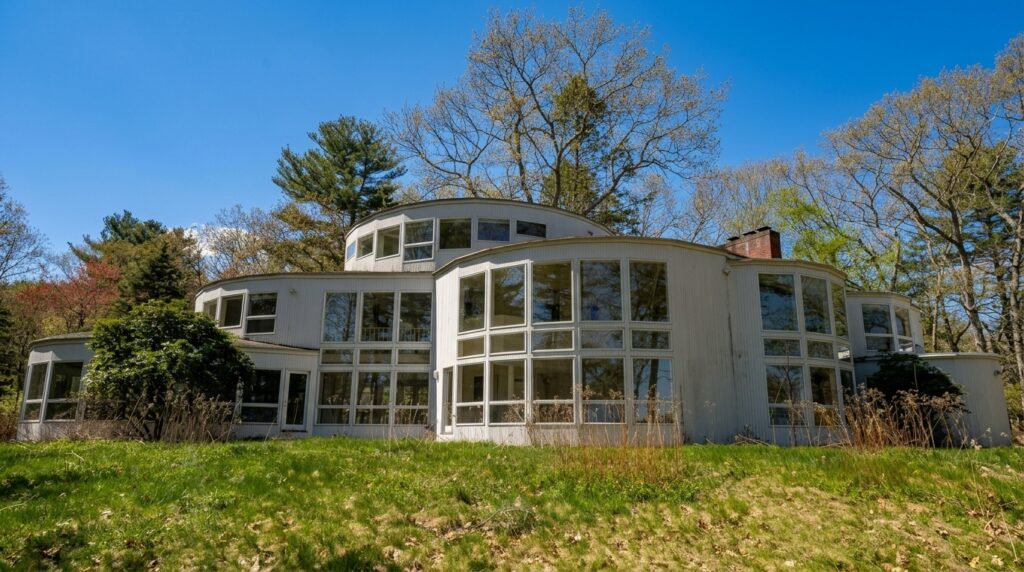
There is something deeply unsettling about a mansion that nobody wants.
Not a crumbling shack. Not a derelict warehouse on the edge of an industrial town. A mansion — the kind with marble staircases, ballrooms the size of tennis courts, and hand-painted ceilings that took artisans years to complete. These are homes that were once worth millions. In some cases, they still are.
And yet, they sit empty. Year after year. The windows go dark. The gardens go wild. The abandoned mansion gathers dust, legal disputes, and ghost stories in equal measure.
Why won’t anyone buy them?
That question is more complicated — and far more fascinating — than you might think.
What Makes an Abandoned Mansion “Unsellable”?
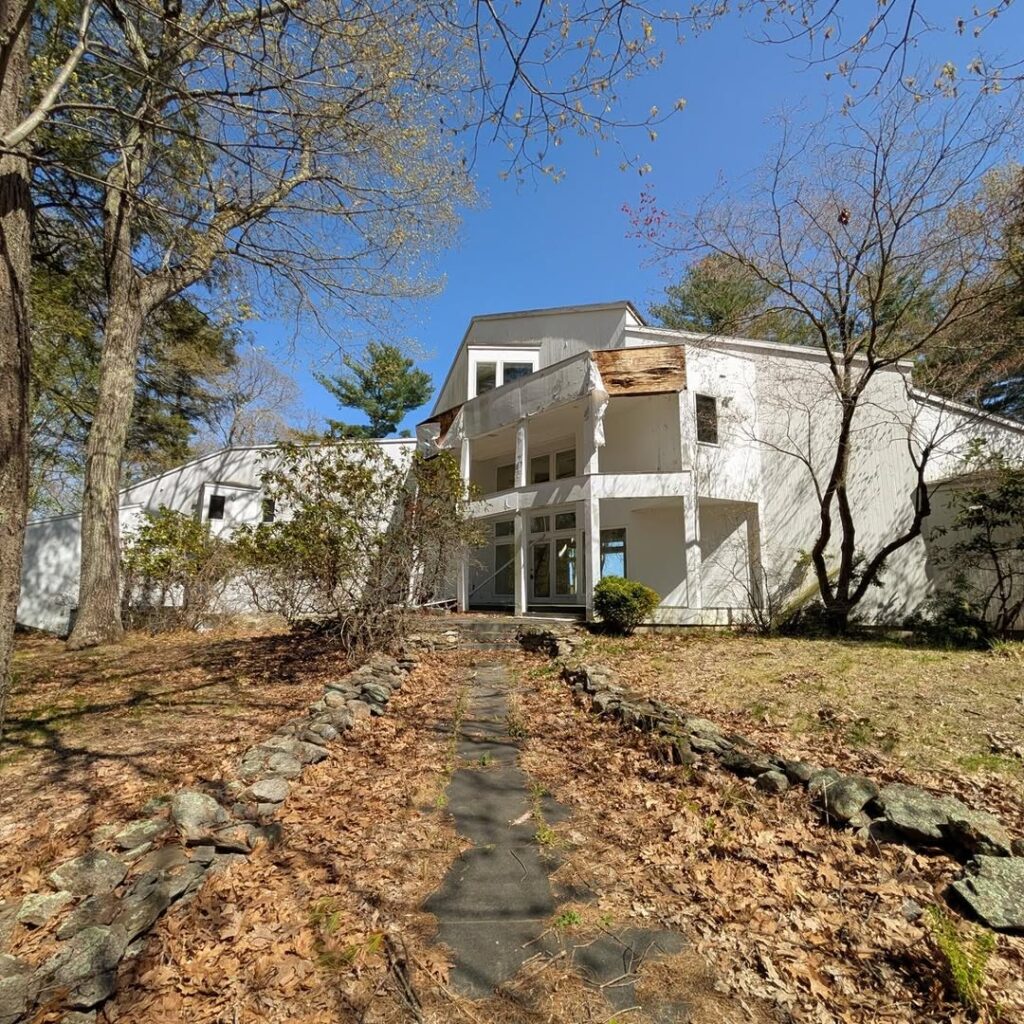
Most people assume an abandoned property is abandoned because it’s worthless. But some of the most expensive forgotten estates in the world carry price tags that would make your jaw drop. We’re talking anywhere from $2 million to well over $20 million, sitting untouched for decades.
So what’s actually going on?
The Hidden Costs Behind the Grand Facade
Buying a decaying estate isn’t like buying a fixer-upper in the suburbs. The moment you sign on the dotted line, you inherit a long and very expensive list of problems.
- Structural damage that can run into the tens of millions to repair
- Asbestos, lead paint, and toxic materials from older construction eras
- Heritage listing restrictions that limit what you can and cannot change
- Environmental remediation if the land has been contaminated
- Tax arrears and outstanding debts attached to the property title
A mansion that looks like it costs $5 million on paper can easily demand $15 million in restoration before it becomes livable. That math doesn’t work for most buyers — even wealthy ones.
The Story of Europe’s Most Famous Unsold Châteaus
Across France, Belgium, and Scotland, there are hundreds of what locals call châteaus fantômes — ghost châteaus. These are once-grand estates that have slipped through the cracks of time, inheritance disputes, and bureaucratic red tape.
Many of them appear on property listings at surprisingly low prices. Some sell for €1. Yes, one euro.
But the hidden costs are enormous. The local governments that occasionally list these properties for next to nothing do so because they desperately need someone — anyone — to take on the restoration burden. So far, few takers have lasted long enough to see the job through.
You can explore more stories like this on abandoned estates across Europe, where the history behind each forgotten property is just as haunting as the crumbling walls themselves.
A Closer Look: The Anatomy of One Forgotten Estate
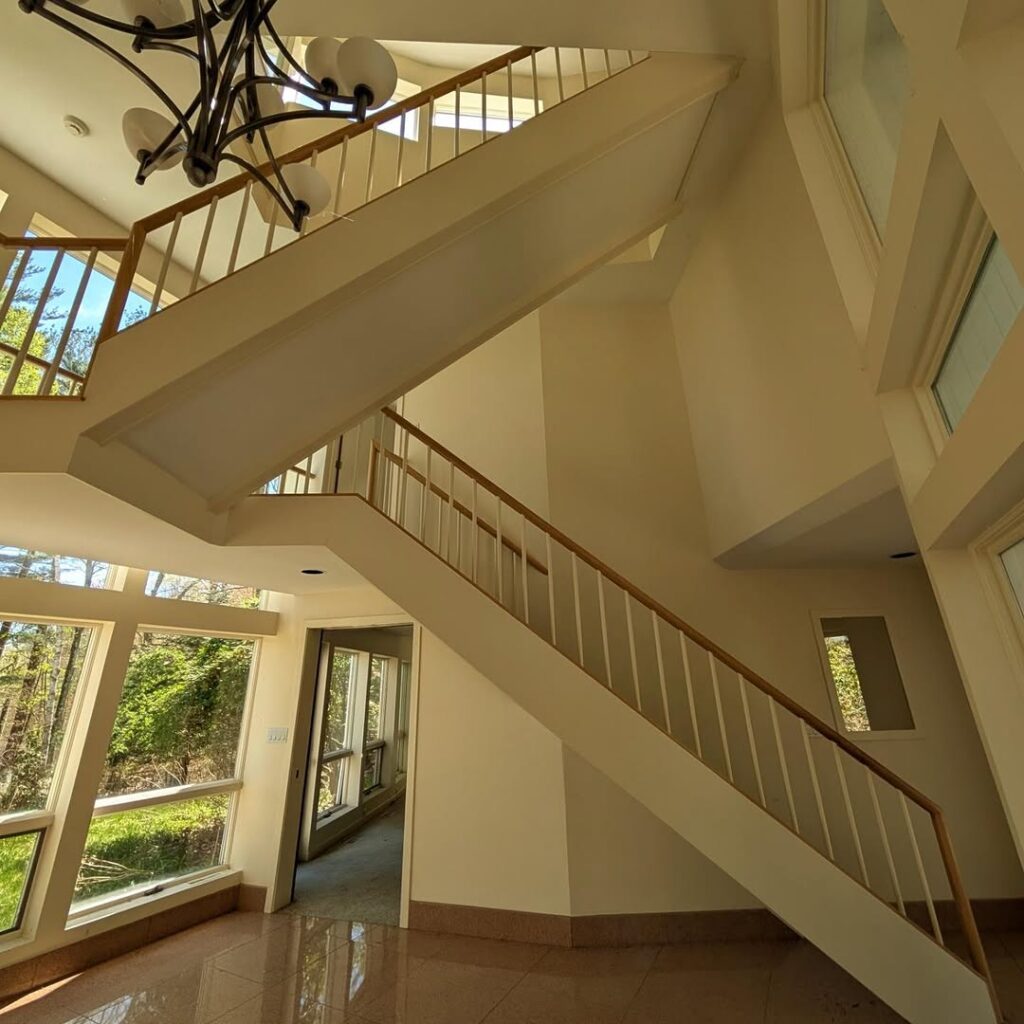
Let’s talk about a specific type of estate that appears again and again in the world of urban exploration and heritage preservation.
Imagine a property built in the late 1800s. A wealthy industrialist — iron ore, coal, or perhaps railway money — commissioned it as a statement of power. No expense was spared. Italian marble was shipped in for the floors. French craftsmen were brought over to plaster the ceilings. The gardens were designed by a landscape architect who’d worked on royal commissions.
For fifty years, the estate hosted lavish parties. Politicians, artists, and business magnates passed through its oak-paneled halls. The wine cellar was legendary.
Then, gradually, the money ran out.
The Slow Decline
The industrialist died. His children quarreled over the inheritance. One wanted to sell; the other refused. A third sibling filed a lawsuit. The estate sat frozen in legal limbo for years — and then decades.
Meanwhile, the roof began to leak. The damp crept into the walls. The plaster ceilings, once magnificent, started to sag and crumble. Birds nested in the upper floors. Ivy swallowed the garden walls.
By the time the legal battles were finally resolved — sometimes taking thirty or forty years — the restoration cost had ballooned beyond what any private buyer was willing to absorb. Heritage protection orders had been placed on the building, meaning the new owner couldn’t simply tear down the damaged sections and start fresh.
The estate returned to the market. And sat there again.
This is not one story. It is hundreds of stories, playing out across the world.
Why Heritage Status Is a Double-Edged Sword
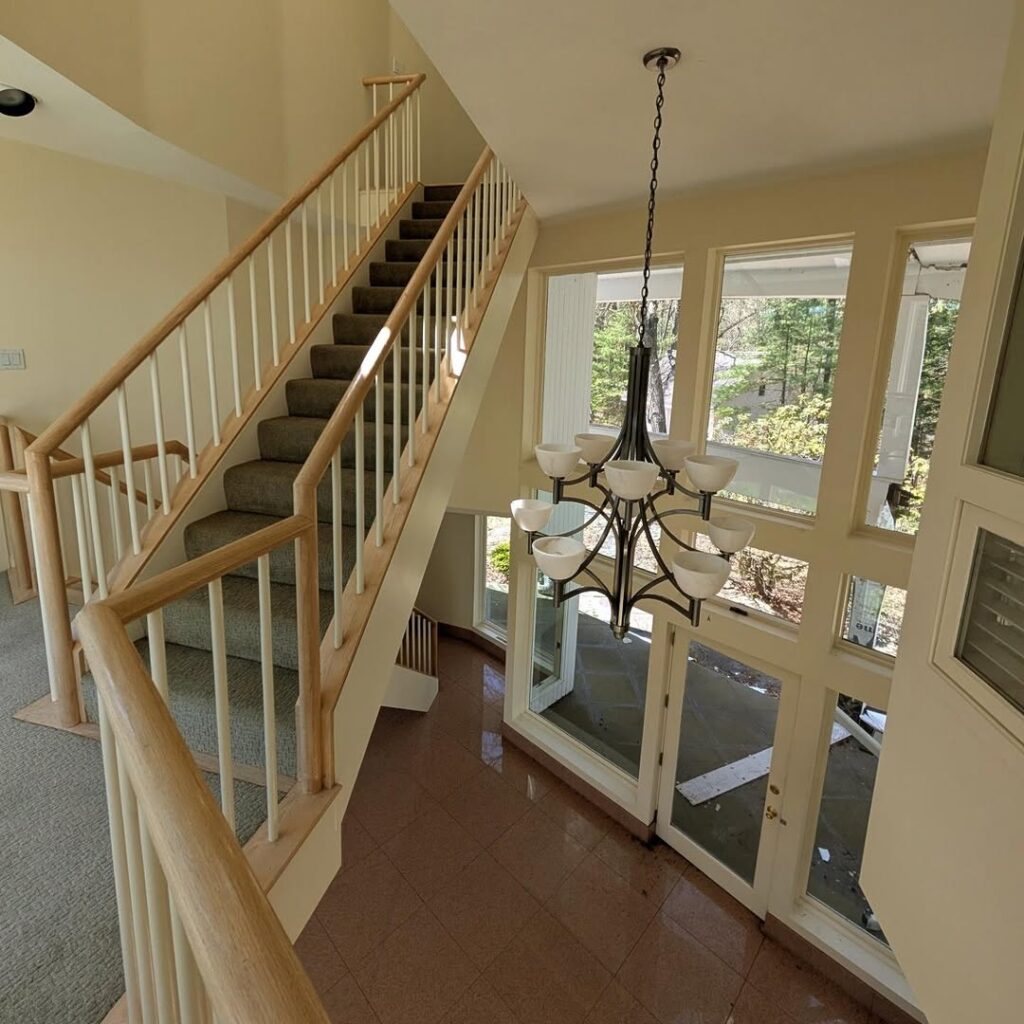
You’d think a listed heritage building would attract buyers. After all, history has value, right?
In reality, heritage status can be one of the biggest barriers to sale.
When a property is listed — whether under UNESCO World Heritage criteria or a national heritage register — the new owner takes on a legal obligation to maintain and restore it to a specific standard. You can’t knock down a Victorian-era conservatory just because it’s structurally compromised. You must restore it. Using approved materials. Using approved methods. At approved costs that are often far above modern equivalents.
Some restoration requirements are so specific that only a handful of specialist firms in the entire country can carry out the work. That creates a monopoly — and monopolies mean premium prices.
For buyers who dream of turning an old estate into a boutique hotel or private residence, these restrictions can make the project financially unviable before it even begins.
The Role of Inheritance Laws and Family Disputes
In many European countries, inheritance law operates very differently from the Anglo-American system.
In France, for example, forced heirship laws mean that certain relatives — typically children — cannot be fully disinherited. When a wealthy estate owner dies, the property may be split between multiple heirs who have wildly different ideas about what to do with it.
Some want to sell. Some want to keep it in the family. Some have emigrated and have no practical use for a crumbling château in rural Burgundy. Others have deep sentimental attachments and refuse to let it go.
The result? Stalemate. And while the heirs argue across international borders, the mansion quietly decays.
This pattern repeats in Scotland with old clan estates, in Italy with Renaissance-era villas, and in the American South with antebellum plantation houses — each carrying their own complex legal and emotional baggage that keeps buyers at a careful distance.
For a deeper look at these forgotten American estates, the team at forgotten American mansions and their untold stories has documented some remarkable examples that never made the history books.
What Happens Inside: The Slow Decay
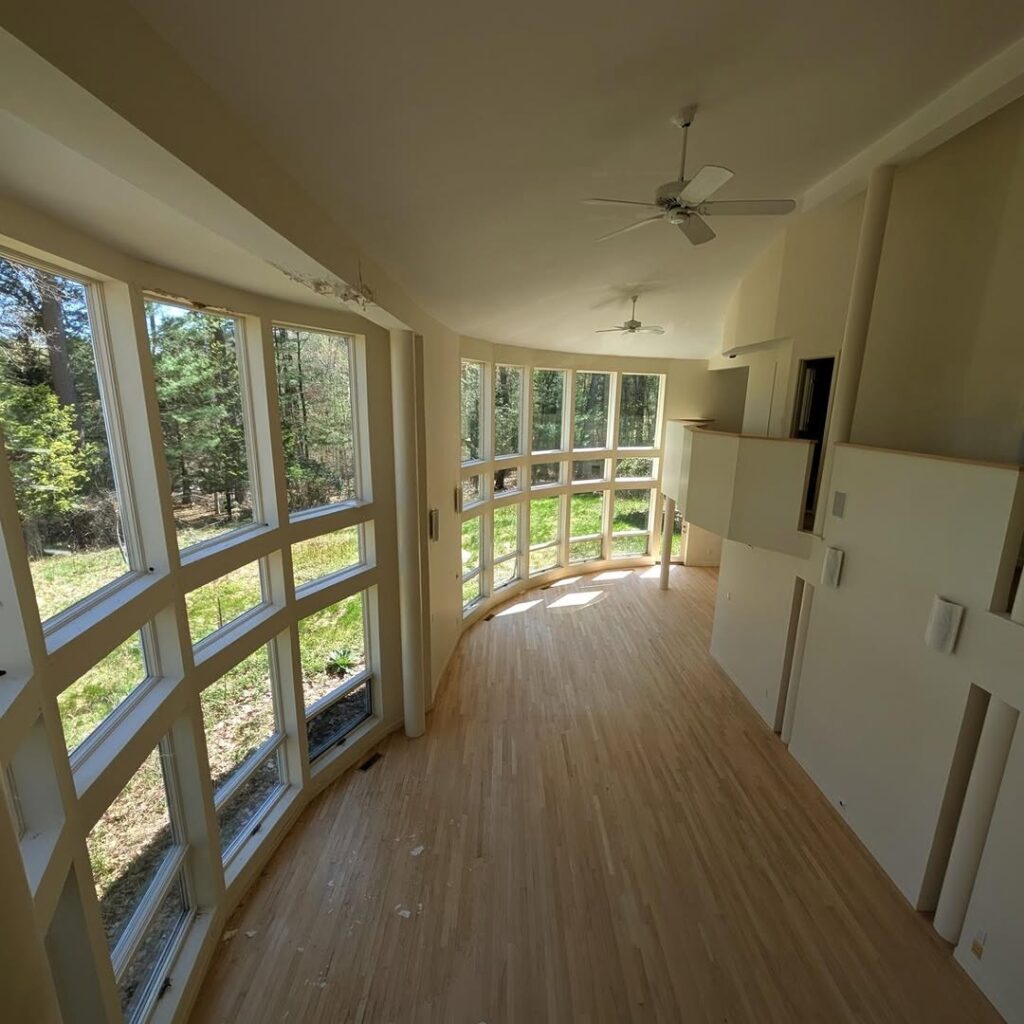
Walk through the front door of an estate that’s been empty for twenty years. The first thing you notice isn’t the peeling paint or the fallen plaster. It’s the silence.
It’s heavy. Like the house is holding its breath.
The air tastes of mildew and old wood. Your footsteps echo in rooms that once absorbed the noise of dozens of people. A grand piano sits in the corner of what was once a music room, its keys yellowed and warped, lid permanently stuck from years of moisture. Sheet music is still open on the stand — whoever left last was in a hurry, or simply never planned on leaving.
The dining table is still set in some of these places. Chandeliers hang overhead, crystals dulled by layers of dust. Family portraits line the hallways, their painted eyes following you through rooms that feel frozen mid-century.
It’s both beautiful and deeply melancholy.
What Urban Explorers Find
The urban exploration community — known informally as urbex — has documented hundreds of these estates over the years. Their photography captures something that no written description can fully convey: the strange poetry of a place that time forgot.
What they consistently find inside includes:
- Personal belongings left completely intact — clothing, books, even medicine cabinets
- Decorative features of extraordinary value — plasterwork, stained glass, hand-laid tile
- Evidence of the last occupants — calendars stopped on a specific month and year
- Signs of the slow battle against nature — tree roots pushing through floorboards, water stains mapping the ceiling like strange continents
It’s worth emphasizing: visiting these properties without permission is trespassing and carries real legal consequences. The right way to engage with this world is through documented photography, historical research, and supporting heritage preservation organizations that are working to save these buildings through legitimate channels.
The Economics of Restoration: Why the Numbers Rarely Add Up
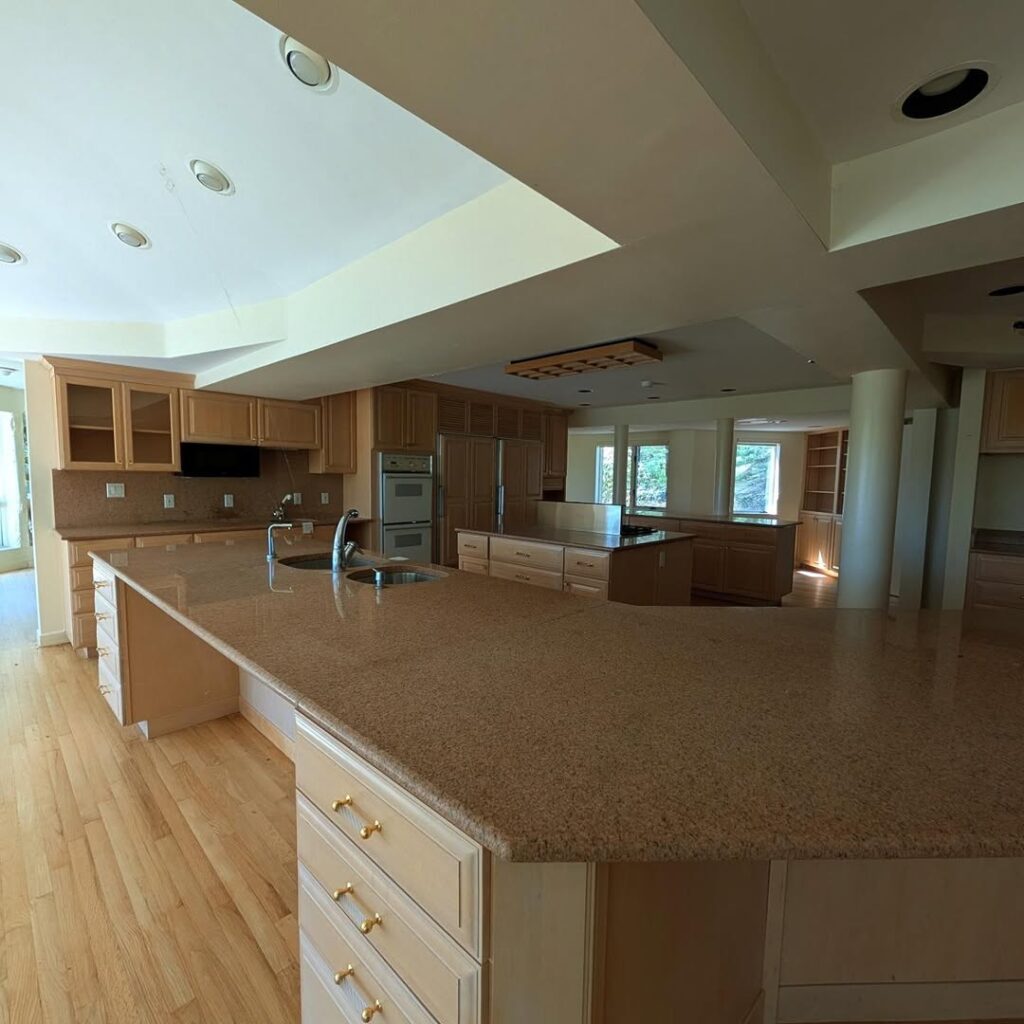
Let’s be honest about the finances for a moment.
Restoring a large historic mansion is not a renovation project. It is closer to building a new structure from scratch — but harder, slower, and more expensive, because you’re constrained at every turn by what was originally there.
A rough breakdown for a typical large estate restoration might look like this:
- Structural survey and assessment: $50,000–$150,000
- Roof replacement (period-appropriate materials): $500,000–$2 million+
- Damp treatment and remediation: $200,000–$800,000
- Plasterwork restoration: $300,000–$1.5 million
- Electrical, plumbing, and HVAC modernization: $400,000–$1.2 million
- Window and door restoration: $200,000–$600,000
- Grounds and outbuildings: $100,000–$500,000
Add it all up, and a modest estate restoration can easily exceed $5 million. A large one can push past $20 million. And that assumes no unpleasant surprises along the way — which, with a building that’s been neglected for decades, is almost never the case.
The financial model only works in a small number of scenarios:
- A buyer with deep pockets and a passion project mentality
- A developer who can convert the estate into a luxury hotel or apartments (if regulations allow)
- A public body or heritage trust that attracts grant funding
- An international buyer who underestimates the restoration scope
That last category explains why some of these estates change hands — only to fall back into disrepair when the new owner finally faces the true cost.
The Abandoned Château That Keeps Making Headlines
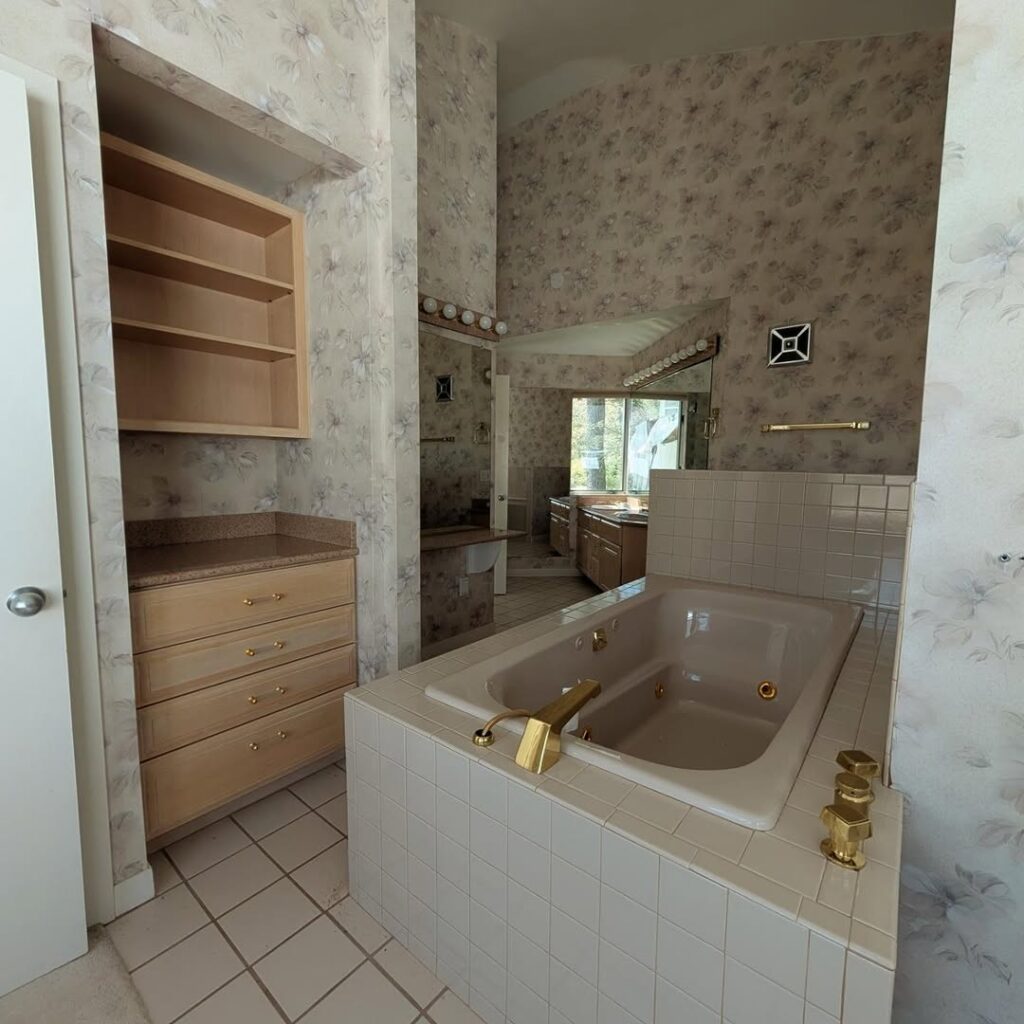
Every few years, a story circulates online: a French château selling for less than the price of a used car. These stories go viral for good reason. The idea of owning a piece of European history for €1 feels like a fairy tale.
What the headlines don’t tell you is what comes next.
The buyers who do take the plunge — and there are a few brave souls every year — quickly learn that the real price tag was never on the listing. It was hiding in the walls, the foundations, and the bureaucratic requirements attached to every stone.
Some succeed. A handful of châteaus across France, Belgium, and Ireland have been beautifully restored by determined private buyers who committed fully to the project, often spending years living on-site and managing the work themselves.
But for every success story, there are ten more properties that changed hands, stalled, and eventually returned to the same limbo they started in.
The abandoned château persists. Patient, indifferent, slowly reclaiming its own space from human ambition.
Can These Mansions Be Saved?
Yes — but it requires the right combination of funding, vision, and determination.
Heritage trusts like the National Trust (UK) and equivalent organizations in France, Germany, and the United States have saved hundreds of historic properties from complete ruin. Their model relies on a mix of public grants, private donations, and visitor income to fund ongoing restoration.
For privately owned estates, the picture is harder. Without public funding, the restoration burden falls entirely on the buyer. And as we’ve seen, that burden can be crushing.
Some solutions that have worked include:
- Converting to a wedding venue or event space — generating income to offset restoration costs
- Filming location partnerships — period dramas and commercials can bring in significant revenue
- Agri-tourism — working farms attached to estates can become viable businesses
- Community land trusts — shared ownership models that distribute both cost and benefit
There’s no single answer. But the estates that survive are almost always the ones where someone — an individual, an organization, or a community — made a genuine long-term commitment.
Conclusion: The Forgotten Estate and What It Tells Us
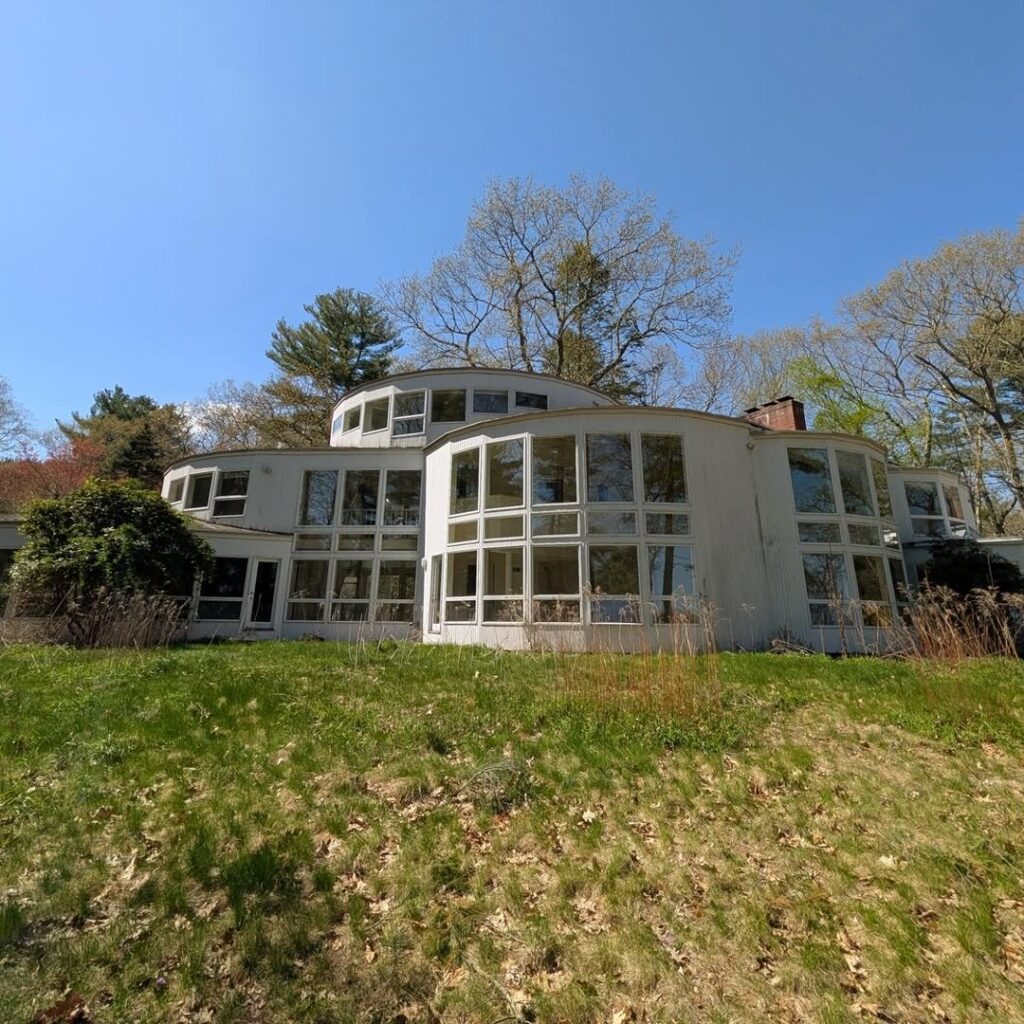
The most expensive abandoned mansion nobody buys isn’t just a real estate curiosity. It’s a mirror.
It reflects how we value history — and how often we struggle to protect it when the cost becomes inconvenient. It reflects the complexities of inheritance, law, and national identity wrapped up in stone and plaster. And it reflects something quietly human: the impulse to hold on to the past even when letting go might be more practical.
These properties deserve better than slow decay. The architecture they represent — the craftsmanship, the scale, the ambition — is irreplaceable. Once it’s gone, it’s gone.
Whether through heritage trusts, adventurous private buyers, or creative adaptive reuse projects, the best possible outcome is always the same: the doors open again. The windows let in light. The silence breaks.
If stories like this fascinate you, you’ll find dozens more deeply researched histories at the world’s most remarkable abandoned properties — each one a reminder that the past has a way of refusing to disappear quietly.
Frequently Asked Questions
Why do some mansions sell for €1 if they’re worth millions? The low price reflects the enormous restoration cost the buyer must absorb. Local governments or heritage bodies sometimes list properties symbolically to attract someone willing to invest in restoration, not because the building is worthless.
Is it legal to visit an abandoned mansion? In most countries, entering an abandoned property without the owner’s permission is trespassing, regardless of how long it has been empty. Always seek proper authorization or engage with the property through heritage open-day events.
What is a heritage listing, and how does it affect a property sale? A heritage listing places legal obligations on the owner to maintain and restore the building to specific standards. It can significantly increase restoration costs and limit the changes a new owner can make, which often reduces buyer interest.
Are there grants available to restore a historic estate? Yes, in many countries. Heritage lottery funds, government grants for historic buildings, and EU cultural heritage programs (for European properties) can all contribute to restoration budgets. Eligibility typically requires the property to meet certain criteria and the work to follow approved methods.
How long does it take to restore an abandoned mansion? A full restoration of a large historic estate typically takes between five and fifteen years, depending on the scale of damage, the complexity of heritage requirements, and the available budget. Some projects have run for twenty years or more.
What happens to abandoned mansions that nobody buys? Eventually, one of several things occurs: a heritage body steps in, the building collapses beyond repair, a developer acquires it for conversion (if permitted), or it is demolished. A small number remain in legal limbo for generations.
Content is intended for informational and historical purposes only. All properties referenced are discussed from a heritage and preservation perspective. Readers are encouraged to support legitimate heritage organizations working to protect historic architecture.


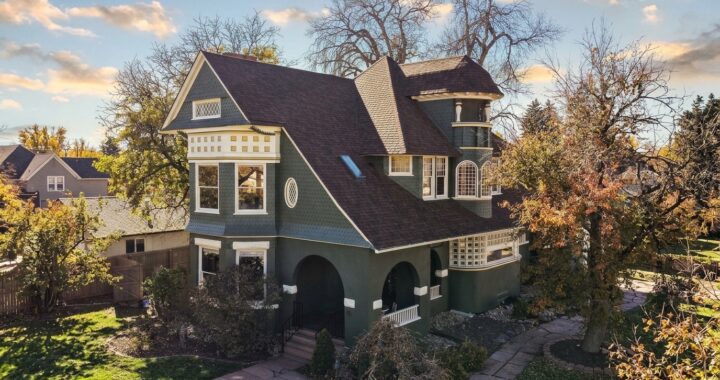
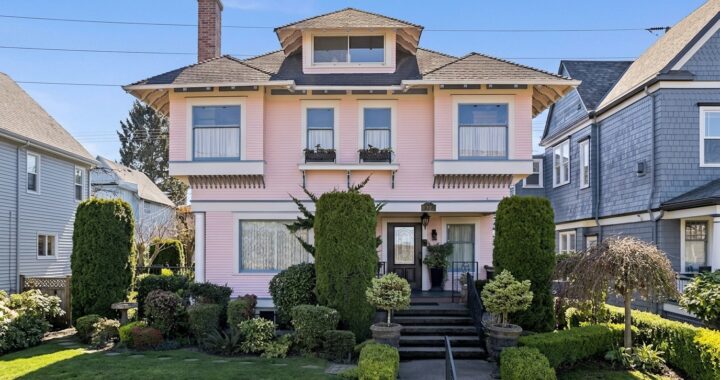
[…] a reason that lovers of forgotten estates and historic preservation return again and again to Victorian-era homes. These buildings […]
[…] a broader pattern here that connects to the wider world of expensive abandoned mansions that nobody wants to buy — fame and price tag alone don’t guarantee a property […]