There’s something about a forgotten estate that stops you cold.
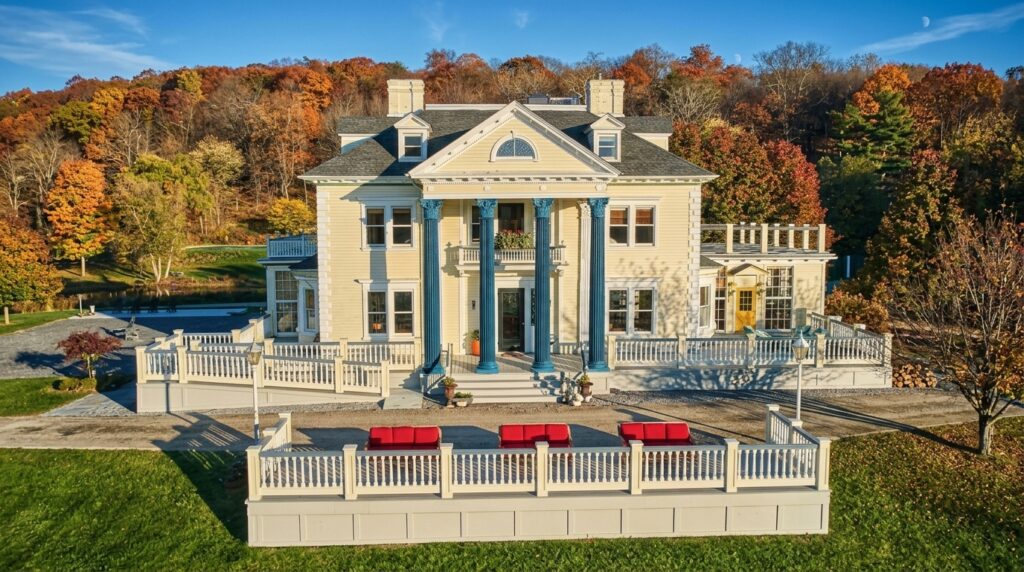
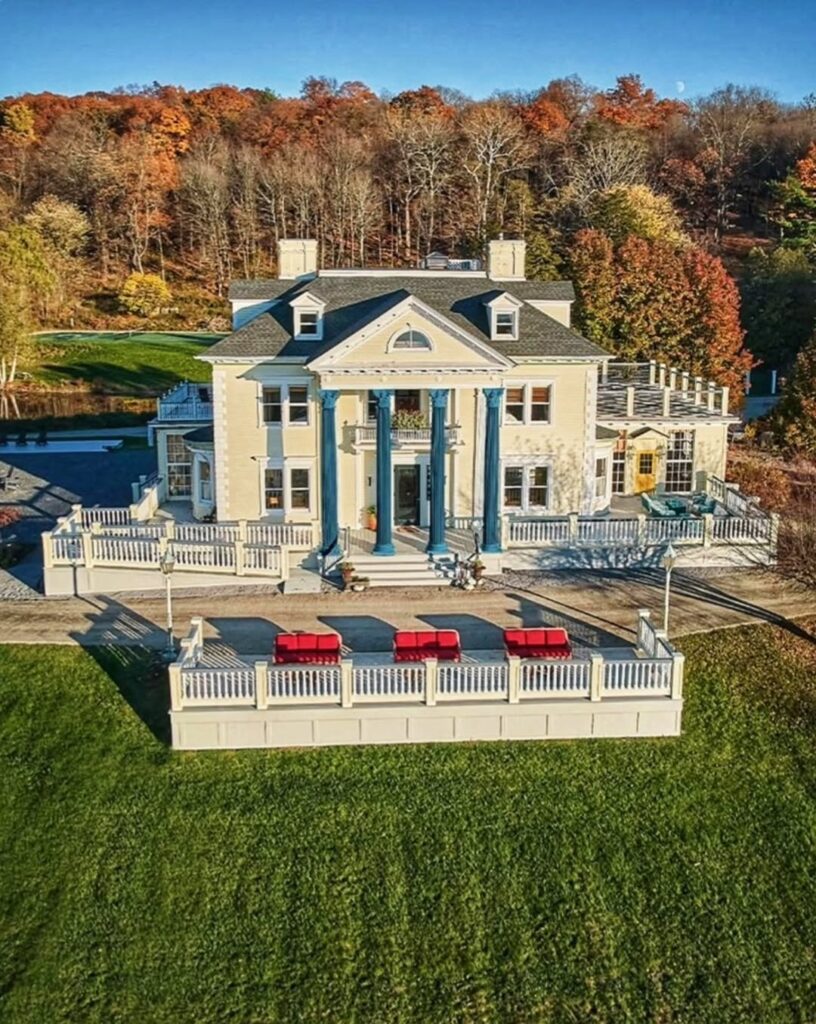
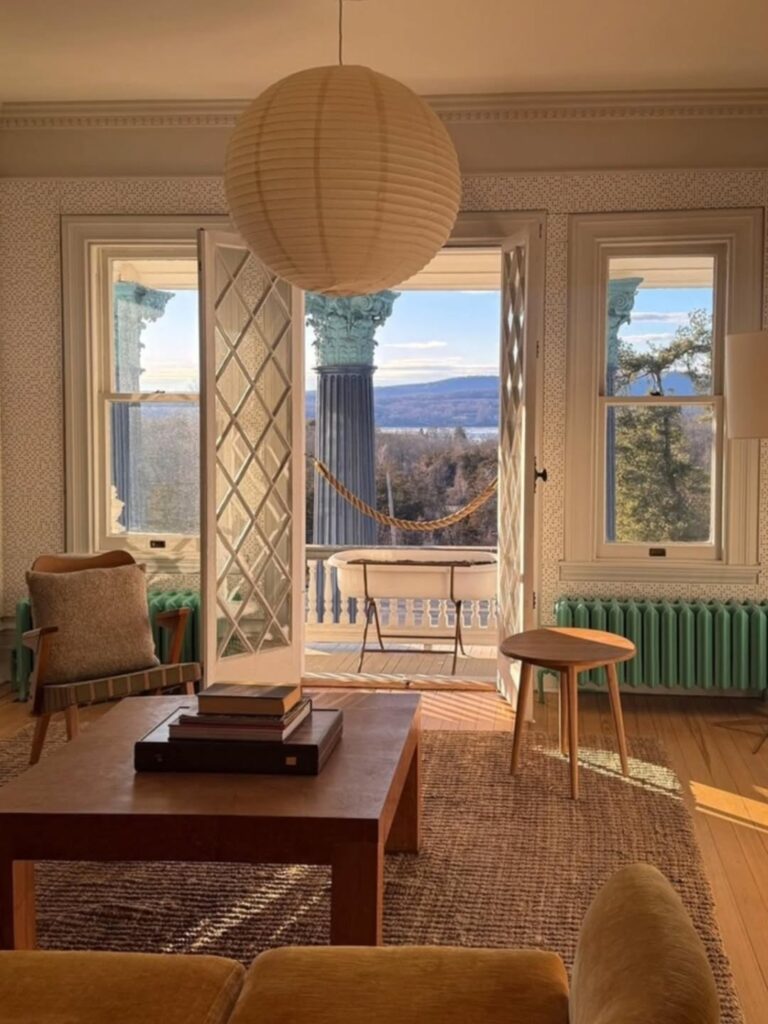
Maybe it’s the silence. Maybe it’s the dust hanging in shafts of pale light through shuttered windows. Or maybe it’s those blue Corinthian columns rising from the front facade — proud, impossible, almost defiant — as if the house itself refuses to be forgotten.
That’s the feeling you get when you first lay eyes on Belvedere Mansion at Pawling Manor, an abandoned mansion for sale in New York’s Hudson Valley. Listed at $9,500,000, it’s one of the most extraordinary forgotten estates currently on the market anywhere in the United States.
This isn’t just an old house. It’s 12,437 square feet of layered history, 25 bedrooms, 24 bathrooms, a grand carriage house, and — tucked away on the same 9.52 acres — a second house with six more bedrooms waiting for someone brave enough to bring it back to life.
Let’s step inside.
What Is Belvedere Mansion at Pawling Manor?
A Property With Roots in the 1600s
The main mansion was built in 1900, but the land itself tells a far older story. The property dates back to 1696 — a time when this stretch of Dutchess County was still frontier territory, when the ink on colonial land grants was barely dry.
To put that in perspective: this land was settled before the United States existed. Before George Washington was born. Before the American Revolutionary War turned colonies into a nation.
That kind of history doesn’t just sit in a museum. It sits in the soil. It sits in the stone foundations. And if you listen closely enough, it might just whisper through those long, empty halls.
The Numbers That Make Your Jaw Drop
Before we get into the atmosphere of the place, let’s lay out what you actually get here:
- 25 bedrooms (22 guest rooms + 3 staff rooms in the main mansion)
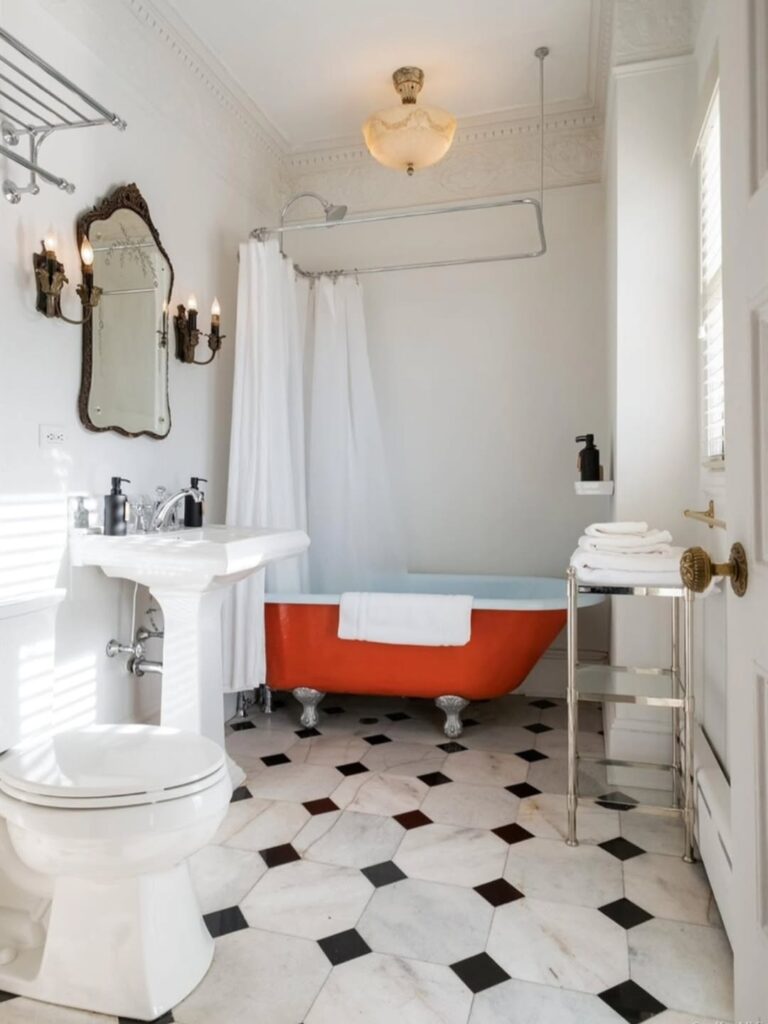
- 24 bathrooms
- 12,437 square feet of living space
- 9.52 acres of grounds
- A second house on-site with 6 additional bedrooms (in need of renovation)
- Listed at $9,500,000
- Built in 1900, on land that dates to 1696
This is not a modest fixer-upper. This is a full-scale, historic American château — the kind of property you’d expect to find somewhere in the Loire Valley, not tucked into the hills of upstate New York.
The Blue Corinthian Columns: Architecture Worth Talking About
Let’s talk about those columns.
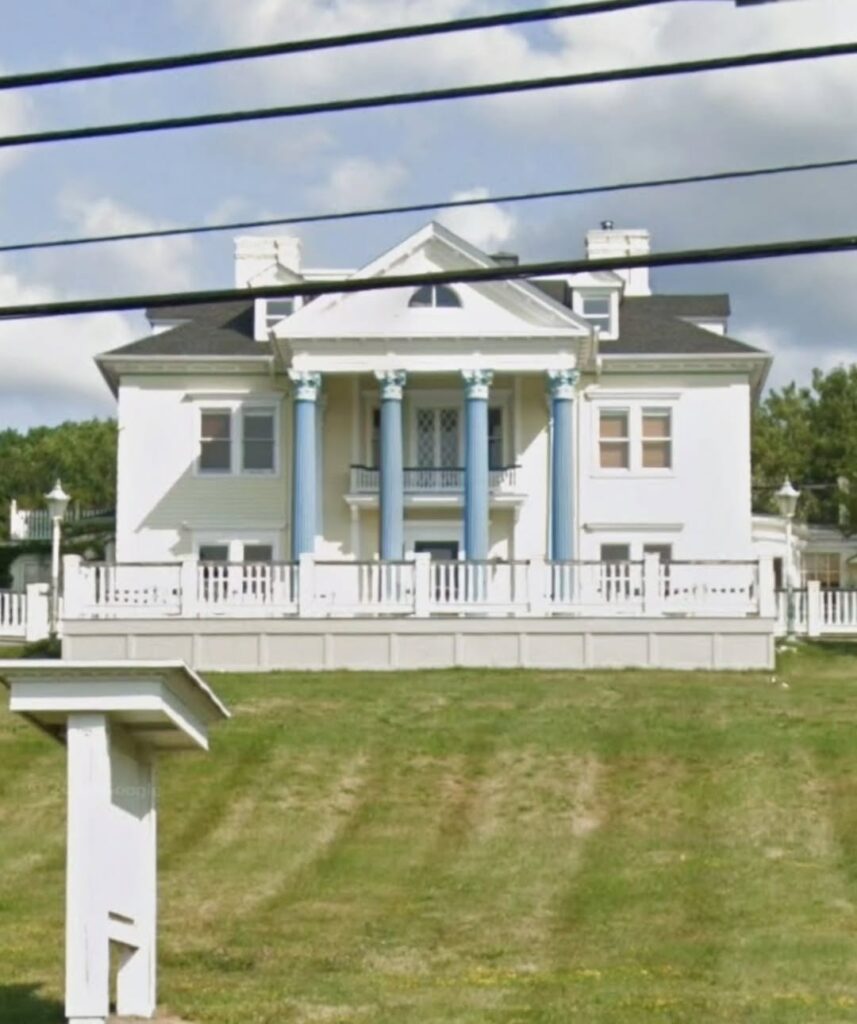
The first thing most people notice about Belvedere Mansion is the striking blue Corinthian columns flanking the entrance. They’re bold. They’re theatrical. They’re not what you expect.
Most grand American estates of the early 1900s favored white or cream-painted classical columns — think plantation revivals, think Gilded Age restraint. But whoever commissioned Belvedere Mansion had a different vision. The blue columns suggest personality, a deliberate break from convention, a statement.
Corinthian columns are the most ornate of the three classical Greek orders, distinguished by their elaborately carved acanthus-leaf capitals. When you see them painted in a deep, saturated blue against the pale stone of the facade, the effect is both regal and slightly dreamlike — like the house exists slightly outside of time.
That feeling never quite leaves you as you explore the property.
Inside the Mansion: 22 Guest Rooms and Forgotten Grandeur
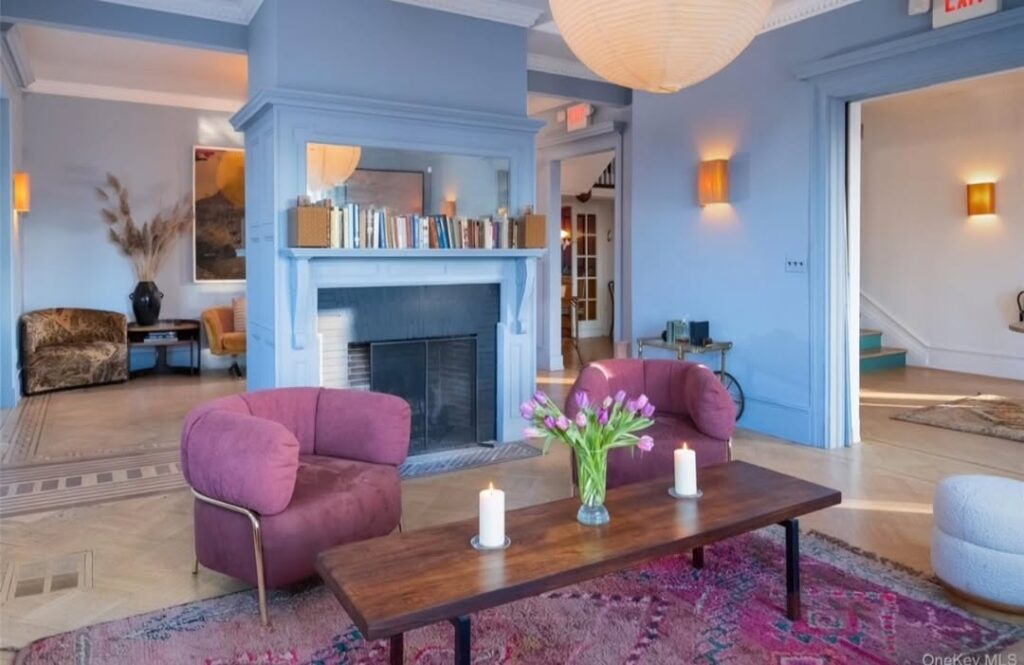
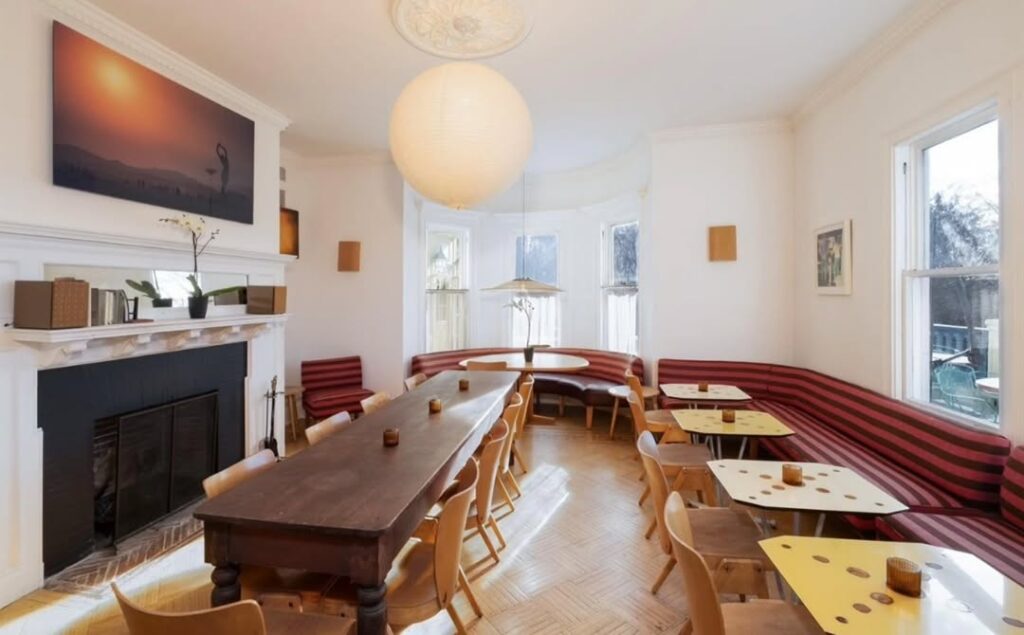
Step through the front doors and you’re walking into a place designed for hospitality on a grand scale.
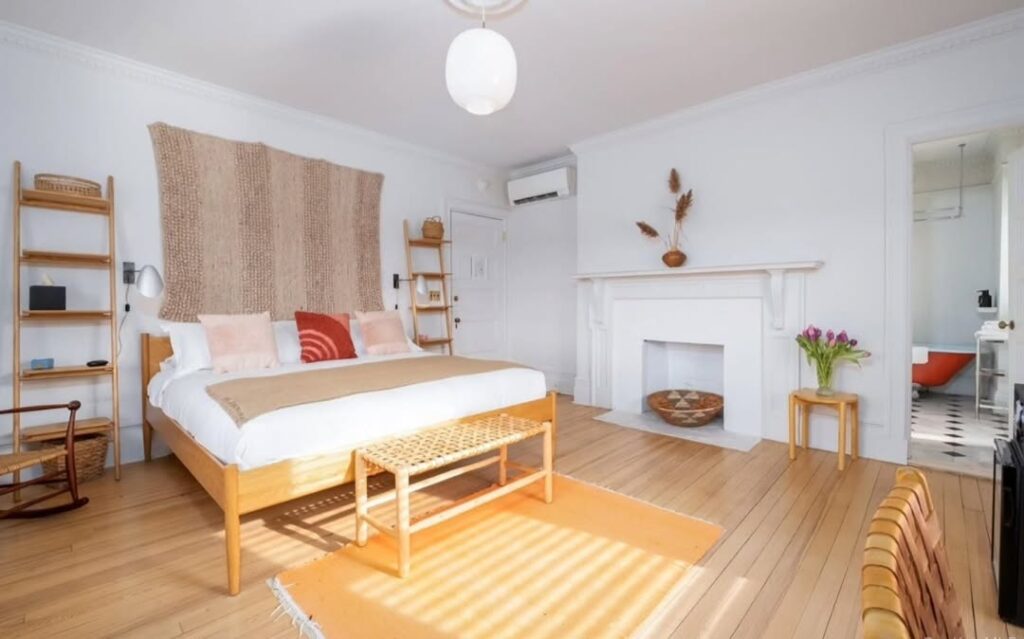
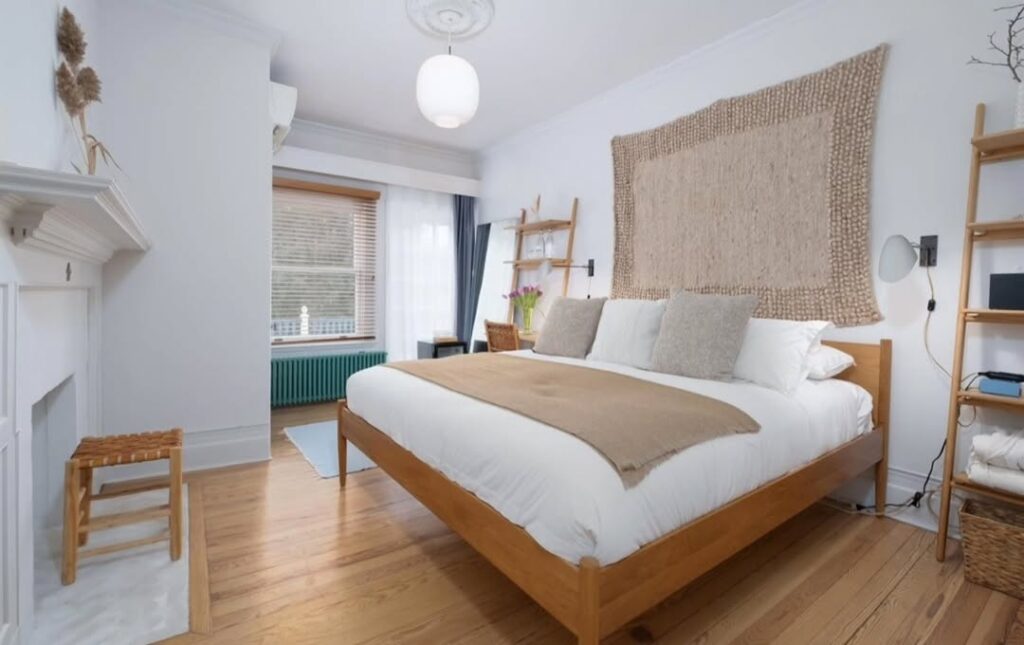
Twenty-two guest rooms spread across the upper floors. Three additional staff rooms — reminders of an era when running a house like this required a full team of servants, cooks, and groundskeepers.
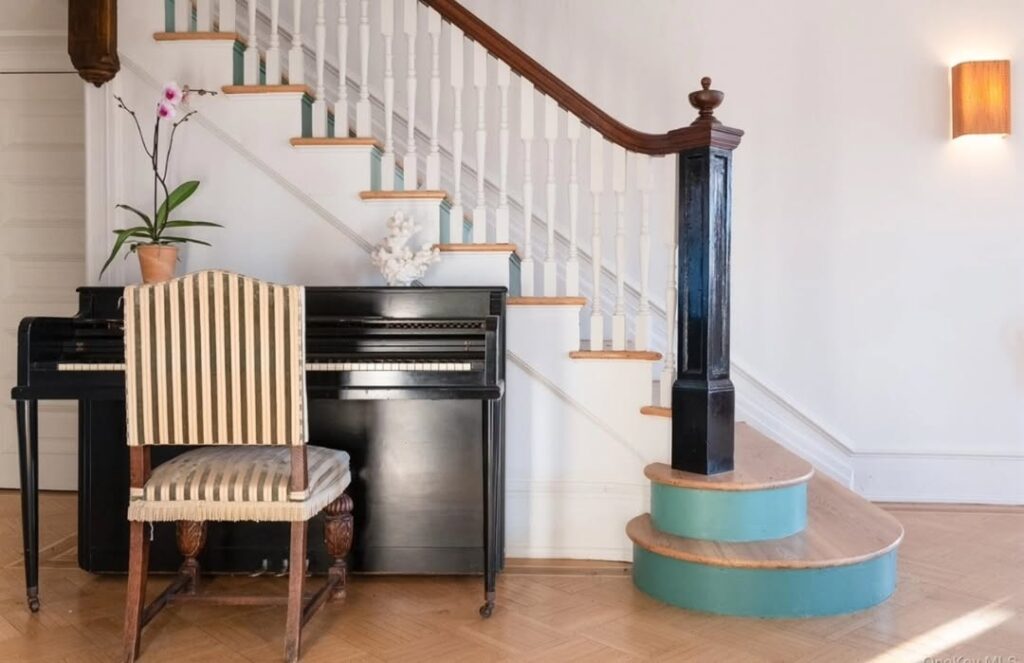
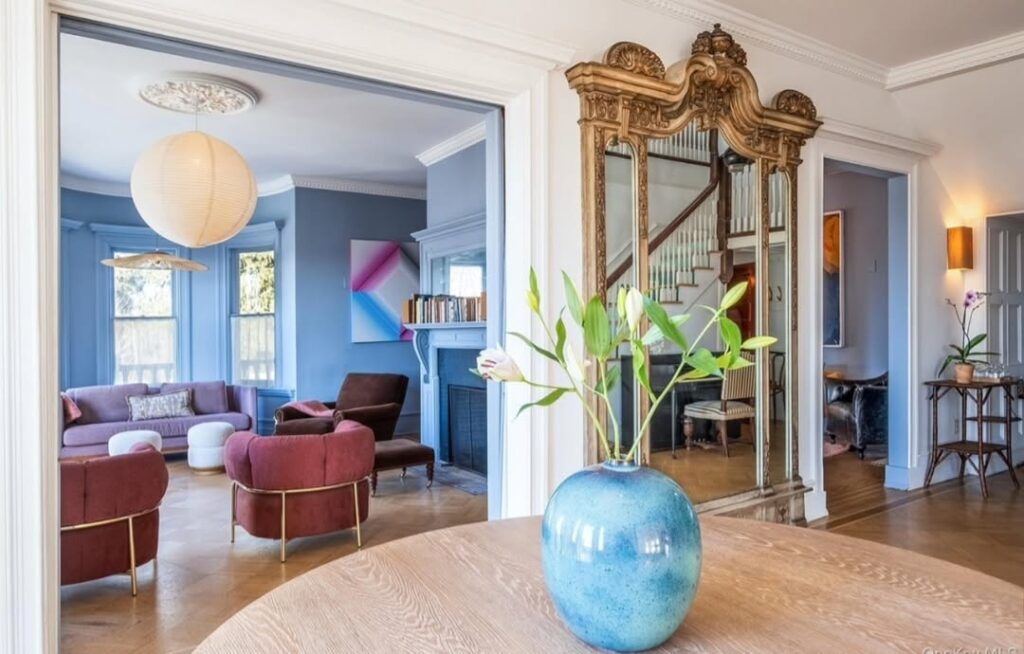
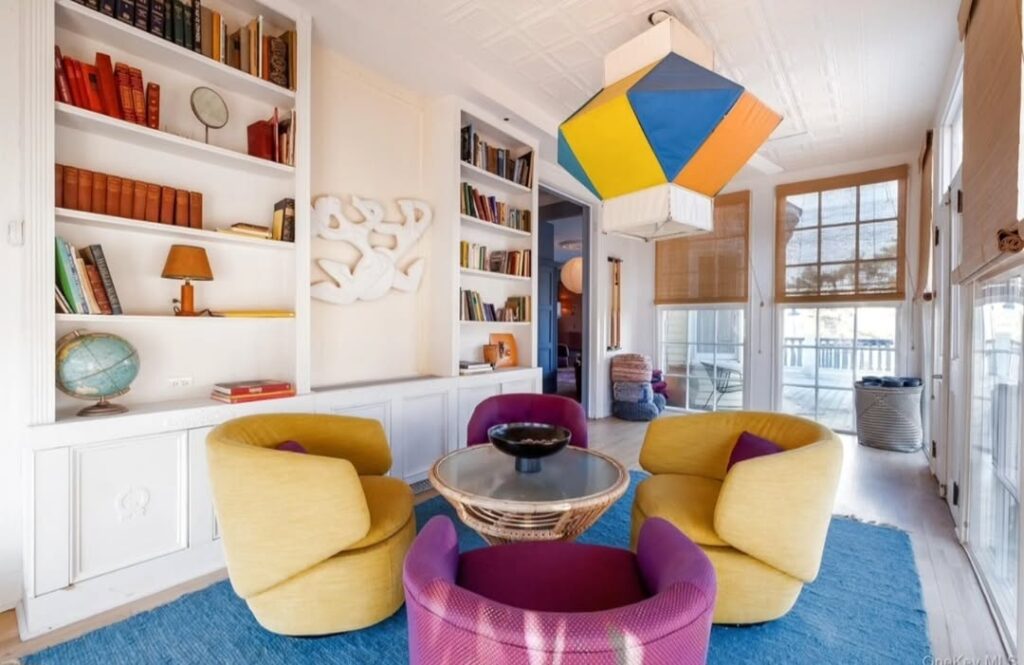
The ceilings are high. The fireplaces are generous. Somewhere in the bones of this place, you can still feel the energy of dinner parties and summer weekends and guests arriving by automobile from Manhattan.
Now it’s quieter. Much quieter.
The Hidden Second House: Six Bedrooms Waiting in the Wings
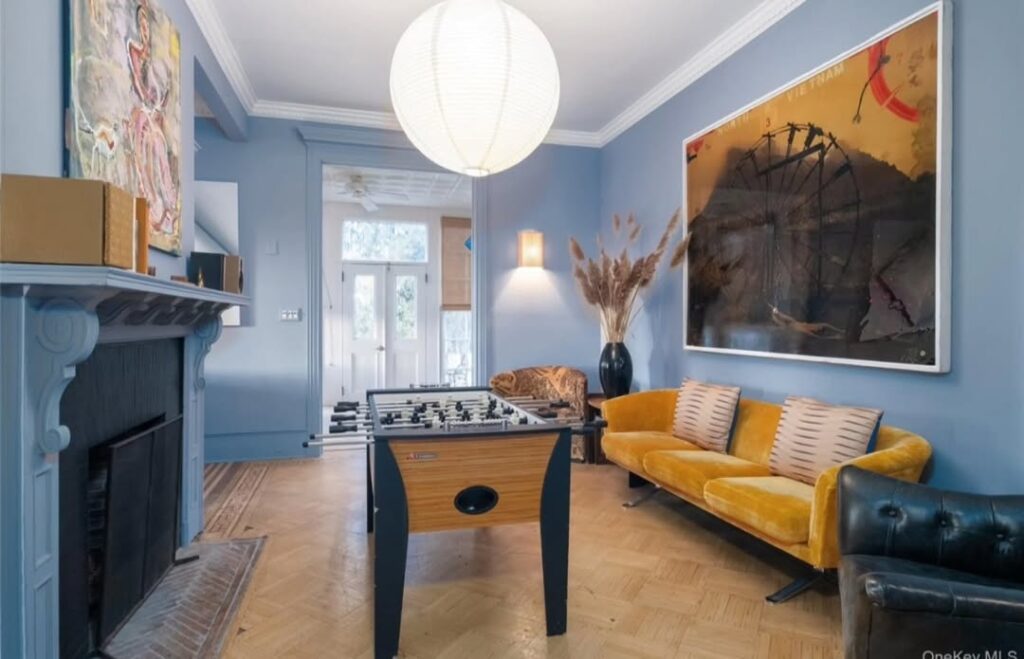
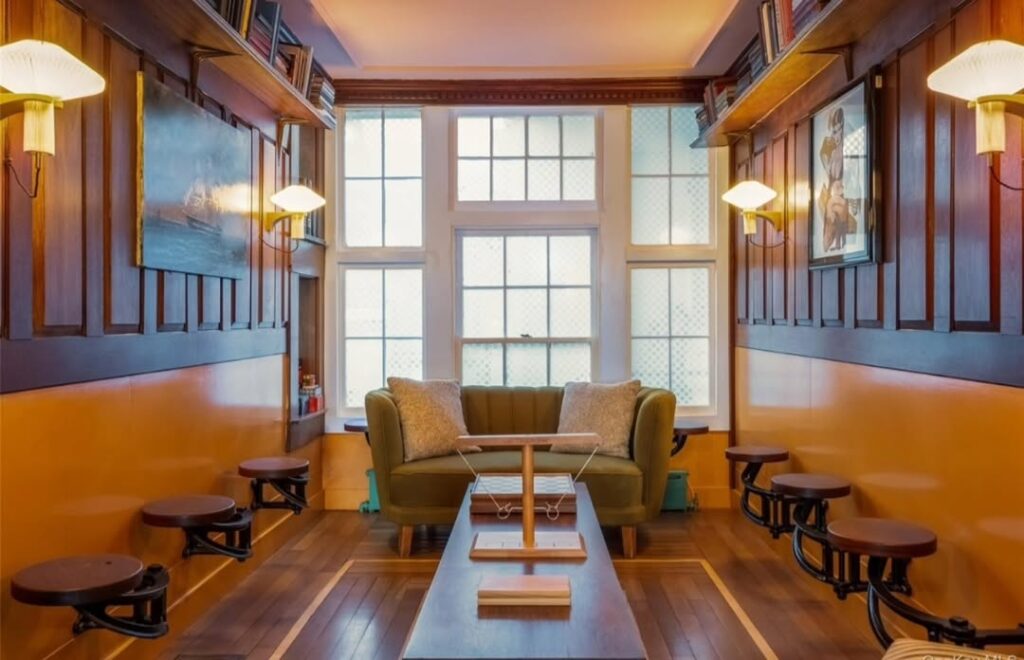
Here’s the detail that surprises most people when they first read the listing.
The sale doesn’t just include the mansion. It includes a whole other house on the same 9.52 acres.
Six bedrooms. Its own footprint. Its own history. And, yes — its own set of challenges, since it’s currently in need of renovation.
Think about what that means for the right buyer.
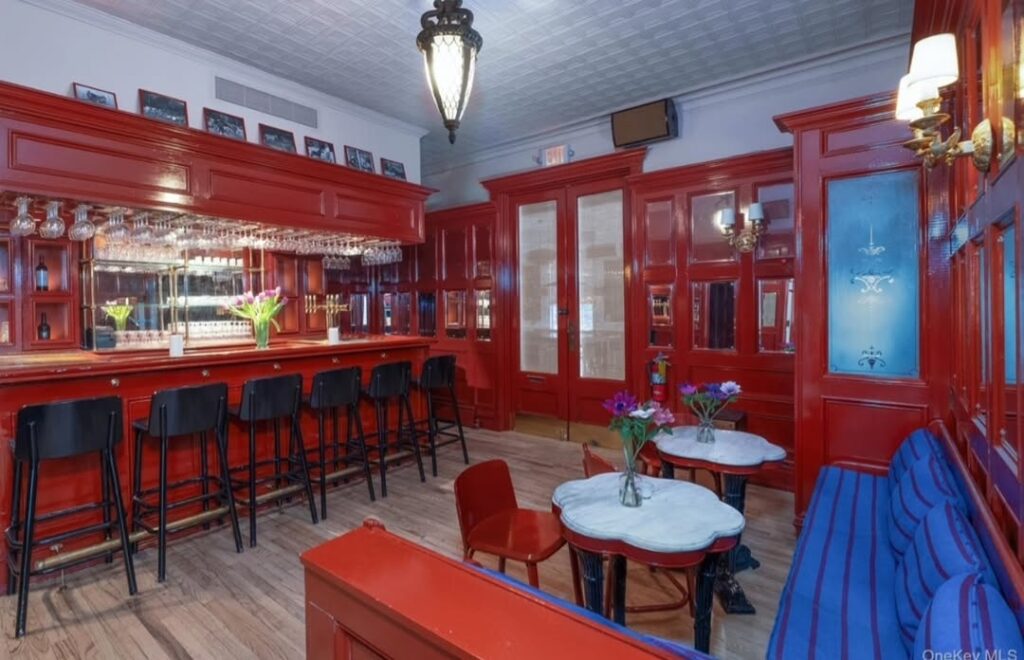
You could restore the second house as a private guest cottage, a caretaker’s residence, or a rental property generating income while the main mansion is being brought back to its full glory. Or you could approach the entire estate as a boutique hotel or retreat — something the Hudson Valley has seen a wave of in recent years, as urban refugees look for curated, historic escapes from city life.
The second house is less a problem and more a blank page.
A Forgotten Estate in the Hudson Valley
Why the Hudson Valley?
If you’ve spent any time exploring abandoned places across the Northeast, you already know that the Hudson Valley has more than its share of forgotten grandeur.
The region attracted enormous wealth during the Gilded Age and the decades that followed. Railroad money, banking money, old Dutch land grant money — it all flowed into estates, mansions, and manor houses that stretched from Yonkers all the way up to the Catskills.
Some of those estates survived. Many didn’t.
The ones that fell into disrepair often did so quietly — a family dying out, taxes becoming impossible, the costs of maintenance outpacing any possible income. A house that once required twelve servants to operate is simply not practical in the modern world without significant reinvention.
Belvedere Mansion is one of the lucky ones. It survived. It’s still standing. And now it’s looking for someone willing to write the next chapter.
What “Pawling Manor” Means
The name matters here. Pawling — the town in Dutchess County, New York — takes its name from the Pawling family, early settlers of the region in the late 1600s and early 1700s. The “manor” designation reflects the original land grant structure of colonial New York, where large tracts were awarded to individuals or families who then leased land to tenant farmers.
This property, with its roots in 1696, almost certainly began as part of that colonial land-grant system — one of the thousands of acres carved out during the era when New York was still being settled and mapped.
Standing on these grounds, you’re standing on three centuries of American history.
Who Builds a Mansion Like This?
The Gilded Age and the Architecture of Ambition
The year 1900 is significant. The mansion was built right at the hinge point between the Gilded Age and the Edwardian era — a moment when American wealth was reaching levels never seen before, and the rich were building houses to match.
This was the era of Stanford White, of grand Newport cottages, of Carnegie and Vanderbilt and the people who wanted to be them. A 12,000-square-foot mansion with 25 bedrooms wasn’t unusual for the upper tier of American society. It was expected.
What sets Belvedere Mansion apart is the staying power of its design. A century and counting, and those blue Corinthian columns are still standing.
What Happened to the Families Who Lived Here?
That’s the question that haunts every abandoned château, every forgotten castle, every estate that falls silent.
Sometimes the answer is purely practical: the family sold, moved on, and the property passed through several hands before ending up in its current state. Sometimes it’s sadder — the last heir passed away with no one to inherit, the estate tied up in probate while nature slowly reclaimed the gardens.
For properties like this, the history of who left is often as interesting as the history of who built. If you’ve ever found yourself drawn to that kind of mystery, you’re not alone. Those of us who follow the stories of forgotten places and lost American history know that the silence inside these walls isn’t emptiness — it’s accumulated time.
Restoring Belvedere: What It Would Actually Take
Let’s be honest.
Buying a property like this isn’t for everyone. It’s not even for most people. A 12,437-square-foot mansion on nearly ten acres, with a second house in need of renovation, is a project with a capital P.
Here’s a realistic look at what restoration might involve:
- Structural assessment — A property this age will need a thorough inspection. Foundations, roof systems, and load-bearing elements are the first priorities.
- Mechanical systems — Plumbing, electrical, and HVAC in a building this size haven’t been updated to modern standards without significant investment.
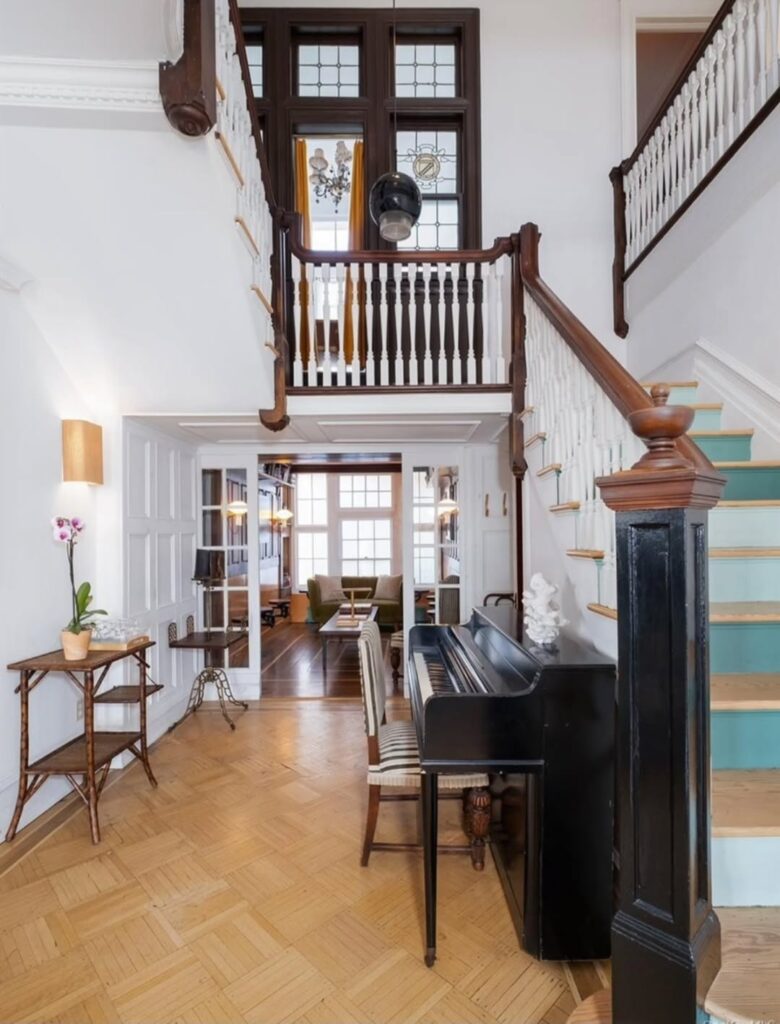
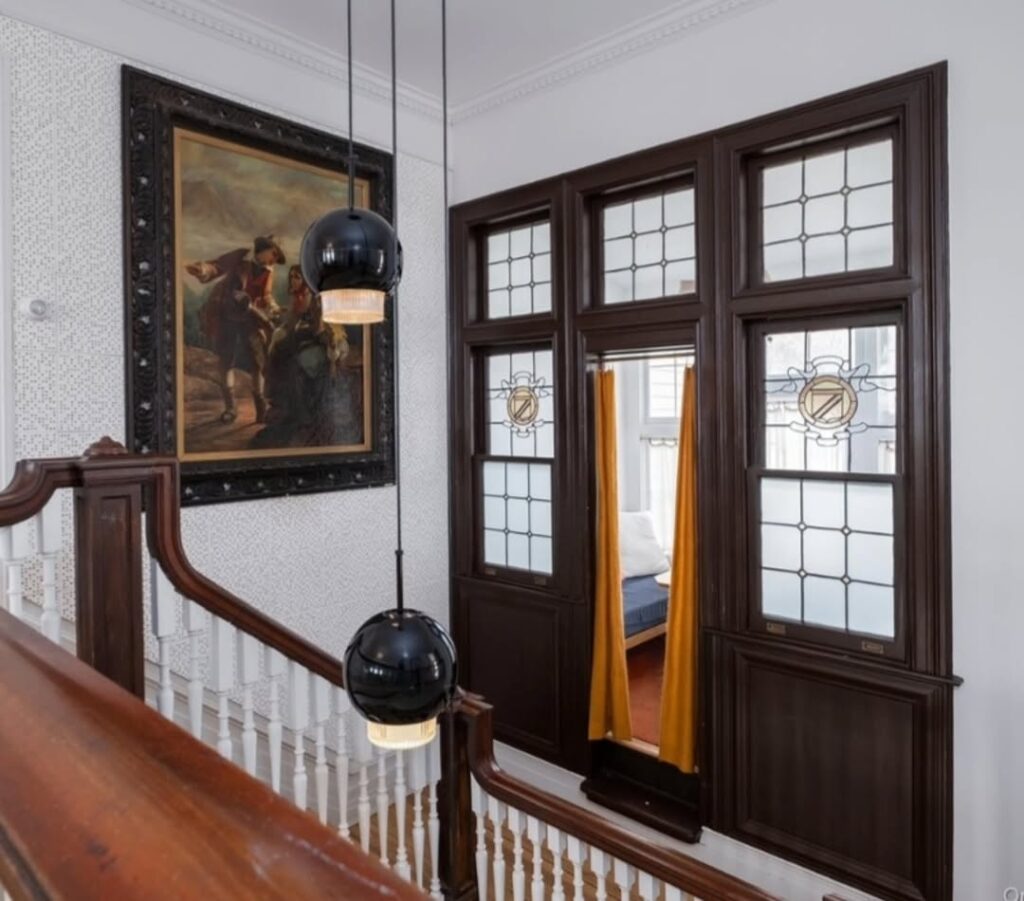
- Interior restoration — Woodwork, plasterwork, original floors, fireplaces. The kind of craftsmanship that went into a 1900 mansion is largely irreplaceable, which means careful restoration rather than wholesale replacement.
- Grounds management — Nearly ten acres of grounds, including outbuildings and the secondary house, will need attention.
- Permitting and historic preservation — Given the age of the property, any serious renovation will likely involve local historic preservation guidelines.
None of this is insurmountable. But it requires patience, capital, and a genuine love for what the building represents.
The reward, if you get it right, is extraordinary.
Why Properties Like This Matter
There’s a reason people stop scrolling when they see a listing like this.
It’s not just the price tag or the square footage. It’s the feeling that you’re looking at something irreplaceable — a piece of American history that managed to survive when so many others didn’t.
Every abandoned castle, forgotten estate, and decaying manor house tells a story about who we were, how we lived, and what we valued. When those buildings disappear — when they’re demolished for parking lots or subdivisions or simply collapse from neglect — we lose something we can never get back.
Belvedere Mansion at Pawling Manor is still here. Still standing. Those blue Corinthian columns are still reaching upward.
The only question is: what happens next?
Key Facts at a Glance
| Feature | Detail |
| Property Name | Belvedere Mansion at Pawling Manor |
| Location | Pawling, Dutchess County, New York |
| House Built | 1900 |
| Property Date | 1696 |
| Bedrooms | 25 (22 guest + 3 staff) |
| Bathrooms | 24 |
| Square Footage | 12,437 sq ft |
| Lot Size | 9.52 acres |
| Second House | 6 bedrooms (needs renovation) |
| Asking Price | $9,500,000 |
Conclusion: An Abandoned Mansion for Sale That Deserves a Future
Belvedere Mansion at Pawling Manor is, without question, one of the most compelling abandoned mansions for sale in the northeastern United States right now.
It has the history — three centuries of it. It has the architecture — those blue Corinthian columns alone are worth the trip. It has the scale — 25 bedrooms, 24 bathrooms, a second house, and nearly ten acres of grounds. And it has the story — a Gilded Age estate that somehow made it to the present day, waiting for someone to care enough to bring it forward.
Whether it becomes a private residence, a boutique hotel, a wedding venue, or simply a lovingly restored family home, Belvedere deserves a future.
The silence in those rooms has gone on long enough.
Frequently Asked Questions
Q: Where is Belvedere Mansion at Pawling Manor located? A: The property is located in Pawling, Dutchess County, New York — in the Hudson Valley region, roughly 70 miles north of New York City.
Q: How old is the property? A: The main mansion was built in 1900, but the land dates back to 1696, making the overall property history more than 325 years old.
Q: What is the asking price for Belvedere Mansion? A: The property is currently listed at $9,500,000.
Q: Does the sale include more than just the mansion? A: Yes. In addition to the 12,437-square-foot main mansion with 25 bedrooms and 24 bathrooms, the sale includes a second house on the same 9.52 acres with 6 additional bedrooms (currently in need of renovation).
Q: What are the blue columns at the front of the mansion? A: They are Corinthian columns — the most ornate of the classical Greek architectural orders — painted a striking blue. They are one of the most distinctive features of the property’s exterior.
Q: Is it safe to visit the property? A: The property is privately owned and listed for sale. Any visit should be arranged through the listing agent. Do not trespass on private property.
Q: What could the property be used for? A: Given its size and historic character, potential uses include a private residence, boutique hotel, bed and breakfast, event or wedding venue, or retreat center — subject to local zoning and historic preservation guidelines.
Interested in more stories about forgotten estates, abandoned châteaux, and the history hiding inside America’s lost architecture? Explore more at abandoned.blog.