Introduction
There is a house on Whitewater Avenue that most people drive past without a second glance.
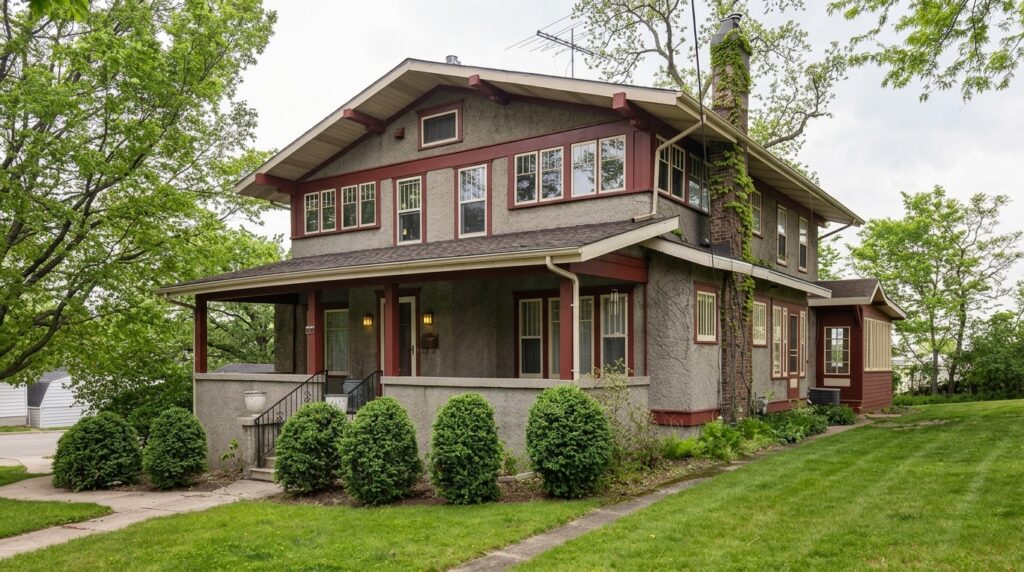
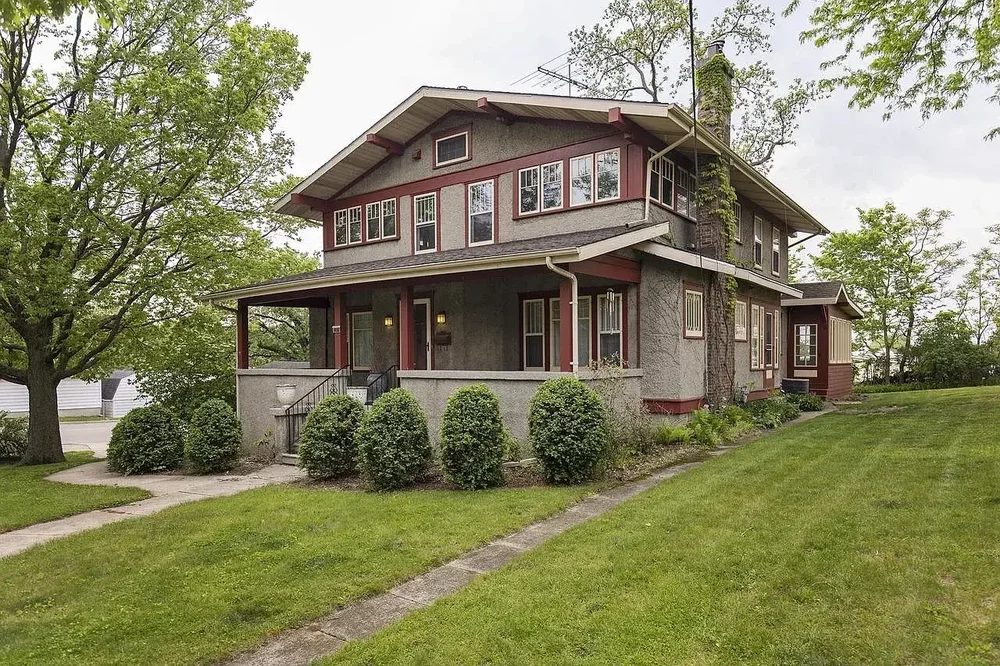
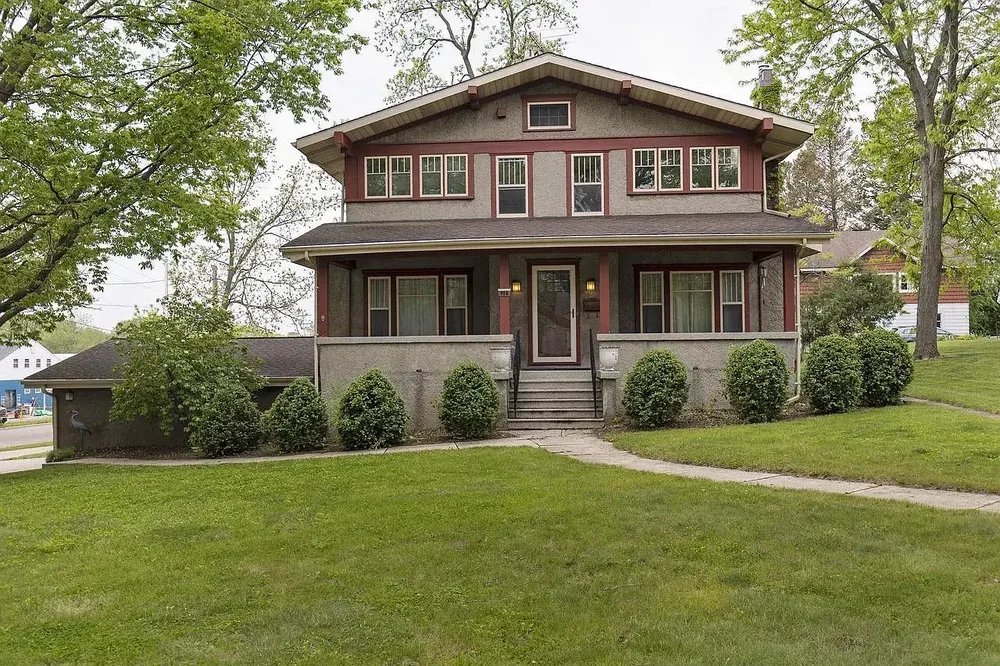
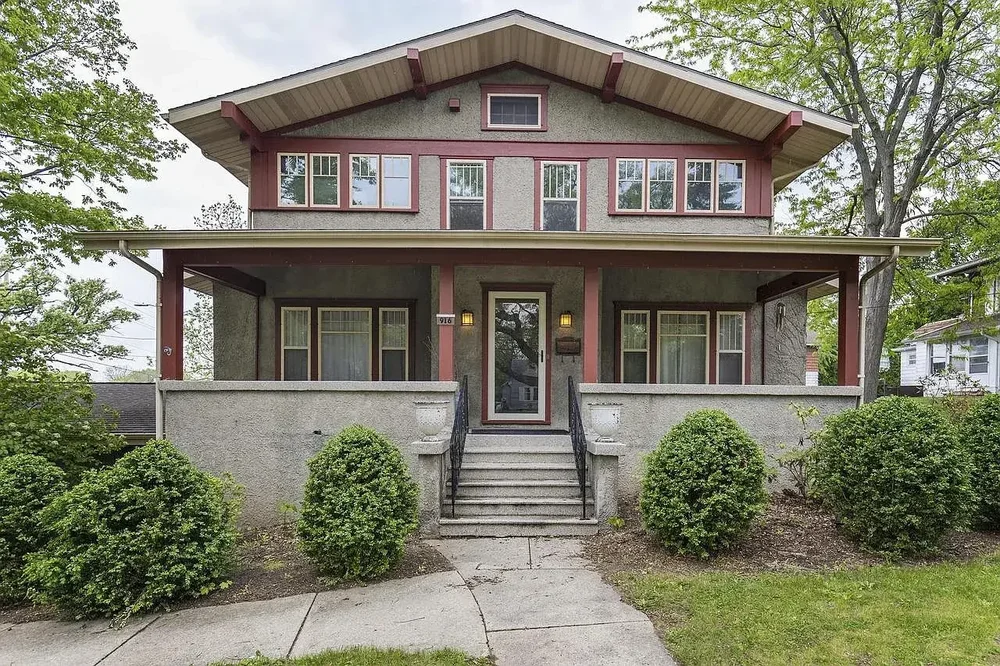
It does not shout. It does not collapse dramatically into weeds. It simply stands — wide, low, and patient — the way Prairie style architecture was always meant to stand. The Telfer-Gillard House in Fort Atkinson, Wisconsin was built in 1914 and completed around 1915. It has watched over this quiet corner of Jefferson County for more than a century.
And somehow, almost nobody knows its name.
At 4,479 square feet across five bedrooms and four bathrooms, this is not a small house. It is not a modest house. It is the kind of house that was built to make a statement — a quiet, horizontal, deeply considered architectural statement. But today, it sits listed at $499,500, largely unknown outside of local real estate circles.
That silence around it feels significant. Like a story waiting to be told.
The History of the Telfer-Gillard House
Fort Atkinson in the Early 1900s
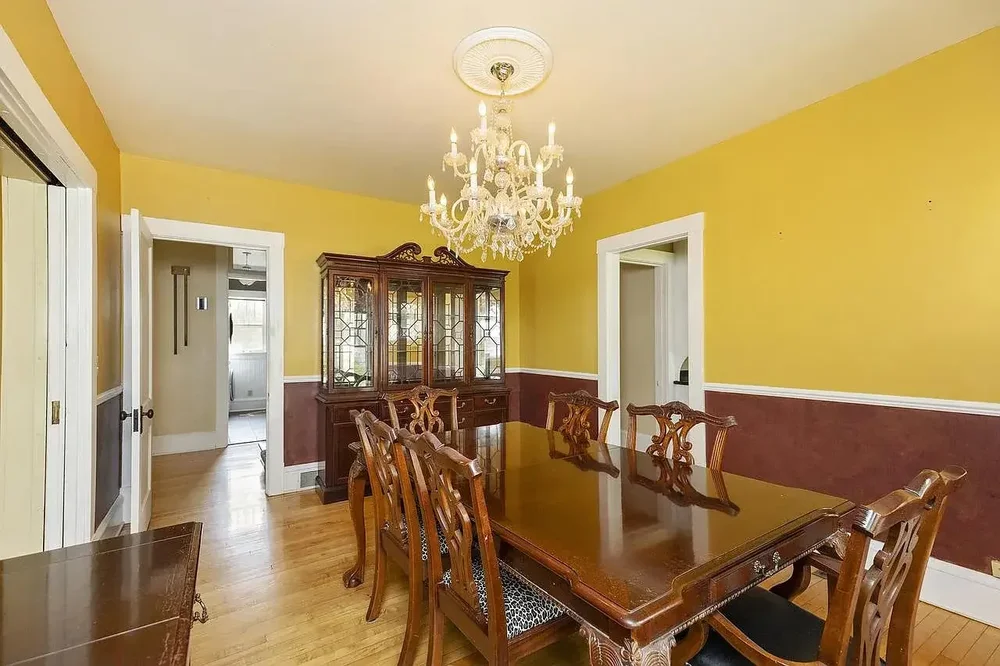
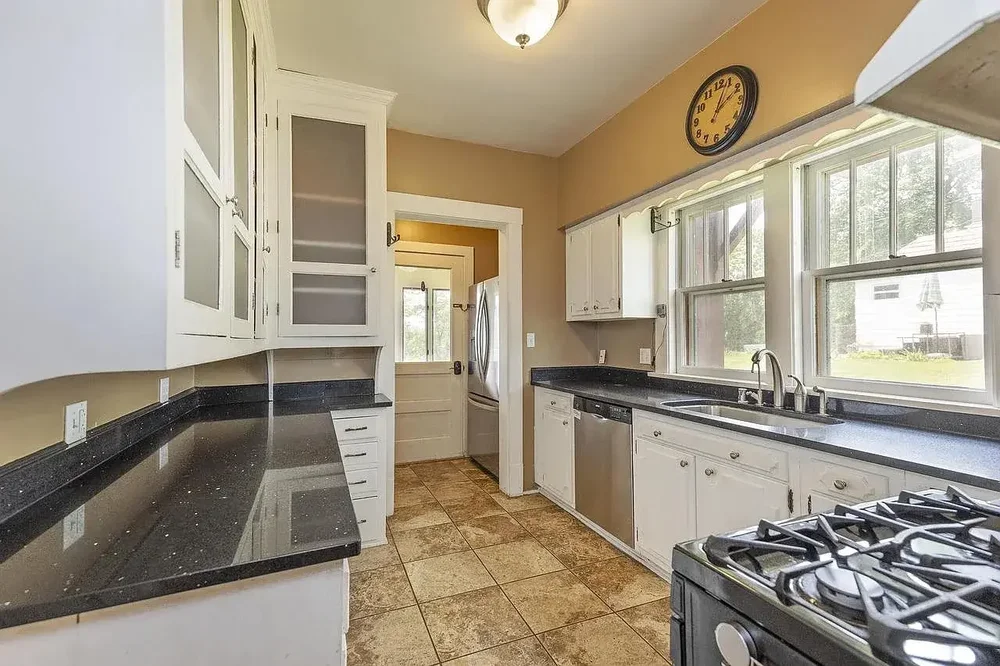
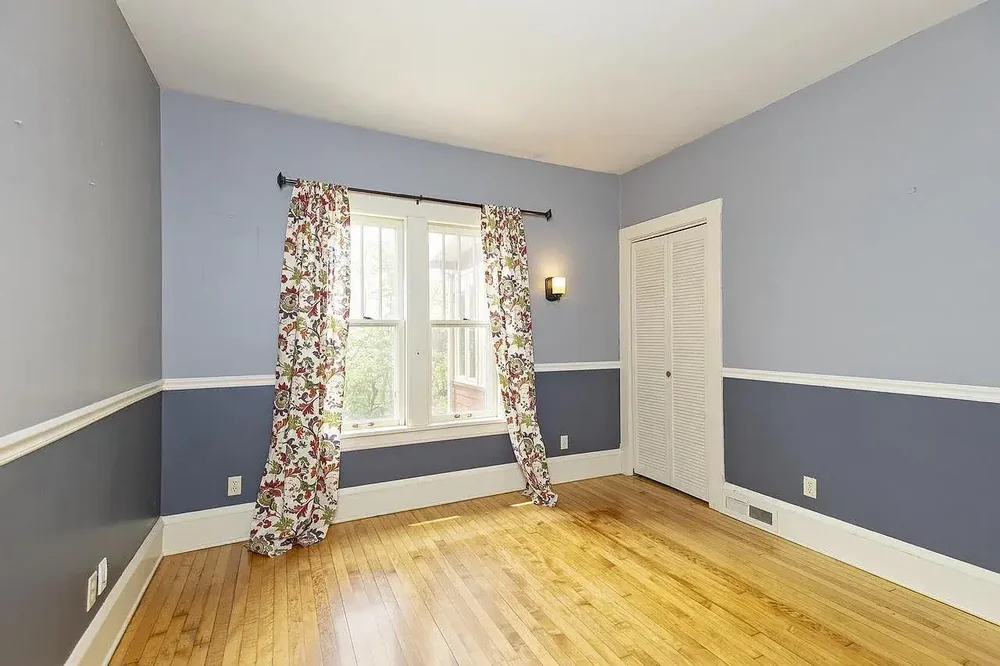
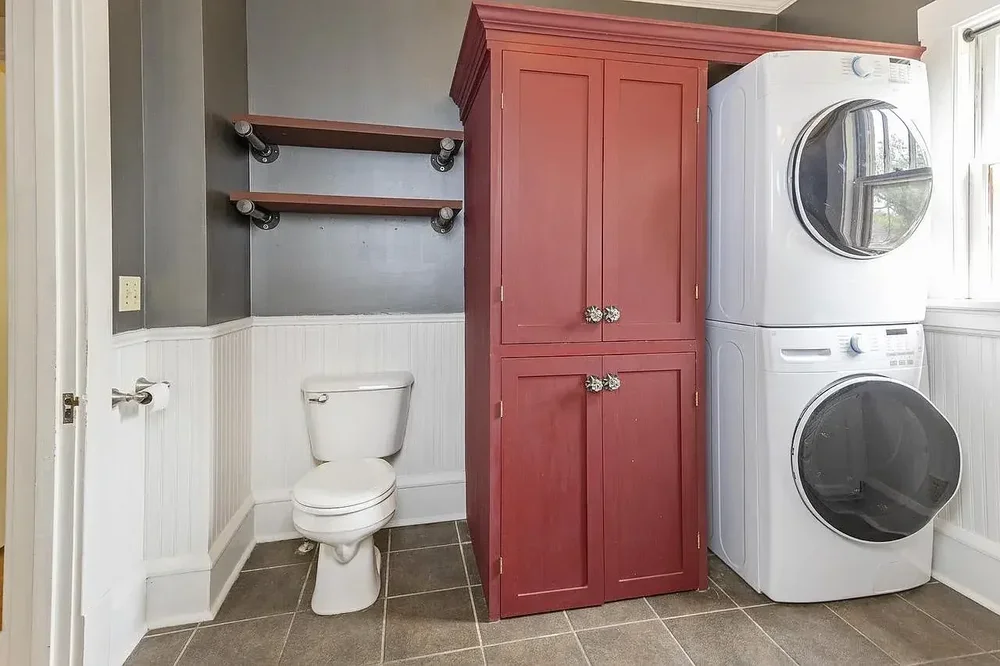
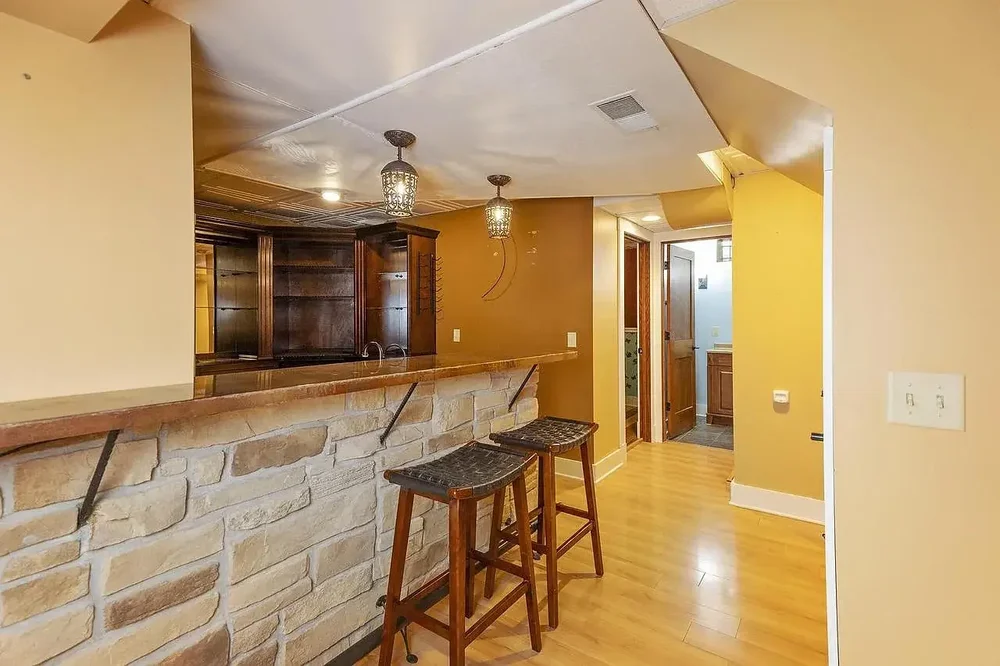
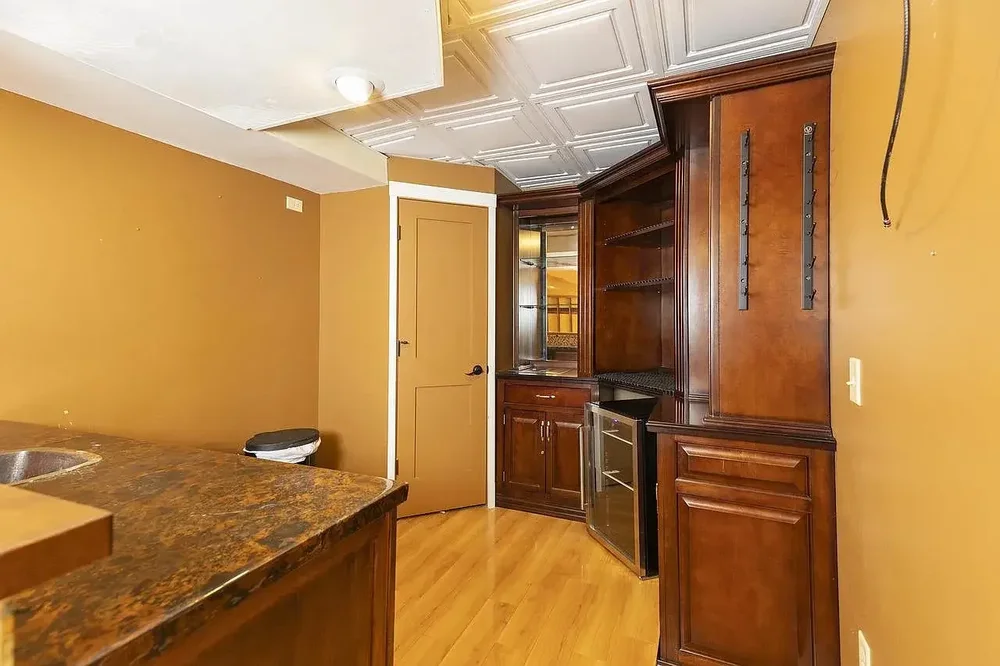
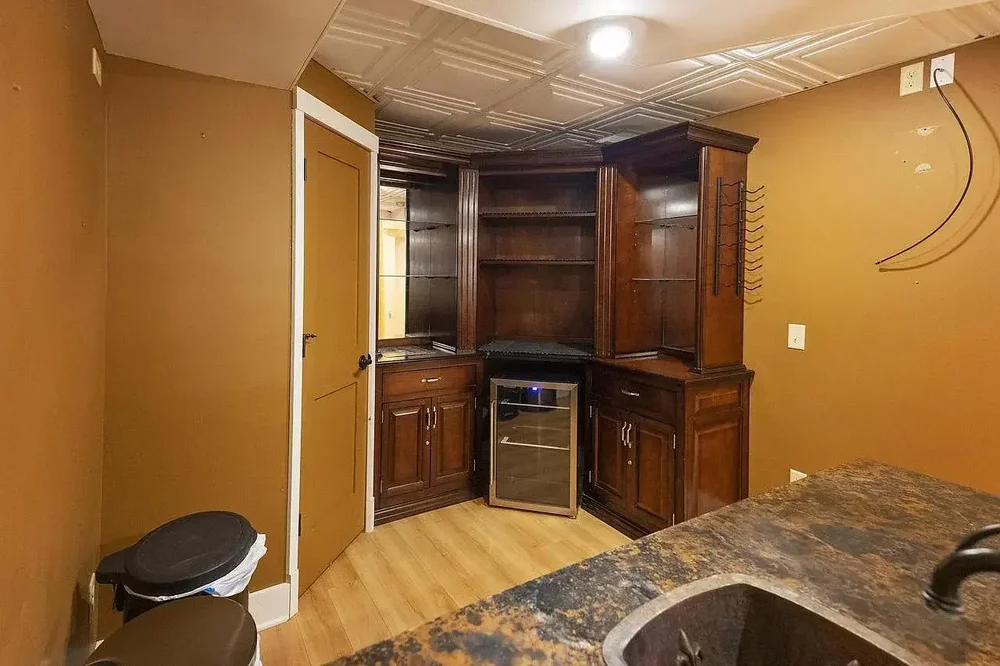
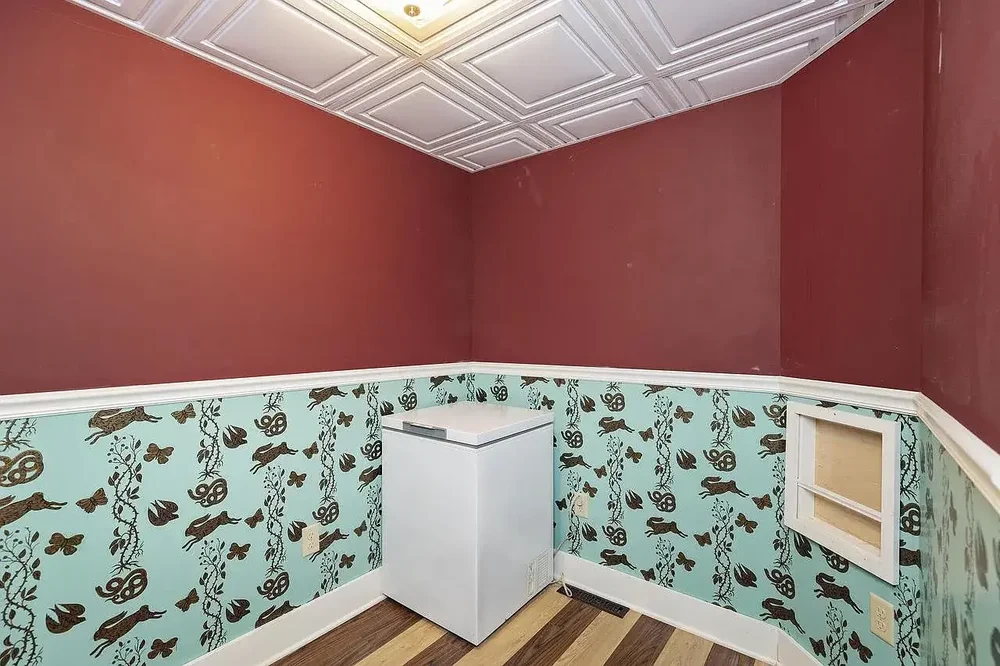
Fort Atkinson is not a city people typically associate with architectural ambition. Tucked into southern Wisconsin along the Rock River, it was a prosperous agricultural and manufacturing town by the early twentieth century. Dairy was king here. The Hoard’s Dairyman journal — still published today — had its roots in this county.
But prosperity has a way of attracting taste. By 1914, some of Fort Atkinson’s more established families were building homes that reflected the new American architectural ideas sweeping the Midwest. Frank Lloyd Wright’s Prairie style had taken root in Chicago and Oak Park, and its influence spread outward like ripples across still water.
The Telfer-Gillard House was built in that era of quiet ambition.
Who Were the Telfers and Gillards?
The hyphenated name tells you something important. This house passed through more than one prominent family over the decades. The “Telfer” and “Gillard” names suggest it was either built by one family and sold to another, or that a marriage tied two local dynasties to the same address.
Local historical records in Jefferson County would hold the details — but the name itself has survived, which means the house mattered enough to be remembered by the people who lived nearby.
That is not nothing.
A Century of Quiet Life
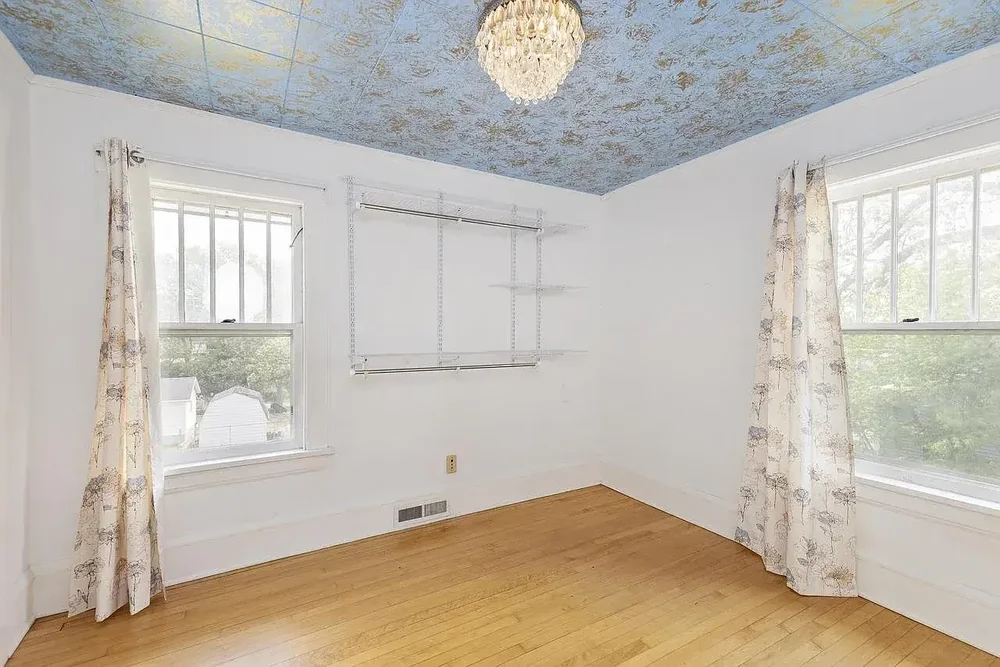
From 1915 onward, the house lived the kind of life that many historic homes live. Families moved in and out. Seasons changed the garden. The interior was updated in decades that followed, layering new wallpaper over old, new fixtures over older ones.
But the bones stayed. The Prairie lines — those famous horizontal rooflines, the wide overhanging eaves, the relationship between the structure and the earth beneath it — those never changed.
They are still here today.
Architecture and Design: Prairie Style at Its Most Honest
What Is Prairie Style?
The Prairie style was a genuinely American architectural movement. It grew from the belief that a house should belong to its landscape rather than sit on top of it.
Key Prairie style characteristics include:
- Low, horizontal rooflines that echo the flatness of the Midwest plains
- Wide, overhanging eaves that shade interior spaces
- Open floor plans that resist the boxed-room thinking of Victorian homes
- Natural materials integrated with the surrounding environment
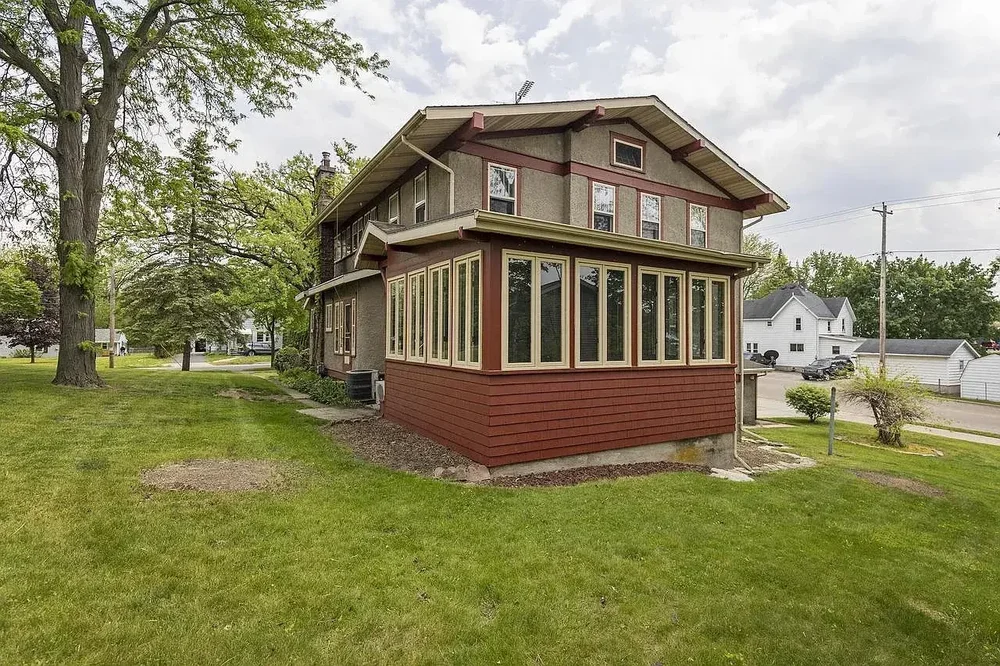
- Ribbon windows grouped in long horizontal bands
Frank Lloyd Wright is the most famous name associated with Prairie style, but the movement was broader than one man. Architects like George Maher, Walter Burley Griffin, and dozens of regional designers built Prairie homes across Illinois, Wisconsin, Iowa, and beyond.
The Telfer-Gillard House belongs to that tradition.
The House Itself
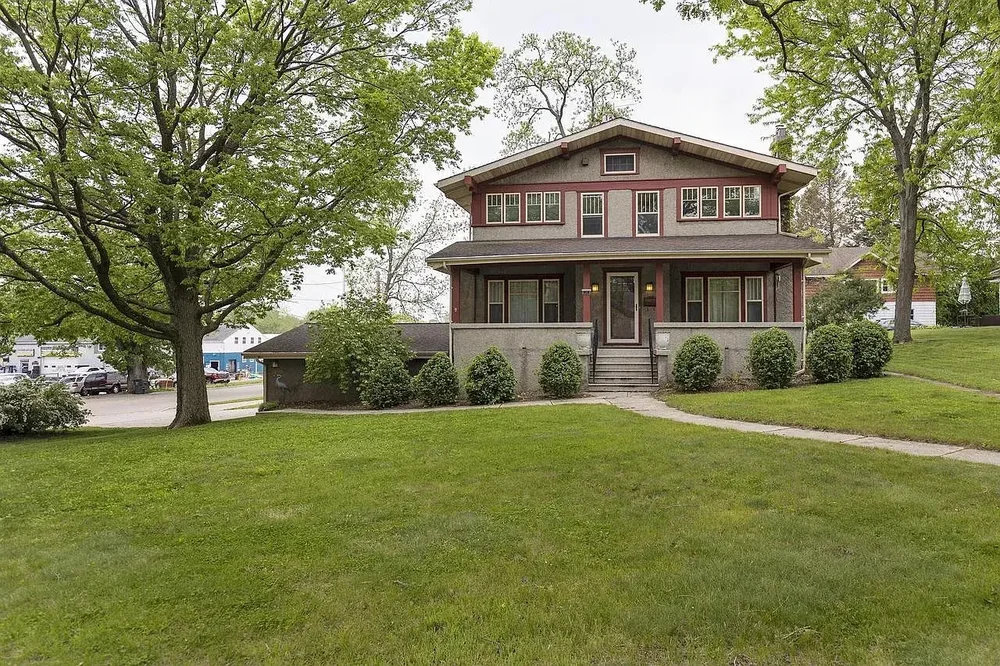
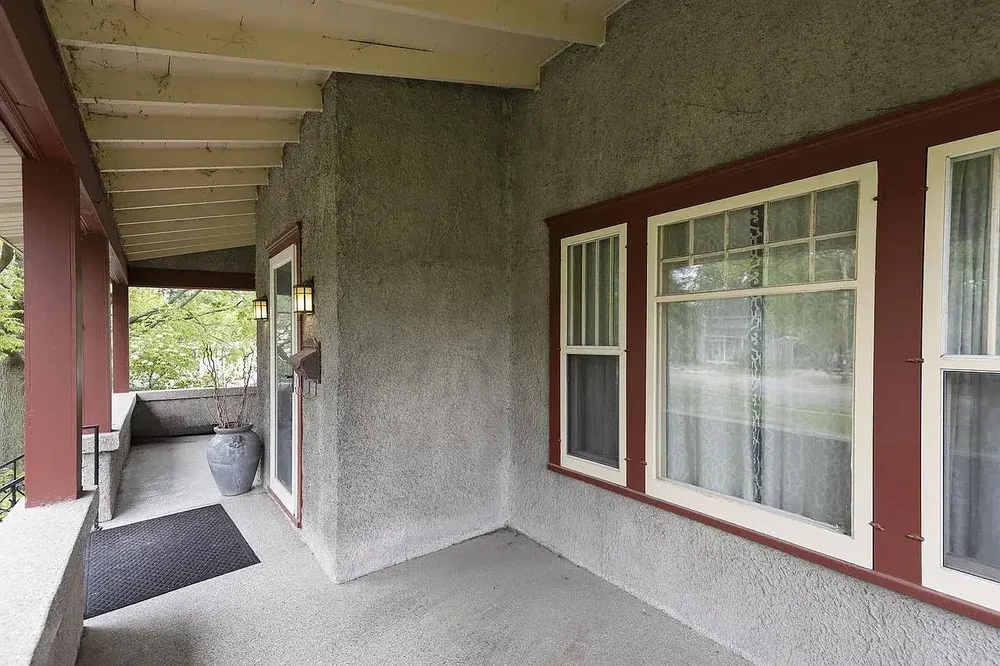
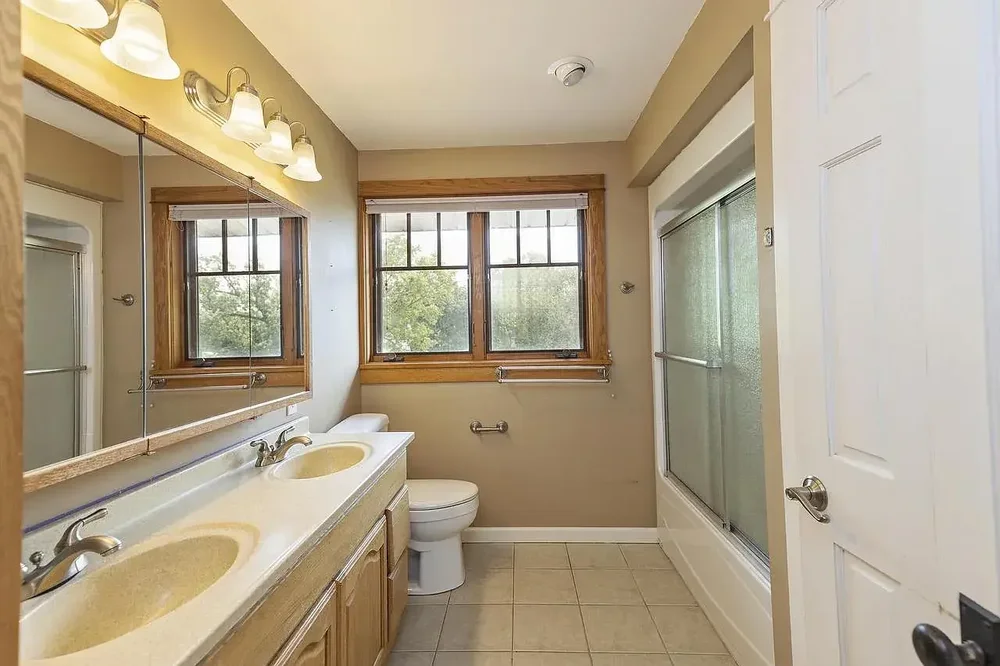
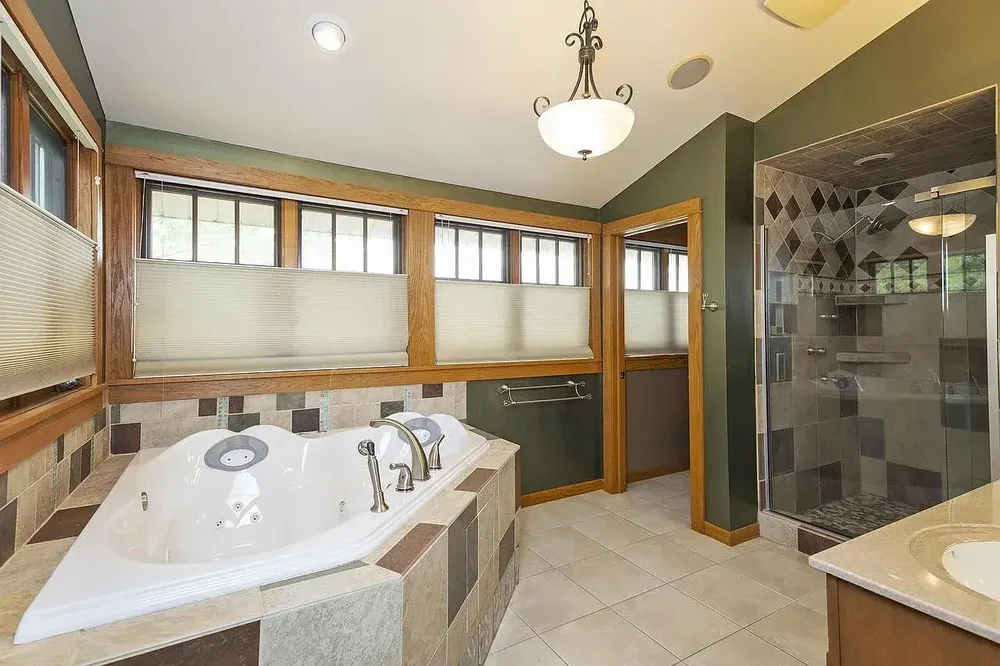
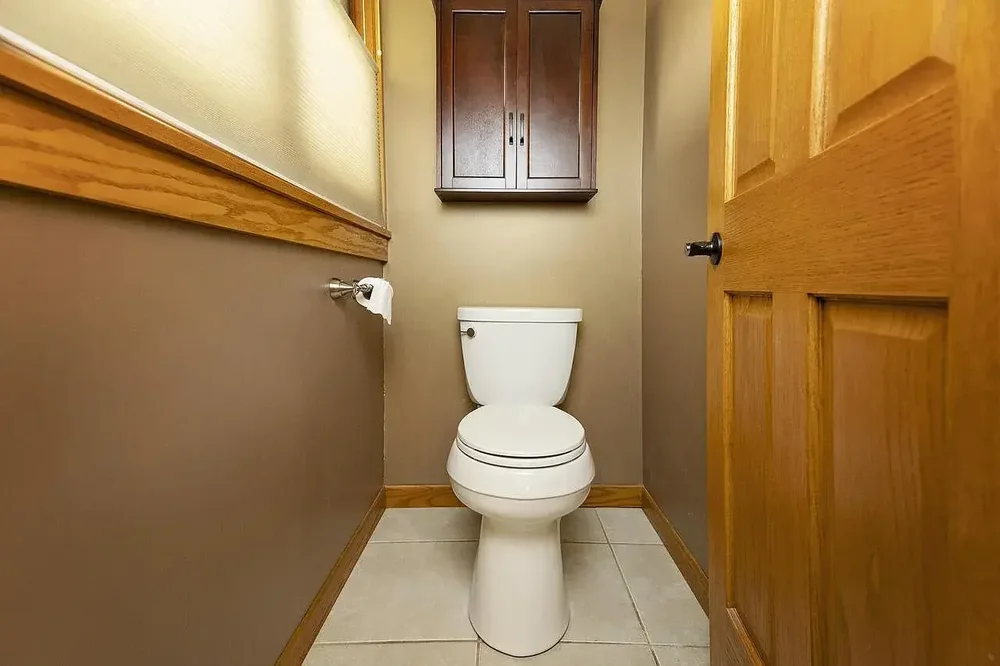
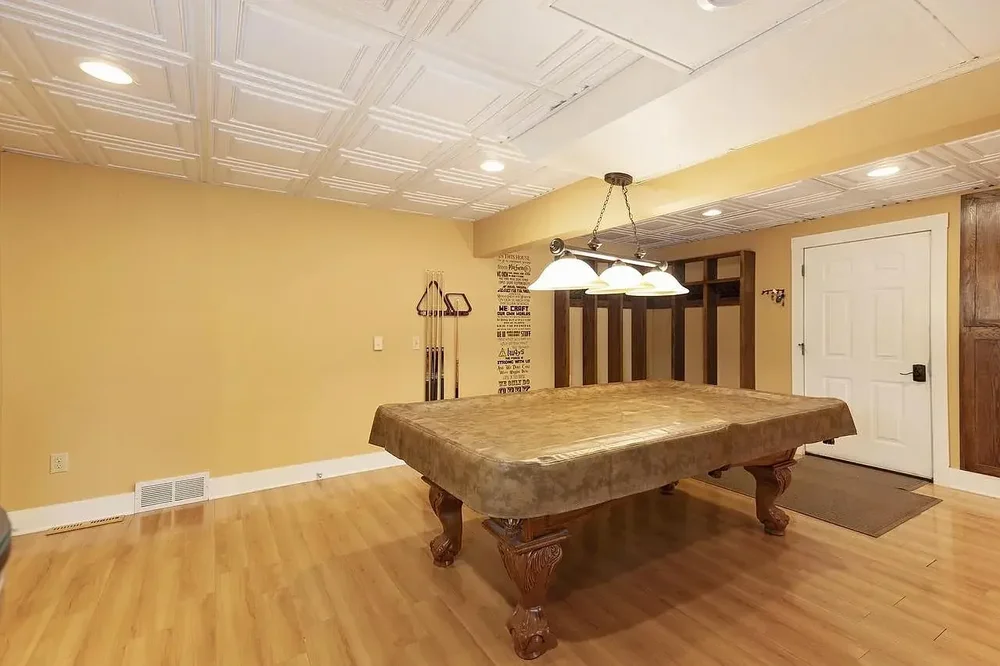
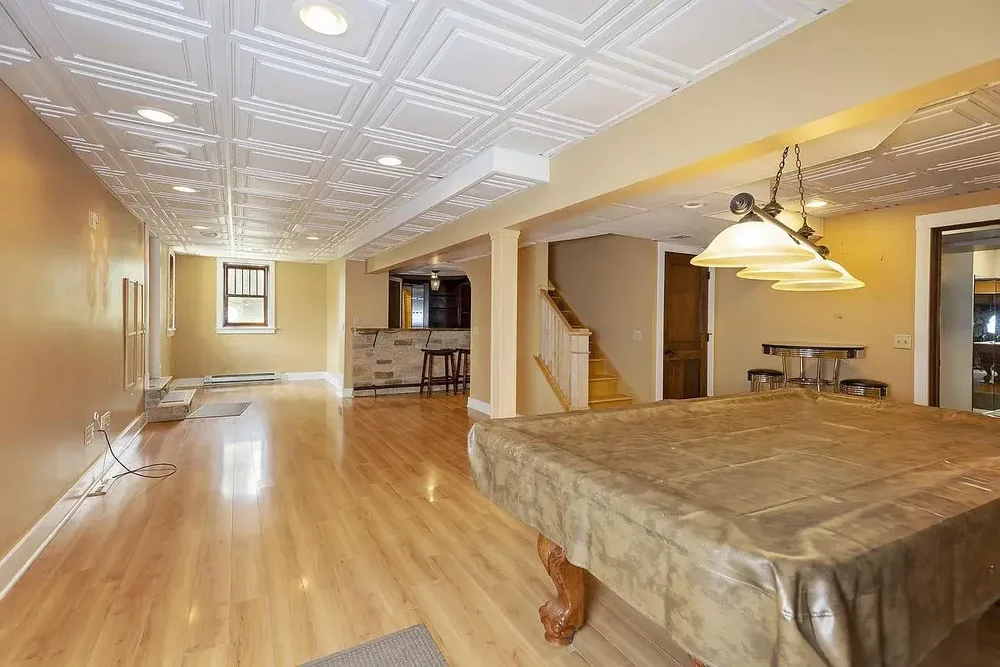
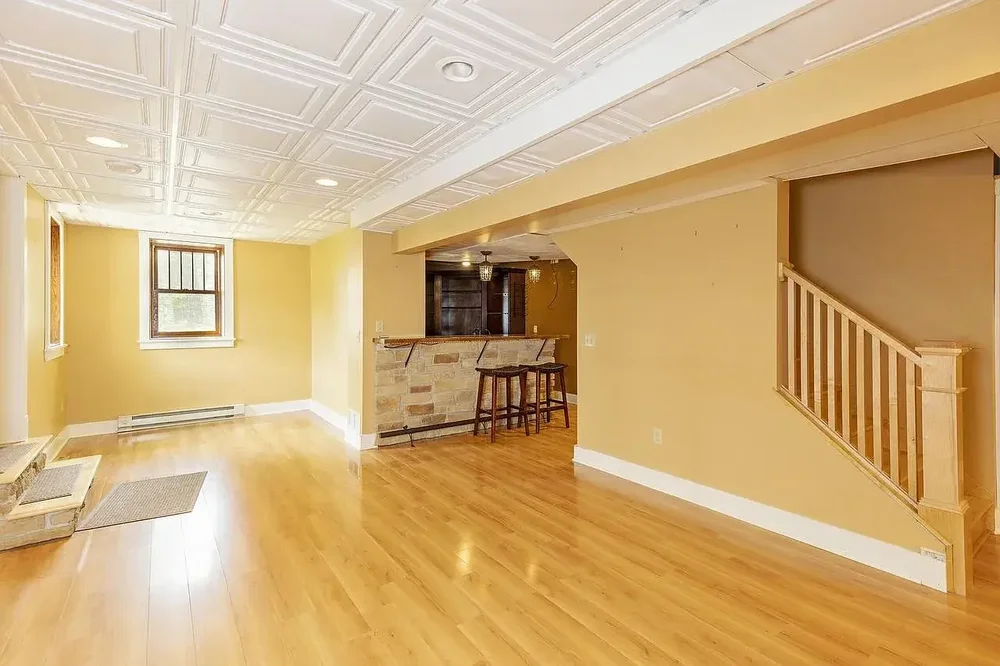
At 4,479 square feet, this is a substantial Prairie home. Five bedrooms across multiple floors, four bathrooms, and a lot size of 0.34 acres give it the kind of presence that smaller Prairie cottages simply cannot match.
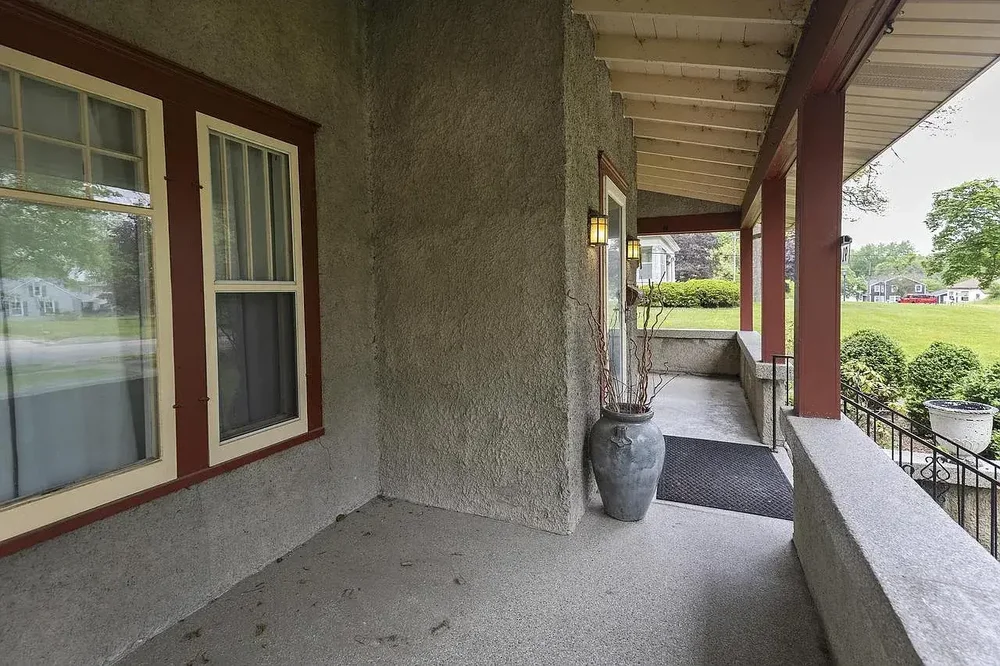
Sitting at 916 Whitewater Avenue, the house would have commanded its corner of Fort Atkinson with quiet authority. Prairie homes are not showy in the Victorian sense. They do not have turrets or wraparound porches dripping in gingerbread trim. Instead, they have proportion. Balance. A sense of intentionality that takes a moment to recognize but lasts far longer than ornament.
Walking around a house like this, you notice things slowly. The way the eaves cut a line against the sky. The way windows are grouped rather than isolated. The way the structure seems to press downward into the earth rather than strain upward away from it.
It is architecture that rewards patience.
What 110 Years Does to a Prairie House
Prairie homes were built to last, but they were not built to be ignored. Wood needs care. Plaster needs attention. Gardens need hands.
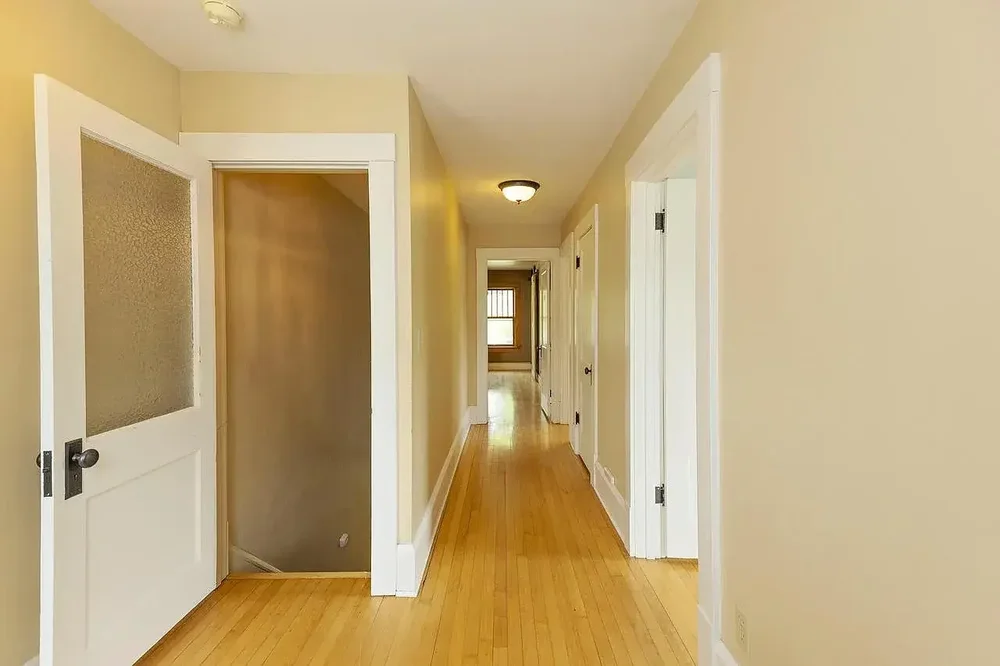
A house that has passed through multiple owners over 110 years carries that history visibly. There are rooms where the original woodwork survives beneath layers of paint. There are windows where the glass holds a faint ripple — the unmistakable sign of early twentieth-century manufacture. There are floors that creak in exactly the places you would expect them to creak.
None of this is damage. All of it is memory.
The Forgotten Estate: How a House Becomes Overlooked
The Quiet Abandonment of Historic Homes
The Telfer-Gillard House has not been dramatically abandoned. It has not been left to collapse with furniture still on the tables, as you might find with some of the forgotten mansions documented across the American Midwest. It is not surrounded by broken fences and collapsed outbuildings.
Its forgetting has been more subtle. More American.
It has simply been undervalued. Overlooked by a market that often cannot see past cosmetic updates and kitchen renovations. Passed over in favor of newer construction. Priced in a way that reflects its square footage but perhaps not its irreplaceability.
That is a different kind of loss — slower, quieter, but just as real.
The Midwest’s Difficult Relationship with Its Own History
Wisconsin has a complicated relationship with its architectural heritage. Unlike the Northeast, where old automatically means desirable, the Midwest sometimes views age with suspicion. Old means expensive to maintain. Old means drafty winters. Old means compromise.
This attitude has already cost the region some of its finest historic structures. Houses that could have been preserved were instead demolished. Neighborhoods that could have been celebrated were instead razed for parking lots.
The Telfer-Gillard House has survived that wave. So far.
A House Waiting for the Right Owner
At $499,500, the Telfer-Gillard House is not priced as a teardown. It is priced as a home — and specifically, as a home for someone who understands what they are looking at.
That buyer exists. They always do. The question is whether they arrive before the house loses another decade to benign neglect.
Inside the Walls: What a House Like This Holds
The Details That Survive
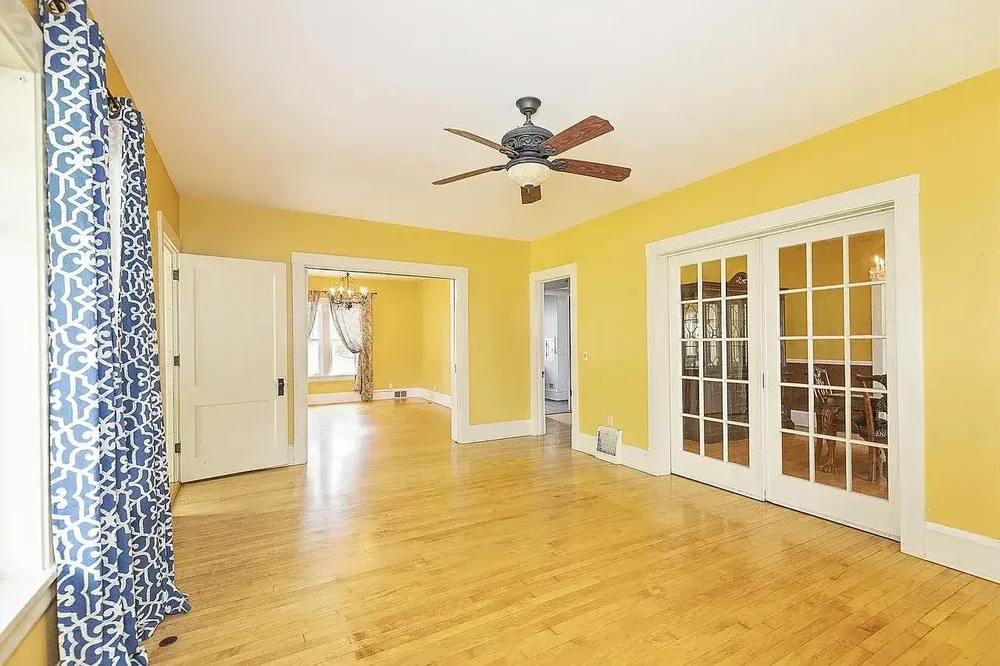
Prairie homes of this era were built with interior details that modern construction simply does not replicate. Original woodwork — particularly the horizontal banding and built-in furniture elements common to the style — can still be found in houses like this if you know where to look.
Look for:
- Built-in bookshelves and window seats — Prairie architects hated wasted space
- Original hardwood floors with the patina that only a century of use creates
- Leaded or art glass windows in geometric patterns typical of the period
- Wide interior doorways that open spaces into each other rather than closing them off
- Plaster walls with a texture that drywall cannot imitate
Each of these features tells you something about who built this house and what they believed a home should feel like.
The Garden and the Land
The 0.34-acre lot is not large by rural standards, but for an in-town Prairie home, it is generous. Prairie style architecture was always conceived in relationship to its landscape. The garden was not an afterthought. It was part of the design.
Over 110 years, that garden has gone through many interpretations. What was once a carefully considered arrangement of plantings may now be something wilder, less deliberate. Overgrown hedges. Mature trees that were saplings when Woodrow Wilson was president. Grass growing over what was once a formal path.
This is not ruin. It is time, made visible.
Atmosphere and Character: What It Feels Like to Stand There
There is a particular quality to a Prairie house in Wisconsin in autumn. The horizontal lines of the structure mirror the flat horizon. The overhanging eaves cast shadows that move slowly across the facade as the sun drops. The mature trees around the lot filter the light into something amber and particular.
It is quiet in the way that only genuinely old buildings are quiet. Not silent — there is always a creak, always the sound of wind finding its way through a century of settled wood — but deeply, meaningfully quiet.
Standing on the sidewalk at 916 Whitewater Avenue, you are standing at the edge of a decision. A house like this can be saved or it can be lost. Those are really the only two options.
If you have ever been moved by the kind of forgotten estate that still holds everything its original owners left behind, you understand what is at stake when a house like this comes to market.
Cultural and Historical Significance
Prairie Style as American Heritage
The Prairie style movement is recognized today as one of America’s most original contributions to world architecture. The Organic Architecture movement — of which Prairie style is a core expression — influenced generations of architects across the globe.
A genuine Prairie style home from 1914–1915 is not common. Most were built in a narrow window between roughly 1900 and 1920. Many have been demolished. Others have been so heavily altered that their original character is unrecognizable.
The Telfer-Gillard House appears to have retained enough of its original character to be architecturally significant. That is rare.
Fort Atkinson’s Architectural Heritage
Fort Atkinson is not typically on lists of great American architectural destinations. But that does not mean its built heritage is unimportant. Small Midwestern cities often hold extraordinary examples of early twentieth-century American domestic architecture — precisely because they were overlooked by the forces of urban redevelopment that stripped so many larger cities of their historic fabric.
The Hoard Historical Museum in Fort Atkinson documents the city’s past. The Telfer-Gillard House could easily be part of that story — but only if it survives.
The Question of Preservation
Historic preservation is not about freezing a house in amber. It is about recognizing that certain buildings carry knowledge that cannot be rebuilt once it is gone. The craftsmanship in a 1914 Prairie home — the way a carpenter joined wood, the way a plasterer finished a ceiling, the way a glazier set glass — that knowledge took generations to accumulate and cannot be recovered from scratch.
When houses like this are lost, something irreplaceable goes with them.
This is worth keeping in mind, whether you are a potential buyer, a local historian, or simply someone who drives past 916 Whitewater Avenue and wonders about the wide, low house on the corner.
Local Legends and Hidden Details
Fort Atkinson is old enough to have its stories, and a house that has stood since 1915 collects them the way old wood collects the smell of every fire ever lit inside it.
The hyphenated Telfer-Gillard name suggests two families whose histories intersected here. What brought them together? What separated them? Who sat in the window seats on winter evenings? Who planted the trees that now cast shade over the front walk?
These are not ghost stories. They are the ordinary mysteries that accumulate in any place where human beings have lived for a very long time.
A house like this is, in the end, a record. Not a written record — a felt one. You sense it in the weight of the doors, the depth of the window reveals, the slight unevenness of floors that have absorbed a century of footsteps.
Current Condition and Listing Details
The Telfer-Gillard House is currently listed for sale through Wayne Hayes Real Estate LLC at $499,500.
Key details:
- Address: 916 Whitewater Avenue, Fort Atkinson, WI 53538
- Year built: 1915
- Style: Prairie
- Bedrooms: 5
- Bathrooms: 4
- Interior area: 4,479 sq ft
- Lot size: 0.34 acres
- Listing price: $499,500
- Contact: Steve Mode, Wayne Hayes Real Estate LLC
- Phone: (414) 331-6704 / (920) 563-3956
- Email: steve.mode@waynehayesrealestate.com
This is not an abandoned property in the conventional sense. It is an actively listed historic home that deserves attention from buyers who appreciate what they are looking at.
For those interested in the broader context of historic homes that sit on the edge between preservation and loss — the kind of expensive forgotten estate that nobody seems to want until it is gone — the Telfer-Gillard House is a case worth watching.
Conclusion
The Telfer-Gillard House in Fort Atkinson, Wisconsin is not a ruin. It is not dramatically abandoned. It has not collapsed into tragedy.
But it is at risk of something quieter and equally permanent: being misunderstood. Being bought by someone who sees 4,479 square feet and thinks renovation rather than restoration. Being altered until the Prairie lines are buried under choices that belong to a different era and a different philosophy.
That would be a loss — not a loud one, not a visible one, but a real one.
There is still time. The house stands at 916 Whitewater Avenue, patient as it has always been, waiting for someone who recognizes what 1914 Prairie style architecture actually means. For anyone who has ever felt the pull of a 1914 farmhouse built to last — who understands that age in a house is not a problem but a record — this might be the one.
Some houses choose their owners. This one has been waiting long enough.
Frequently Asked Questions
Q: What is Prairie style architecture? Prairie style is an early twentieth-century American architectural movement emphasizing horizontal lines, wide overhanging eaves, open floor plans, and a close relationship between the building and its natural landscape. It was pioneered by Frank Lloyd Wright and other Chicago-area architects between roughly 1900 and 1920.
Q: Is the Telfer-Gillard House truly abandoned? No. The house is an active real estate listing at $499,500. However, like many historic homes of its age, it sits at the intersection of preservation and uncertainty — which is why it is worth documenting and discussing before that window closes.
Q: Why is a 1914 Prairie style house significant? Genuine Prairie style homes from the 1900–1920 period are increasingly rare. Many have been demolished or so heavily altered that their original character is lost. A house that retains its Prairie-era bones — rooflines, massing, interior details — represents a largely irreplaceable piece of American architectural heritage.
Q: How large is the Telfer-Gillard House? The house measures 4,479 square feet of interior living space, with five bedrooms and four bathrooms, on a 0.34-acre lot in Fort Atkinson, Wisconsin.
Q: Who should buy a house like this? This house is best suited for a buyer who values historic architecture and is prepared to approach any renovation with sensitivity to the original Prairie style design. Preservation-minded buyers, architectural enthusiasts, and those familiar with the work of early twentieth-century Midwestern architects would find it most rewarding.
Q: How do I find out more or arrange a viewing? Contact Steve Mode at Wayne Hayes Real Estate LLC by phone at (414) 331-6704 or (920) 563-3956, or by email at steve.mode@waynehayesrealestate.com. The property is located at 916 Whitewater Avenue, Fort Atkinson, WI 53538.
This article is published for historical and educational purposes. All property details were accurate at time of writing. Always verify listing status directly with the listing agent before making any decisions.