There is a particular kind of silence that settles over a ruined mansion. At Appuldurcombe House, that silence has had centuries to grow.
Tucked into a quiet valley near Wroxall on the Isle of Wight, this once-grand estate has gone from royal manor to Palladian showpiece to wartime casualty. Today, it stands roofless and hollow, but its walls still whisper stories of ambition, scandal, and slow decline.
This is the story of how one of England’s most celebrated country houses became one of its most atmospheric forgotten estates.
A History Written in Stone
Long before the Worsley family ever set foot on the property, the land at Appuldurcombe had already lived several lives.
From Priory to Private Estate
The site dates back to around 1100, when it served as a small priory. Over the following centuries, it passed through the hands of nuns, became an Elizabethan manor for the Leigh family, and slowly transformed from religious retreat into private residence.
By the time the Worsley family acquired the land in the 17th century, the property had already absorbed nearly six hundred years of English history.
The Worsley Family and the Birth of Appuldurcombe House
Construction of the current house began in 1701, commissioned by Sir Robert Worsley. He wanted something light, airy, and impressive — a home that reflected both his wealth and his taste for continental design.
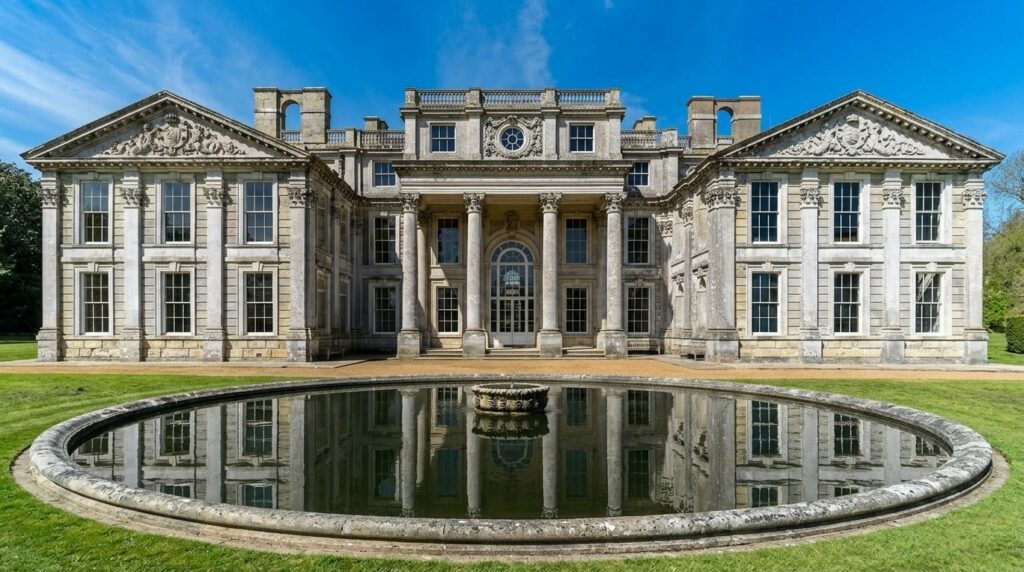
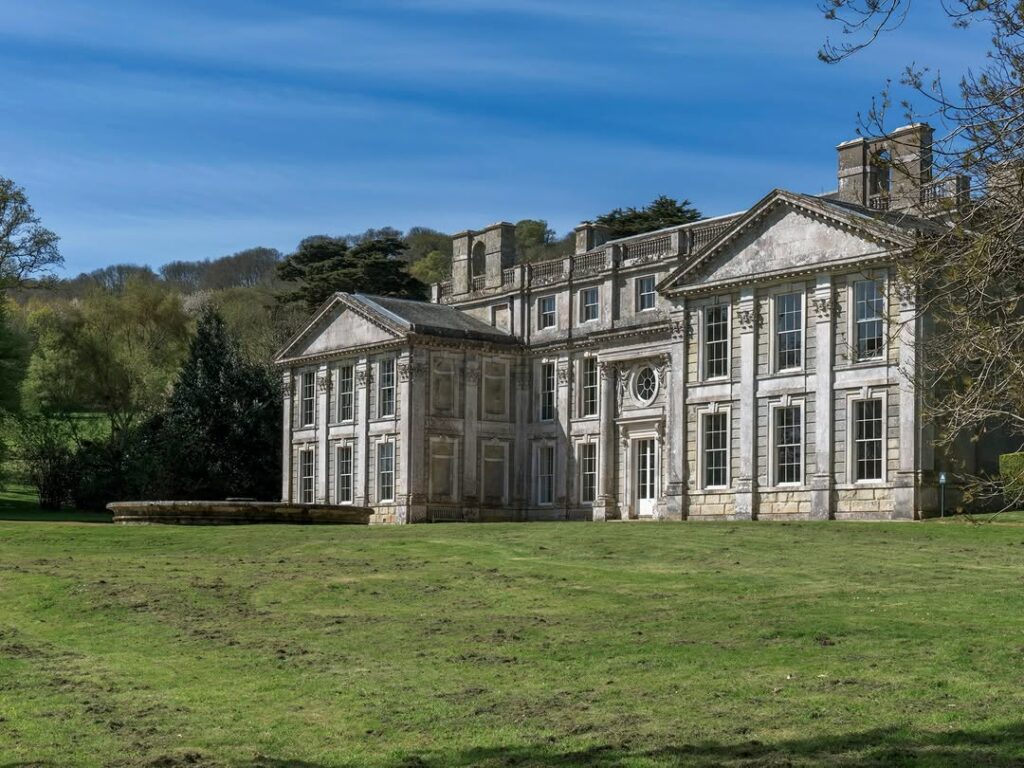
The architect chosen for the job was John James, a respected figure of early 18th-century English architecture. Together, they created a house in the Palladian style, drawing on the symmetry and grandeur associated with classical Italian villas.
Sir Robert never lived to see the house finished. Decades later, his great-nephew, Sir Richard Worsley, expanded the property further, adding to its art collection and commissioning landscape designer Lancelot “Capability” Brown to redesign the surrounding parkland in the 1780s.
For a time, Appuldurcombe House was considered the grandest private residence on the Isle of Wight.
Architecture and Design: A Palladian Statement
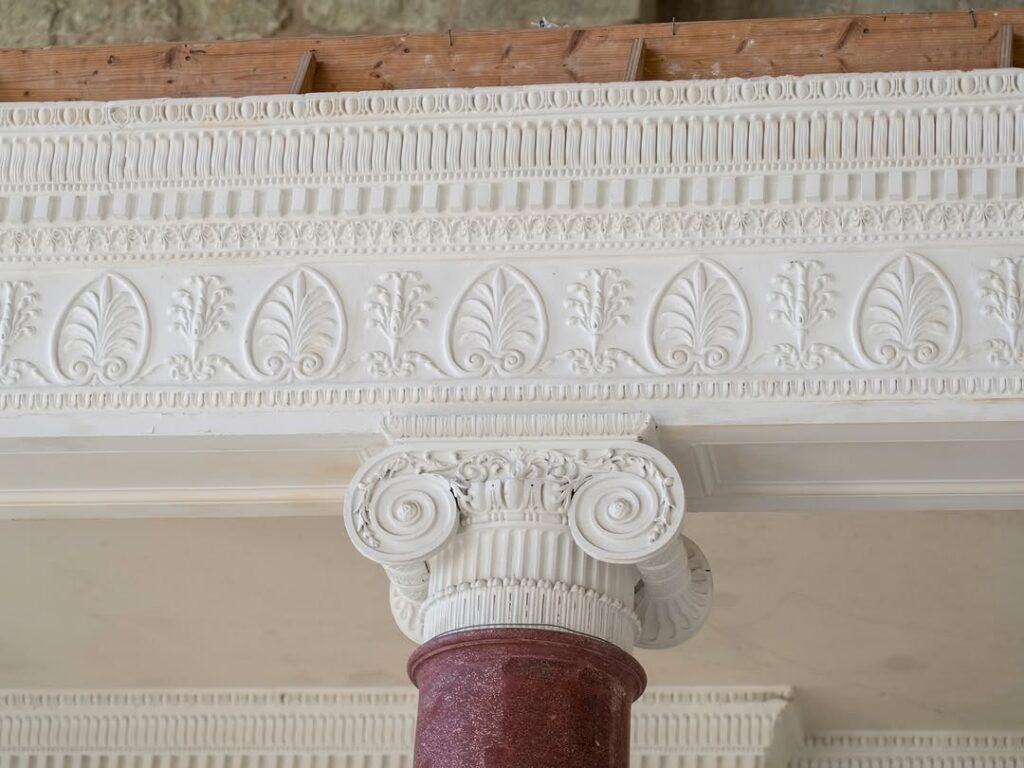
What made Appuldurcombe House so remarkable wasn’t just its size — it was its ambition.
Key architectural features included:
- A symmetrical Baroque-Palladian façade
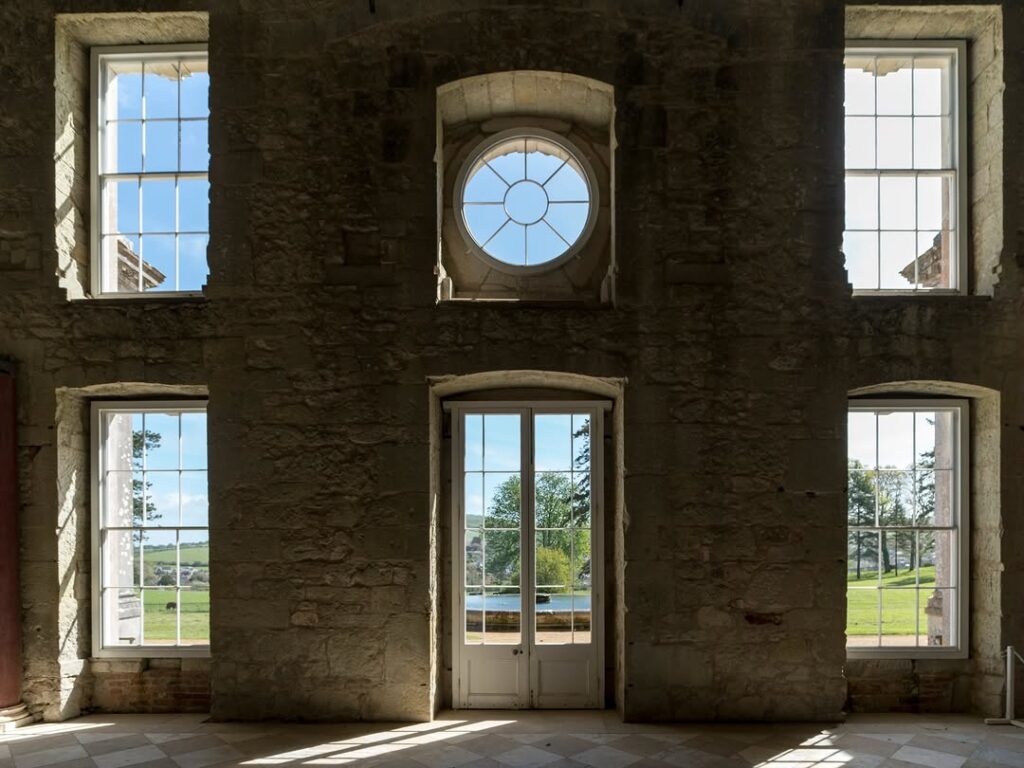
- Dozens of large windows designed to flood the interior with natural light
- Nearly 50 rooms, including dedicated galleries for art and antiquities
- A grand drawing room used for entertaining guests
- Formal gardens later softened into naturalistic Capability Brown landscapes
Sir Richard Worsley was an avid art collector, and several rooms were purpose-built to display sculptures, paintings, and artifacts gathered during his travels across Europe. For a brief period, the house functioned almost like a private museum as much as a family home.
If you enjoy exploring other examples of grand English country houses left to the elements, you may also want to read about England’s most haunting Jacobean manor, which shares a similarly dramatic architectural legacy.
The Abandonment Story: How Glory Turned to Ruin
No grand house falls apart overnight. For Appuldurcombe House, the decline was gradual — a slow accumulation of financial pressure, changing fortunes, and shifting purpose.
Financial Decline of the Worsley Family
By the 19th century, the cost of maintaining such an enormous estate had become unsustainable. The family’s lavish lifestyle, combined with mounting debts, eventually forced a sale. In 1855, the estate changed hands for the first time in over a century, ending the long Worsley association with the property.
A House of Many Uses
After the sale, Appuldurcombe House entered what might be called its “second life.” Rather than disappearing immediately, it was repurposed again and again:
- It briefly operated as a hotel.
- It became a boys’ school known locally as Dr Pound’s Academy.
- Between 1901 and 1907, it housed Benedictine monks who had been exiled from France before relocating permanently to Quarr Abbey.
- During both World Wars, the building was used to billet troops.
Each transition left its mark, but nothing prepared the house for what happened in 1943.
The Night the War Came to Appuldurcombe
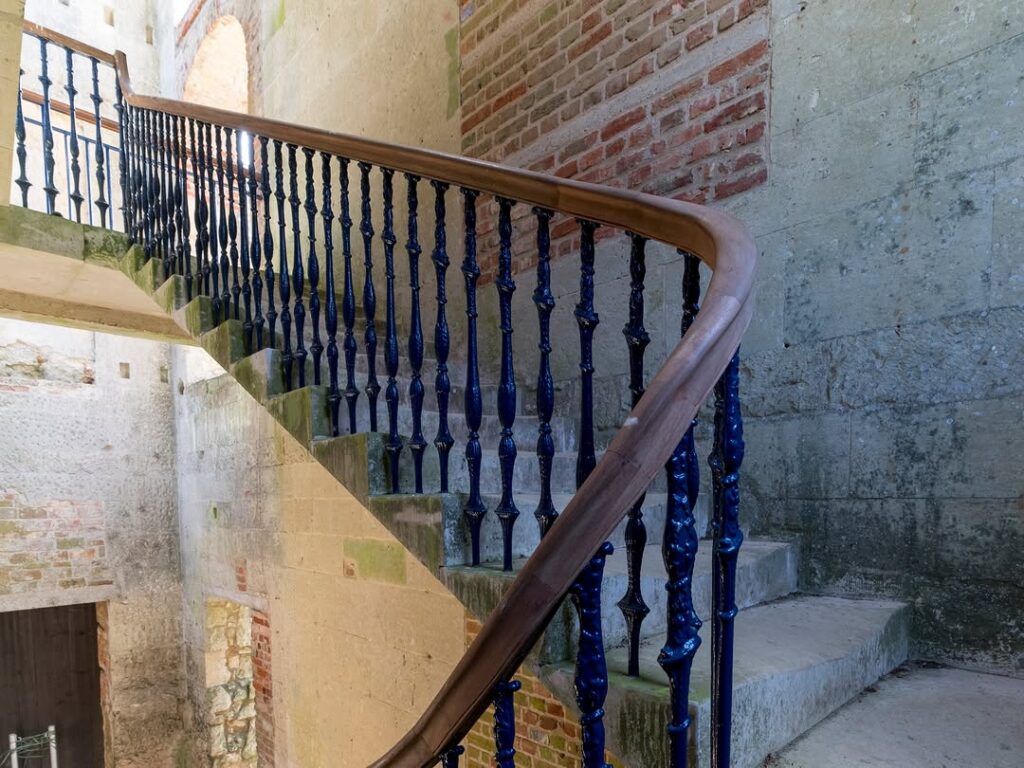
On 7 February 1943, a German aircraft on a mine-laying mission turned inland over the Isle of Wight. As it crashed nearby, the mine it had been carrying detonated close to the house. The blast shattered windows and brought down part of the roof.
The damage was never properly repaired. Materials were later stripped and sold, and the house was left exposed to the weather — a wound that would never fully heal.
Forgotten Objects and Hidden Details
Walking through Appuldurcombe House today, visitors won’t find furniture or family heirlooms. Decades of stripping, salvage, and time have removed almost everything portable.
But the details that remain tell their own quiet story:
- Faint outlines on interior walls where staircases and fireplaces once stood
- Sections of the original marble flooring in the entrance hall, painstakingly preserved
- Window frames that once held over 300 panes of glass, many now empty openings framing the sky
- Remnants of the obelisk dedicated to Capability Brown, still standing in the grounds
These fragments are easy to miss if you’re not looking closely — but they’re often the most powerful parts of a visit. For more on how small details can define a forgotten space, the hidden basement of an abandoned Victorian house offers another example of how overlooked corners can carry the most history.
Atmosphere and Decay: What It Feels Like Today
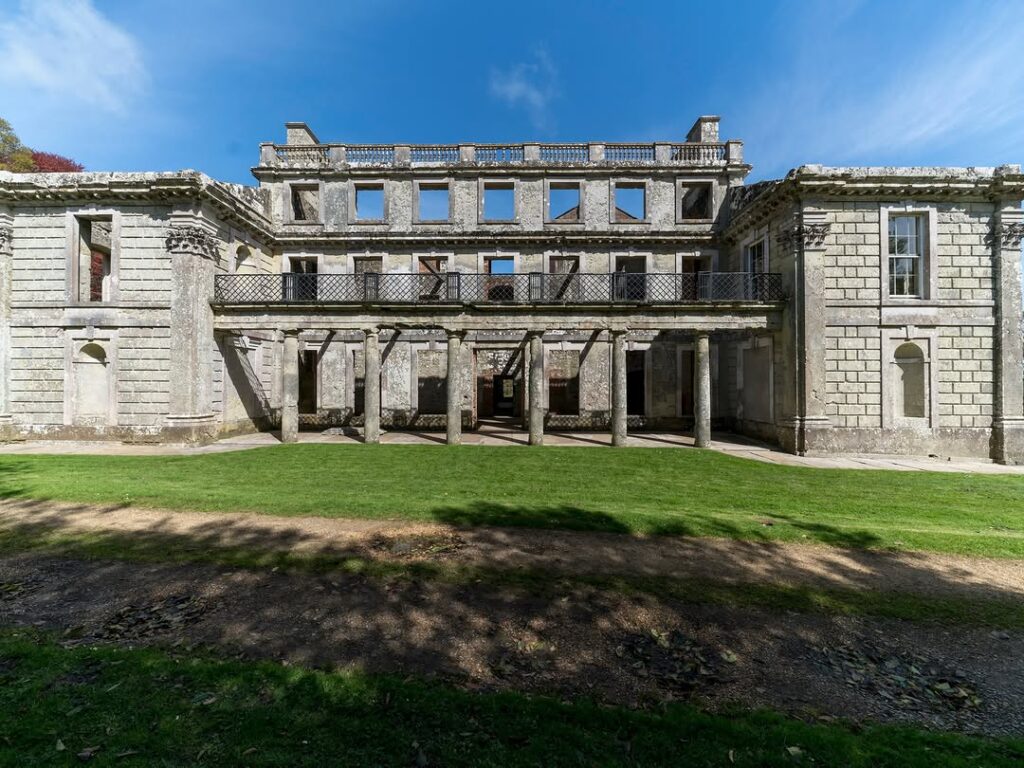
Step through the entrance and the change in temperature is immediate. Even on a warm day, the air inside feels cooler, heavier.
Sunlight pours through where the roof used to be, falling onto floors that have seen two and a half centuries of footsteps. Dust settles in corners that no longer have walls to contain it. Where wallpaper once lined the rooms, only patches of plaster remain, fading into shades of grey and ochre.
Outside, the gardens that Capability Brown once shaped have softened into something closer to wilderness. Ivy climbs sections of the stonework. Grass grows where guests once strolled in formal rows of hedging.
It’s a strange kind of beauty — not the polished grandeur the house was built for, but something quieter and more honest.
Local Legends and Ghost Stories
It’s almost impossible to talk about Appuldurcombe House without mentioning its reputation as one of the Isle of Wight’s most haunted locations.
Over the years, visitors and staff have reported:
- The sound of a baby crying in empty rooms
- Sightings of a robed figure, often described as a monk, near the cellars
- Sudden drops in temperature with no obvious explanation
- A persistent feeling of “being watched” near where the Great Hall once stood
Whether or not you believe in ghosts, it’s easy to understand why these stories persist. The combination of monastic history, wartime tragedy, and centuries of change gives the building an atmosphere that feels charged with memory.
If atmospheric, slightly eerie estates fascinate you, the story behind this forgotten mansion still holding its secrets is well worth exploring next.
Current Condition: A Protected Ruin
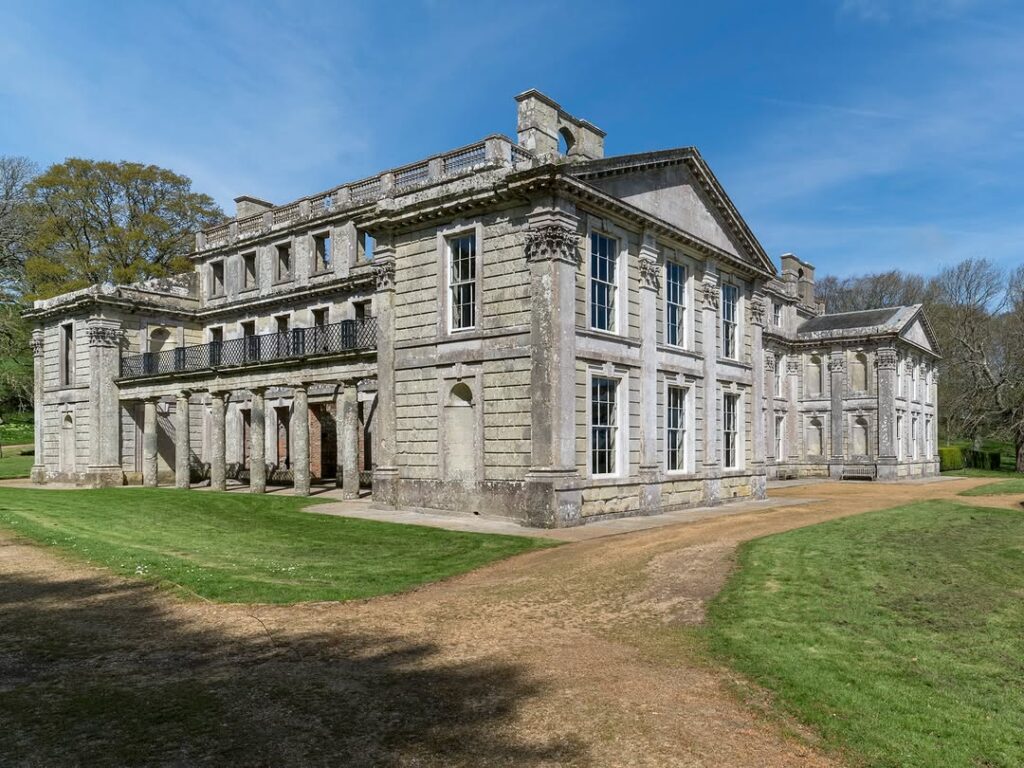
Despite everything it has been through, Appuldurcombe House has not been left to disappear completely.
Since the 1950s, restoration work has stabilized much of the structure. The front section has been re-roofed and partially glazed, the marble entrance floor has been preserved, and the grounds are now maintained for public visits.
The site is cared for by English Heritage, which means:
- The building is protected from further deterioration where possible
- Visitors can explore parts of the house and grounds safely
- Information panels help tell the history of the estate on-site
This careful management is part of why Appuldurcombe House remains accessible today — not as a hidden ruin to sneak into, but as a recognized heritage site that welcomes respectful visitors.
Cultural and Historical Significance
Appuldurcombe House isn’t just a pretty ruin. It represents a piece of architectural history — one of the relatively few large-scale Palladian houses built on the Isle of Wight.
It also tells a broader story that applies to many great estates across Britain:
- The rise of wealthy families through trade, inheritance, and ambition
- The cost of maintaining enormous properties across generations
- The way grand homes adapt — becoming schools, religious houses, or military sites — when their original purpose fades
- The lasting impact of the Second World War on Britain’s historic buildings
In many ways, Appuldurcombe House is a microcosm of England’s relationship with its own grand past: proud, complicated, and slowly being reclaimed by nature.
Conclusion
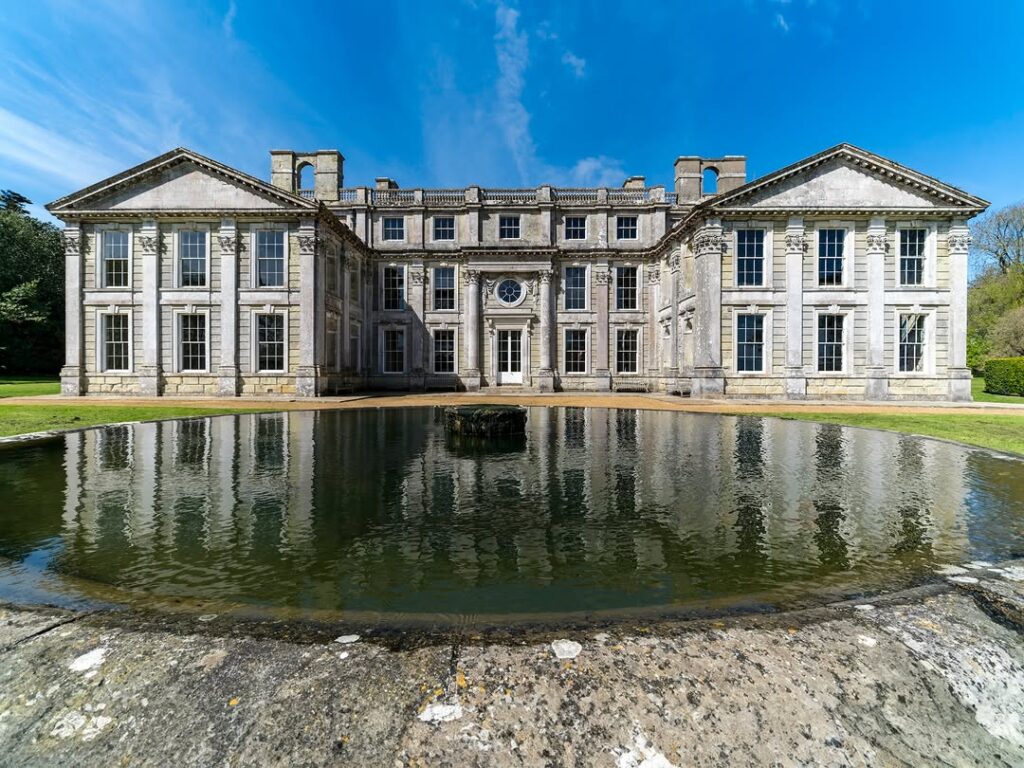
Appuldurcombe House began as a statement of wealth and taste, designed to impress for generations. Instead, it became something more enduring — a place where history, decay, and quiet beauty exist side by side.
Walking its empty halls today, it’s hard not to feel the weight of everything that’s happened here: the ambition of the Worsleys, the footsteps of monks and schoolboys, the night the war arrived without warning, and the decades of slow, careful restoration that followed.
Appuldurcombe House remains a picturesque ruin — but it’s also a reminder that even the grandest buildings are temporary. What lasts is the story.
For more deep dives into estates with similarly layered histories, take a look at the abandoned castles archive, or explore the haunting forgotten estate featured elsewhere on the site.
Frequently Asked Questions
1. What is Appuldurcombe House? Appuldurcombe House is a ruined 18th-century Palladian mansion on the Isle of Wight, built for the Worsley family and now managed as a heritage site by English Heritage.
2. Who built Appuldurcombe House? The house was commissioned by Sir Robert Worsley and designed by architect John James, with construction beginning in 1701.
3. Why was Appuldurcombe House abandoned? A combination of rising maintenance costs, the sale of the estate in 1855, and severe bomb damage during World War II in 1943 led to its gradual abandonment.
4. Is Appuldurcombe House haunted? The site has a long-standing reputation for ghost sightings, including reports of monk-like figures and unexplained sounds, though these remain folklore rather than verified fact.
5. Can you visit Appuldurcombe House today? Yes. The site is open to the public and cared for by English Heritage, with parts of the house and grounds accessible to visitors.
6. What architectural style is Appuldurcombe House? Appuldurcombe House is built in the Palladian style, characterized by symmetry, large windows, and classical proportions, with later landscaping by Capability Brown.
Outbound references for further reading: Appuldurcombe House on Wikipedia and the official English Heritage Appuldurcombe House page.