To understand what we see today, we have to look back at how it all began. The Bliss House was constructed in the early 1920s, during a period of rapid growth and architectural creativity in Denver. At that time, many wealthy families built substantial homes in the city’s more desirable neighborhoods, drawn by Denver’s clean mountain air, growing economy, and reputation as a gateway to the American West.
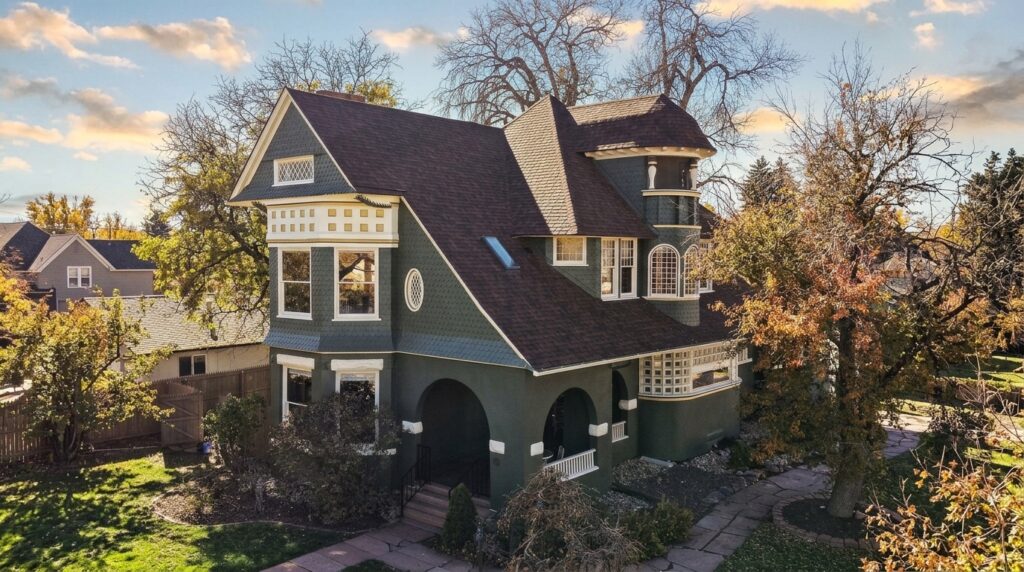
Designed in the Colonial Revival style — popular across the United States in the first half of the 20th century — the home featured symmetrical facades, tall windows, wide porches, and detailed woodwork. It was built for a prominent local businessman and his family, who named it “Bliss House” as a reflection of the happiness and stability they hoped it would bring to generations. For decades, it served exactly that purpose: children grew up here, holidays were celebrated, and the home became a familiar sight to neighbors and visitors alike.
Records from the Denver Assessor’s Office and local historical societies note that the property changed hands several times after the original family moved away in the 1970s. For a while, it remained well-maintained, but as years passed, each new owner seemed to have fewer resources or less interest in preserving its original character. By the early 2000s, maintenance began to slip, and the first visible signs of decline appeared.
If you’ve ever wondered what happens when upkeep falls behind, you might find parallels in An Abandoned Home in Tacoma, WA Where the Walls Tell the Whole Story — another property we’ve explored where neglect slowly transformed a family home into a shell of its former self.
What “BW, PSGW, GT, and More” Actually Mean
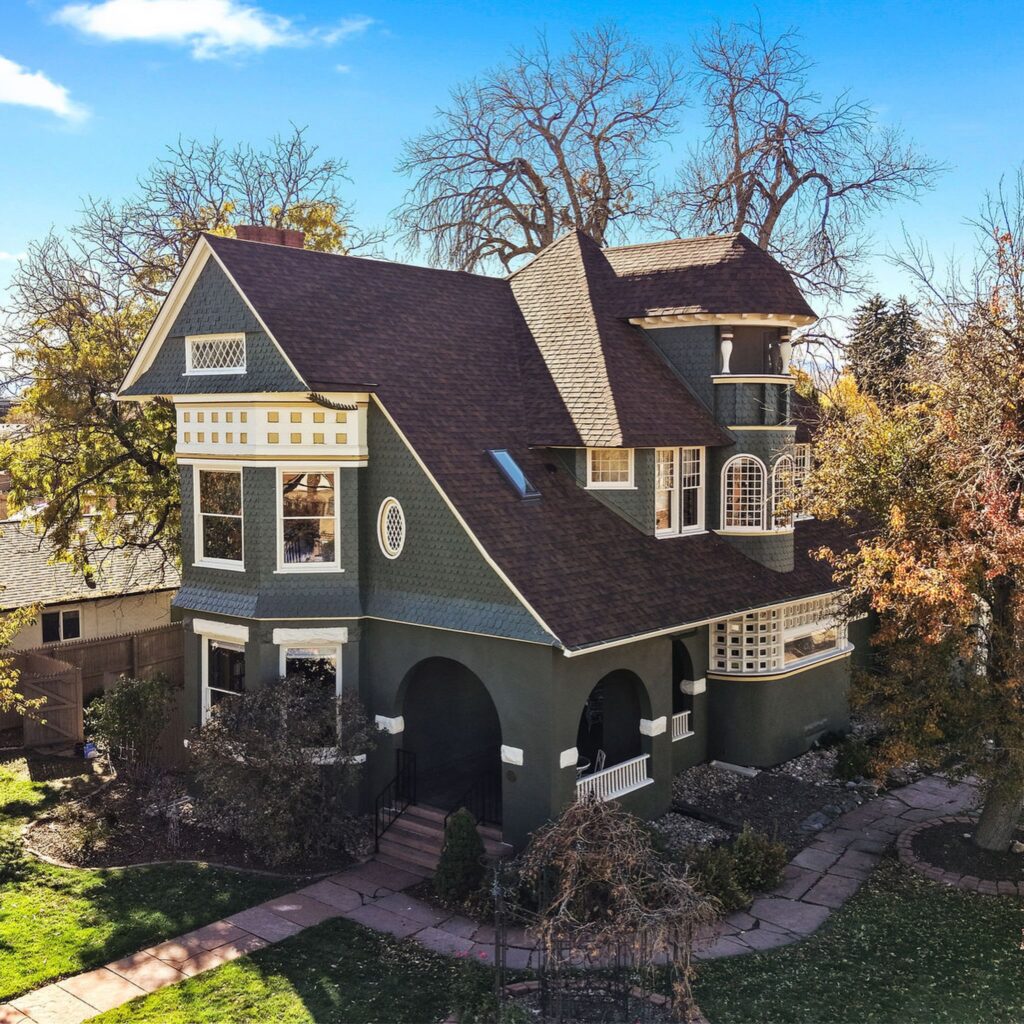
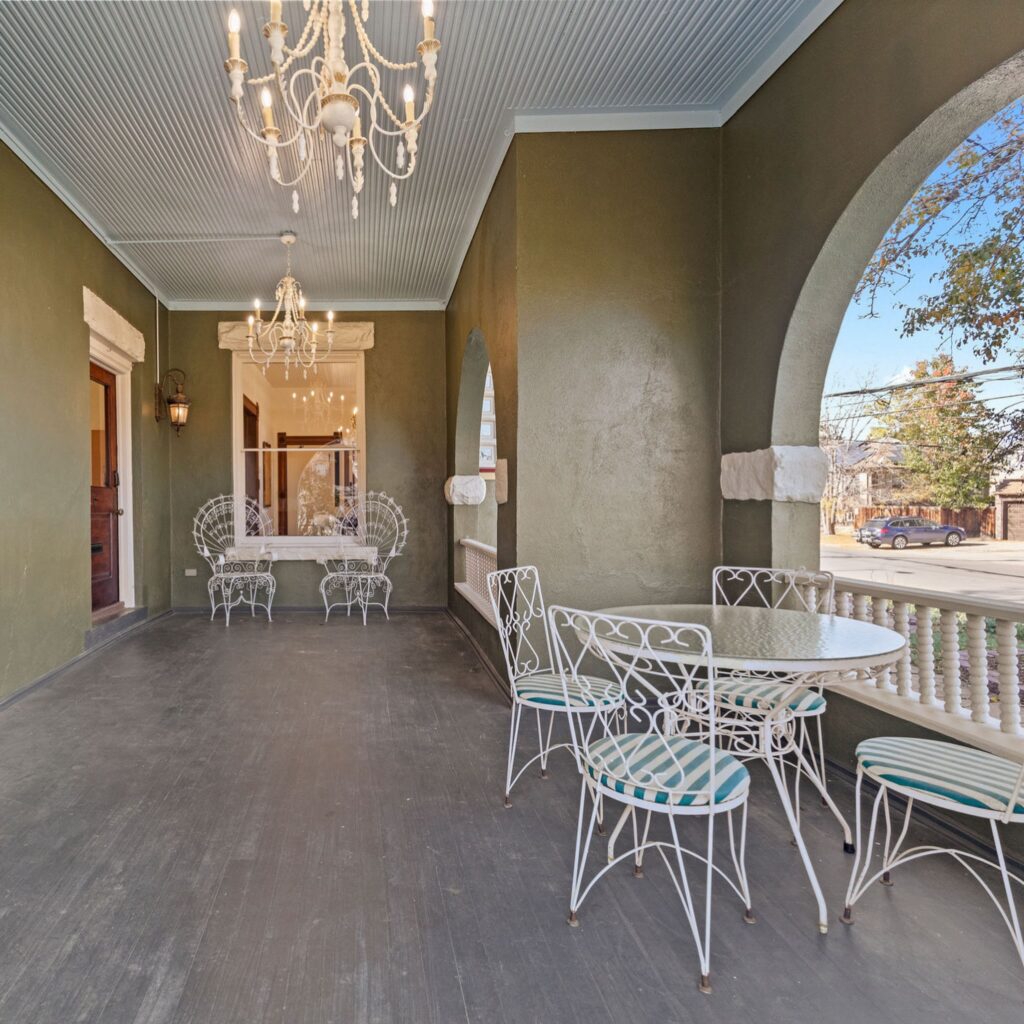
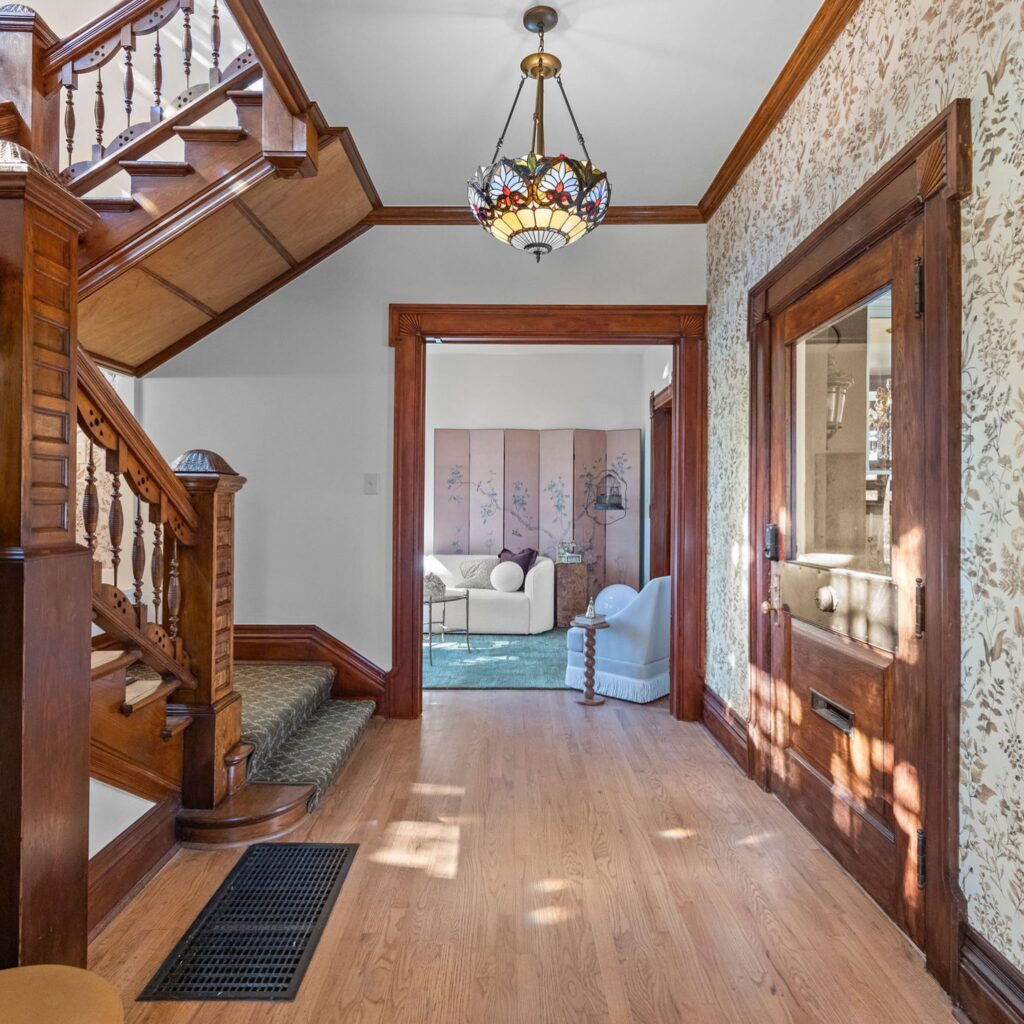
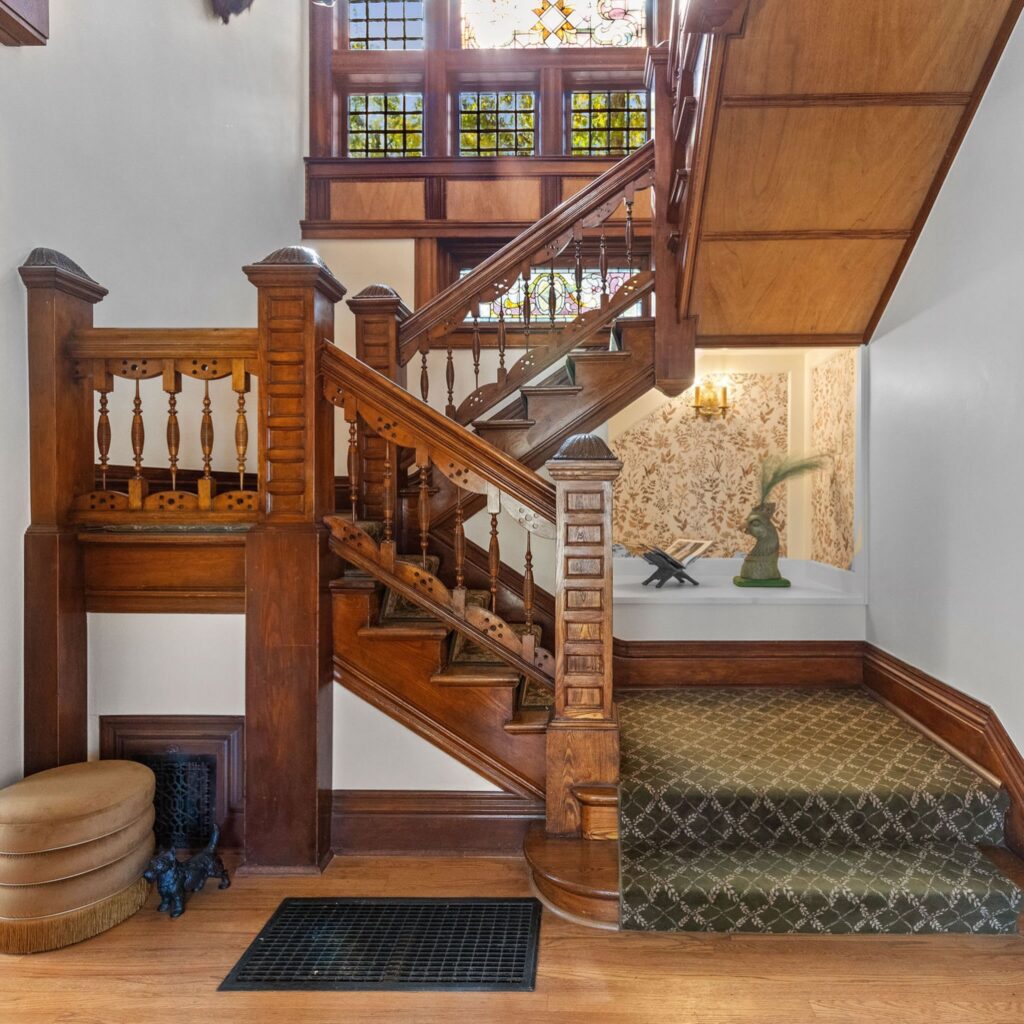
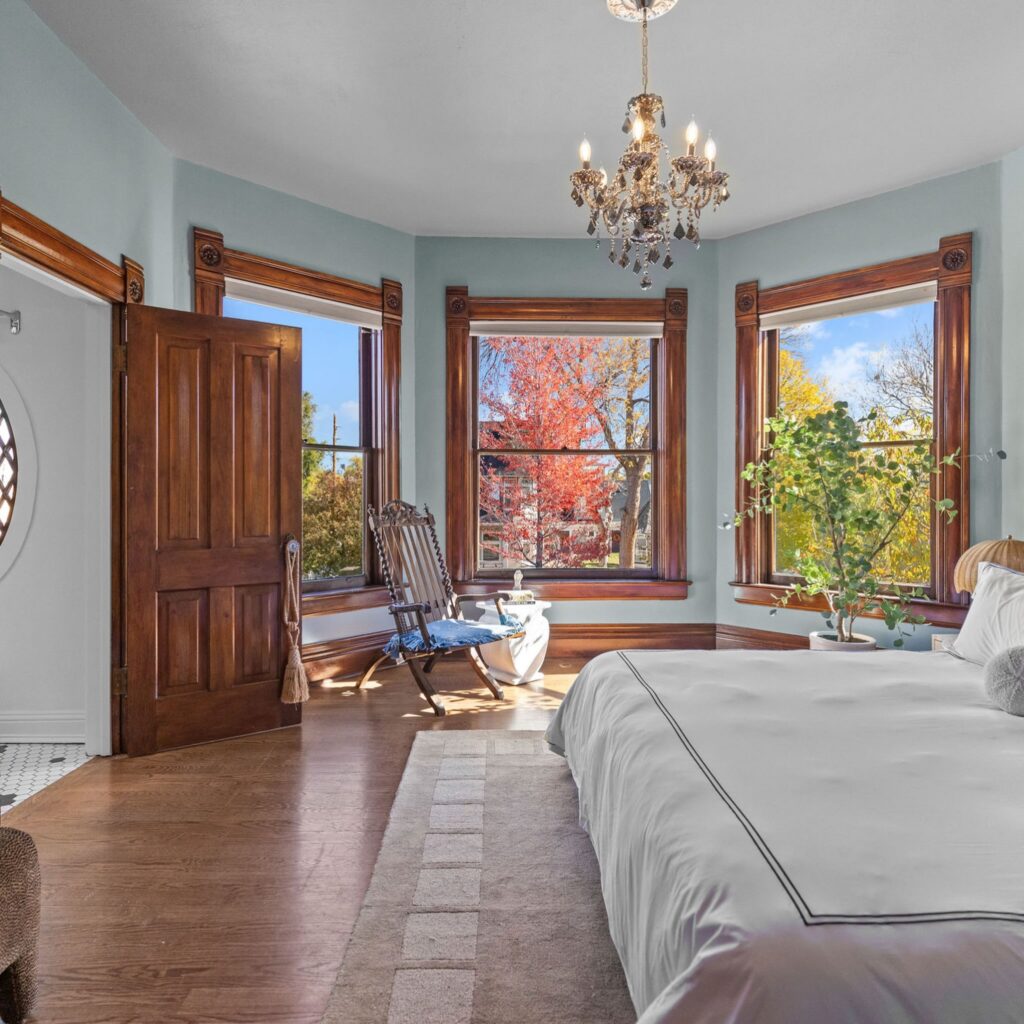
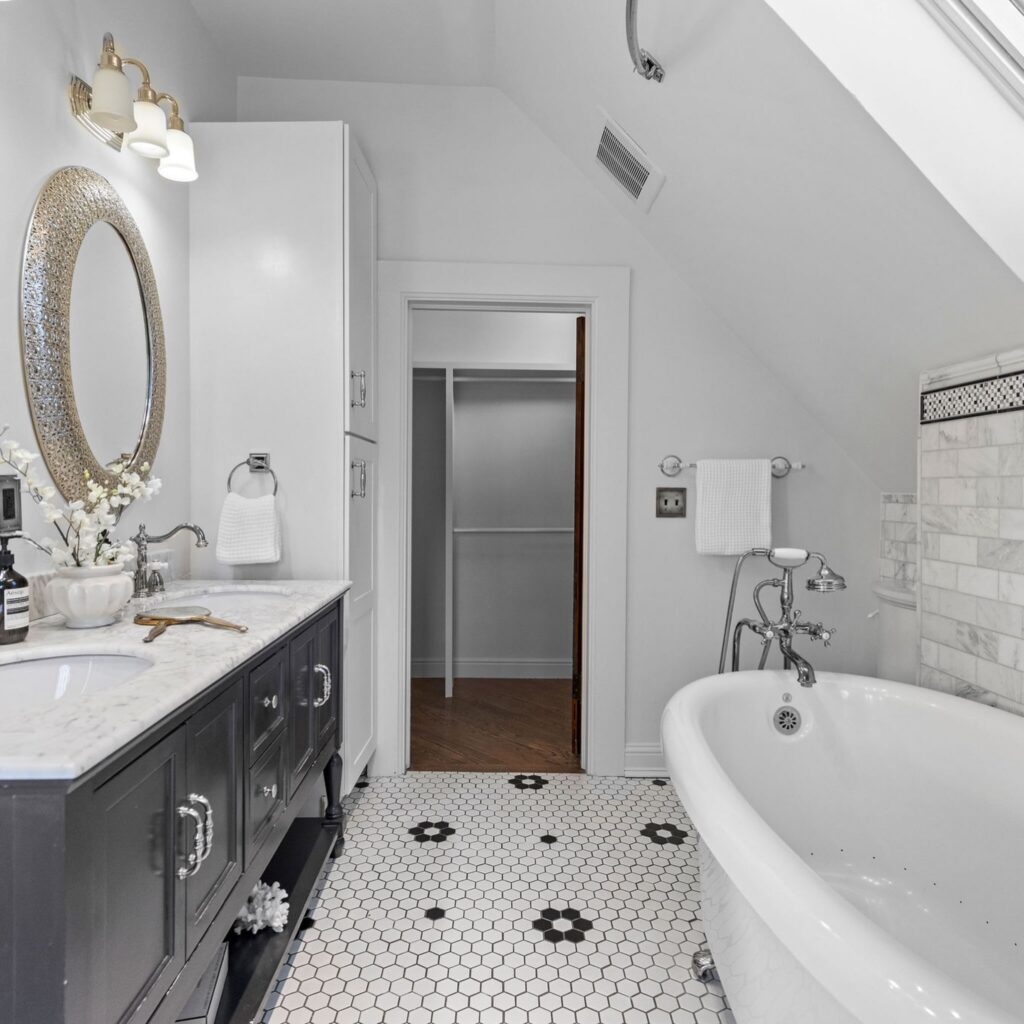
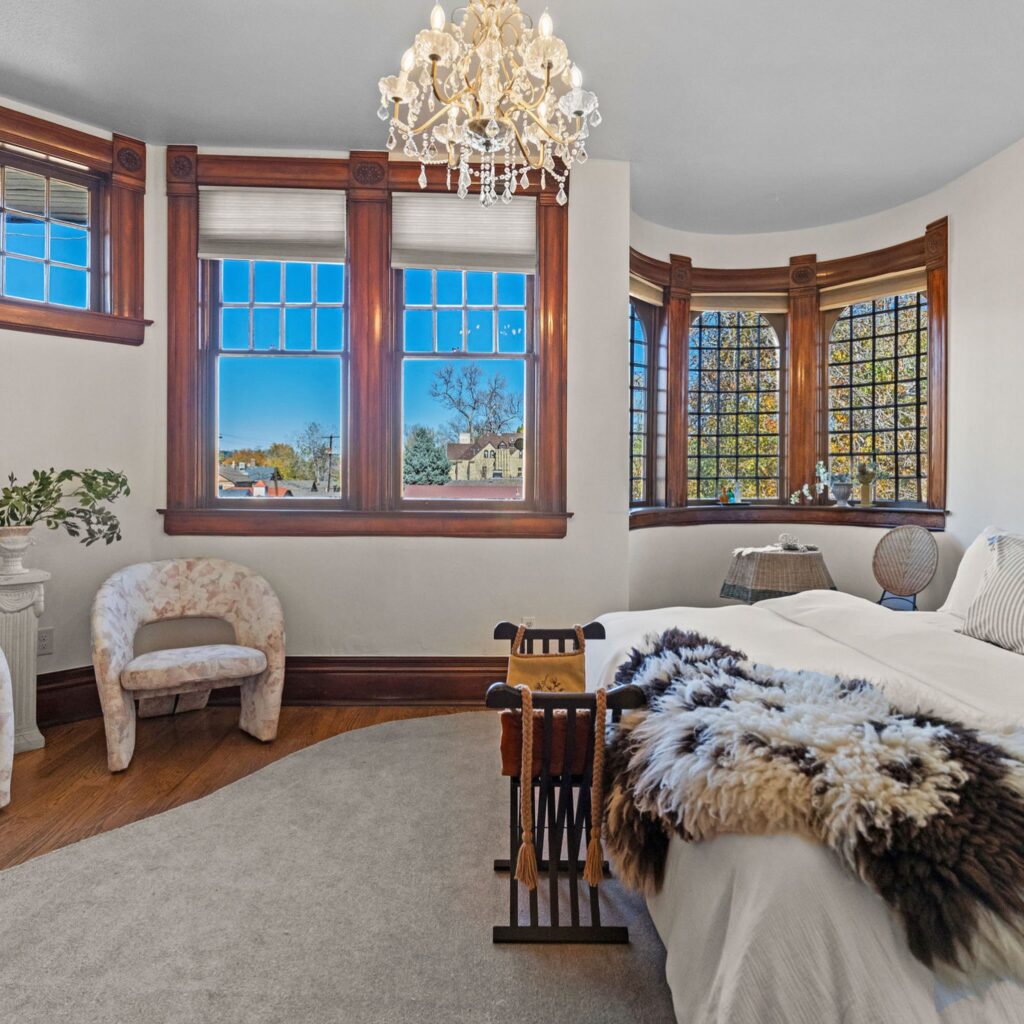
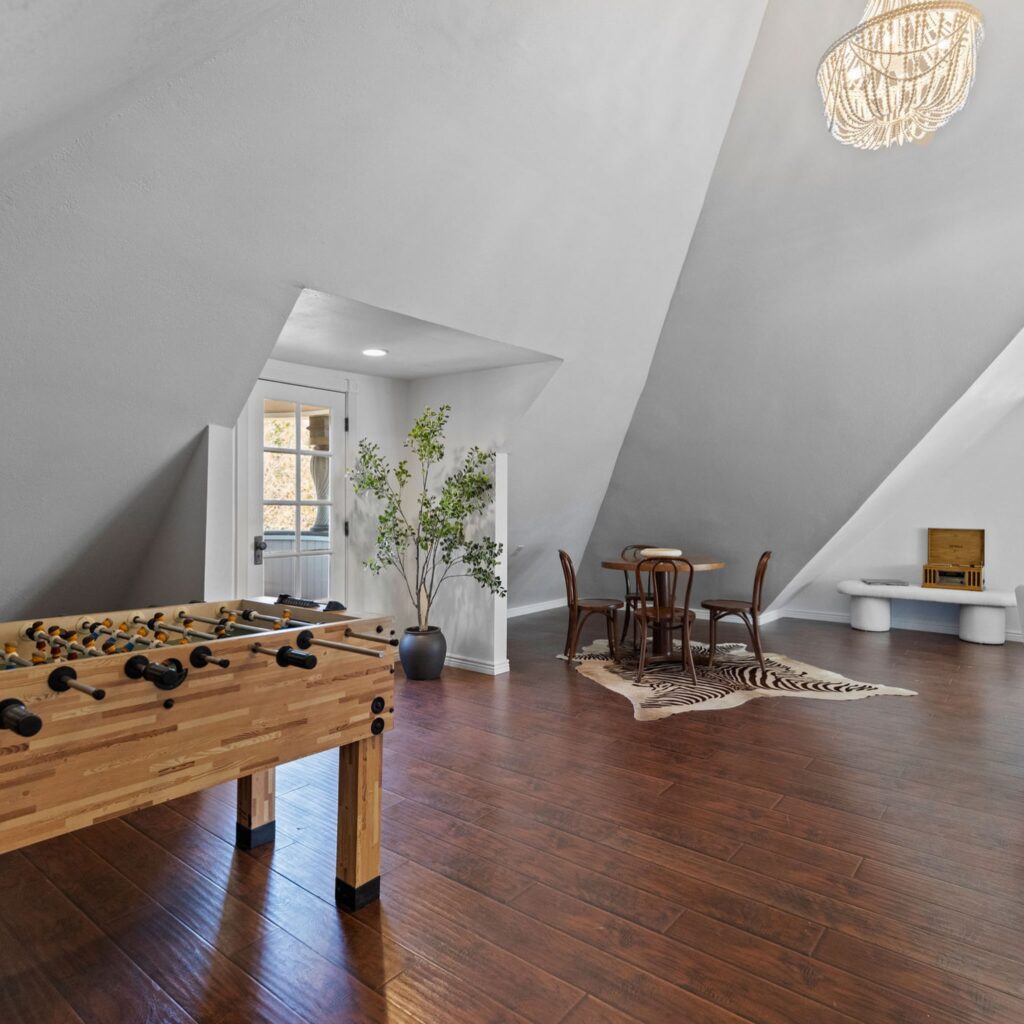
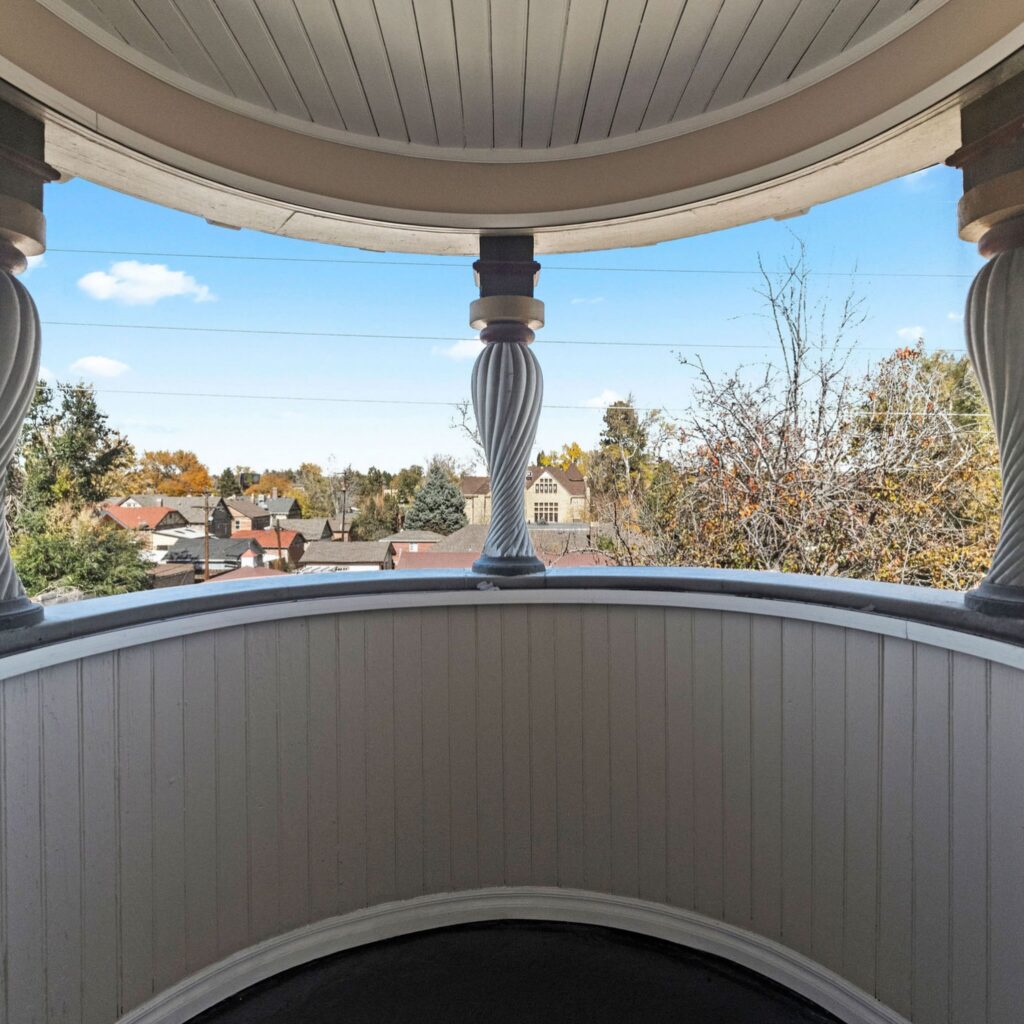
When real estate listings and preservation reports mention conditions like BW, PSGW, and GT, they are using standard industry shorthand for the kinds of damage that often affect older, vacant buildings. These terms help explain why a home like this — in a prime location in Denver — can still be found in such a state and listed at a price that seems low for its size and neighborhood.
- BW stands for Biological Growth — think mold, mildew, and fungi that thrive in areas where moisture has been allowed to build up over time. You can often smell it before you see it: a damp, earthy scent that lingers in hallways and basements. Left unchecked, it spreads across walls, ceilings, and wooden framing, weakening structures and affecting indoor air quality.
- PSGW refers to Peeling, Staining, and General Wall Deterioration. Years of temperature changes, leaks, and lack of repainting cause paint and plaster to crack, bubble, and fall away. Underneath, old materials become exposed, making repairs more complicated and costly.
- GT means General Timber Degradation — the weakening of wooden beams, floor joists, window frames, and doors. Rot and insect infestations (such as termites or carpenter ants) slowly eat away at the home’s skeleton, making some areas unsafe to walk through or use.
These issues are not unusual for abandoned or long-unoccupied homes. We saw similar patterns at The Gates Haven’t Opened Since the 1980s — Inside This Abandoned Château, where decades of disuse allowed natural elements to begin reclaiming the building.
Walking Through The Bliss House Today
I stepped carefully through the open gate, aware that every step could tell a story. The first thing you notice is the light. Even on a bright afternoon, the interior feels dim, filtered through dust-covered panes and heavy curtains that have not been drawn back in years. Sunlight slants in long, golden streaks, illuminating clouds of fine dust floating in the air.
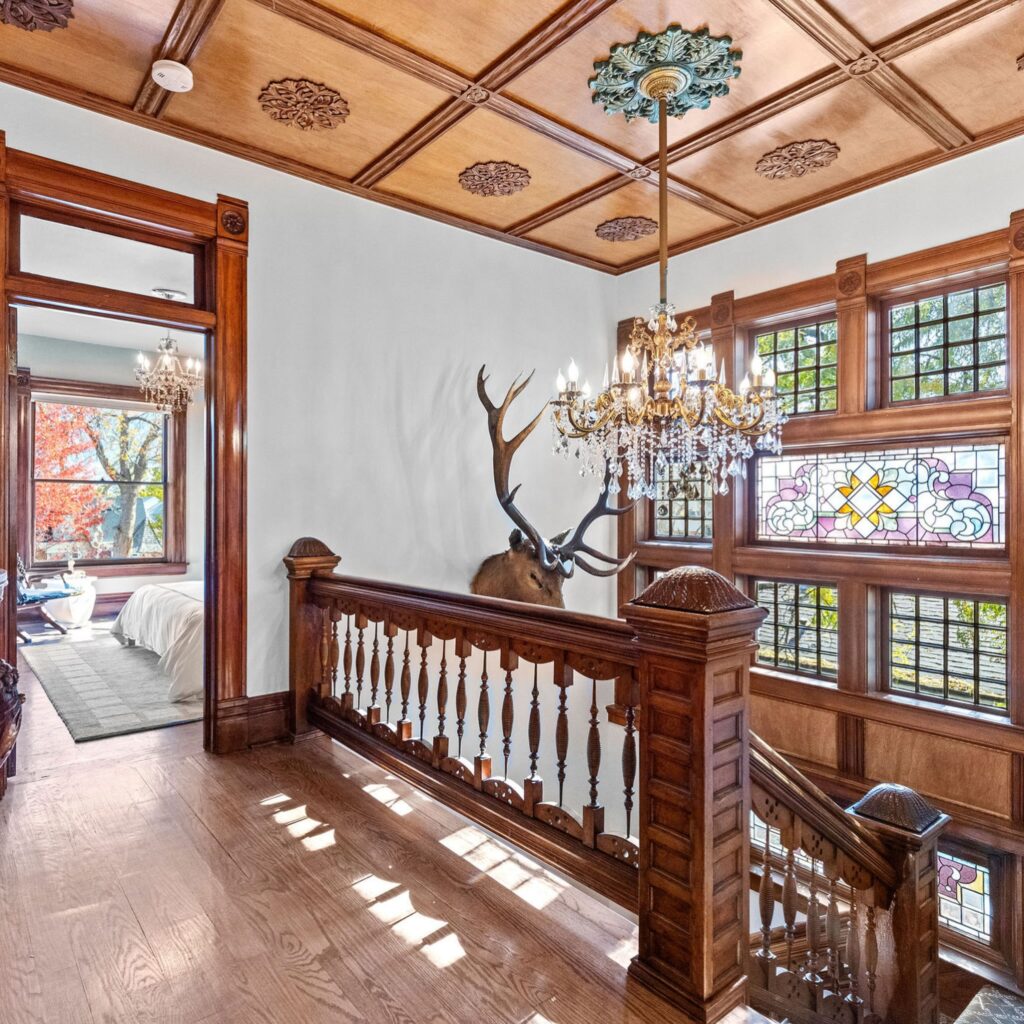
The front hallway still retains its original hardwood floors, though they are warped in places and covered in a layer of grime. The staircase curves upward, its banister still sturdy but dulled by lack of polish. Along the walls, you can see layers of wallpaper and paint — one faded floral pattern beneath another, each representing a different era in the home’s life.
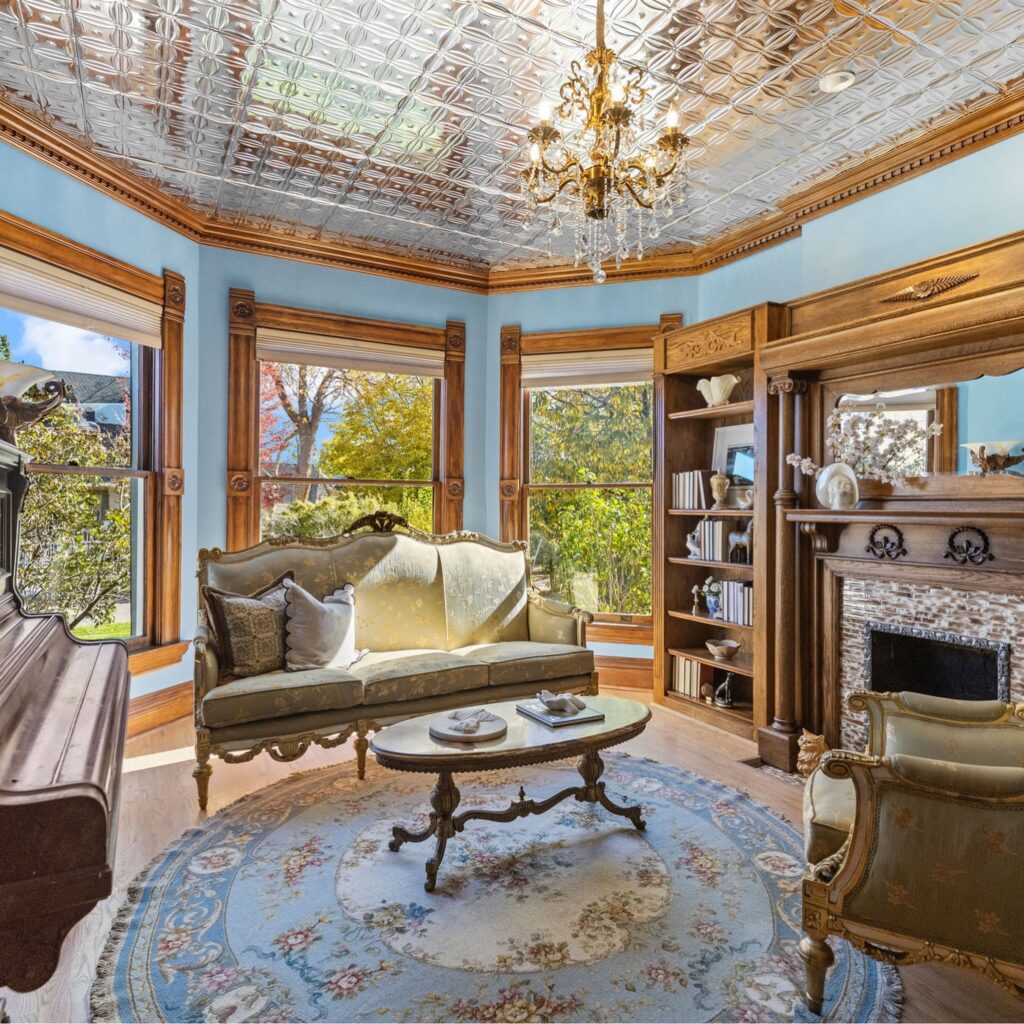
In the main living room, the fireplace remains intact, its mantel carved with intricate details that once drew admiring comments. Now, cobwebs drape across the corners, and the hearth is littered with fallen plaster and leaves blown in through a cracked window. The air here is cool and still, carrying that unmistakable mix of damp wood, old paper, and faint mildew.
Upstairs, the bedrooms feel even more personal — and more sad. Empty picture hooks mark where family photographs once hung. Closets stand open, their shelves bare but still holding the faint scent of cedar and lavender. In one room, a cracked mirror leans against the wall, reflecting back a space that feels both familiar and forgotten.
Outside, the garden has turned wild. Paths are overgrown with weeds, and what was once a rose garden is now tangled thickets. The roofline shows patches where shingles have blown away, allowing rainwater to seep into the attic and upper floors — the root cause of much of the damage inside.
Local Stories and Rumors
As with any long-vacant property, The Bliss House has become the subject of local conversation. Some neighbors recall parties and gatherings held here decades ago, when music would drift out onto the street and lights shone brightly from every window. Others speak of the quiet years that followed, when activity slowed and eventually stopped entirely.
There are no confirmed ghost stories or dramatic legends attached to this place — and that is part of what makes it so compelling. “It’s just a house that got left behind,” one long-time resident told me. “No tragedy, no scandal — just people who couldn’t afford to keep it, and no one who could afford to fix it.”
That said, rumors do circulate in local forums and neighborhood groups. Some claim that the home was abandoned due to costly legal disputes; others suggest the owners simply moved away and lost interest in maintaining it. Without official documentation, these remain just stories — not facts. It is important to separate what we know from what we imagine, especially when exploring places with such visible history.
For context on how vacant properties are viewed and managed, you can read more through resources like the National Trust for Historic Preservation, which tracks similar cases across the United States.
Safety and Legal Considerations
Before you ever consider visiting a property like The Bliss House, there are important rules to keep in mind. This home is private property, currently listed for sale and still owned by individuals or a trust. Trespassing is illegal in Colorado and can result in fines or legal action.
Beyond the legal risks, there are serious safety hazards. Floors may be weak or rotted, staircases unstable, and structural elements compromised. Mold and airborne particles can cause respiratory issues, and broken glass or exposed wiring poses physical dangers.
My observations here were made from public property and through publicly available listing details — I did not enter the building without permission, and I strongly advise you to do the same. Always check local laws, confirm ownership status, and never attempt to enter an abandoned structure unless you have explicit permission and proper safety gear.
What Does the Future Hold?
At $1,674,000, the listing price reflects two realities: the home sits in a desirable area of Denver, where land values remain high, but the cost of repairs and restoration will likely run into hundreds of thousands of dollars. Restoring it properly would mean addressing the biological growth, stabilizing the structure, replacing damaged systems, and bringing everything up to modern building codes — all while preserving its historic character.
For someone with the vision and resources, The Bliss House could rise again. It could once more be a warm, lively home, its walls holding new memories to replace the silence of the past twenty years. But there is also the risk that it will continue to deteriorate, falling further into disrepair until the cost of saving it becomes too great.
Standing there, looking back one last time, I find myself wondering: is this the end of the story, or just a pause? Every abandoned place we visit carries that same question. Some are saved, some are demolished, and some remain standing as quiet reminders of how quickly things can change.
Whatever happens to The Bliss House, its story serves as a reminder that buildings are more than wood, brick, and paint. They are part of our shared history — and when we let them fall into neglect, we lose a little bit of the character that makes our cities feel like home.
If you enjoyed this look at The Bliss House, explore more forgotten places across North America and Europe in our archives. Every structure has a story, and every wall holds a piece of history.