There is something deeply unsettling about walking through a place where someone once had everything. Abandoned celebrity mansions carry that feeling more than almost any other type of forgotten property. The chandeliers are still there. The marble floors haven’t moved. But the silence is total.
Fame is loud. Abandonment is not. And the gap between those two states is what makes these places so compelling.
What Happens When a Celebrity Stops Paying the Bills
Most people assume that wealth lasts forever. It doesn’t.
Celebrity estates fall into abandonment for more reasons than most people realize. Debt. Legal disputes. Death with no clear heir. Tax burdens that spiral out of control. Sometimes the owner simply walks away. Other times, the property gets caught in decades-long probate while the roof quietly collapses.
The reasons are often less glamorous than the mansion itself.
What gets left behind, though? That’s where things get interesting.
The Architecture of Excess
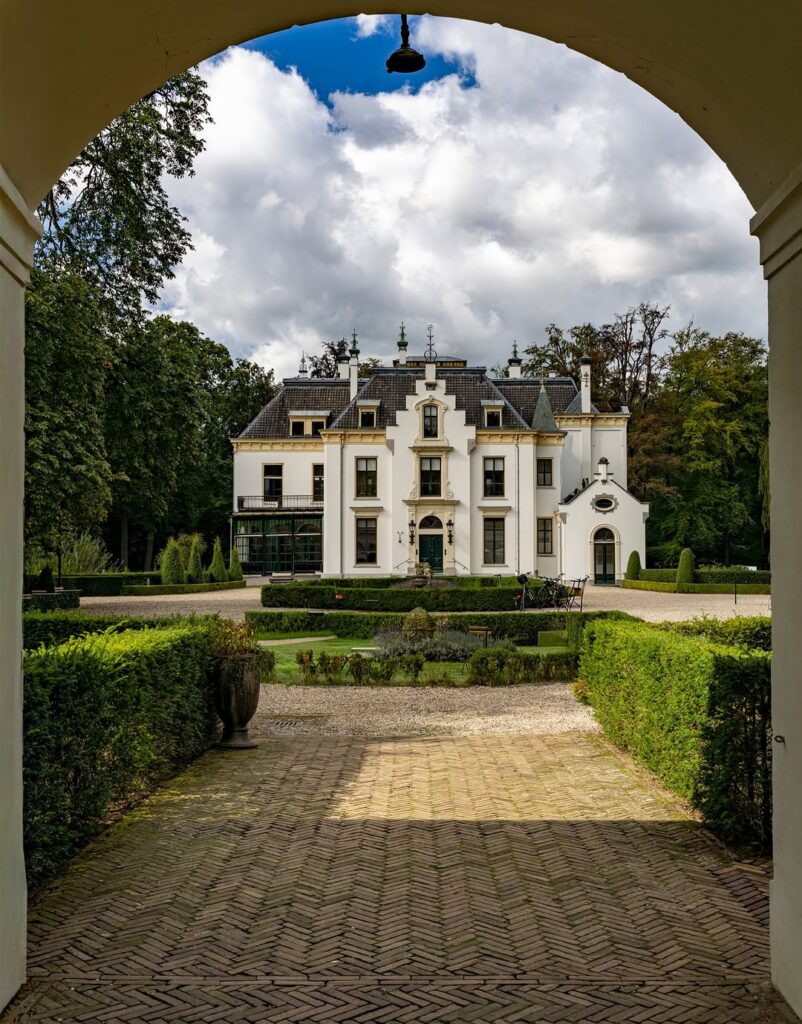
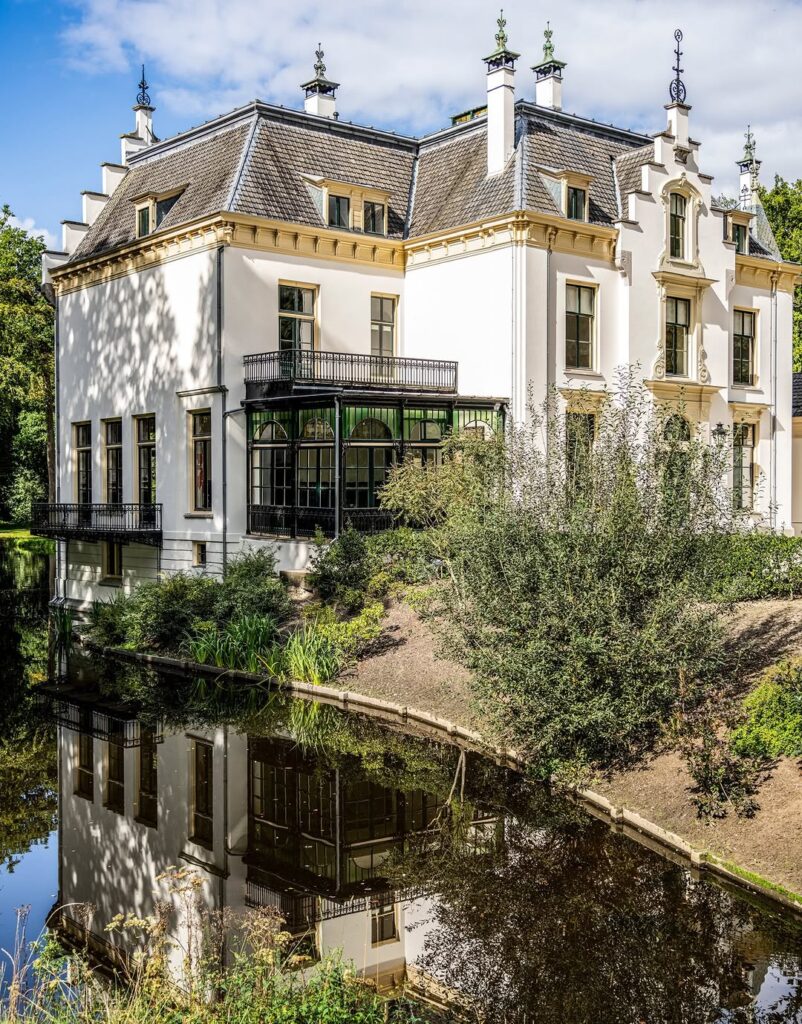
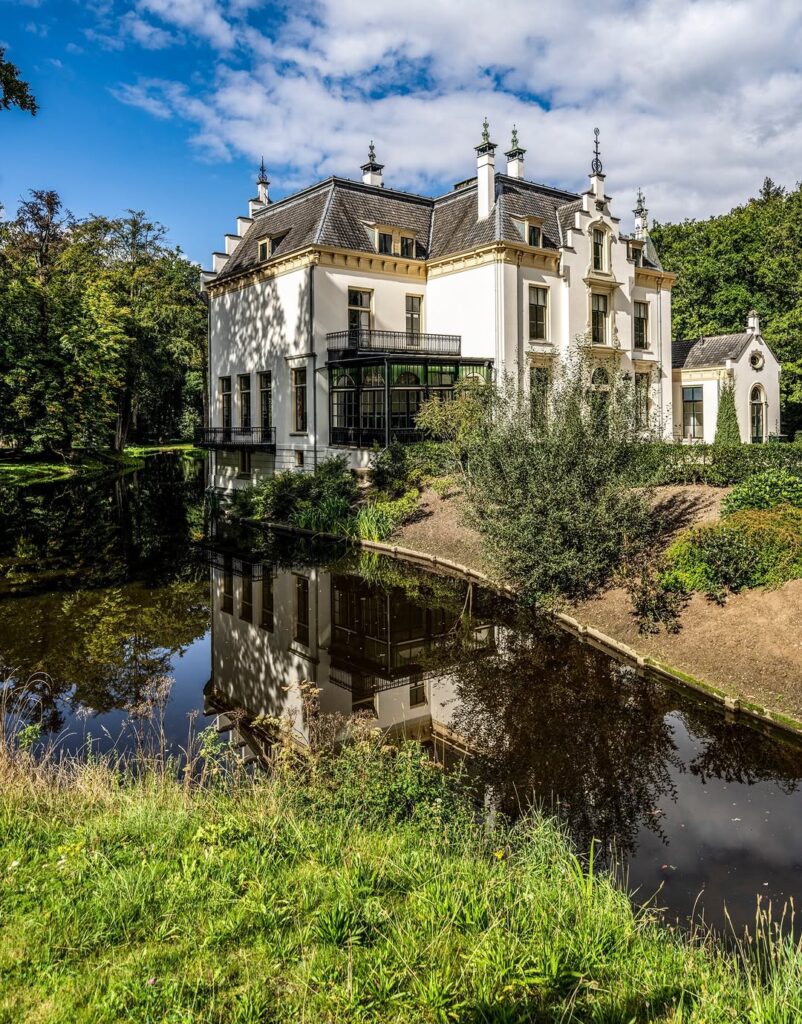
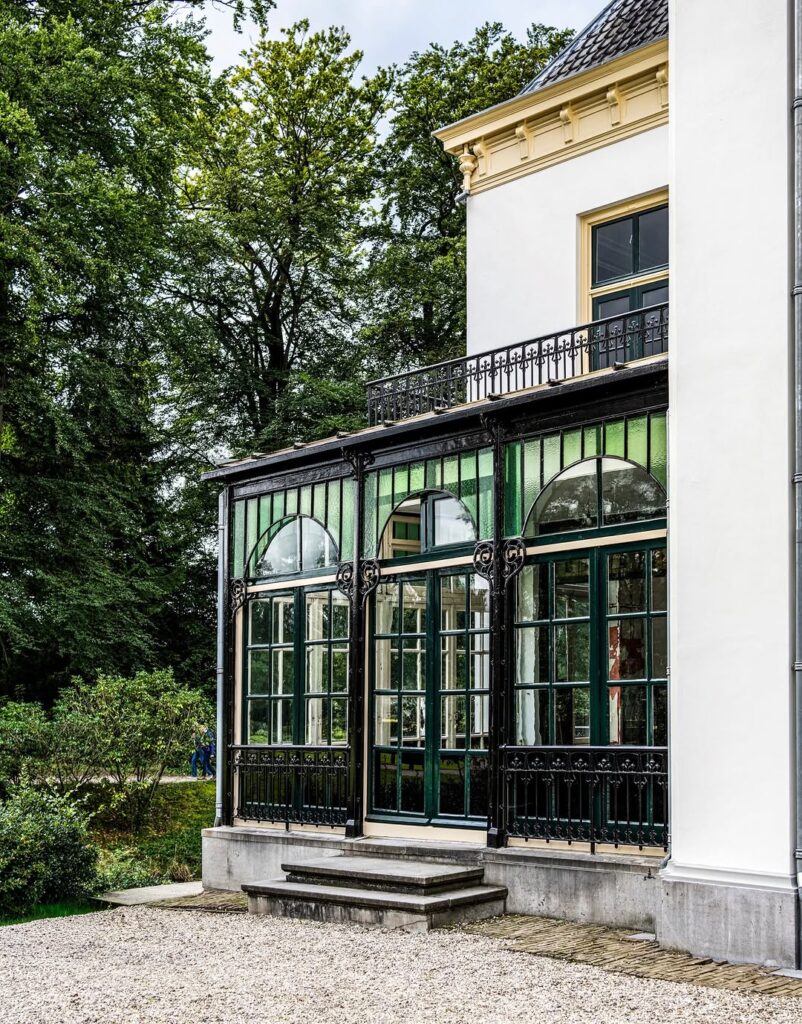
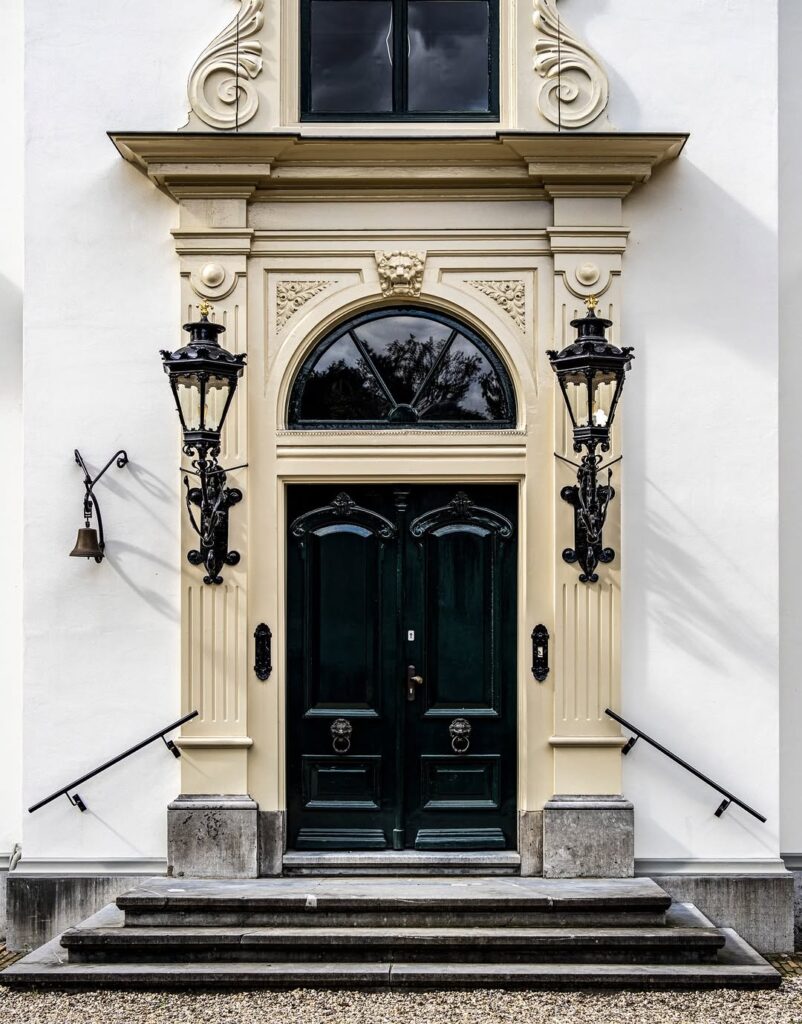
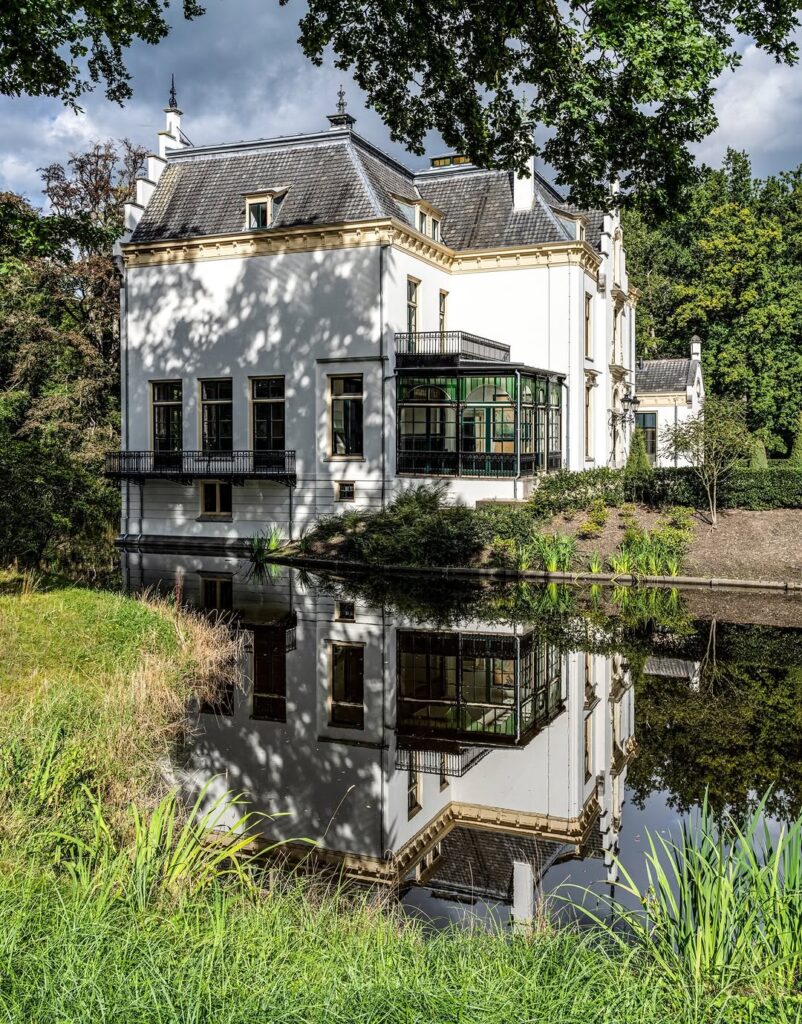
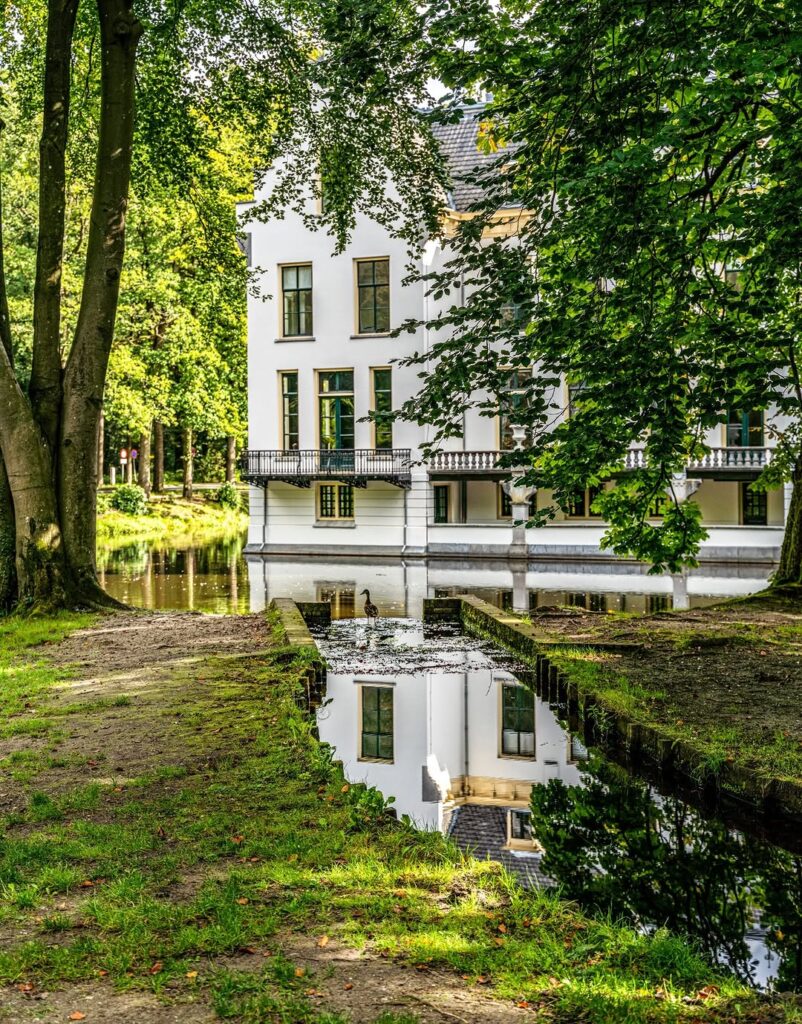
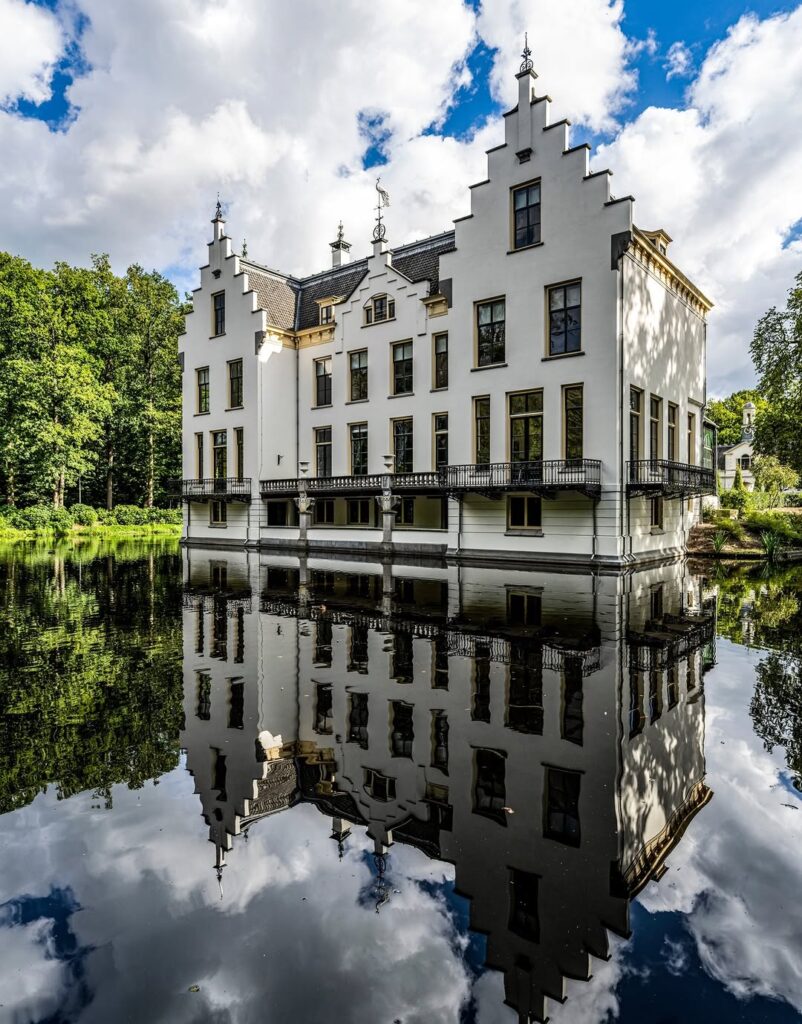
Before these properties became ruins, they were statements.
Celebrity mansions built during the golden age of Hollywood — roughly the 1920s through the 1960s — often blended several grand traditions:
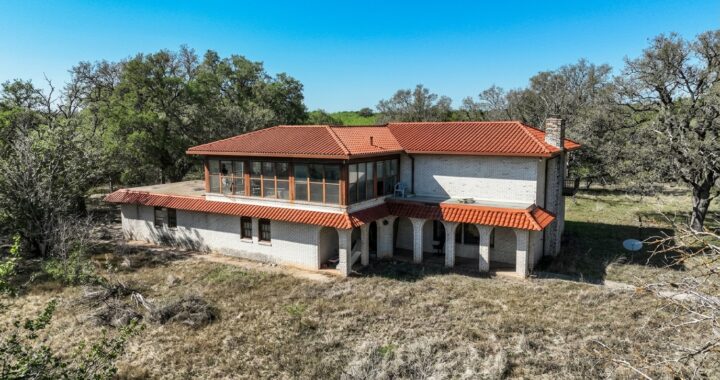
- Spanish Colonial Revival, with terracotta roofs and arched loggias
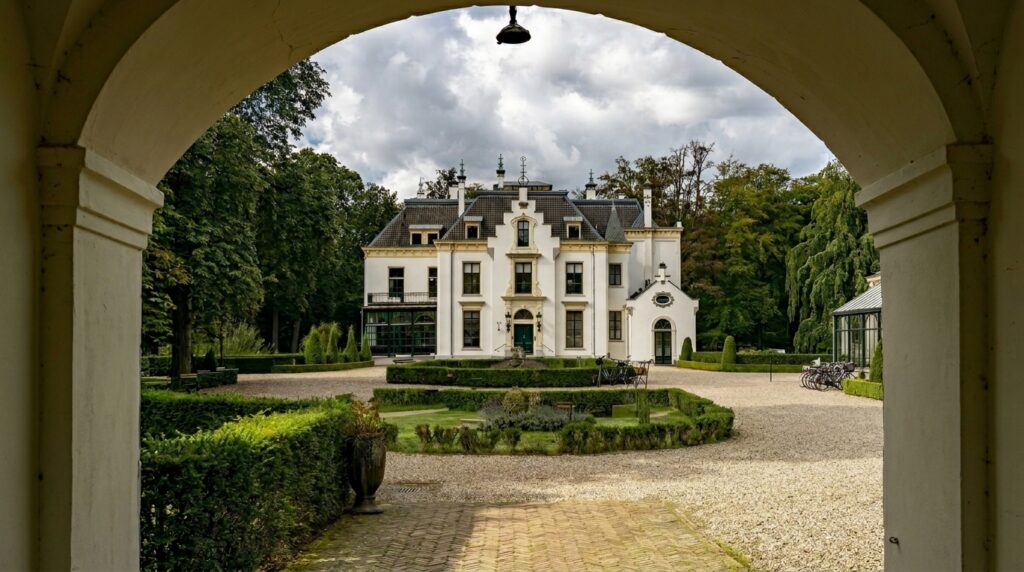
- French Château style, with steep mansard roofs and sculpted stone facades
- Modernist luxury, featuring open floor plans, glass walls, and cantilevered terraces
- Italian Renaissance revival, with frescoed ceilings and colonnaded gardens
The architects behind many of these homes were household names in their own right. Wallace Neff, Paul Williams, Gordon Kaufmann — they built not just homes but mythology.
Walking through one of these properties today, even in a state of severe decay, you can still feel the original ambition. The proportions are generous. The bones are extraordinary. Cracked plaster reveals original plasterwork beneath. Faded paint still carries ghost traces of original color.
That’s the thing about quality craftsmanship. It lingers even after the owner is long gone.
Famous Forgotten: Notable Abandoned Celebrity Estates
The Ghost of Chartwell Manor — A Hollywood Hills Legend
One of the most whispered-about abandoned celebrity homes in the Hollywood Hills sat empty for over a decade after its famous owner — a film producer from the studio era — died with no will and a mountain of debt.
The estate stretched across nearly three acres. A circular driveway, once packed with Rolls-Royces and studio cars, became overgrown with wild grass. The swimming pool, hand-tiled in Moorish blue, filled with rainwater and fallen eucalyptus leaves. Inside the main house, the grand salon still held original furniture under white dust sheets, a detail that neighbors and real estate agents who entered during the probate process described almost uniformly as “like time had stopped.”
Properties like this are not unusual in the hills above Los Angeles. They are simply the ones we don’t hear about because no one is paying a publicist to talk about them anymore.
European Châteaux Owned by Rock Stars and Royals of Pop
The 1970s and 1980s saw a remarkable wave of British and American rock musicians purchasing European estates — often grand châteaux in southern France, crumbling manor houses in Ireland, and vine-covered villas in Tuscany.
The dream was privacy and artistic freedom. The reality, often, was an expensive property that proved impossible to maintain.
Several of these properties sit today in various states of decay:
- Stone walls thick with ivy
- Grand staircases with rotting wooden banisters
- Ballrooms with warped parquet flooring
- Walled kitchen gardens returned to wilderness
- Recording studios built into medieval cellars, equipment still inside
Some were sold at steep losses. Others were abandoned outright when maintenance costs exceeded their value. A handful remain in legal limbo, caught between foreign inheritance laws and heirs who have never set foot in them.
The romantic appeal of owning an abandoned château or forgotten estate clearly outlasted the practical reality of maintaining one.
Mansions Frozen in Time: When Everything Gets Left Behind
Perhaps the most haunting subcategory of abandoned celebrity mansion is the one where the contents remain.
These are the properties where the owner left quickly — or died suddenly — and no one returned to claim anything.
Inside, you find:
- Vinyl record collections still alphabetized on custom-built shelves
- Personal libraries with handwritten marginalia in the margins
- Walk-in closets full of tailored suits and evening gowns, still in garment bags
- Kitchen pantries with branded tins and bottles, labels faded but legible
- Home cinemas with film reels still loaded in projection booths
This kind of abandonment feels different from an empty house. It feels like a life interrupted. As if the owner simply stepped out for a moment and never came back.
If you’ve ever been curious about what that stillness actually looks like in person, the team behind This Forgotten Mansion Still Has Everything Inside documented one such property in remarkable detail — and the images are genuinely difficult to forget.
The Psychology of Abandonment: Why Nobody Saves These Places
You might expect that a famous name attached to a property would make preservation easier. In practice, the opposite is often true.
Celebrity estates carry complications that ordinary historic properties don’t:
- Legal complexity — Estates caught in disputes between studios, estates, and heirs can sit for decades
- Maintenance costs — Grand homes require grand upkeep; historic designation sometimes restricts what owners can change
- Stigma — Properties associated with scandal, tragedy, or bankruptcy carry reputational weight that depresses buyer interest
- Location — Some celebrity retreats were deliberately built in remote areas, which makes commercial repurposing impractical
- Emotional cost — Heirs sometimes simply cannot face the process of clearing a parent’s or grandparent’s estate
The result is that some of the most architecturally significant private homes in the world sit empty, slowly deteriorating.
There’s a broader pattern here that connects to the wider world of expensive abandoned mansions that nobody wants to buy — fame and price tag alone don’t guarantee a property survives.
Atmosphere and Decay: What These Places Actually Feel Like
Photographs rarely capture it accurately.
The smell is the first thing. Damp timber. Old paint. Something faintly chemical from decades-old cleaning products in a pantry no one has opened. Beneath all of that, a deeper, older smell — stone and plaster and time.
Sound behaves differently in an abandoned mansion. Your footsteps echo in ways they shouldn’t. Rooms that were designed to be full of voices and music now amplify the smallest sound — a drip from a ceiling crack, the shift of a loose shutter in the wind.
Light falls differently too. Windows that haven’t been cleaned in years filter daylight into something amber and thick. Late afternoon sun comes through at angles that catch dust motes hanging motionless in the air.
It is, if you allow yourself to feel it, profoundly melancholy. Not frightening. Just very, very quiet.
Local Legends and the Stories That Stick
Abandoned celebrity homes attract mythology the way abandoned buildings attract ivy. Stories grow over the structure.
Some are plausible. Others are almost certainly invented. But they persist because they do something useful — they give the community a way to process the strangeness of a famous place going silent.
Common legends attached to celebrity estates include:
- The idea that the owner plans to return (sometimes for decades after death)
- Stories of staff who continued working after the owner left, for years, out of loyalty
- Claims of hidden rooms, secret passages, or buried valuables
- Sightings of the owner’s ghost in upper windows
- Theories about why the estate was really abandoned — usually more dramatic than the truth
These stories are part of the property’s history now, whether they’re true or not. They represent something real: the unwillingness of communities to simply accept that glamour can end so quietly.
Current Conditions: Where Do These Properties Stand Now?
The fate of abandoned celebrity mansions broadly falls into four categories:
1. Demolition Many were torn down for new development, particularly in Los Angeles and New York where land values made the structures themselves irrelevant. The mansion comes down; luxury condominiums go up.
2. Restoration A smaller number have been rescued by preservation-minded buyers, heritage organizations, or local governments. These are the lucky ones. Restored to something close to their original state, they occasionally open to the public.
3. Continued Abandonment The largest category. Properties still caught in legal limbo, estates still unpaid, heirs still disagreeing. Some of these have been sitting empty for thirty or forty years.
4. Partial Use Some celebrity estates were large enough that portions were sold off, developed, or converted, while other sections remained derelict. The main house sits empty while the guest cottage becomes a rental. The formal gardens become a public park while the carriage house rots.
For a closer look at what the most architecturally significant forgotten estates look like when decay really sets in, the exploration documented in Inside a $10 Million Abandoned Mansion Nobody Claimed offers one of the more detailed accounts available.
Cultural and Historical Significance
These properties matter beyond the celebrity names attached to them.
Many of them represent the peak of American and European domestic architecture. They were built by master craftsmen, designed by significant architects, and furnished with objects that now belong in museums. When they decay without documentation, something irreplaceable is lost.
There’s also a social history embedded in these walls. The lives of the staff who worked these estates. The parties that shaped culture. The private moments of public figures who, in these rooms, were simply people living in a house.
Historic England and similar preservation bodies in other countries increasingly recognize that celebrity heritage properties deserve the same protection as aristocratic ones. The argument is straightforward: cultural significance doesn’t require a royal title.
Architecturally, these properties also document the evolution of luxury taste across a century. From Spanish Colonial Revival estates in 1920s Pasadena to Brutalist beach compounds of the 1970s, the homes of celebrities form an accidental timeline of how wealthy Americans and Europeans chose to live — and what they eventually chose to leave behind.
If your interest in forgotten estates extends to more traditional historic properties, the story of Ashridge House — the estate where a princess was arrested shows just how deep the connection between architecture, power, and abandonment can run.
A Note on Responsible Exploration
These properties exist in legal and ethical grey areas.
Most abandoned celebrity mansions are privately owned, even when they appear completely derelict. Entering without permission is trespassing, regardless of how empty the building looks or how long it has been sitting idle.
The most responsible way to engage with these places is through:
- Documented photography from public roads and viewpoints
- Historical research through local archives and planning records
- Supporting preservation organizations working on at-risk historic properties
- Reading and sharing accounts from responsible documentarians
The goal of exploration should always be to bear witness — not to disturb, take, or damage.
Conclusion
Abandoned celebrity mansions are not simply real estate curiosities. They are documents of a particular kind of human ambition — the desire to build something permanent in a world that refuses to stay still.
Walk through one of these properties, even in photographs, and you feel the gap between what was imagined and what remains. The grand staircase was built to impress. The ballroom was built for laughter. The garden was built to be seen from above.
Now the staircase creaks under its own weight. The ballroom holds silence. The garden has decided, on its own terms, what it wants to be.
There is something almost clarifying about that. Fame fades. Buildings decay. But the stories that gather around forgotten places have a strange kind of staying power — longer, sometimes, than the fame that built them.
And that, maybe, is exactly why we keep looking.
Frequently Asked Questions
What are abandoned celebrity mansions? Abandoned celebrity mansions are former homes of famous individuals — actors, musicians, film producers, athletes, or wealthy public figures — that have been left empty and allowed to fall into disrepair. They become abandoned for various reasons, including unpaid debts, legal disputes, tax issues, the owner’s death with no heir, or simple neglect.
Why don’t celebrities’ families maintain or sell these estates? The most common reasons are legal complexity, tax debt attached to the property, disputes between multiple heirs, and prohibitive maintenance costs. Some estates are so heavily mortgaged or legally encumbered that no buyer will touch them, and the family cannot afford to maintain them while the legal process plays out — sometimes for decades.
Can you visit abandoned celebrity mansions? In most cases, no. These properties are privately owned, and entering without permission constitutes trespassing even if the building appears completely abandoned. Some historically significant celebrity estates have been converted into museums or heritage sites and are open to the public through official channels.
Are abandoned celebrity mansions architecturally significant? Many are. A substantial number were designed by notable architects and built using high-quality materials and craftsmanship. Their decay represents a genuine loss of architectural heritage. Preservation organizations in several countries are increasingly advocating for the protection of celebrity-owned historic properties alongside aristocratic and institutional ones.
What happens to the contents of an abandoned celebrity mansion? Outcomes vary widely. Contents may be sold at auction when a property is repossessed. They may be claimed by heirs. In some cases, they are simply left in place for years — or even decades — while legal proceedings continue. The latter cases, in which personal belongings remain exactly where their owner left them, are among the most documented by researchers and photographers.
What is the difference between an abandoned mansion and a forgotten estate? The terms overlap. “Abandoned mansion” typically describes a property that has been actively left behind — where the owner or heirs walked away. “Forgotten estate” often implies a longer-term neglect, where the property has passed out of public consciousness entirely and may no longer be associated in living memory with its original owner. Both categories share the same qualities of decay, legal complexity, and architectural poignancy.