There is a pair of iron gates at the end of a gravel lane that nobody has touched in over forty years. The abandoned château gates are rusted solid. The chain that holds them together has fused with age. And yet, from the road, you can still see the house — tall, grey, and perfectly still — waiting behind a curtain of overgrown oak and ivy.
This is not a ruin in the dramatic sense. There are no collapsed towers. No burned-out wings. Just a forgotten estate that one day, quietly, stopped receiving visitors. And never started again.
A Property Frozen Before Most of Us Were Born
The story of this abandoned château begins, as so many do, not with catastrophe — but with loss.
The estate was built in the late 19th century, somewhere in the rural interior of France, in the architectural tradition that defined the Belle Époque era of grand country houses. Tall mansard rooflines. Stone-carved window surrounds. A central entrance flanked by two symmetrical pavilions. The kind of home that took a decade to build and an entire household of staff to maintain.
For most of the 20th century, the family who owned it used it seasonally. Summers here. Winters in the city. The house was never a full-time residence, but it was very much alive — visited, cared for, aired out every spring.
That changed sometime around 1983.
The last family member to hold the keys passed away without direct heirs. What followed was a decades-long legal dispute over the estate — inheritance complications that tangled across multiple branches of the family tree and eventually across national borders. No one could agree on ownership. And so, rather than risk interfering with an unresolved estate, everyone simply… left it.
The gates were locked. The shutters were pulled. And the house began its long sleep.
What the Architecture Still Says
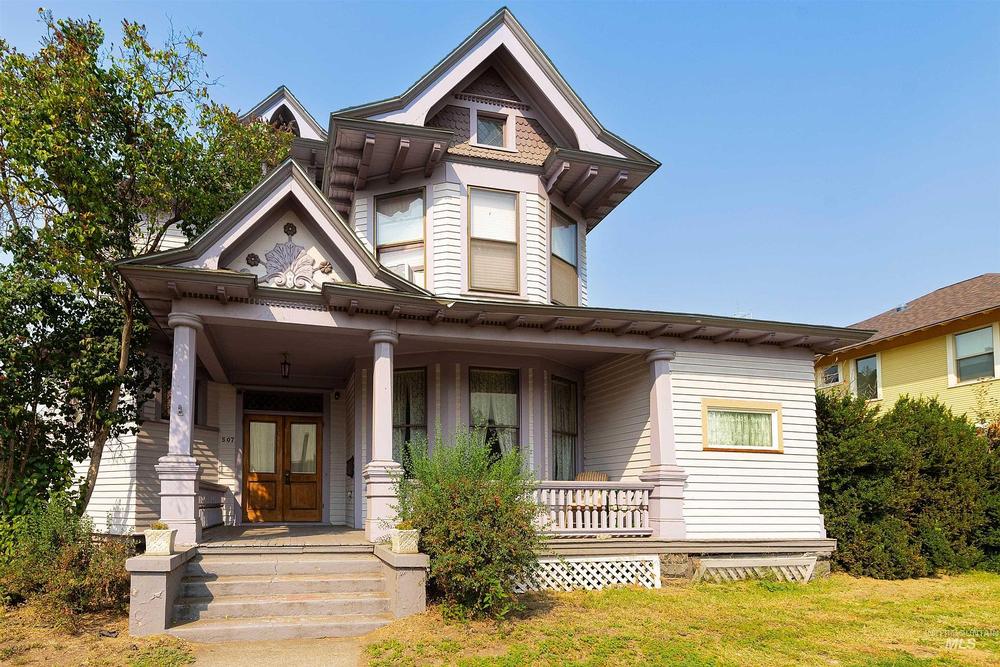
Even from outside the gates, the design speaks clearly.
The château follows a classic French country manor blueprint, with several distinctive features still visible despite decades of neglect:
- The roofline retains its original slate tiles, most of which are intact — a testament to the quality of 19th-century craftsmanship.
- The stone facade has darkened with moss and moisture but hasn’t crumbled significantly. The walls are solid.
- The iron gates themselves are ornate — forged with scrollwork detail and topped with gilded finials that have long since lost their shine.
- The garden terracing is still visible through the undergrowth, its geometric stonework poking through decades of weeds and ivy.
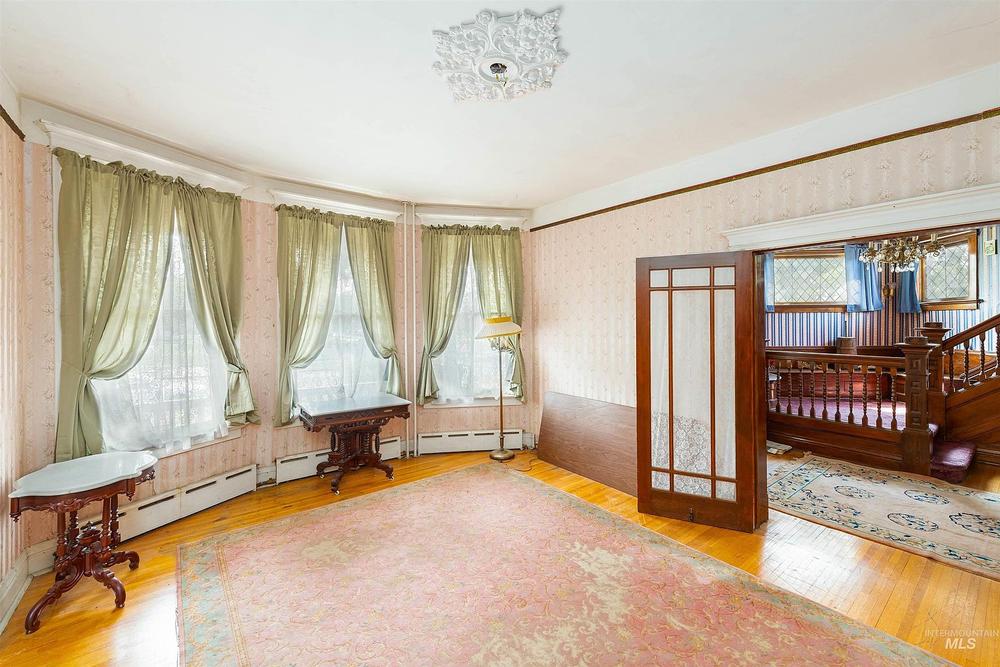
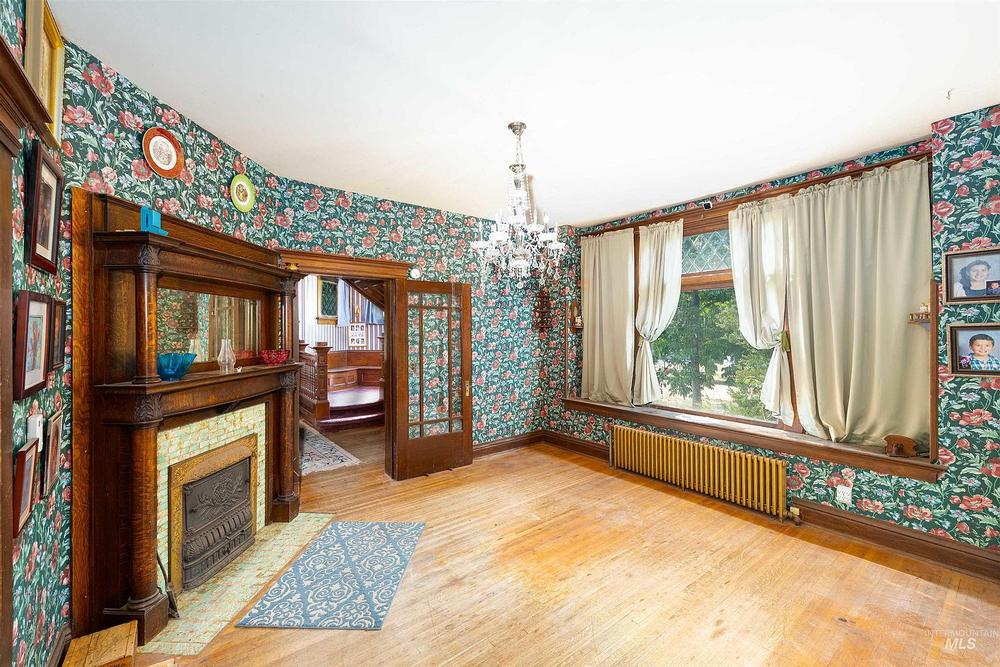
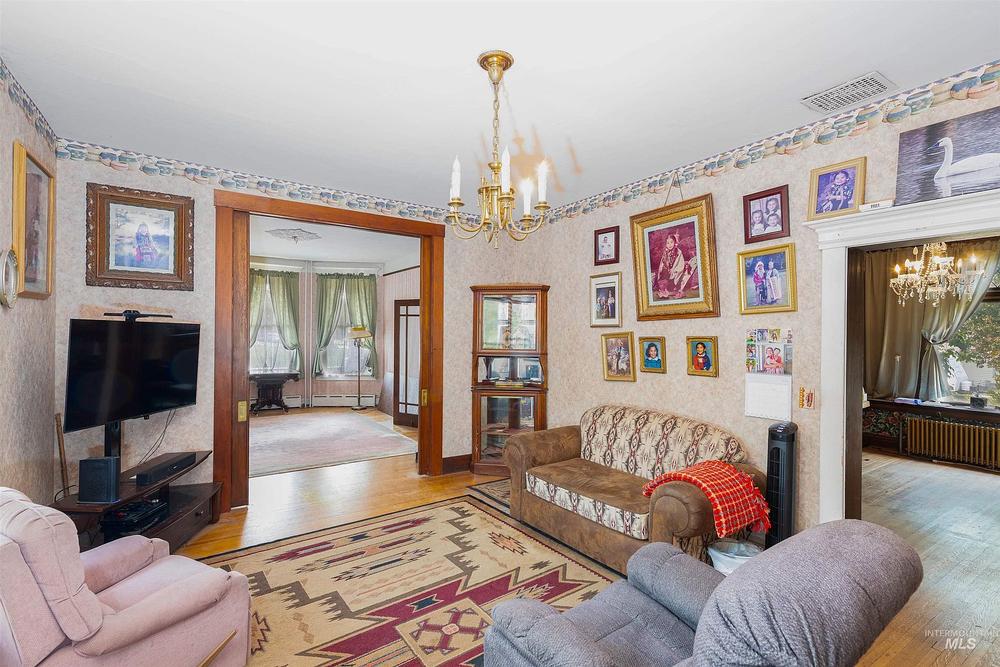
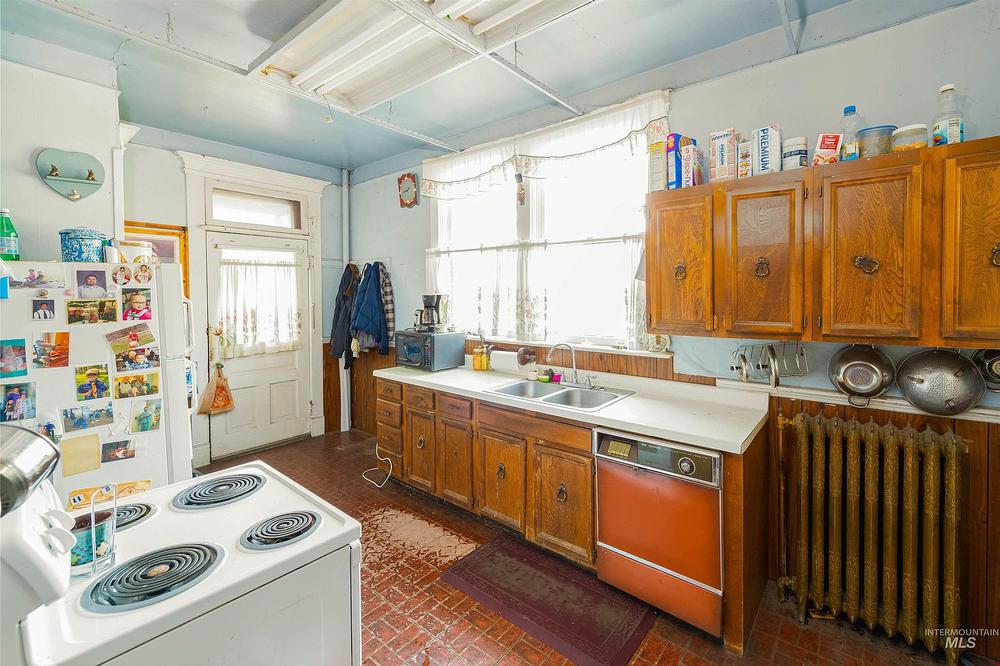
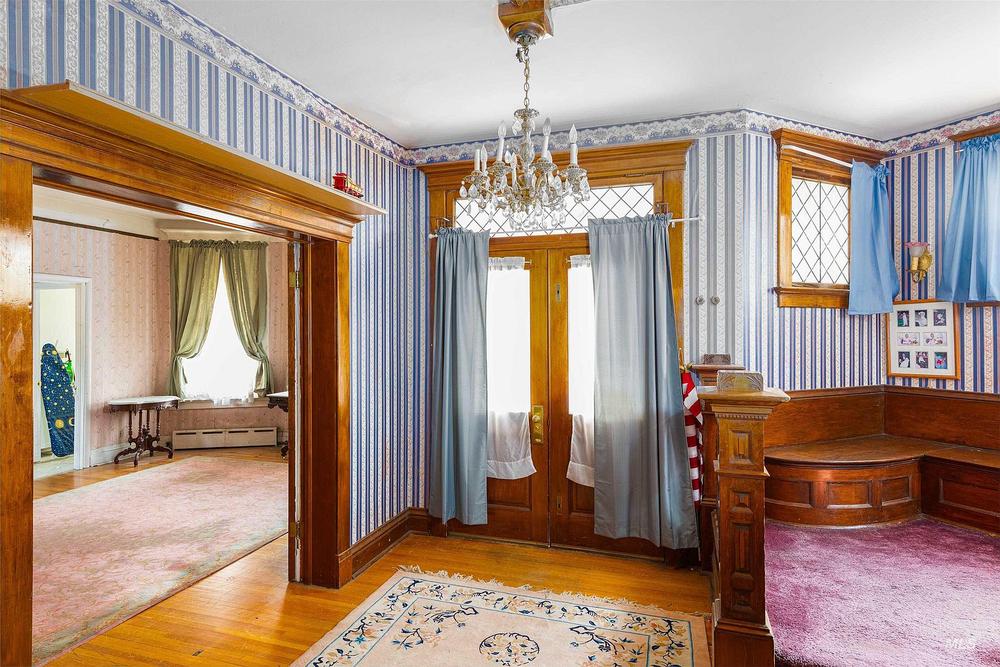
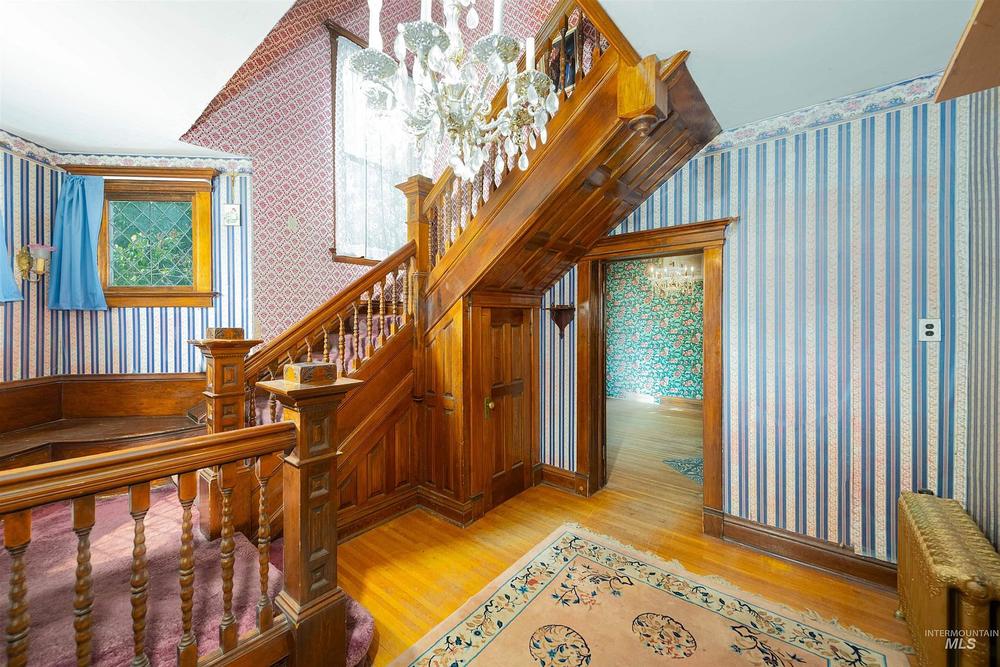
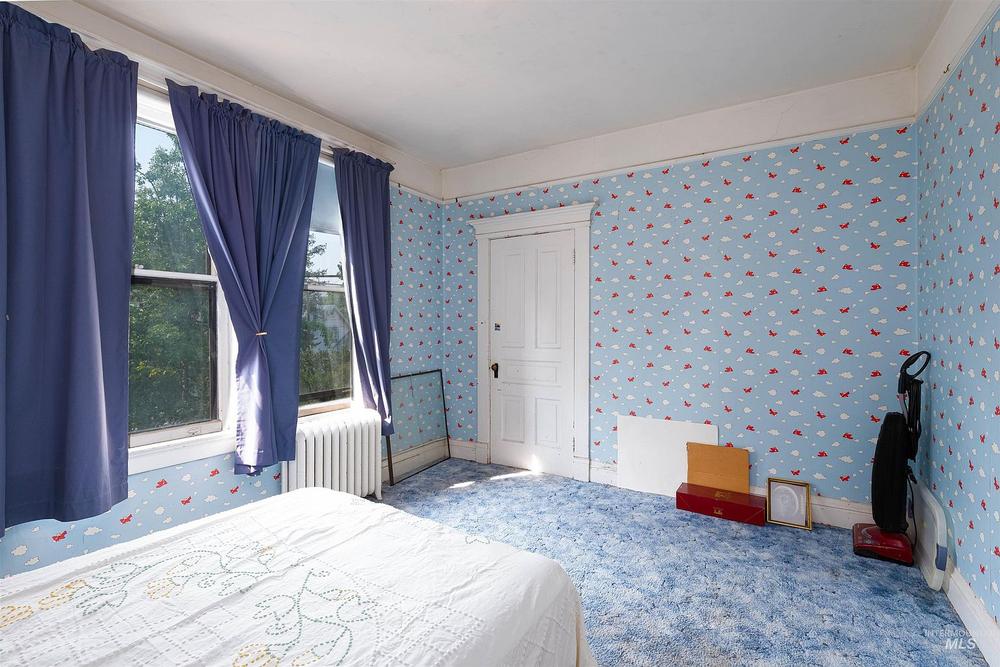
Inside, according to those who have glimpsed through ground-floor windows during property assessments, the original furnishings remain in place. Heavy drapes, still hanging. A chandelier in the entrance hall, slightly tilted but intact. Books on shelves. A clock on a mantelpiece.
It is the kind of interior that historians call a “time capsule” — a space so completely undisturbed that it offers a rare window into how wealthy French families lived in the mid-20th century.
If you’re drawn to the idea of homes that still hold everything inside, the story of this forgotten mansion with 7 haunting secrets still intact follows a similar pattern — everyday objects frozen exactly where someone left them.
The 1980s: When Everything Stopped
A Single Decade That Changed Everything
The 1980s were a turning point for many old European estates. Maintenance costs soared. Inheritance taxes became more complex. And a generation that had grown up treating these properties as essential retreats began to age out of them.
For this abandoned château, the 1980s brought the final chapter of active life.
Here is a rough timeline of what we know:
- Late 1970s — The estate sees reduced use as the primary family member ages.
- 1981–1982 — Visits become less frequent. Local accounts suggest staff were let go around this time.
- 1983 — The property is locked following the owner’s death. Legal proceedings begin.
- 1980s–1990s — The estate remains in legal limbo. No maintenance. No access.
- 2000s onward — The property becomes known locally as the “house behind the locked gates.” Younger generations grow up having never seen it open.
- Present day — The gates remain shut. Ownership is still disputed or unresolved.
What makes this story unusual is not the abandonment itself — many châteaux across France and Europe have been left behind. What’s remarkable is the completeness of the preservation. Because no one entered, nothing was taken. Because nothing was taken, almost everything survives.
What Lies Beyond the Gates
Reading the Details From the Outside
Those who have approached the gates — journalists, local historians, property researchers — report the same thing. The grounds feel suspended.
The gravel driveway is barely visible beneath decades of leaf fall. A stone fountain at the centre of the front courtyard still stands, but it’s bone dry and ringed with moss. The ornamental hedges that once framed the entrance have grown into shapeless masses, six and seven feet tall.
The windows on the ground floor are shuttered from the inside — a detail that suggests the family prepared the house for a temporary absence, not a permanent one. Someone pulled those shutters expecting to return.
They never did.
One local resident who grew up nearby described walking past as a child and hearing nothing. “Not even birds,” she said. “It was like the whole place was holding its breath.”
Atmosphere: Decay Without Drama
There’s a particular kind of decay that doesn’t announce itself loudly. This abandoned château belongs to that category.
The stone doesn’t crumble. The roof doesn’t cave. Instead, the property fades — slowly, quietly — under the weight of time and vegetation. Ivy has consumed the eastern wing entirely. The wrought iron gate posts lean slightly inward, pulled by the roots of trees that have grown up around them.
Walk along the boundary wall in autumn, and the smell hits you first. Damp earth. Fallen leaves. A faint sweetness that might be rotting wood or old stone releasing its stored moisture.
This is not a dramatic ruin. It is something quieter and, in some ways, harder to look at. A house that was clearly loved, then legally orphaned, then forgotten by everyone except the people who live nearby and remember when it wasn’t.
Local Memory and the Legends That Grew
In the village closest to the estate, the abandoned château is a fixture of local folklore. Not ghost stories, exactly — but the kind of accumulated mythology that settles around any place that stays off-limits long enough.
Some say a caretaker lived on-site into the early 1990s, making small repairs and keeping the worst of the weather out, before eventually giving up and leaving. Others claim the family’s original furniture was catalogued by an auction house in the late 1980s but that a legal injunction prevented any sale from taking place.
What is consistent across all the accounts is this: nobody inside has touched those gates in over forty years. Whatever is on the other side remains exactly as it was left.
The Broader Pattern: Abandoned Châteaux Across Europe
This property is not unique in its fate. Across France, Belgium, and the wider European countryside, hundreds of historic estates sit in similar conditions — legally frozen, physically intact, and slowly returning to nature.
The reasons vary:
- Inheritance disputes that span generations and multiple legal systems
- Prohibitive restoration costs that make the property a liability rather than an asset
- No willing heirs — families that scattered, emigrated, or simply have no interest in maintaining a 19th-century manor
- Heritage protection restrictions that prevent demolition but don’t fund upkeep
The result is a strange class of property — too valuable to demolish, too expensive to restore, and too entangled to sell. These homes sit in legal suspension while the stone slowly darkens and the garden reclaims the courtyard.
The same pattern plays out in Britain, too. The story of Appuldurcombe House on the Isle of Wight shows how quickly a grand estate can slide from grandeur into ruin once the legal and financial structures that support it collapse.
And for those curious about how wealthy families across history built these properties and then watched them slip away, the Blickling Estate offers a comparable story of legacy, inheritance, and the long shadow of the past.
Cultural and Historical Significance
A sealed house like this one is, paradoxically, one of the most valuable things to historians of material culture.
Most historic properties are altered over time. Furniture is sold. Wallpapers are replaced. Kitchens are modernized. The physical record of how people lived gets erased incrementally, renovation by renovation.
A time capsule property — one where the gates haven’t opened since the 1980s — preserves that record intact. The fabrics, the furnishings, the domestic arrangements of a mid-20th-century French household all survive, undisturbed, behind those rusted iron gates.
For historians, that is genuinely significant. The National Trust for Historic Preservation has written extensively on the cultural value of undisturbed historic interiors — not as tourist attractions but as primary documents of how people actually lived.
Current Condition and What Happens Next
As of the most recent observations, the exterior of the château remains structurally sound. The main concern, according to local heritage observers, is the roof — specifically the lead flashing around the chimneys and dormers, which shows signs of failure in several places.
Water ingress is the silent destroyer of any historic building. If the flashing fails and rain gets into the roof structure, the interior — including those preserved furnishings — will begin to deteriorate rapidly.
The legal situation, according to regional property records, remains unresolved. There are whispered reports that a distant heir may have finally engaged a solicitor, but nothing confirmed.
For now, the gates stay shut. The house waits.
Why These Places Matter
It is easy to look at a locked gate and see only neglect. But there is another way to read it.
Every abandoned château that survives — sealed, overgrown, legally frozen — carries something that restored properties cannot: authenticity. The untouched quality. The actual texture of another era.
These are not stage sets. They are real places where real people lived, and then didn’t, and where time kept moving regardless.
If you’re interested in how estates like this end up in the hands of no one — or everyone — the story of the most expensive abandoned mansion nobody wants to buy explores the complicated economics of inheritance and preservation in real depth. And for a look at how celebrity wealth creates its own category of forgotten estate, abandoned celebrity mansions shows that status is no protection against eventual silence.
Conclusion
The abandoned château gates haven’t opened since the 1980s, and nothing about that looks likely to change soon.
Behind them, a house waits. Its furnishings collect dust. Its shutters hold against the weather. Its clock — if it still sits on the mantelpiece where someone last saw it — keeps no time at all.
That is the thing about these places. They don’t need visitors to exist. They simply persist, quietly, holding whatever was left inside them with a kind of accidental faithfulness.
Somewhere in rural France, behind a pair of rusted iron gates that nobody has touched in over four decades, a 19th-century château is still, technically, waiting for someone to come home.
Frequently Asked Questions
Why haven’t the abandoned château gates been opened since the 1980s?
The most common reason historic estates remain sealed for decades is unresolved inheritance. When an owner dies without clear heirs — or when multiple parties claim the estate — the property can become legally frozen. No one can sell it, restore it, or even access it without risking a legal challenge. This is a widespread issue across France and much of rural Europe.
Is it legal to visit or photograph an abandoned château?
Photographing a property from public land — such as a road or footpath — is generally legal in most countries. Entering the grounds without permission is not. This article is intended for historical and educational purposes only. We never encourage trespassing on private property.
What happens to furniture and objects inside an abandoned estate?
In legally frozen properties, furnishings remain exactly where they were left. Without entry, nothing can be removed, sold, or auctioned. This is what creates the time capsule effect — interiors preserved in extraordinary detail simply because no one has been inside to disturb them.
How many abandoned châteaux are there in France?
Estimates vary, but some heritage organizations suggest there are several hundred historic châteaux in France that are either abandoned, in legal dispute, or severely neglected. The cost of restoration — often running into millions of euros — makes many of them effectively unsellable.
Can abandoned châteaux be purchased?
Sometimes. When legal disputes are eventually resolved, properties can come to market — often at prices that seem low until restoration costs are factored in. Some are sold to developers; others to preservation organizations; a few to individuals willing to take on the challenge.
What is the biggest threat to sealed abandoned estates?
Water. A building that is maintained is a building where roof leaks are caught early and repaired. A building that is sealed and forgotten has no one watching for the first signs of water ingress. Once rain gets into the roof structure and begins to attack the floors, ceilings, and walls, decay accelerates rapidly. Many abandoned châteaux that look intact from the outside are far more damaged inside than they appear.