Some houses don’t just get old. They unravel.
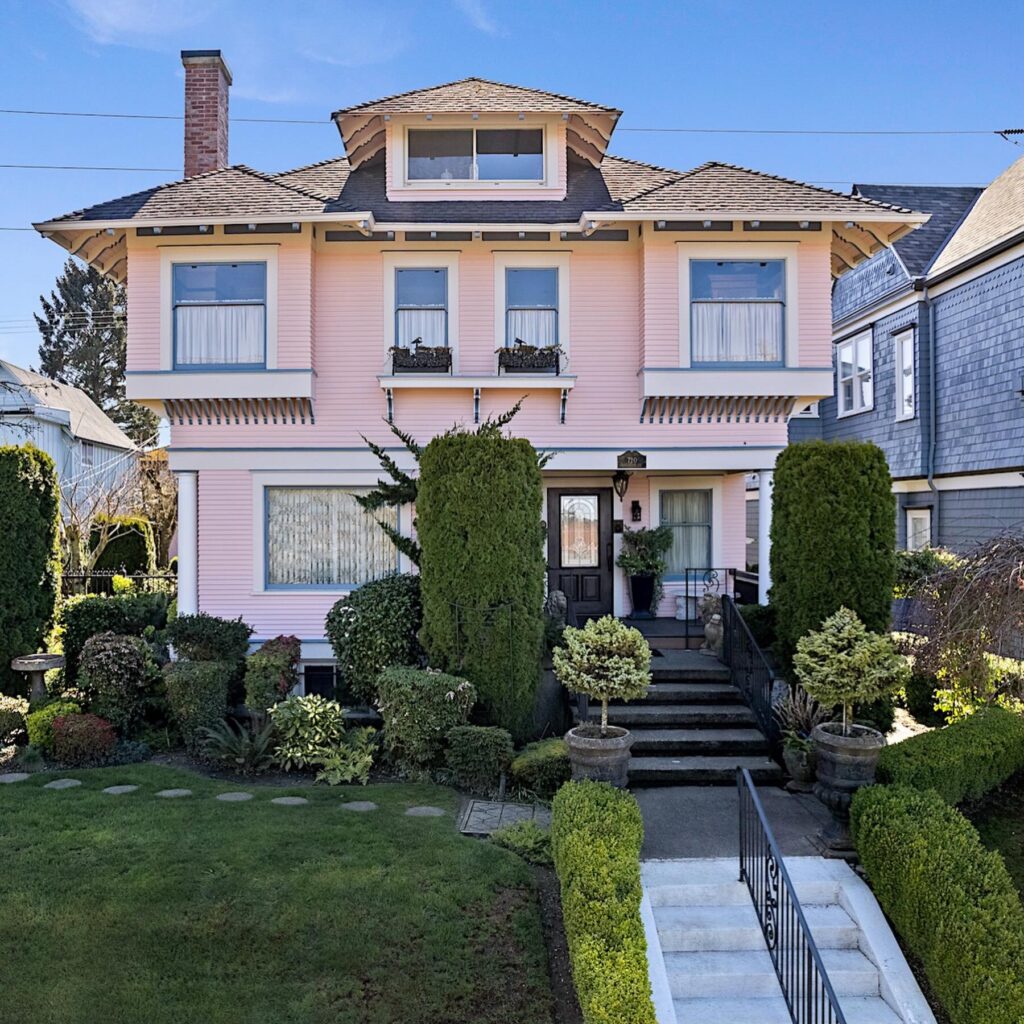
This abandoned home in Tacoma, WA is one of them. From the outside, it could pass for neglected. Step closer, and the story changes completely. Blistered paint peels away in long curling strips. Windows fog with condensation that never clears. And somewhere inside, the walls are doing things walls should never do.
This is what urban explorers call a “problem house.” And this one has several problems at once.
A Neighborhood That Quietly Changed
Tacoma has always been a city of contrasts. Known historically as a blue-collar port town and later recognized for its remarkable architectural heritage, the city carries a layered identity. Older residential neighborhoods like the ones south of Downtown and around the Hilltop district developed rapidly in the early 1900s, filled with craftsman bungalows, Victorian-era homes, and working-class foursquares.
Many of those homes still stand. Some have been lovingly restored. Others, like this one, slipped through the cracks.
The house sits in a residential pocket that saw significant population turnover between the 1970s and 1990s. Renters came and went. Landlords deferred maintenance. At some point, the cycle broke entirely.
No one is sure exactly when the last tenant left. Neighbors say the property has been vacant for at least a decade, possibly longer. Mail stopped. Lights went dark. The lawn turned to weeds, then to brush.
What BW, EM, PSG Actually Mean — and Why They Matter
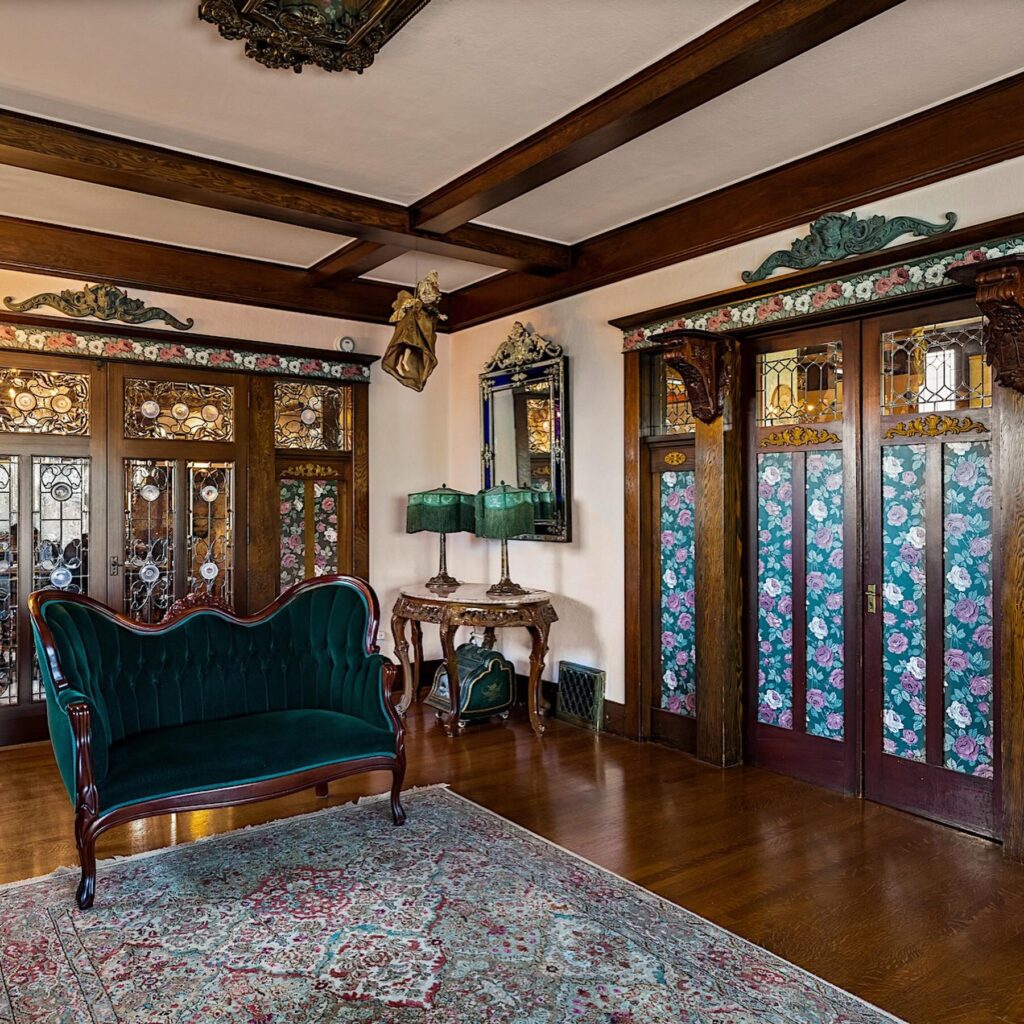
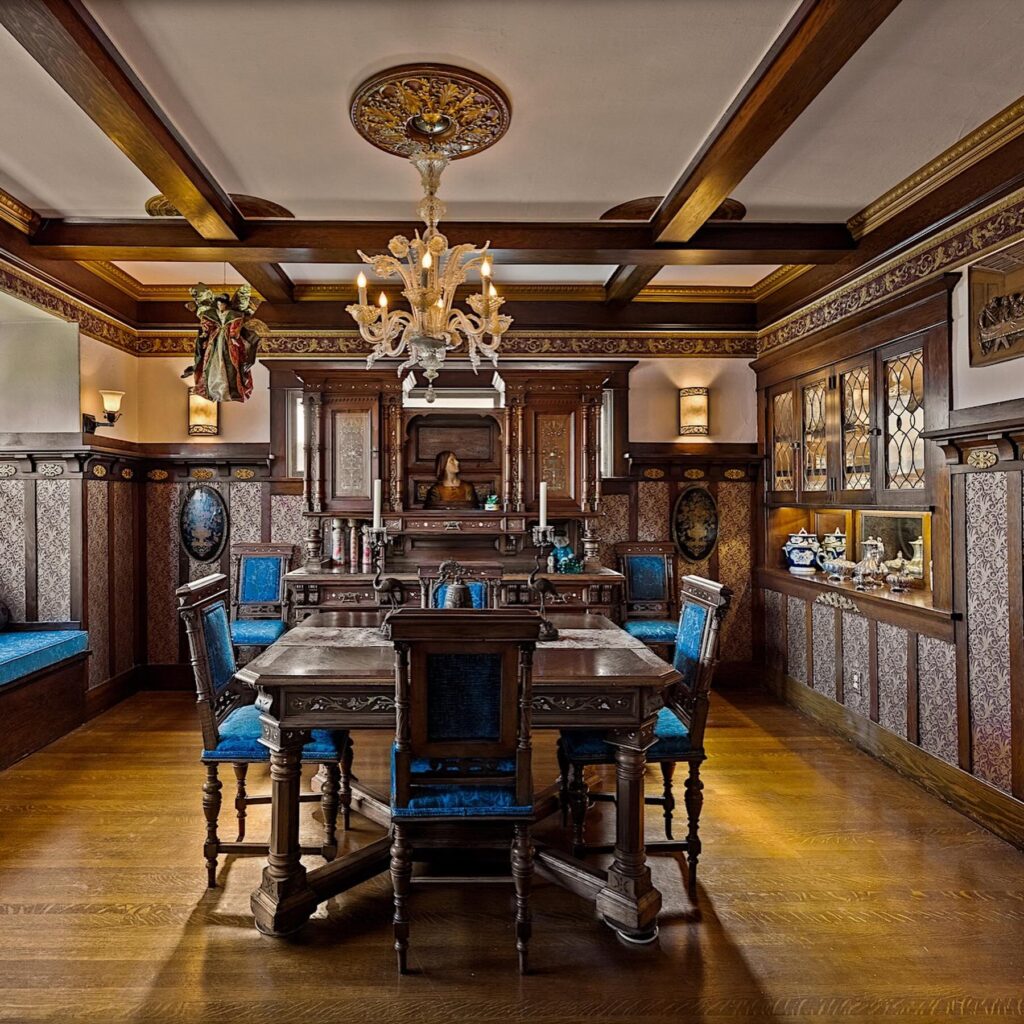
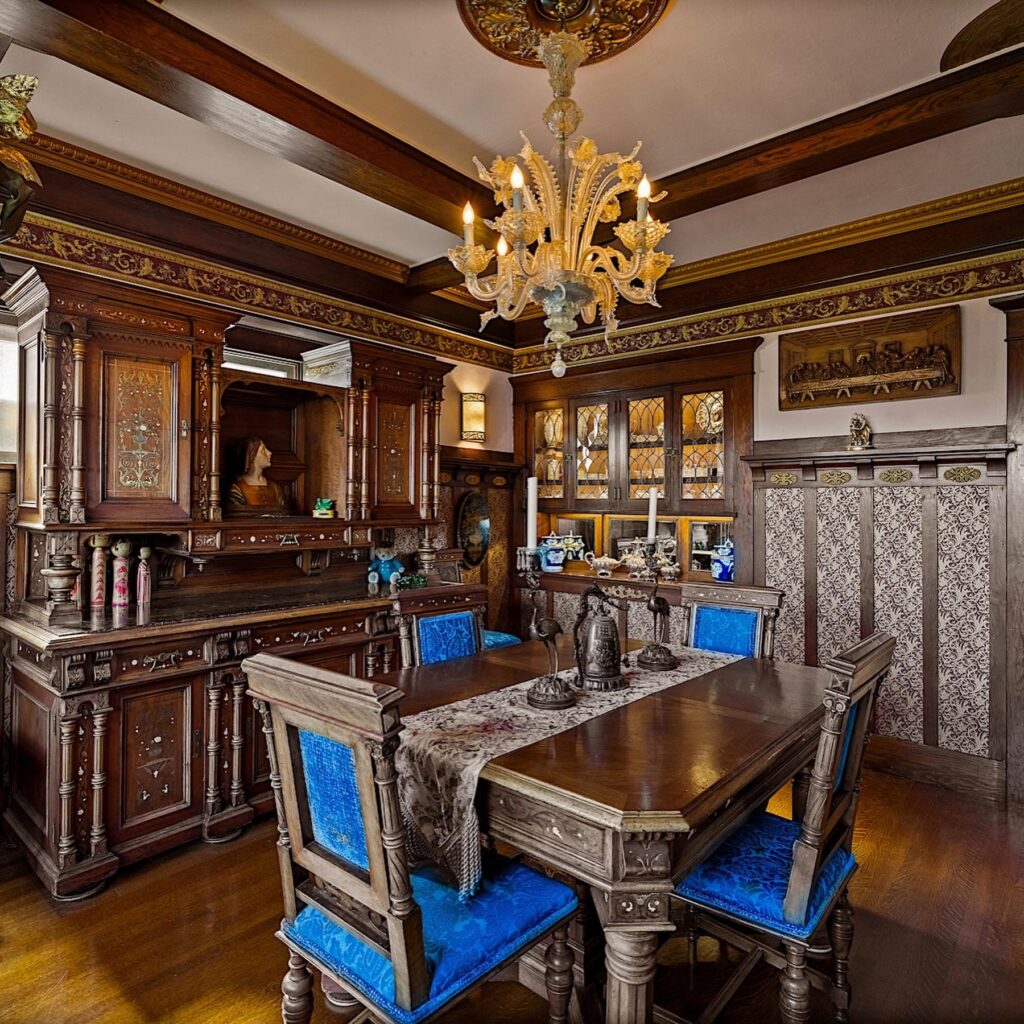
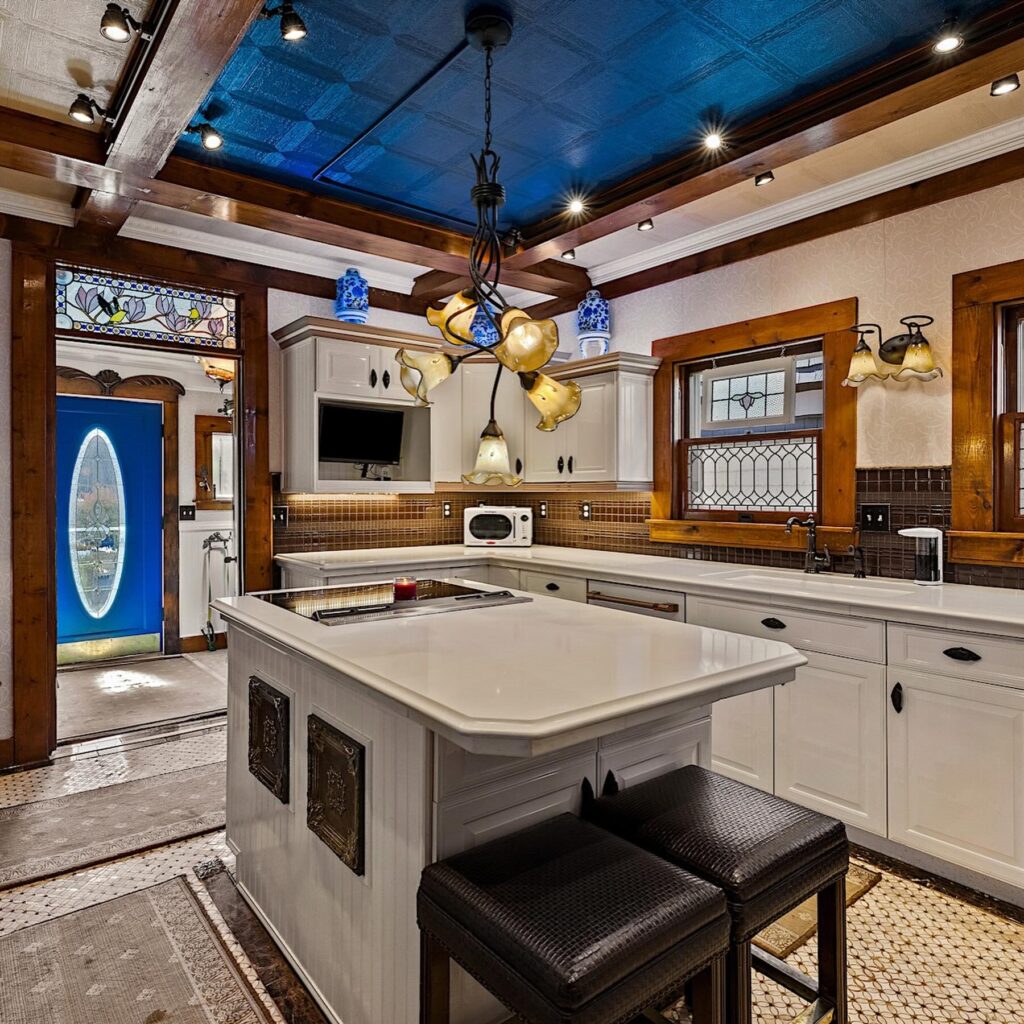
If you’ve spent any time in preservation or property inspection circles, you may recognize the abbreviations.
- BW — Blistering and Bubbling Walls: Paint lifts away from the surface in raised bubbles or long peeling strips, almost always caused by trapped moisture between the substrate and finish coat.
- EM — Efflorescence and Moisture Intrusion: A chalky white residue that forms when water moves through masonry or plaster, leaving mineral deposits behind. A sure sign of chronic dampness.
- PSG — Paint Separation and Granulation: The paint film breaks down at a molecular level, losing adhesion and forming a rough, sandy texture before falling away entirely.
Together, these conditions create a cascading failure. One feeds the other. Moisture drives blistering. Blistering exposes raw material. Exposure invites more moisture. The cycle continues until the structure itself begins to soften.
This house has all three — visibly, aggressively, and in nearly every room.
First Impressions: The Outside
The exterior is the first warning.
What was once a white or cream-painted wood facade has developed a geography of its own. Blisters the size of fists dot the siding near the foundation. Higher up, long vertical cracks suggest the wood has absorbed and expelled moisture through enough seasonal cycles to finally give up holding its shape.
The porch roof sags slightly at the center — a telltale sign of water sitting somewhere it shouldn’t. The gutters, where they haven’t fallen entirely, are thick with organic matter. Moss grows in a vivid green line along the north-facing edges.
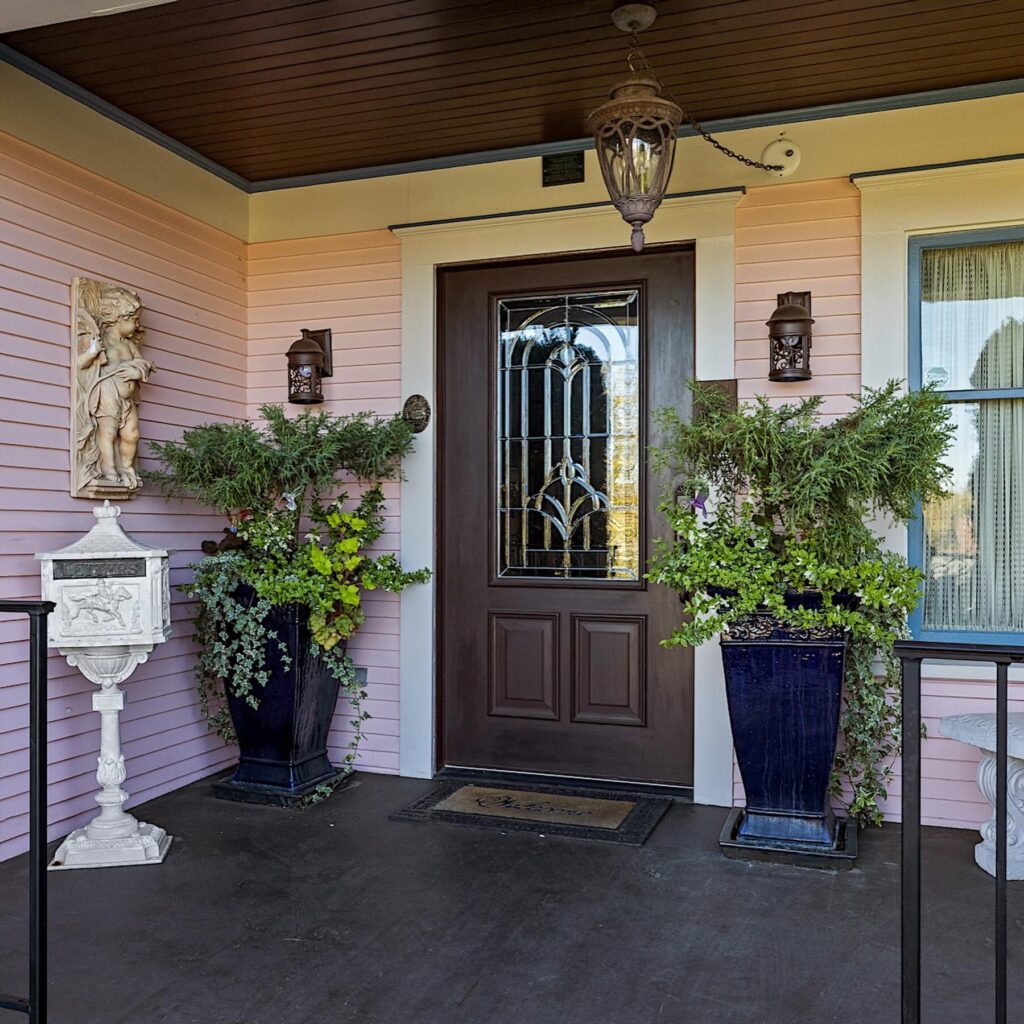
A cracked concrete path leads to the front door. The door itself is closed but no longer plumb in its frame. Time has shifted the foundation just enough to make the whole building lean, almost imperceptibly, to one side.
Stepping Inside: Room by Room
Note: This documentation was conducted with proper permissions and for historical and preservation purposes only. We do not endorse trespassing or entering private property without authorization.
The Entry Hall
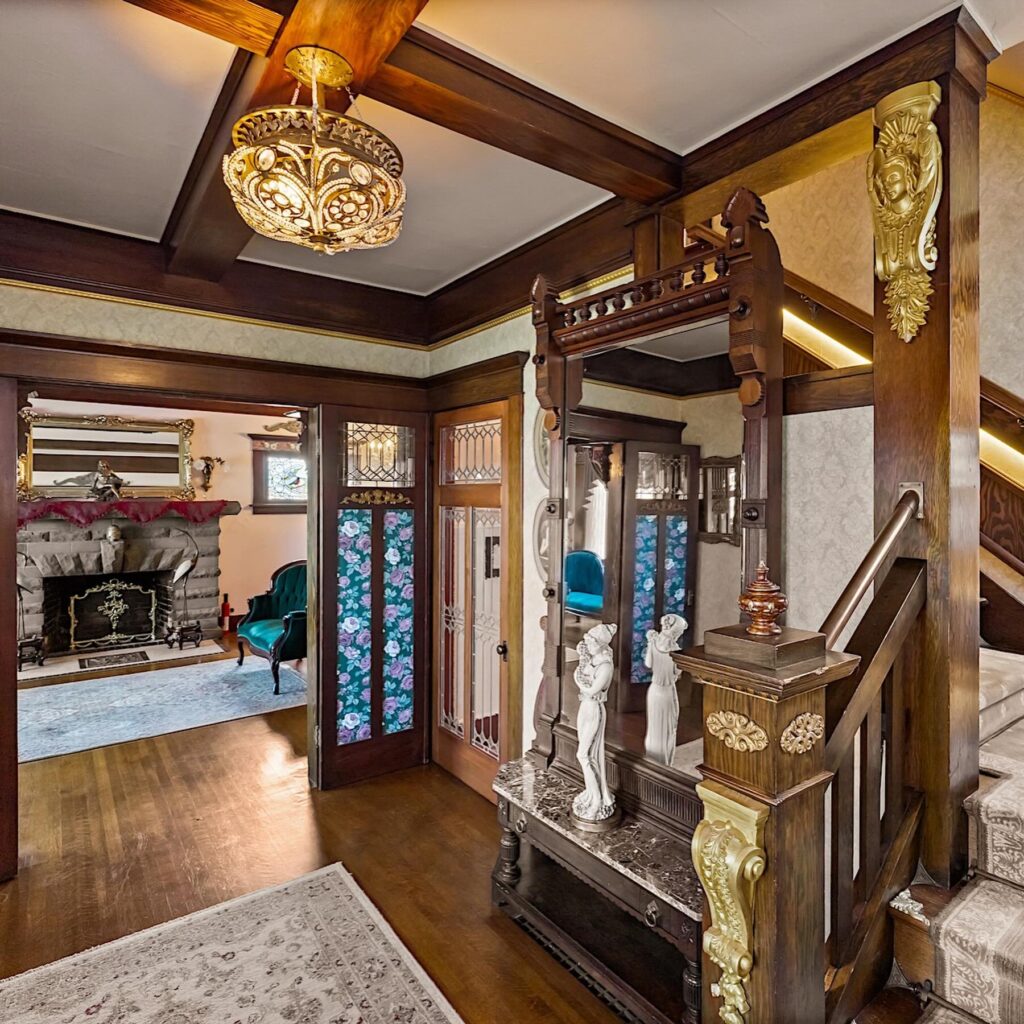
The hallway smells like all old houses do — but heavier. Wet wood, old plaster dust, something faintly metallic. The original hardwood floors are still present, though buckled in one corner where moisture has lifted the boards.
Wallpaper clings to the left wall in long overlapping sheets, the seams having separated years ago. The pattern beneath — small repeating flowers, possibly roses — is still faintly visible through the water staining.
This is the efflorescence zone. A chalky white bloom spreads from the baseboard upward, about eighteen inches, in a perfect band that tells you exactly how high the standing water once reached.
The Living Room
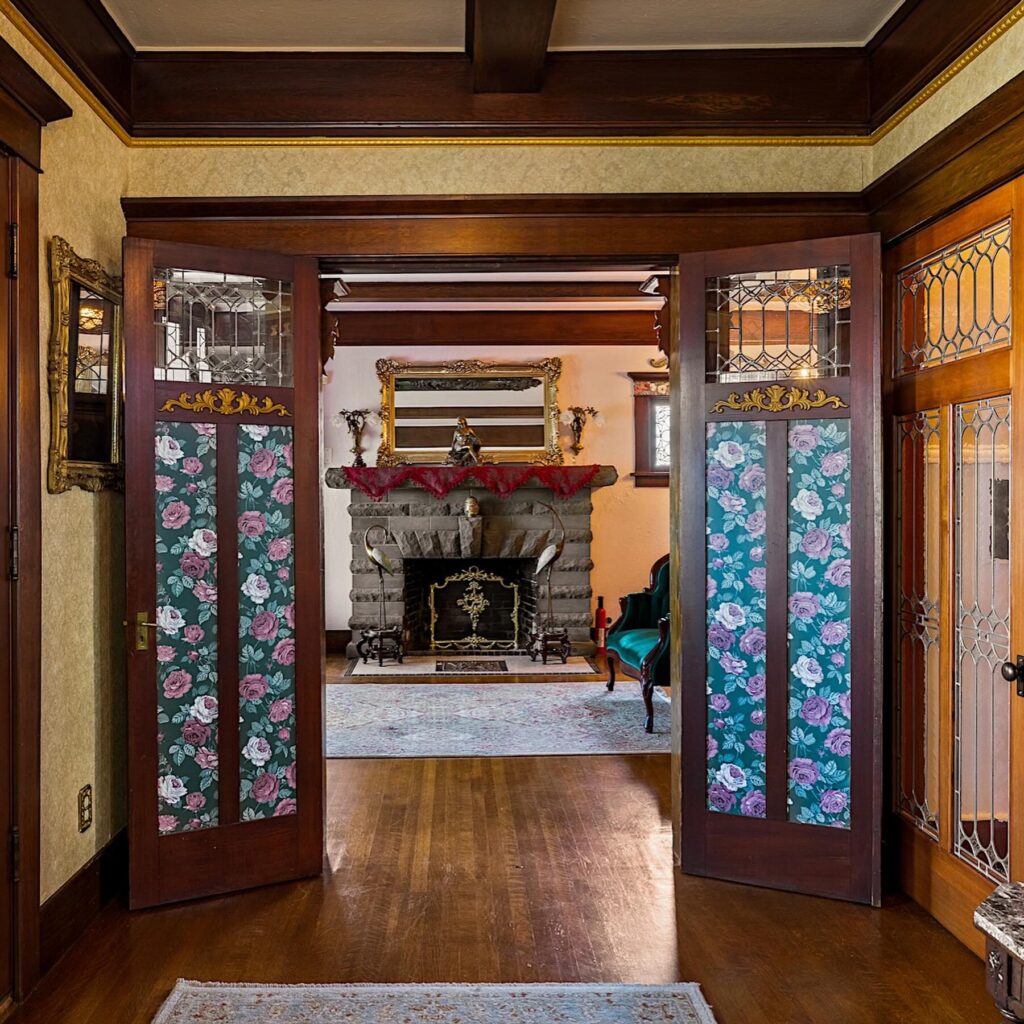
The front room would have been the heart of the house once. A fireplace mantle, painted over multiple times, still anchors the north wall. The paint layers visible at the chip edges read like a timeline: cream, then yellow, then white, then gray. Each layer a different decade, a different resident, a different life.
The ceiling is the most striking feature here. A large water stain spreads from the center light fixture outward like a map of some imaginary sea. The plaster has sagged in two places and come down entirely in one, leaving a ragged hole ringed with blackened wood lath.
Paint separation is total in the upper third of every wall. The granulation stage — that final, sandy, pre-failure texture — covers nearly every surface above four feet. Run your hand near it (not on it) and you can almost feel the fine powder in the air.
The Kitchen
Old linoleum, cracked and curling. Cabinet doors hanging at angles, their hinges rusted through. A porcelain sink, still intact, stained with decades of iron-rich water drip.
The window above the sink is intact but clouded on the inside with a permanent haze — condensation that never had anywhere to go. The sill below it is soft to the touch, the wood having absorbed so much moisture it has begun the slow process of returning to something closer to earth than timber.
A calendar on the wall. October. The year is no longer legible.
The Bedrooms
Two bedrooms upstairs. The stairs creak in a way that feels structural rather than atmospheric — there’s a slight give to the third and seventh steps that suggests the subfloor beneath has lost some of its integrity.
The smaller bedroom at the back of the house is in the worst condition. This is where all three pathologies converge most dramatically. The blistering on the walls has reached a stage where entire panels of paint hang loose, suspended by nothing more than their own surface tension. Efflorescence blooms across the window wall in white mineral flowers. The floor near the closet is soft.
The larger bedroom, facing the street, is actually in better shape. A metal bed frame remains. A dresser with a cracked mirror. A water-damaged paperback novel — the title is gone, but a few pages near the spine are still readable. Someone left in a hurry, or left without caring what they left behind.
What Objects Remain
Abandoned homes are time capsules. This one is no exception.
- A collection of glass bottles, likely 1960s–1980s based on shape and color, lined up on a windowsill in the kitchen
- A single child’s shoe, brown leather, under the stairs
- A hand-painted wooden sign that reads “Home Is Where the Heart Is,” hanging slightly crooked near the back door
- A rotary phone, disconnected, sitting on the kitchen counter as if someone just stepped away
- Stacks of old newspapers near the front door, too water-damaged to read fully but with visible mastheads from the mid-1990s
Each object raises a question. Collectively, they suggest a household that ended abruptly — not gradually.
The Atmosphere of Decay
There’s a particular kind of quiet inside a house that’s been empty for years.
It’s not just the absence of sound. It’s the presence of sounds that shouldn’t be there. The soft tick of expanding wood as temperature shifts. The faint drip of water from somewhere you can’t identify. The occasional pop of paint separating from a wall surface in real time.
Light falls differently in abandoned spaces, too. Dusty windows filter daylight into something diffuse and gray. Shadows pool in corners. The rooms feel simultaneously larger and more enclosed than they should.
This house has that quality in abundance.
Why This Home Matters
On its surface, this is one neglected house in one Tacoma neighborhood. But it represents something larger.
Thousands of homes across the Pacific Northwest share variations of this story. Economic hardship, deferred maintenance, inherited properties with unclear ownership, estates caught in legal limbo — these are the real mechanisms of abandonment. A house doesn’t just get forgotten. It gets failed, systemically, by a series of decisions and non-decisions made over years.
The preservation community has documented this pattern extensively. Organizations like the National Trust for Historic Preservation advocate for intervention before decay becomes irreversible — but the window for that intervention is shorter than most people realize.
Once BW, EM, and PSG take hold simultaneously, the cost of restoration climbs sharply. What might have been a $20,000 repair job at the five-year mark becomes a $200,000 structural overhaul at the fifteen-year mark. And for many forgotten properties, no one ever commits to either.
Could This Home Be Saved?
That question lingers long after you leave.
The bones are there. The fireplace mantle is intact. The hardwood floors, though buckled, could be restored. The original window casings, beneath the paint failure, still hold their shape.
What’s missing is will — and a clear owner willing to act.
The property records for homes in this condition are often tangled. Ownership may have passed through estates, tax sales, or simply gone undocumented for long enough that the chain is broken. Until someone takes legal possession and commits to restoration, the house will continue doing what it’s doing now.
Slowly, methodically, returning to the earth beneath it.
Conclusion
This abandoned home in Tacoma, WA is more than a study in paint failure and moisture damage. It’s a record of a life — or several lives — that played out inside these walls and then disappeared.
The blistering paint, the mineral blooms, the granulated surfaces — they’re not just decay. They’re evidence. Evidence of seasons passing, of water finding its way in, of time operating without interruption.
Some houses go quietly. This one resists, still holding its shape, still holding its secrets, even as the walls slowly let go.
If you’re drawn to stories like this one, you might also explore our documentation of forgotten craftsman homes across the Pacific Northwest, other abandoned properties with significant moisture damage histories, or our deep-dive into the architecture of early 20th century Washington State homes.
(Internal links: replace # with actual URLs from abandoned.blog)
Frequently Asked Questions
Q: What causes blistering paint in abandoned homes?
Blistering paint — sometimes called BW in inspection shorthand — is almost always caused by moisture trapped between the paint layer and the substrate. This can come from interior humidity, roof leaks, or ground moisture wicking up through walls.
Q: Is it legal to explore abandoned properties in Tacoma, WA?
In Washington State, entering private property without permission is considered trespassing regardless of whether a structure appears abandoned. Always research ownership and obtain permission before entering any abandoned building.
Q: What is efflorescence and why does it appear in old homes?
Efflorescence is the white, chalky mineral deposit that forms when water moves through masonry or plaster and evaporates, leaving dissolved salts behind. It’s a reliable indicator of ongoing moisture intrusion and is common in homes with foundation or drainage issues.
Q: Can an abandoned home with severe decay still be restored?
Yes, in many cases. Even homes with significant paint failure, moisture damage, and structural softening can be restored if the underlying framing is sound. The earlier intervention happens, the lower the cost. Severe PSG and EM damage typically signals that restoration will be expensive but not impossible.
Q: Why do so many old homes in Tacoma sit abandoned?
Tacoma, like many post-industrial cities, experienced significant population shifts in the mid-to-late 20th century. Properties passed through estates, landlords deferred maintenance, and some homes entered legal limbo through unpaid taxes or unclear inheritance. The result is a scattered inventory of vacant structures that have never found a committed new owner.
Q: What does PSG stand for in property inspection?
PSG refers to Paint Separation and Granulation — the late-stage breakdown of a paint film where it loses adhesion and develops a rough, sandy texture before detaching from the surface. It often appears alongside blistering and efflorescence in chronically damp environments.