He played through high school, college and even some professionally. But after an injury derailed his career he took up a new path and became an author and football coach. He and his wife lived here for many years and raised a family. But in 2021 they were bought out by developers and forced to leave. Today we’re taking you to see what’s left!
Standing Before a Home Frozen in Time
What happens to a house when the heartbeat of the family that filled its rooms for more than half a century suddenly vanishes?
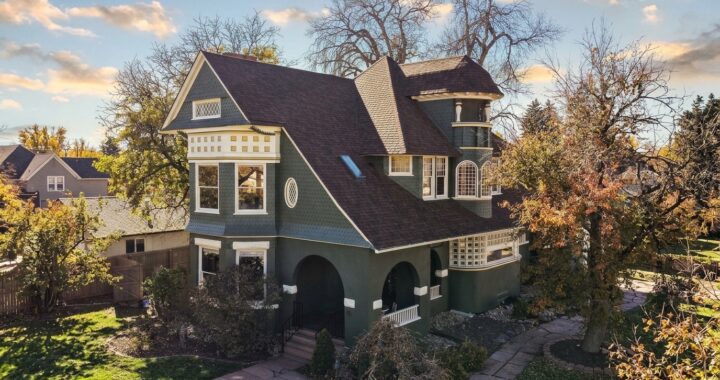
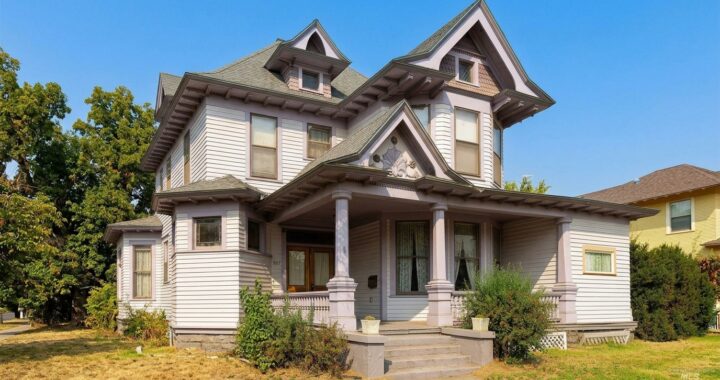
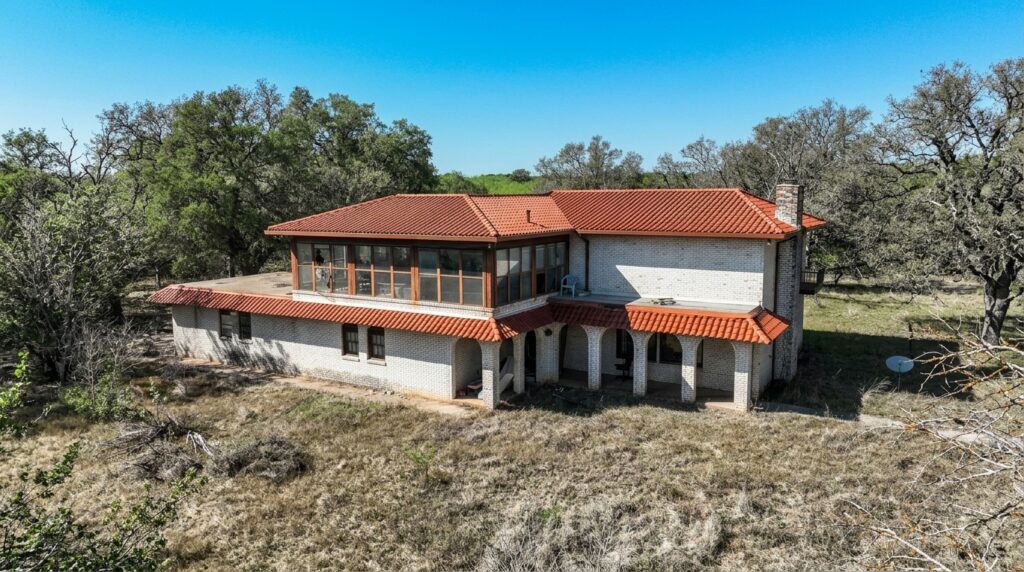
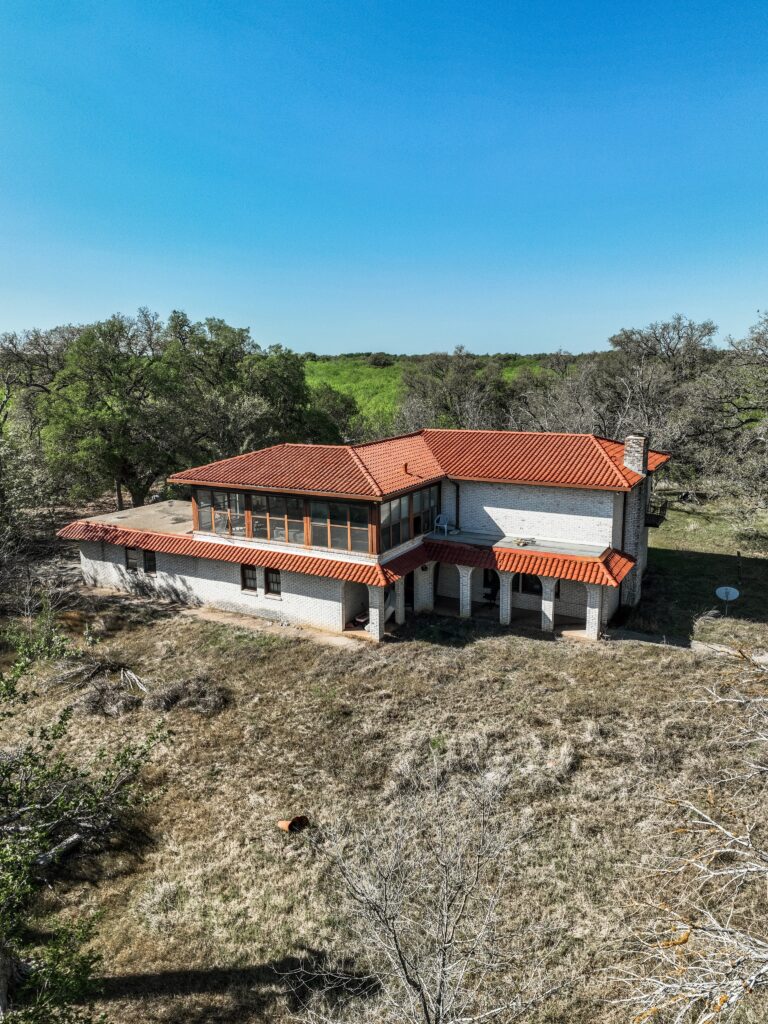
Standing at the end of the long gravel driveway, the first thing you notice is the silence. No voices drift from open windows. No screen door slams shut. Only the rustle of oak leaves in the breeze and the distant hum of traffic from the main road break the quiet. The home itself is a modest, two-story frame structure, built in the late 1930s — solid, unpretentious, and designed for comfort rather than grandeur. It doesn’t look like the kind of place that would hold decades of sporting history, writing, and family memories. But looks can be deceiving.
Just like in other places we’ve explored, such as an abandoned home in Washington State where traces of daily life linger everywhere, every corner here holds a story. This isn’t just wood, brick, and paint. It’s the life of one man, his career, his reinvention, and the family he built.
From Gridiron Glory to a New Calling
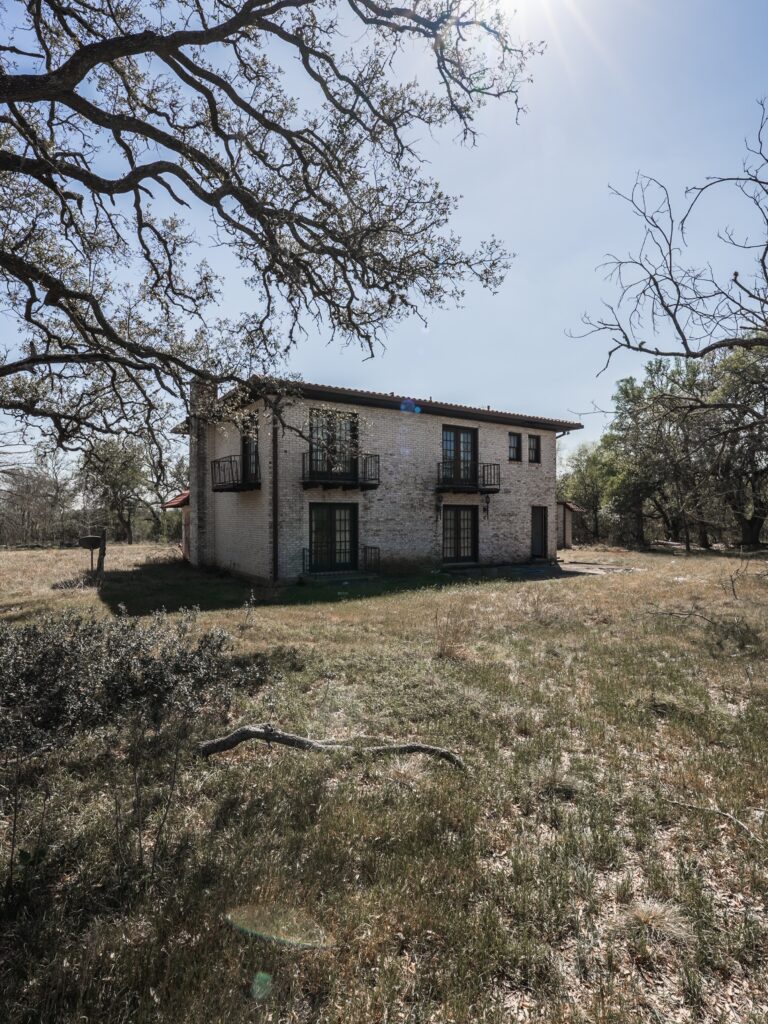
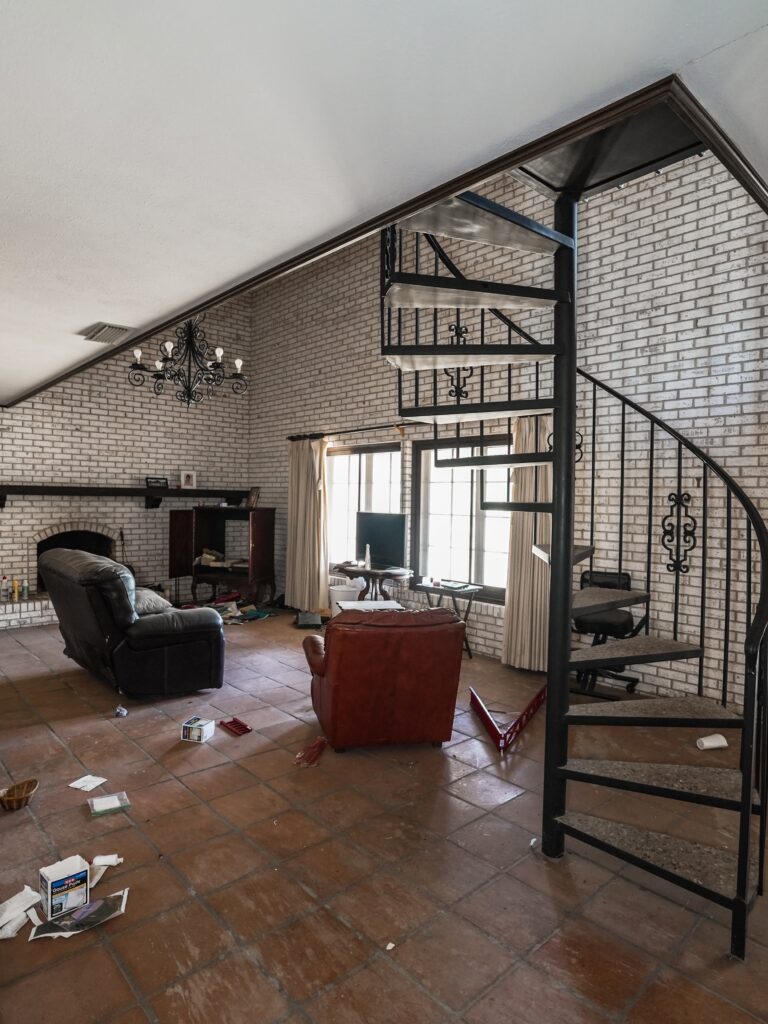
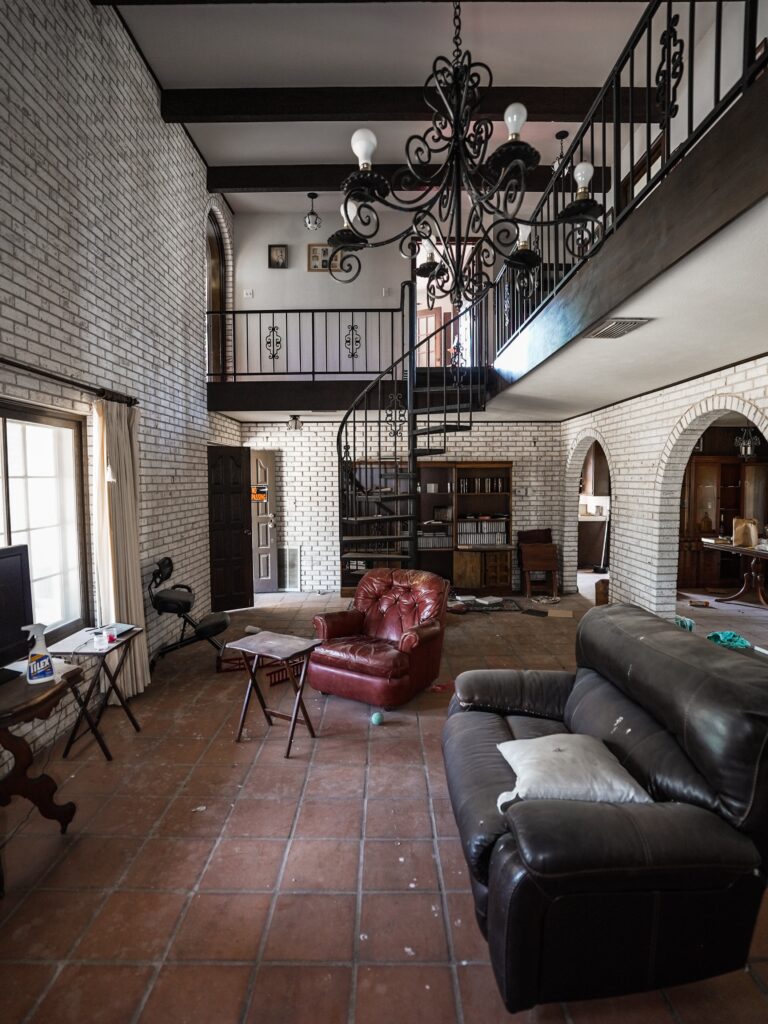
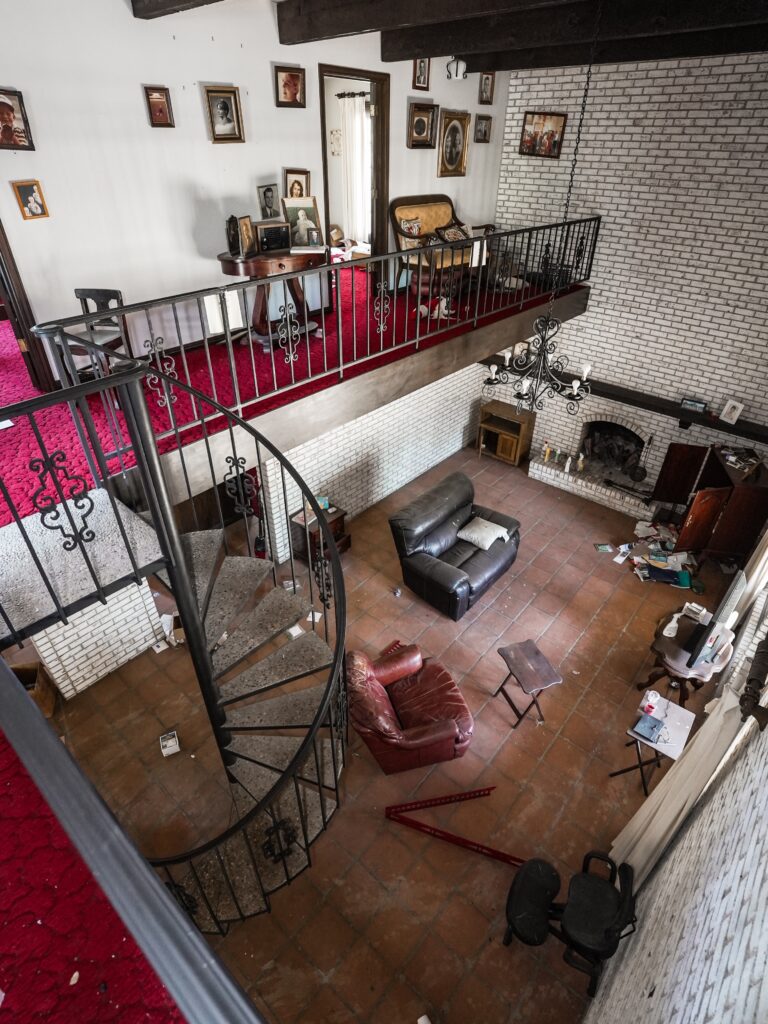
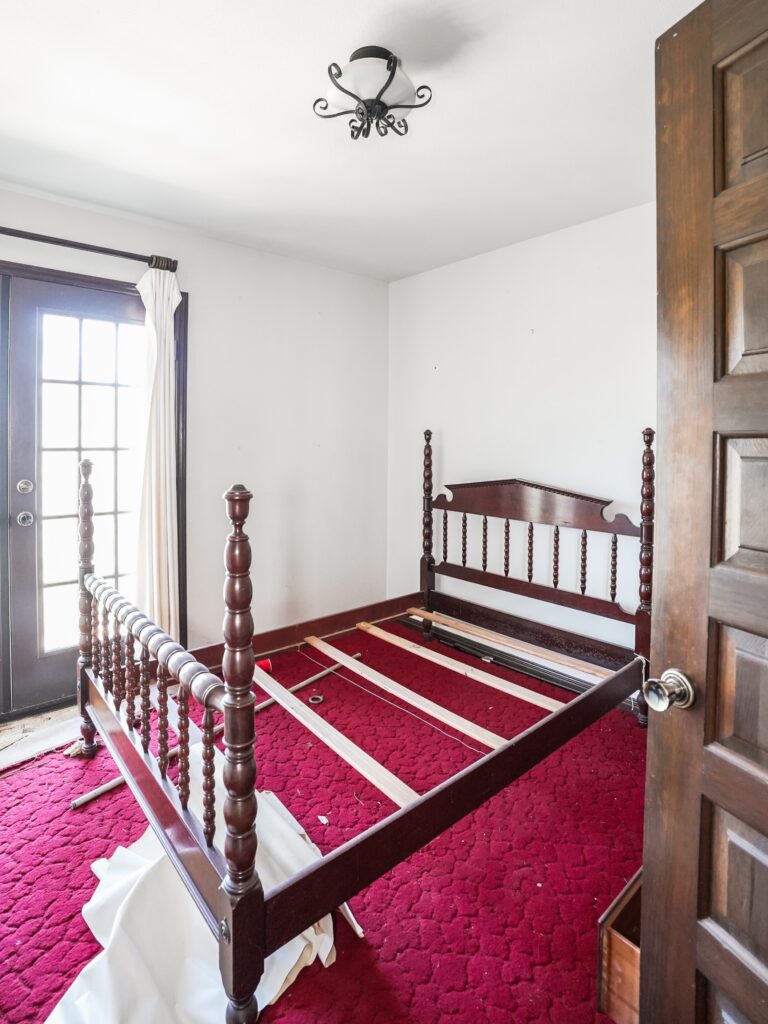
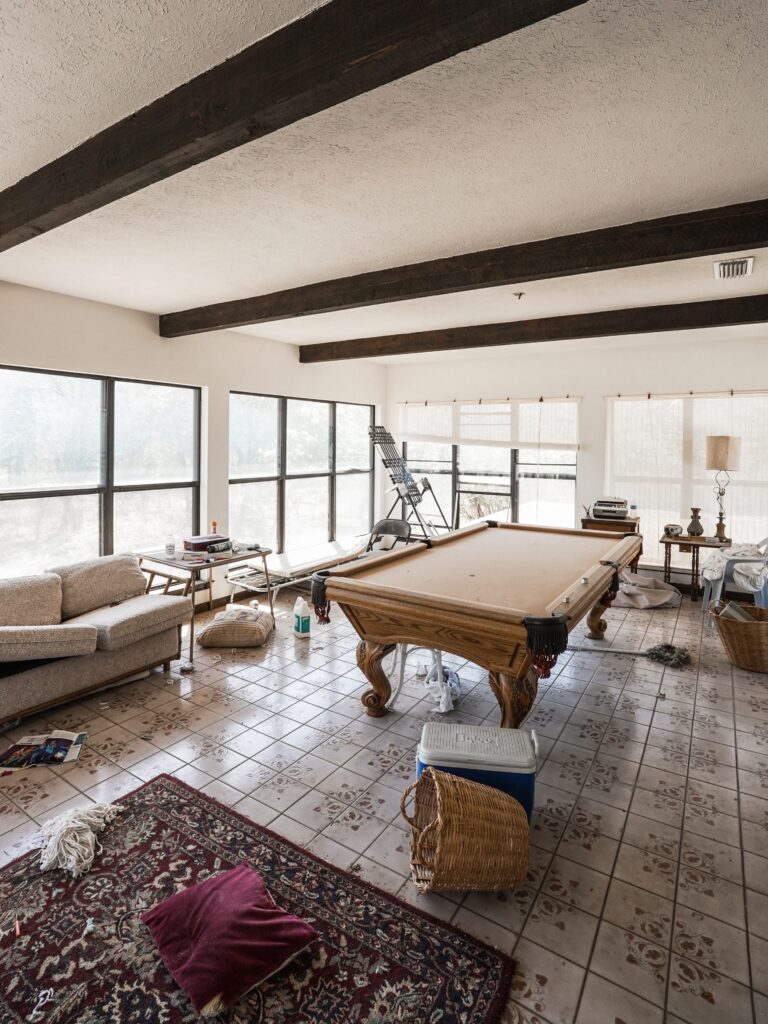
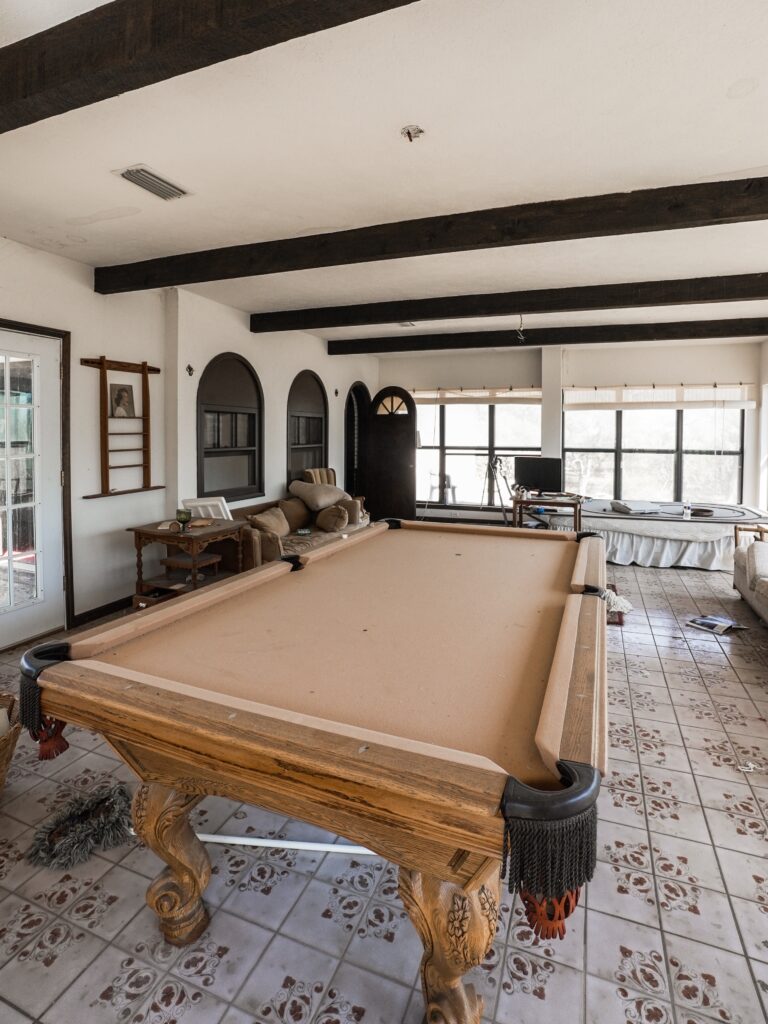
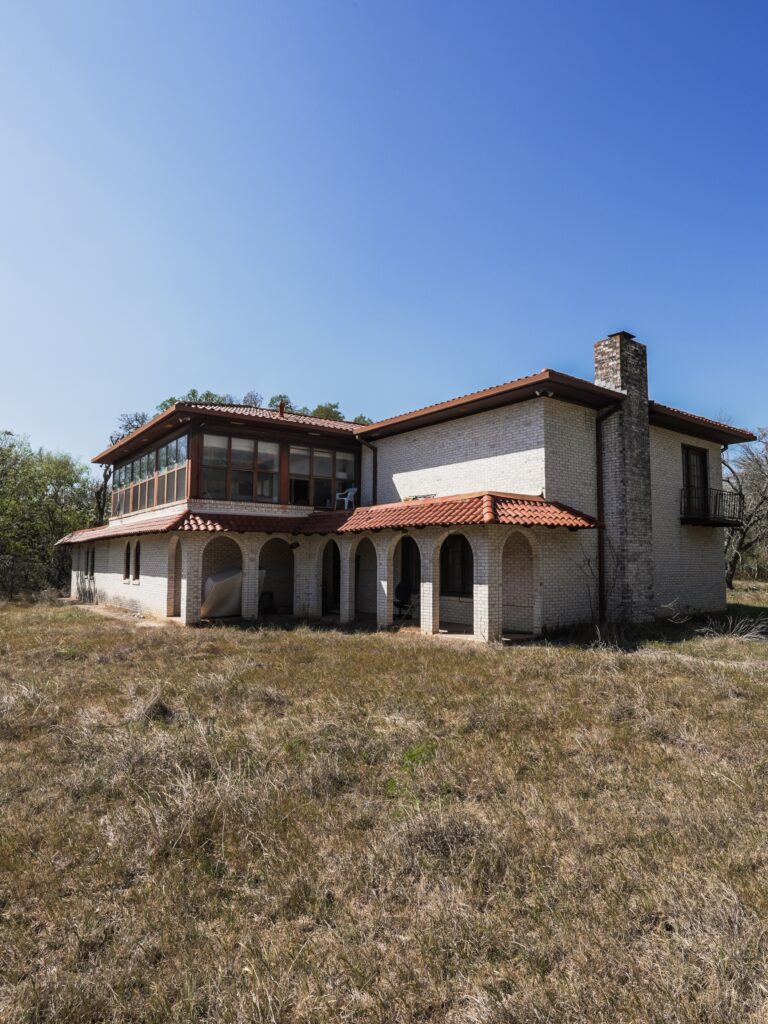
Let’s go back to where it all began. The man who owned this home grew up in a small town in western Pennsylvania, in an era when high school football was the center of community life. The 1940s were a time of change: World War II was underway, and sports offered a rare sense of normalcy and unity. He stood out early — strong, fast, and with a natural instinct for the game. By his senior year, he was a star running back and defensive back, earning local newspaper headlines and scholarship offers from across the region.
He accepted a place at a well-known public university, where he became a standout player over four seasons. Records from the College Football Hall of Fame confirm that many athletes from this generation balanced their education with military training or service, and he was no exception — he took part in the Naval Reserve Officers Training Corps while studying. His performance on the field led to a brief professional contract in the All-America Football Conference, a league that would later merge with the NFL.
But sports careers are fragile. In his third season, a tackle during a game left him with a serious knee injury. Surgery and rehabilitation followed, but he could no longer run or pivot with the speed and power the game demanded. His playing days were over before he turned 26.
Most people faced with such a setback might have felt defeated. Not him. He turned his focus entirely to the knowledge and experience he had gained. He began writing articles about strategy and training, eventually publishing a popular guidebook for young players. Later, he accepted a position as head coach at a regional high school, and eventually joined the coaching staff at his alma mater. You can read more about the history of early American football coaching methods through the Pro Football Hall of Fame archives, which highlight how many former players became mentors for the next generation.
In the late 1950s, he and his wife purchased this property. They raised two children here, hosted team dinners, and spent evenings working on books and lesson plans in the upstairs study. For more than 60 years, this was their sanctuary — quiet, private, and full of purpose.
Why Did They Leave?
By 2020, the neighborhood around the house had changed dramatically. What was once a semi-rural area surrounded by farmland and woodland had gradually become a target for residential expansion. Planners drew up new zoning maps, and developers began buying up properties one by one. Negotiations with long-time residents were difficult; many felt attached to homes that held generations of memories.
In 2021, after months of discussion, the couple agreed to sell. The compensation offered was fair by market standards, but the decision was emotional. “We didn’t want to go,” their daughter later told a local newspaper. “But the area was changing so fast, and the town had already approved the new development plan. It felt like we had no real choice.”
And so, after six decades, they moved out. The furniture was loaded into trucks, family photos were packed away, and the doors were locked for what everyone assumed would be the final time. Yet unlike many properties that are torn down immediately, construction was delayed by supply chain issues and permitting holdups. That pause gave us the chance to see the house before it vanishes forever — much like the grand châteaux and estates we’ve documented where demolition or restoration waits in the wings.
Inside: Where Memories Remain
Pushing open the front door, you’re met first with the smell — a soft, earthy mix of old paper, dry wood, and faint dampness. Sunlight slants through dusty windows, painting golden streaks across the wooden floorboards. The hallway walls are lined with faded paint, but if you look closely, faint marks still show where picture frames hung for decades.
The living room feels warm, even empty. A brick fireplace dominates one wall, its hearth still holding a few leftover logs. In the corner stands a heavy oak bookshelf, its shelves half-stripped but still holding a few dog-eared novels, rulebooks, and a copy of his own most famous work. There are scratches on the floor near the fireplace — made by the legs of the rocking chair where he sat every evening.
Upstairs, the study is the room that tells the clearest story. A large wooden desk sits by the window, its surface marked with ink stains and faint circles left by coffee mugs. A small chalkboard leans against one wall, still covered in faded diagrams of plays, formations, and handwritten notes about training drills. Taped to the side is a newspaper clipping from 1952, celebrating one of his first winning seasons as a coach. Even the typewriter on the desk still has a half-finished sheet of paper in its carriage — a reminder that life here stopped abruptly, not naturally.
In the bedrooms, wardrobes stand open, as if waiting for someone to return. Wallpaper peels away at the seams, revealing layers of older patterns beneath. It’s not a scene of decay or ruin; it’s a place suspended in limbo — waiting for what comes next.
Local Talk and Quiet Legends
As with any long-standing home, stories have circulated around town over the years. Older residents remember stopping by after church, or attending birthday parties in the backyard. There are no ghost stories or sensationalized rumors here — no claims of strange noises or unexplained shadows. Instead, the “legend” is simply that of a good neighbor and respected figure.
“Everyone knew him,” one local told us. “He never bragged about his playing days. He just wanted to help kids learn the game and grow up strong. This house was always open.”
There is, however, one bit of local speculation: many wonder why the development has been delayed so long. Some say it’s due to environmental checks on the nearby creek; others believe the developer is rethinking the design to save some of the mature trees on the property. As with many abandoned or pending sites, official plans can shift — the only certainty is that the future of this house remains uncertain.
Important Notes Before You Visit
We want to be clear: this property is private land, currently owned by a development company. While it sits empty, it is not open to the public.
- Trespassing laws apply: Entering without permission is illegal in all US states and carries fines or other penalties.
- Safety risks: Empty buildings can have weak floors, mold growth, or hidden structural issues that are not visible from outside.
- Respect matters: Even when a home feels “forgotten,” it represents someone’s history. We explore these places to document their stories, not to disturb or damage them.
Always check local land records, current ownership status, and property boundaries before attempting to visit any abandoned location. If you are interested in learning more about responsible exploration, groups such as the Society for Industrial Archeology provide guidance on ethical documentation.
Final Thoughts
Walking back to the gate, I look over my shoulder one last time. The sunlight is beginning to fade, and shadows stretch across the lawn. This house did not fall into disuse because of tragedy or neglect — it was forced into waiting by progress and development. The man who lived here turned an injury that ended one career into the foundation for a life of teaching, writing, and community service. His legacy isn’t just in old newspaper clippings or books on a shelf; it’s in the way he adapted, rebuilt, and gave back.
Soon, this structure will likely be gone, replaced by new homes and new families making their own memories. But for now, the walls still hold the echoes of laughter, late nights, and a life well-lived. And as long as we share these stories, they will not be forgotten.