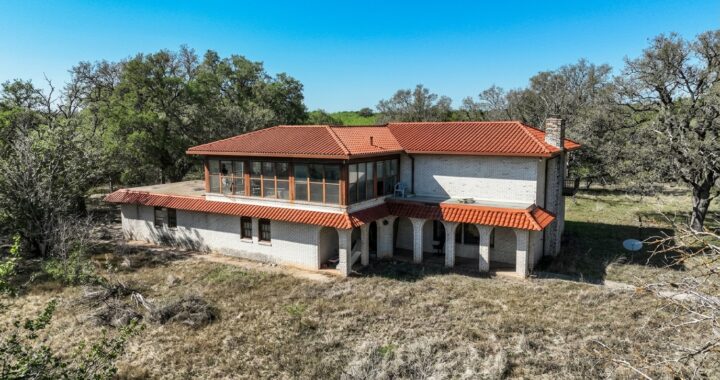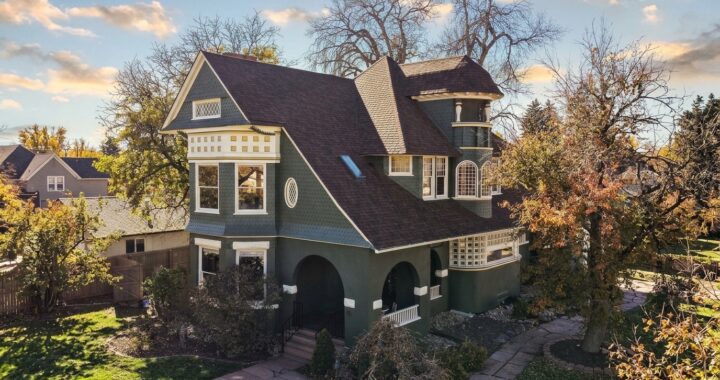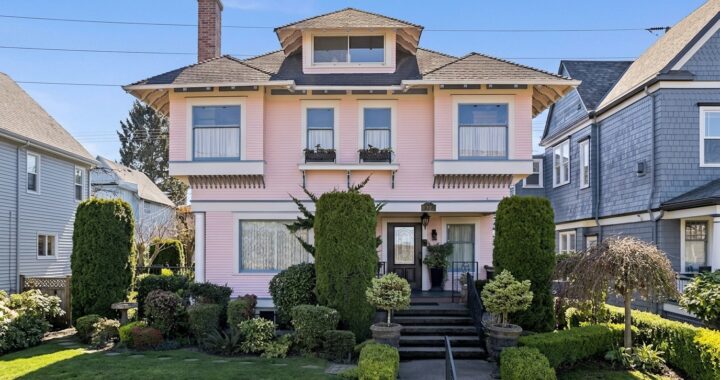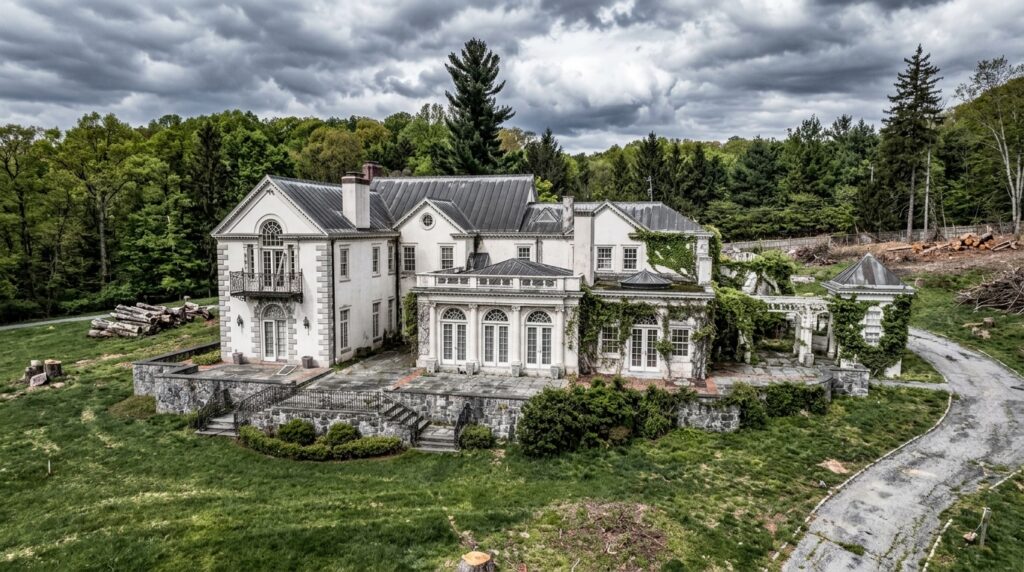
Standing at the iron gates, the first thing you notice is the silence. No cars pull up the long driveway. No voices echo from the wide verandas. Only the rustle of wind through overgrown hedges and the distant call of crows break the stillness. This property was once the symbol of success, power, and legacy. Now, it is a monument to change, loss, and the strange fate that can befall even the most valuable pieces of real estate.
What happens to a house when the people who built it, loved it, and filled it with generations of memories are no longer there to care for it?
The Rise of an American Estate
Built in 1929, just months before the stock market crash that would reshape the nation’s economy, this mansion was commissioned by the Hale family — a name long synonymous with American industry, banking, and philanthropy. At the time of construction, it cost the equivalent of more than $3 million; adjusted for inflation and later improvements, its peak valuation reached **$27.8 million**, according to property records and historical real estate assessments.
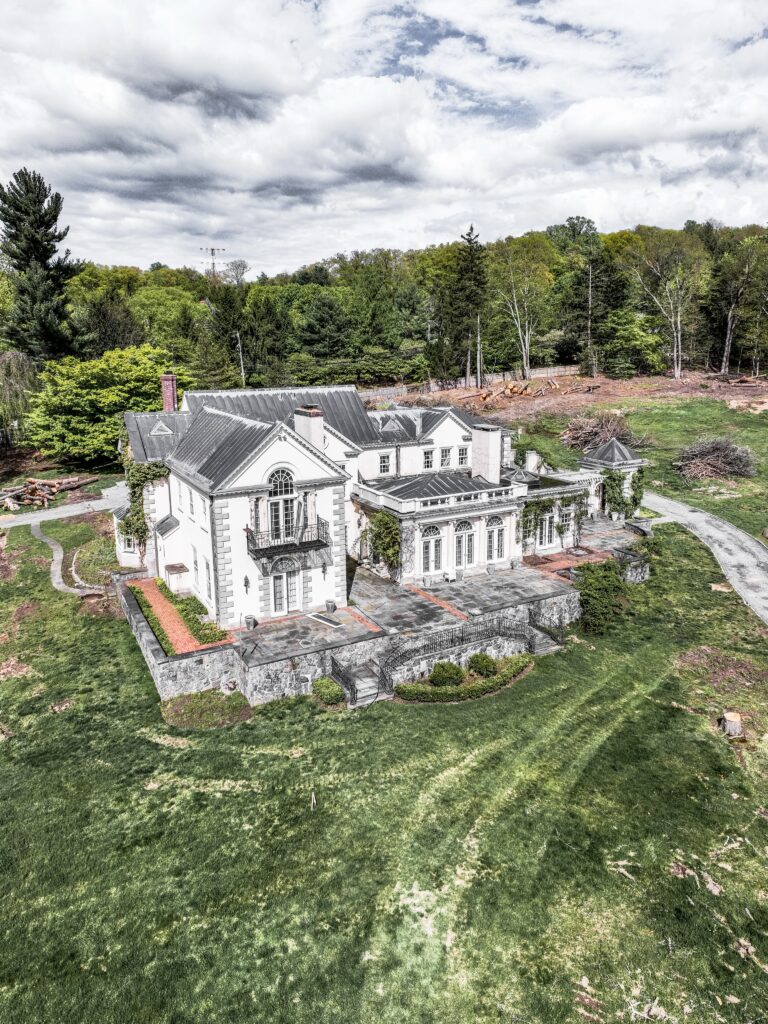
Designed in the Beaux-Arts style, the estate spans nearly 22,000 square feet across three stories, plus a finished basement and a separate carriage house. It sits on 47 acres of landscaped grounds in the hills above Greenwich, Connecticut — an area known as one of the wealthiest zip codes in the United States. Architects from the prominent firm Carrère and Hastings, famous for designing the New York Public Library and the Russell Senate Office Building, oversaw its creation. You can learn more about the Beaux-Arts movement and its influence on American architecture through the Metropolitan Museum of Art’s guide.
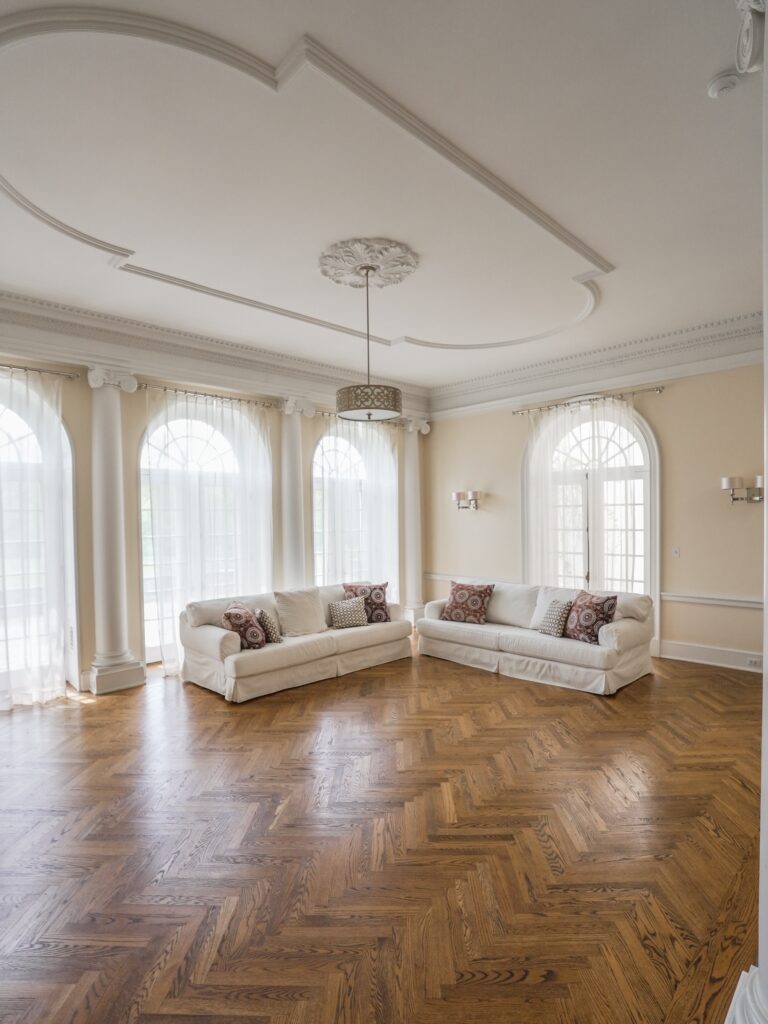
For nearly 70 years, the Hale family called this place home. It hosted holiday gatherings, political fundraisers, and society events that drew guests from across the country. Every room was detailed with imported marble, hand-carved wood paneling, crystal chandeliers, and custom furniture. The grounds included formal gardens, a tennis court, a swimming pool, and even a small private lake stocked with trout.
But as the decades passed, the family’s dynamic shifted. The original heirs grew older, and younger generations moved away to pursue careers in different cities. By the early 1990s, the mansion was used only occasionally, left mostly vacant for months at a time. Maintenance costs climbed rapidly — heating, repairs, landscaping, and property taxes ran into hundreds of thousands of dollars each year.
A similar fate befell other grand estates across the country, as you can see in our look at an abandoned home in Tacoma, Washington where the absence of residents slowly turned luxury into neglect.
Why Did It Fall Into Abandonment?
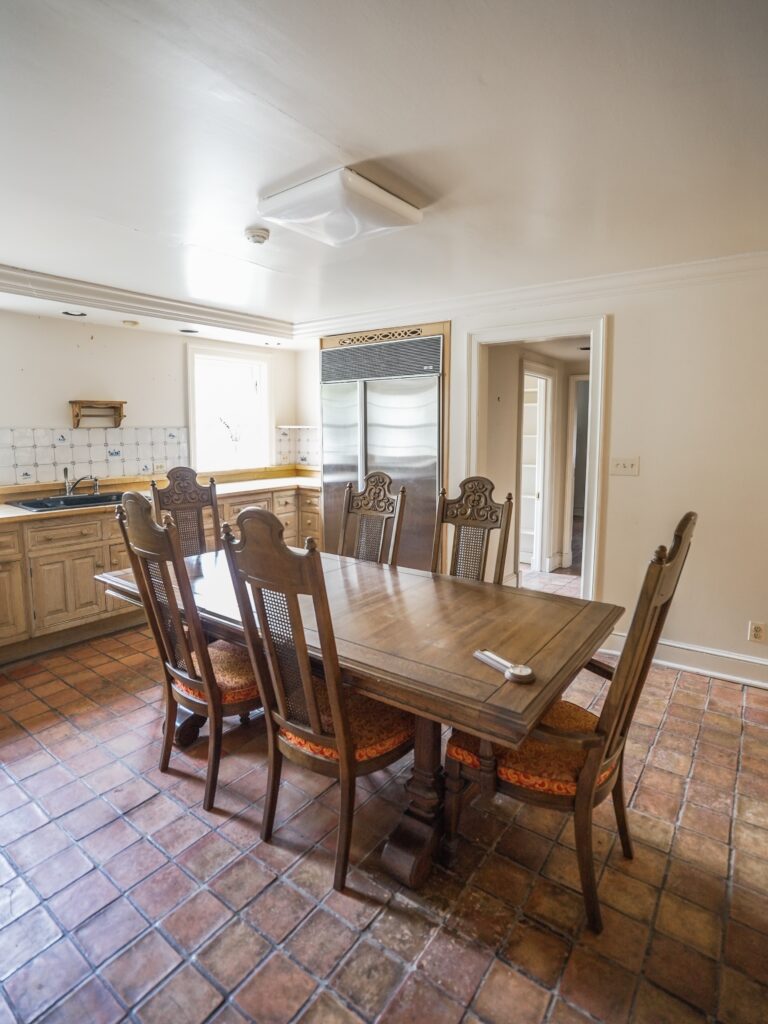
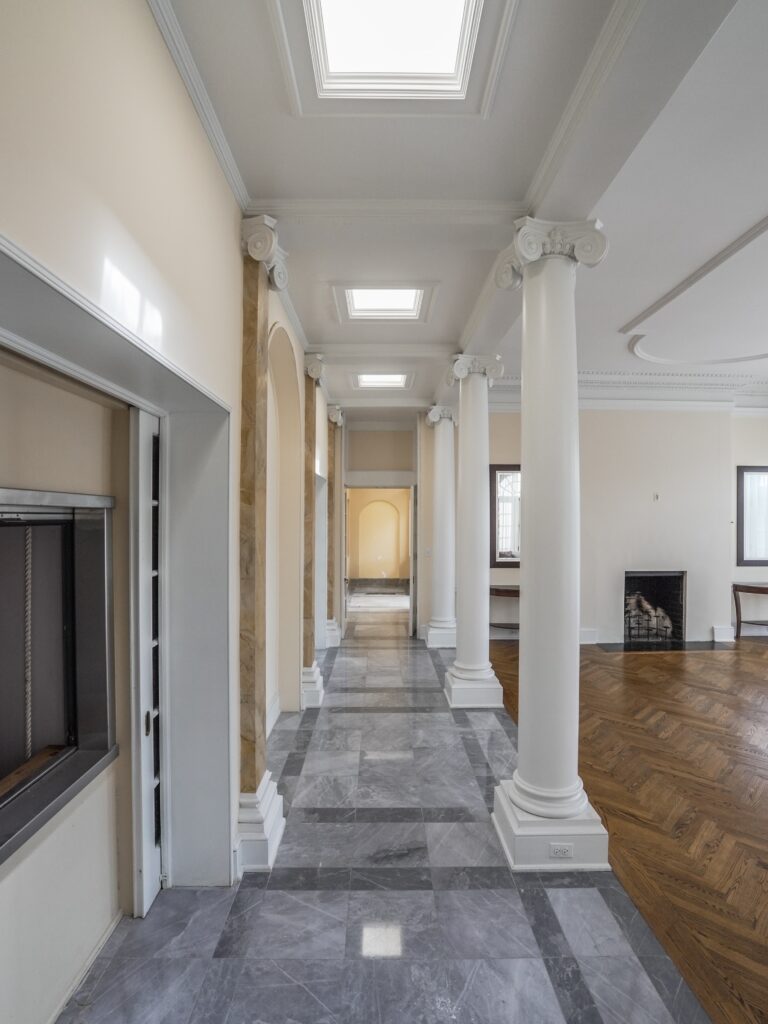
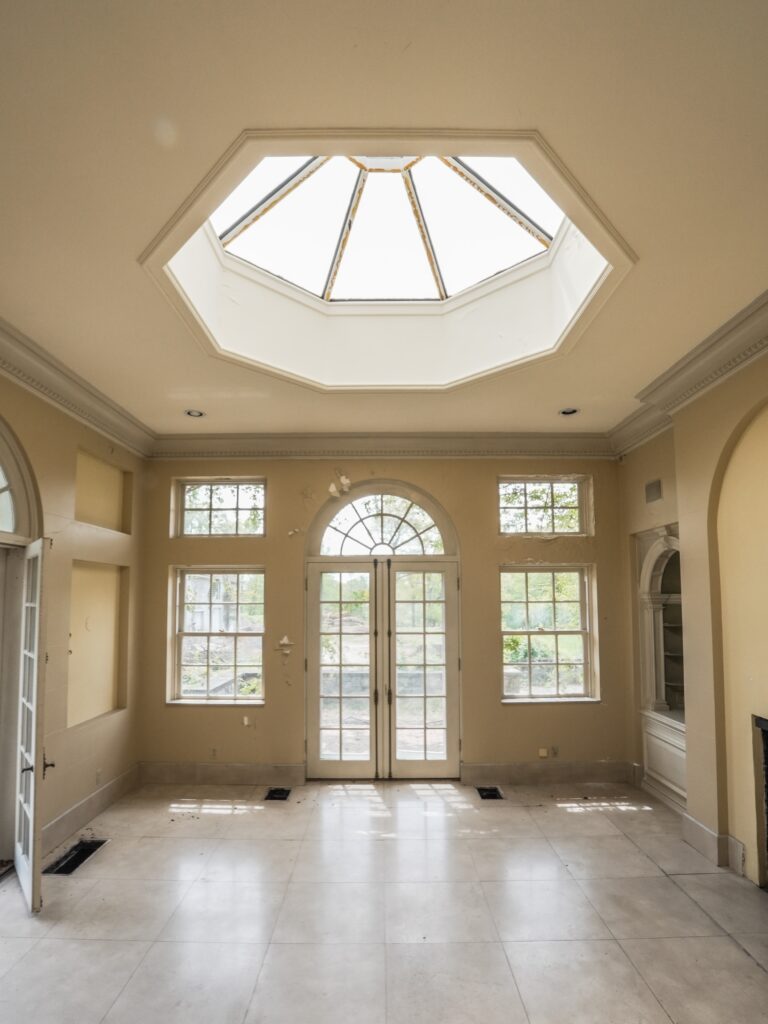
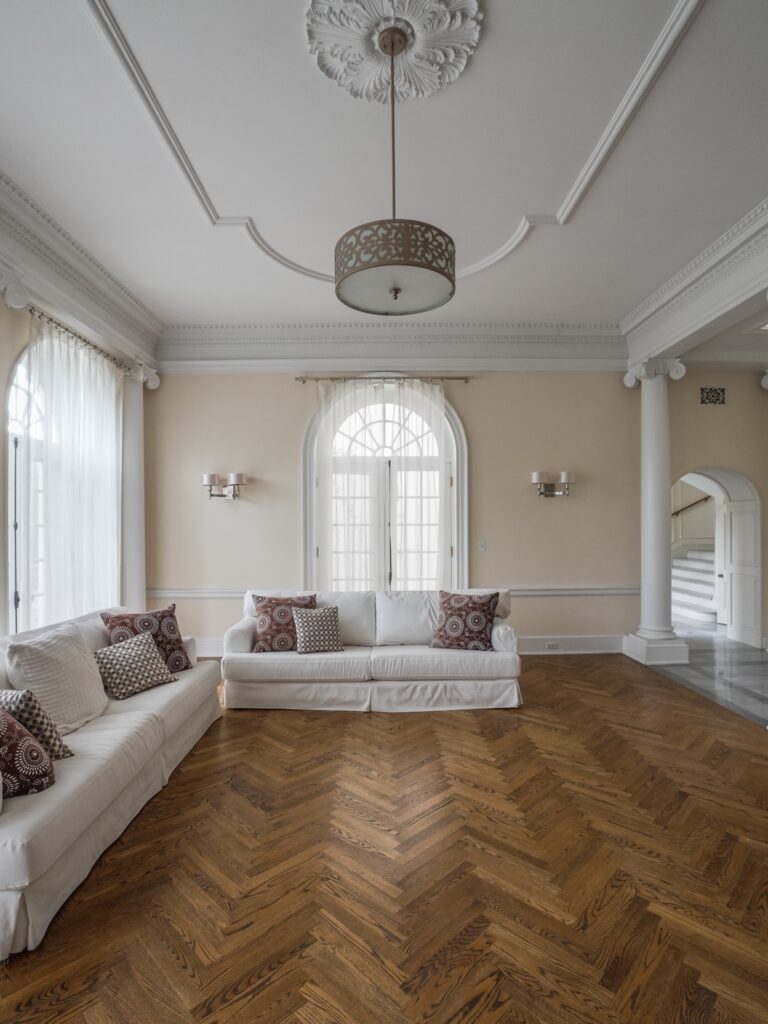
There is rarely just one reason a property of this scale is left behind. In this case, it was a combination of family decisions, shifting economic realities, and the practical challenges of owning a historic landmark.
When the last direct heir passed away in 2001, the estate went into probate. Legal disputes between distant relatives dragged on for years. During that time, no one was authorized to make major repairs or pay for ongoing upkeep. Roof leaks turned into water damage. Small cracks in the foundation widened. Without heat in winter, pipes froze and burst, causing further harm to plaster and flooring.
Attempts to sell the property faced hurdles. Potential buyers were interested, but many found the renovation estimates staggering — experts said bringing the mansion back to its original condition would cost $12 million or more, on top of the purchase price. Local zoning laws also limited how the land could be redeveloped; it could not easily be split into smaller lots for modern homes.
By 2018, the estate was officially marked as “structurally compromised” in municipal reports. The town’s building department declared it a potential safety hazard, and in 2024, a final order was issued: unless a viable restoration plan was approved within six months, the mansion would be scheduled for full demolition.
It is not the only grand property to face this uncertain future. We explored another historic landmark where the gates have not opened since the 1980s, revealing how time and disuse can seal off even the most impressive estates.
Walking Through What Remains
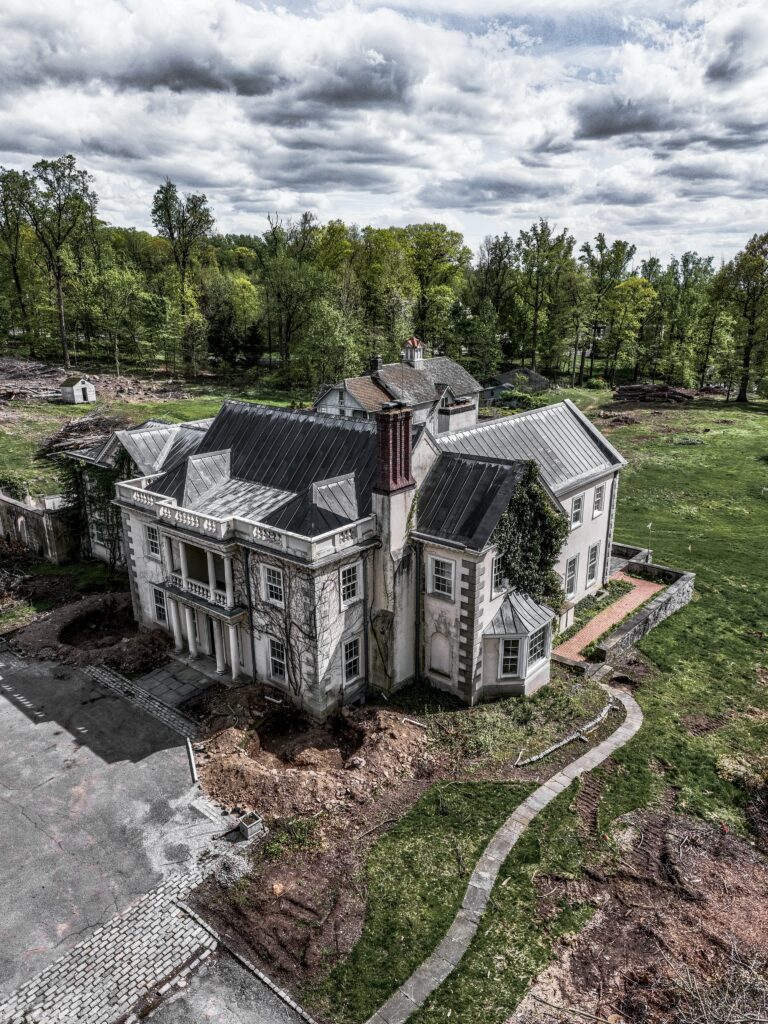
From outside, the mansion still looks imposing. The limestone facade is weathered but mostly intact, though green ivy has climbed higher each year, creeping over window frames and along the edges of the roof. The grand entrance steps, once swept daily, are now dotted with weeds and fallen branches.
When you stand near the broken lower windows, the air carries a distinct smell: damp wood, old paper, mildew, and the faint, dusty scent of plaster that has begun to crumble. Sunlight filters through gaps in boarded panes, casting long, slanted beams across rooms that once held elegant dinner parties and quiet family evenings.
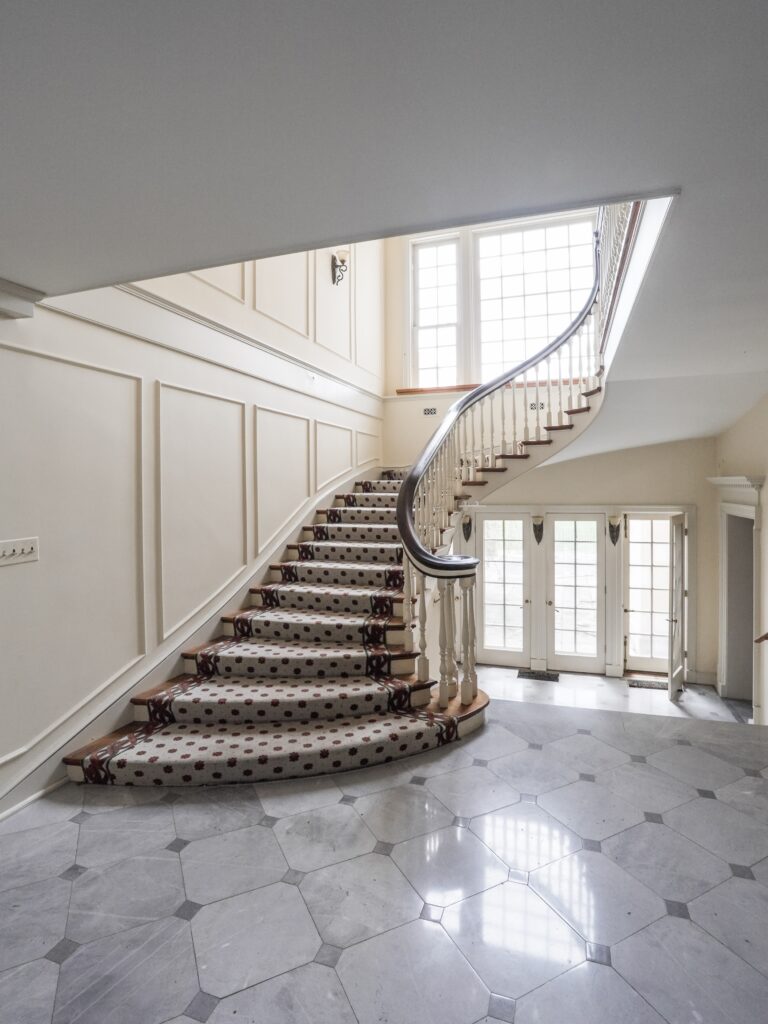
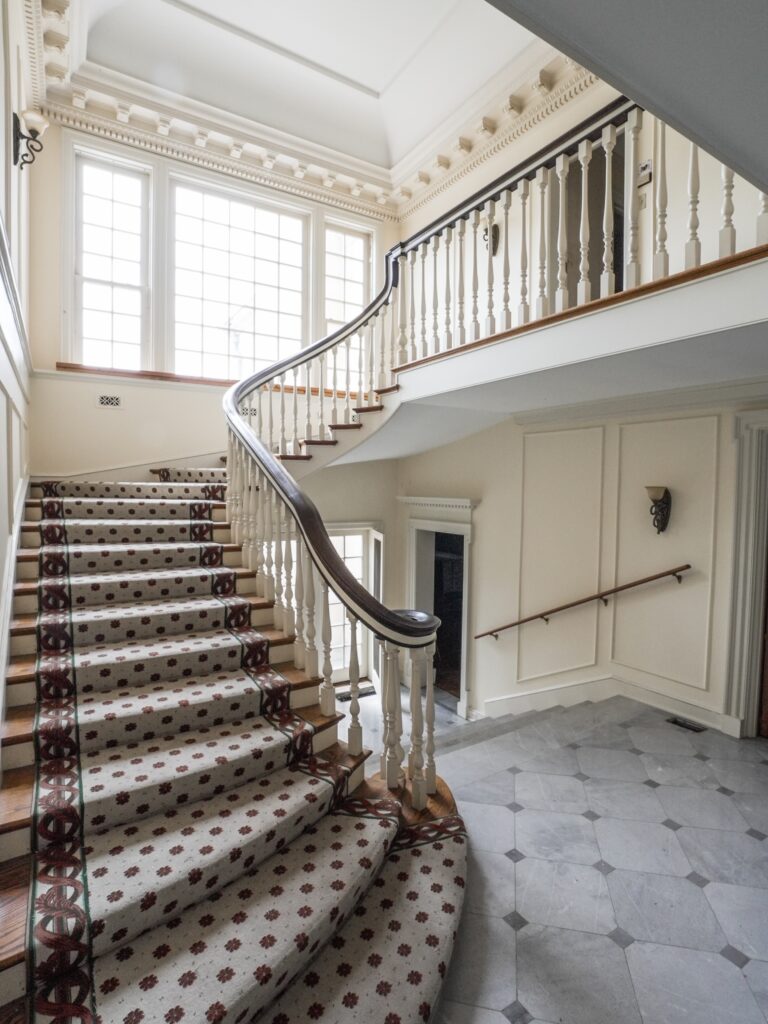
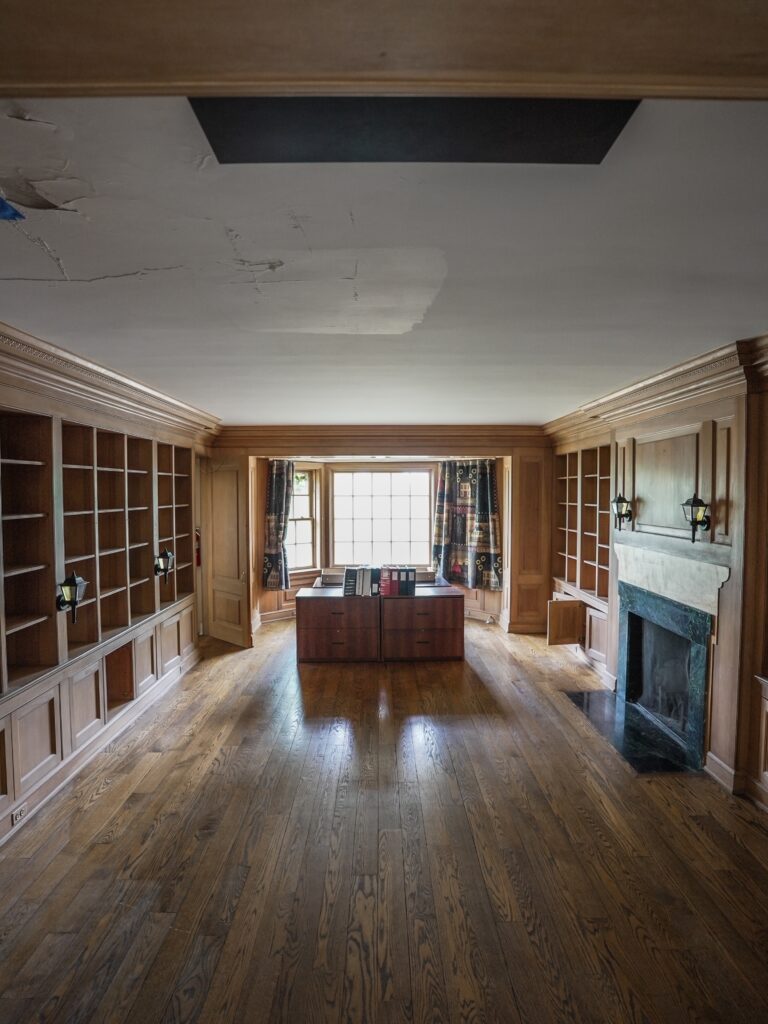
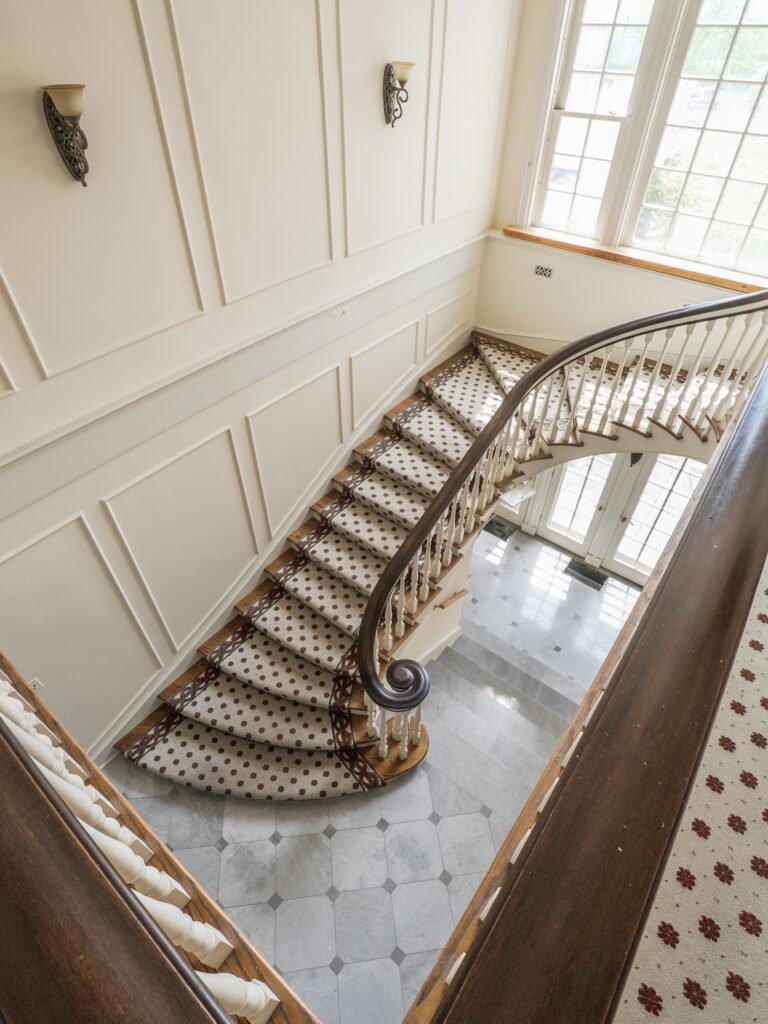
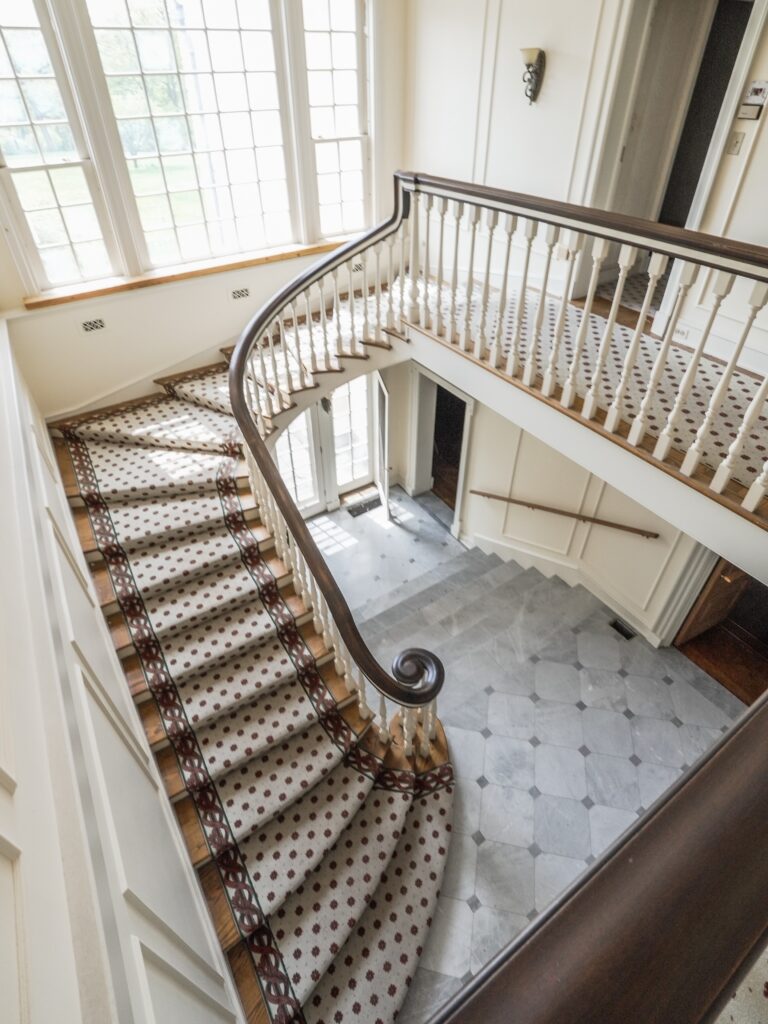
Inside the main hall, the sweeping staircase still curves upward, though the carpet has rotted away, exposing wooden treads that creak under any weight. Chandeliers hang askew, their crystals dulled by dust and moisture. In the library, rows of empty shelves line the walls; the books and furniture were removed years ago during the legal proceedings.
Upstairs, bedrooms retain their original layout, but wallpaper is peeling in large strips, revealing the plaster underneath. In some areas, ceilings have partially collapsed, exposing wooden beams and insulation. The swimming pool, once lined with blue tile, is filled with rainwater, fallen leaves, and debris, its surface still and murky.
What strikes you most is not just the decay — it is the feeling of pause. It looks as if the family simply left one afternoon, expecting to return, and never did. Half-open closets, empty picture hooks, and faded markings on walls all tell small, silent stories of the lives that once unfolded here.
Local Stories and Rumors
When a property of this scale sits empty for years, local lore inevitably grows around it. Residents in nearby neighborhoods have shared their own accounts over the decades, though none have been officially confirmed.
Some say that on quiet nights, faint music or voices can be heard drifting from the upper floors — a trick, most likely, of wind moving through hollow pipes and open windows. Others claim that the family was reluctant to sell because of long-held traditions, and that the legal battles were less about money and more about keeping the estate out of the hands of strangers.
According to local newspaper archives from the Greenwich Times, there were also concerns about the cost of historic preservation. The town’s historic commission tried to find nonprofit groups or wealthy benefactors willing to take on the restoration, but no serious offer ever materialized. As one real estate agent put it in a 2022 interview: “It’s a masterpiece, but it’s also a financial black hole.”
We should note that these are community accounts and historical observations, not verified facts. Many rumors about abandoned properties grow more dramatic over time, and it is always best to separate legend from what is documented in public records.
Important Safety and Legal Note
This estate is private property, surrounded by high fencing and marked with “No Trespassing” signs. In the United States, entering private land without permission is a criminal offense, and in this case, it also poses serious physical risks. Floors may be unstable, stairways can collapse, and mold or other environmental hazards are common in neglected buildings.
Urban exploration and photography of abandoned places are best done with respect and legality. Always check local laws, confirm the current status of the property, and never attempt to enter without written permission from the owner or caretaker. For those interested in historic architecture and preservation, organizations like the National Trust for Historic Preservation offer legal, responsible ways to learn about and support at-risk sites.
Final Thoughts
In just under a century, this mansion has traveled from a symbol of prosperity to a burden, and finally to a place marked for removal. It reminds us that even the largest fortunes, the finest craftsmanship, and the most carefully built legacies cannot survive without attention and purpose.
Soon, heavy machinery will arrive. Walls will come down, and the land will be cleared — perhaps to be turned into open space, or maybe to make room for something entirely new. The grand rooms, the gardens, and the stories they held will exist only in photographs, documents, and the memories of those who once walked its halls.
It is a quiet ending for a house that once stood at the very peak of American wealth and status. And as we look at what remains, one question lingers: How many other grand estates are facing the same fate, waiting for the day when the wrecking ball finally arrives?
If you enjoyed this story, explore more forgotten places in our collection, including an abandoned home in Tacoma, WA and the closed-off history of this abandoned chateau.