Introduction
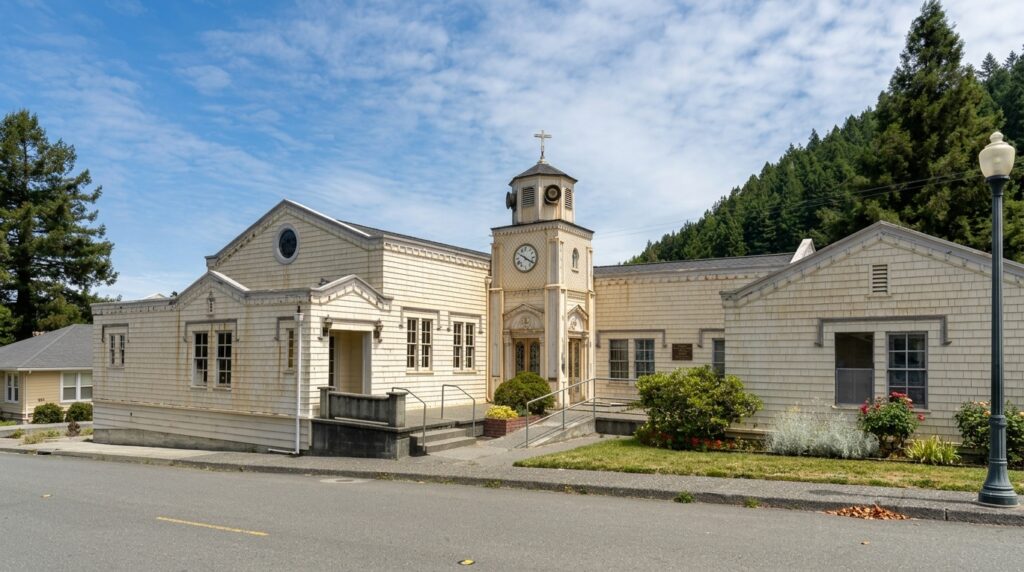
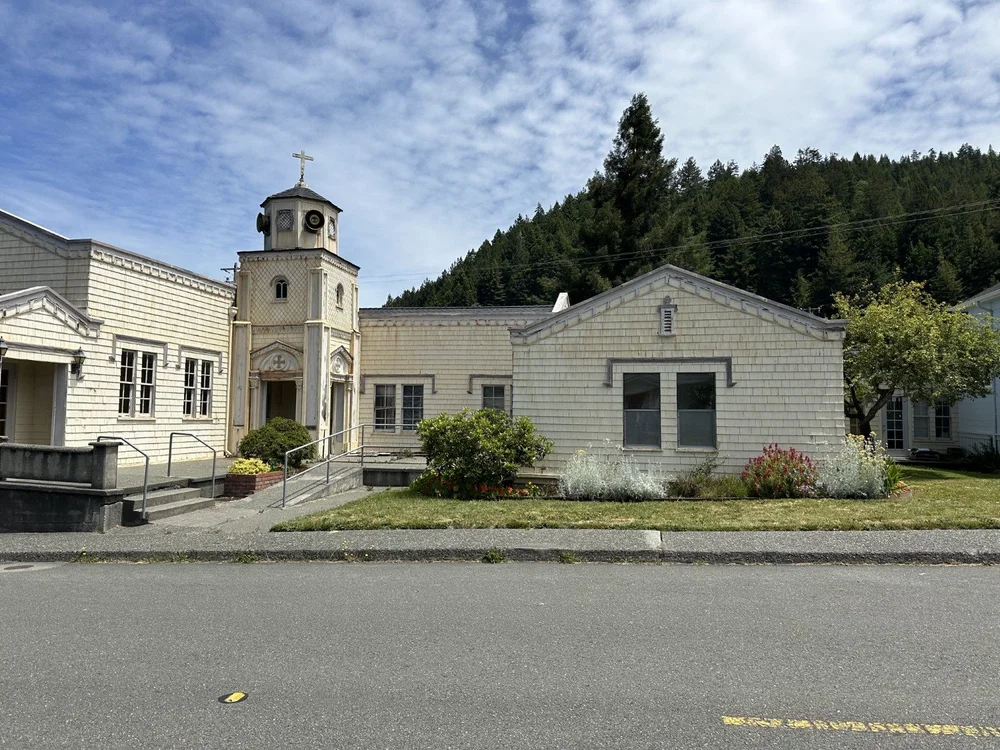
The 1904 Church in Scotia, California immediately captures attention. At first glance, it appears to be another historic religious building that has survived more than a century of change. Yet the story connected to this property is far more interesting than many people expect.
Although the title references Scotia, California, the property itself stands in Fort Atkinson, Wisconsin. Built in 1915 in the Prairie architectural style, this remarkable structure offers nearly 4,500 square feet of living space, five bedrooms, four bathrooms, and a rich connection to local history.
Properties like this are rare. They sit somewhere between a historic landmark, a forgotten estate, and a carefully preserved piece of architectural heritage.
Today, it remains a fascinating example of how historic buildings can find new life while maintaining their original character.
The History Behind the 1904 Church in Scotia, California
Historic churches often tell stories that stretch far beyond their walls.
For generations, churches served as gathering places for communities. They witnessed weddings, funerals, celebrations, and moments of hardship. Many became important landmarks that shaped the identity of a neighborhood.
The property now located at 916 Whitewater Avenue in Fort Atkinson, Wisconsin reflects that same tradition.
Built in 1915, it emerged during a period when Prairie architecture was transforming the American landscape. Communities across the Midwest embraced new architectural ideas while still preserving traditional values.
Unlike many historic structures that eventually became historic ruins, this building survived decades of social and economic change.
Its continued existence provides a glimpse into an era when craftsmanship and durability were central to construction.
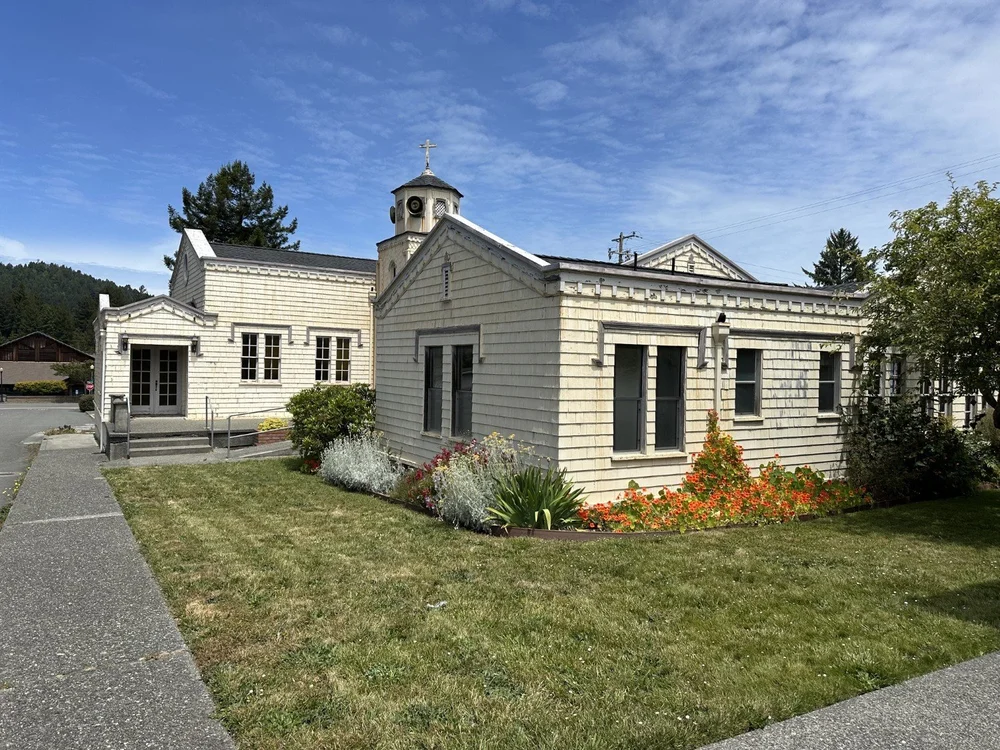
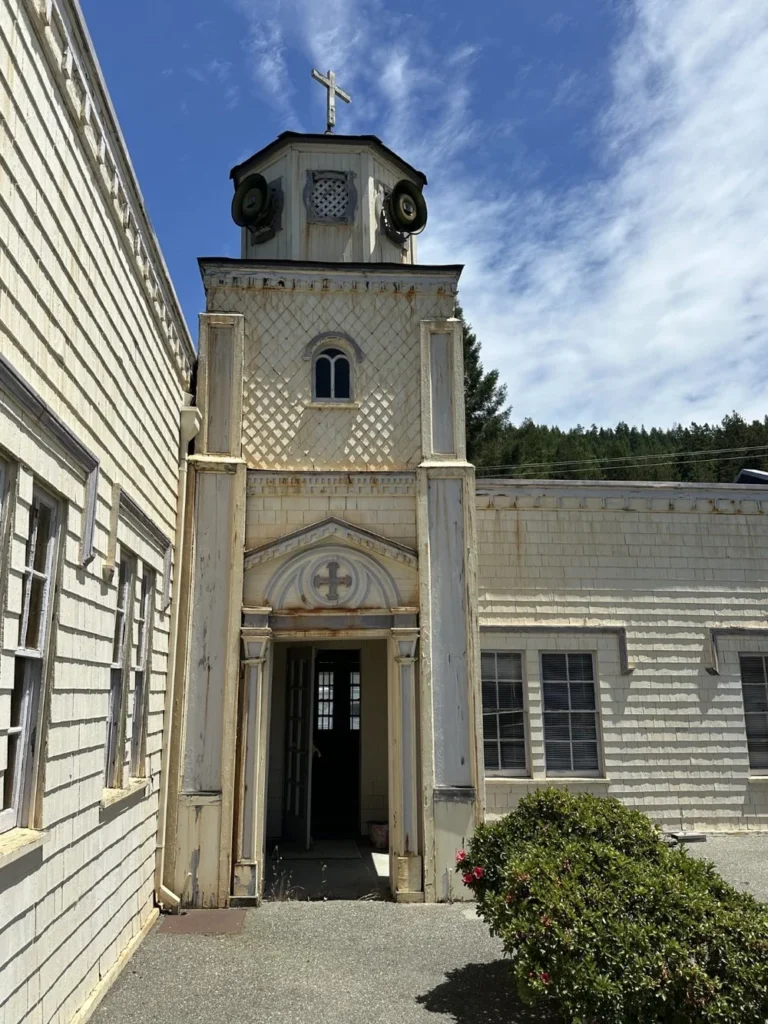
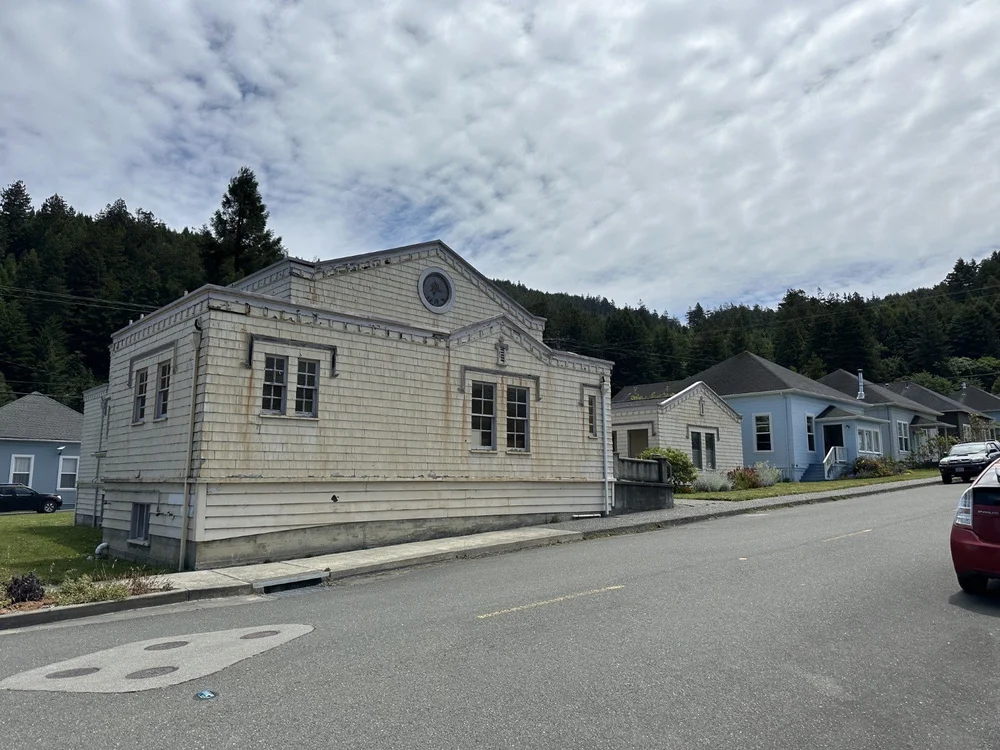
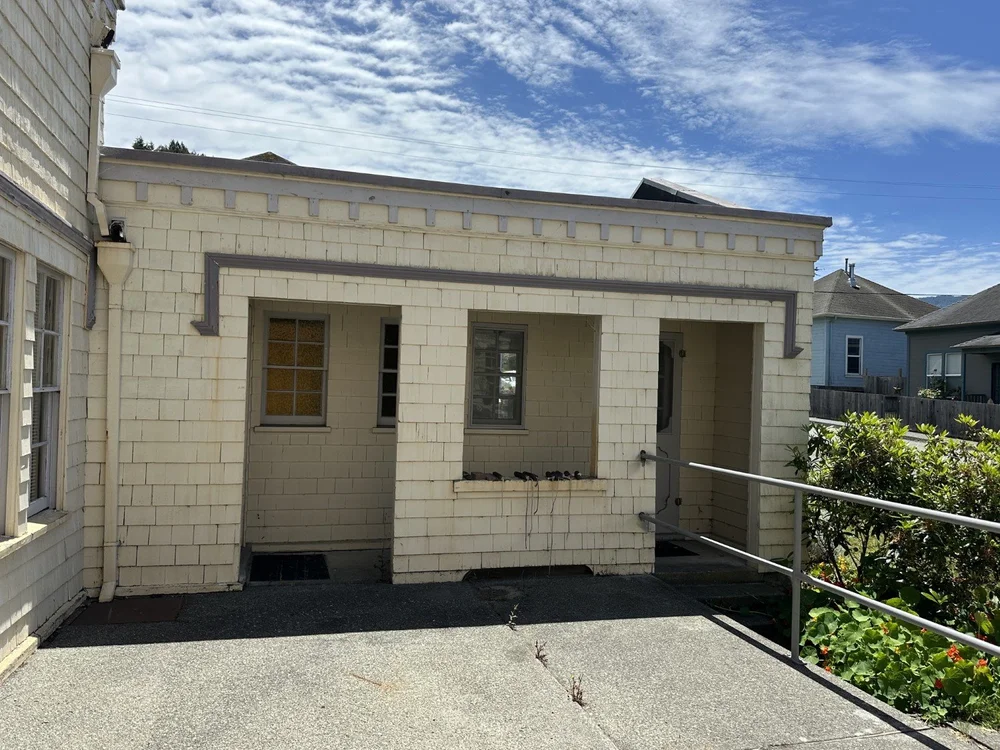
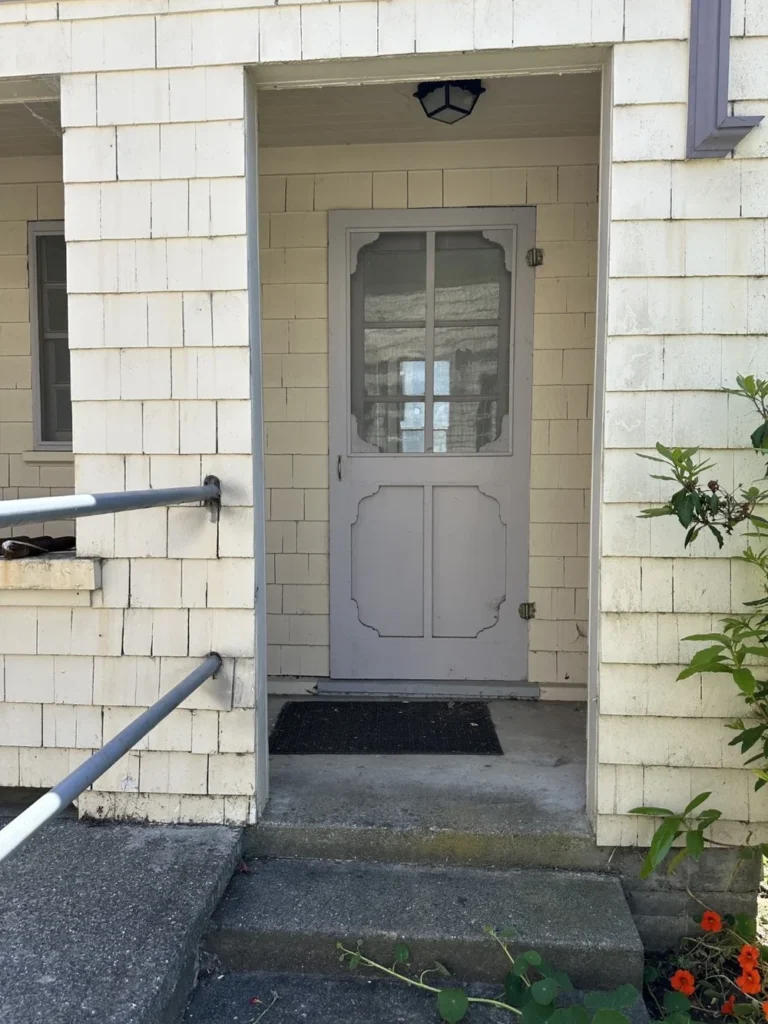
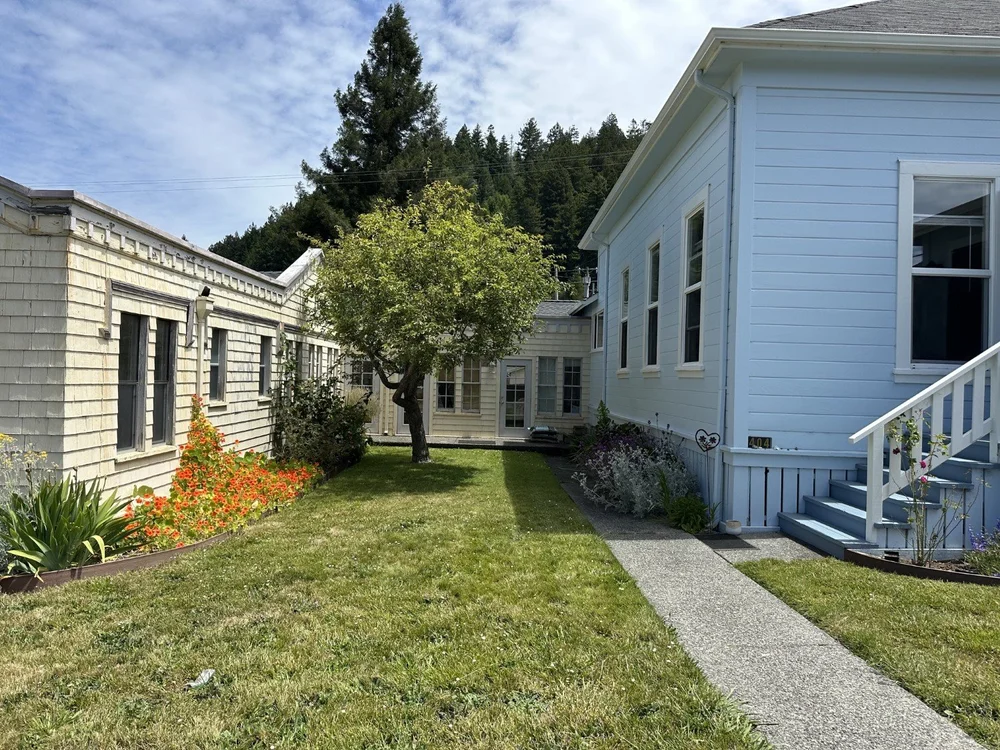
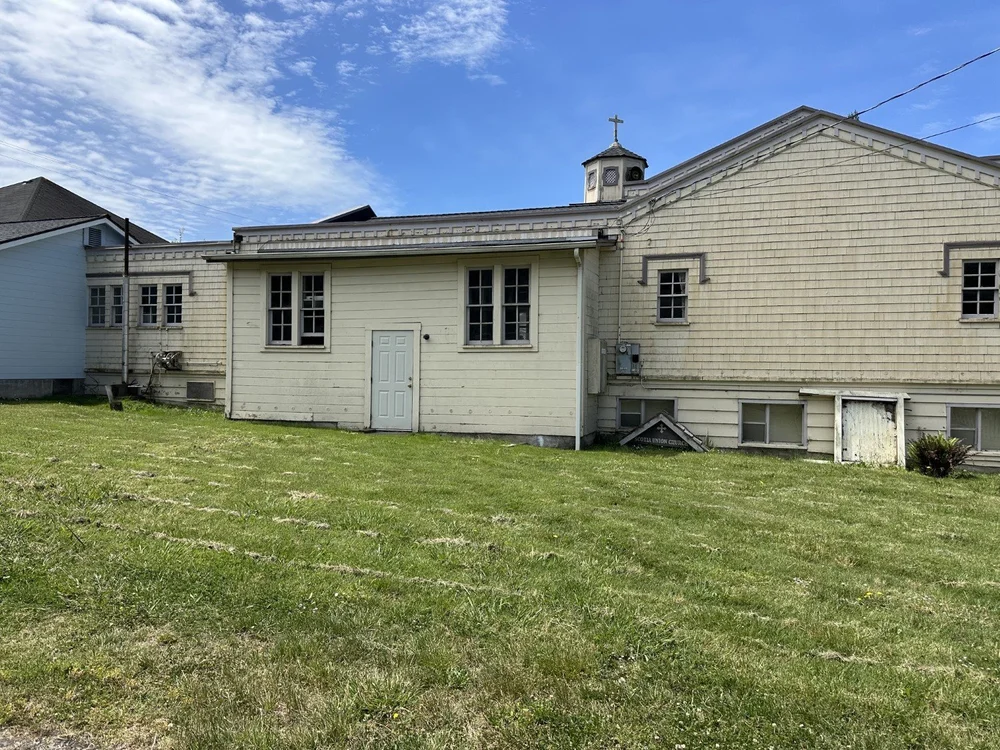
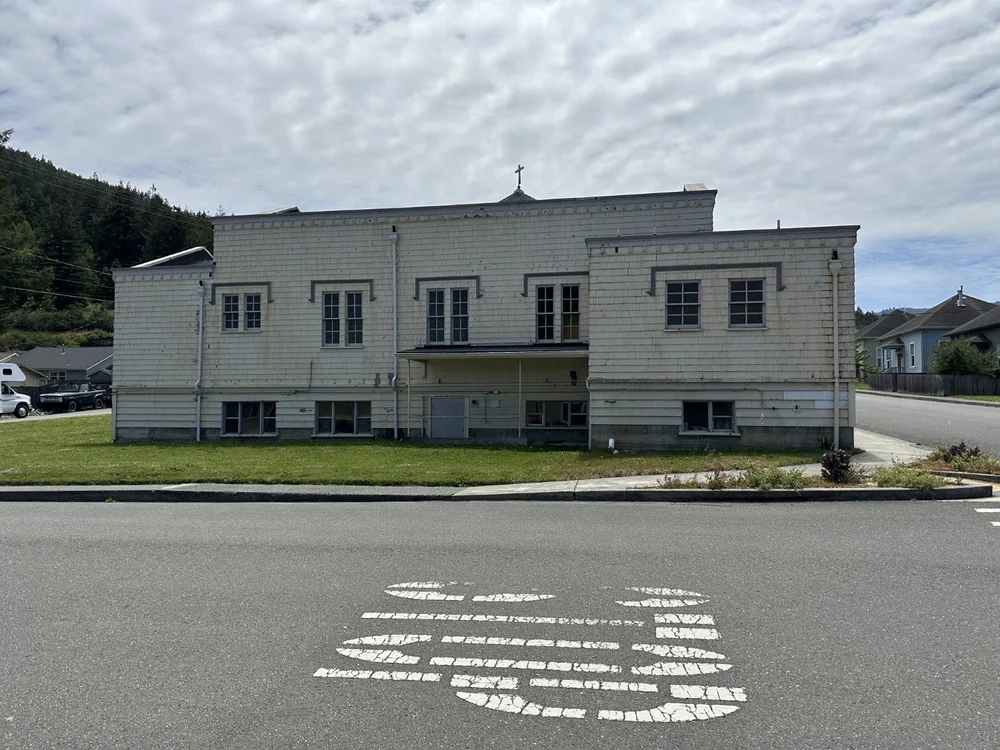
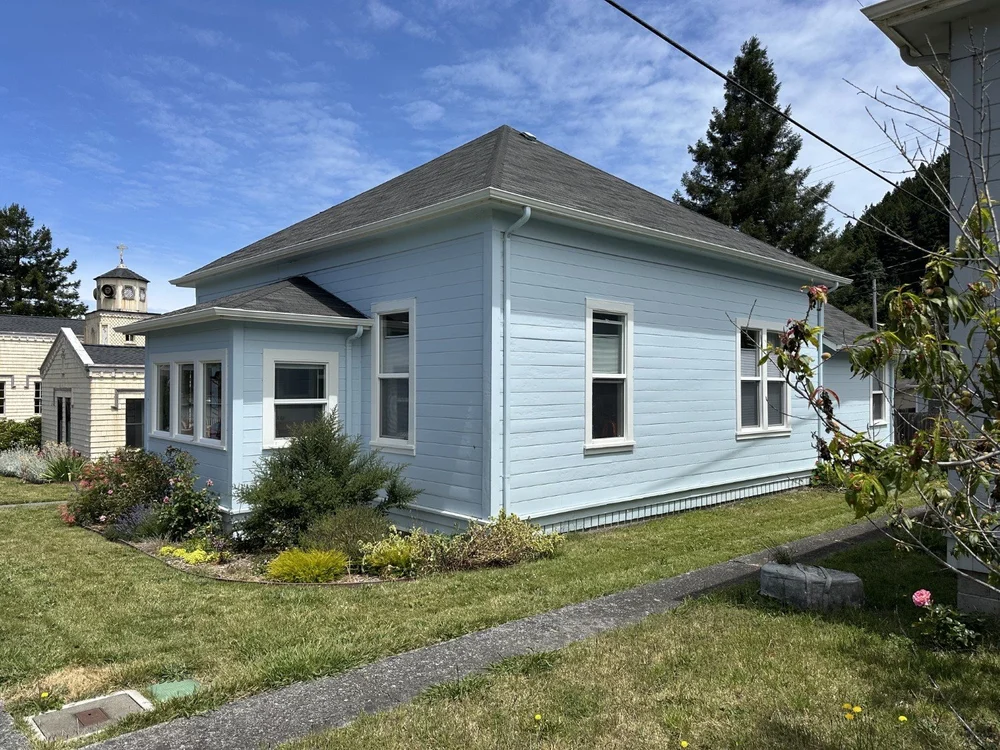
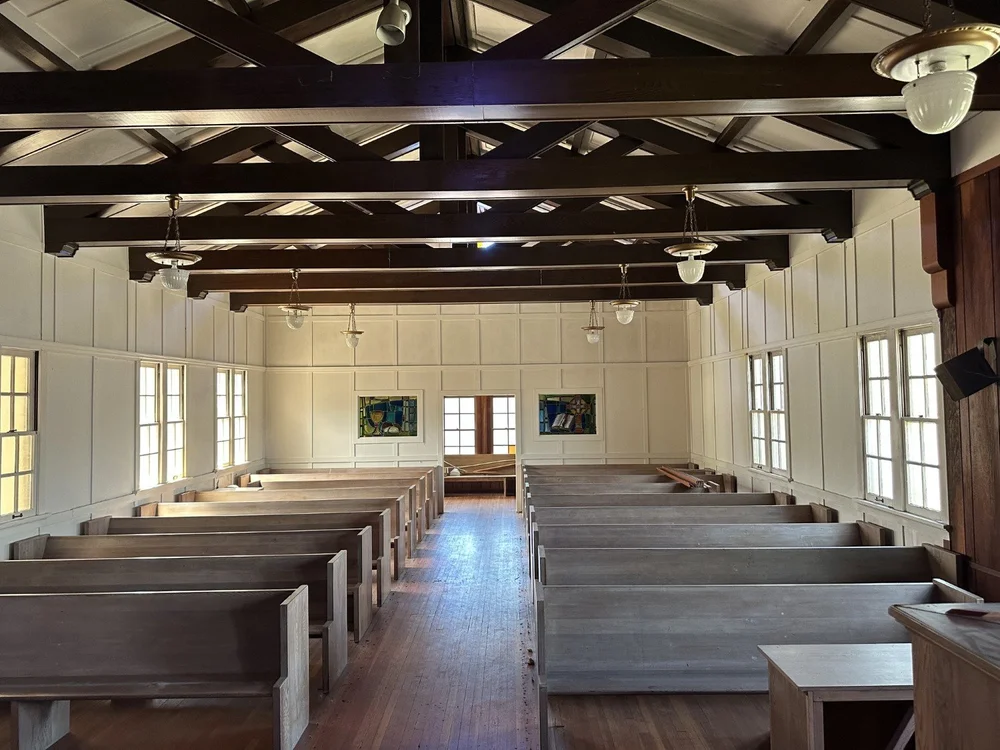
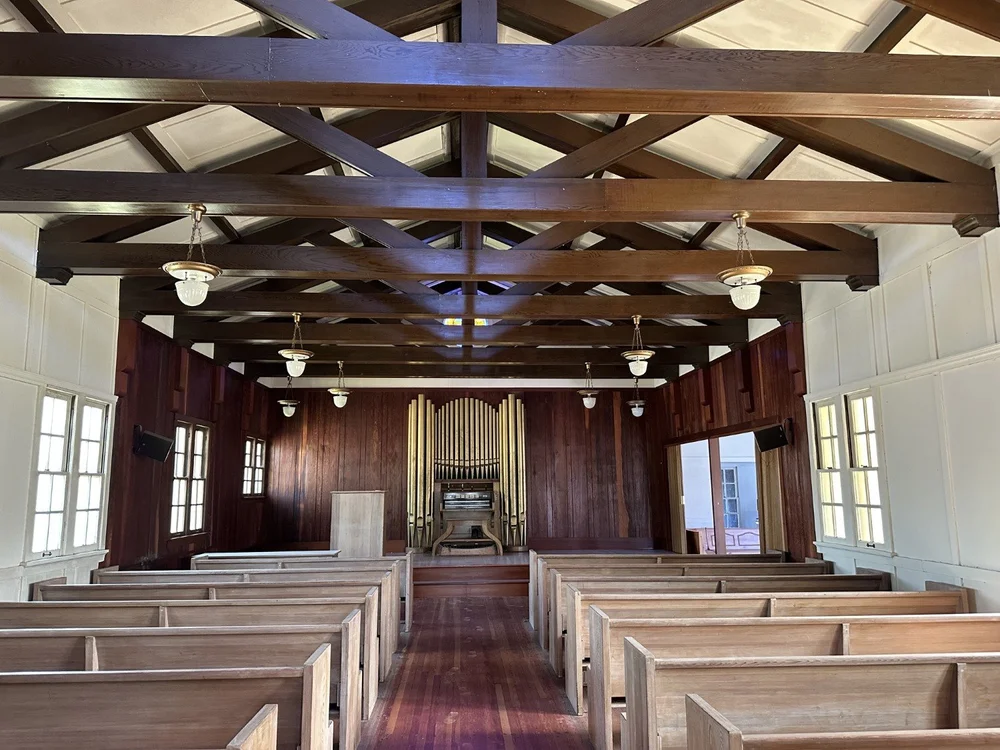
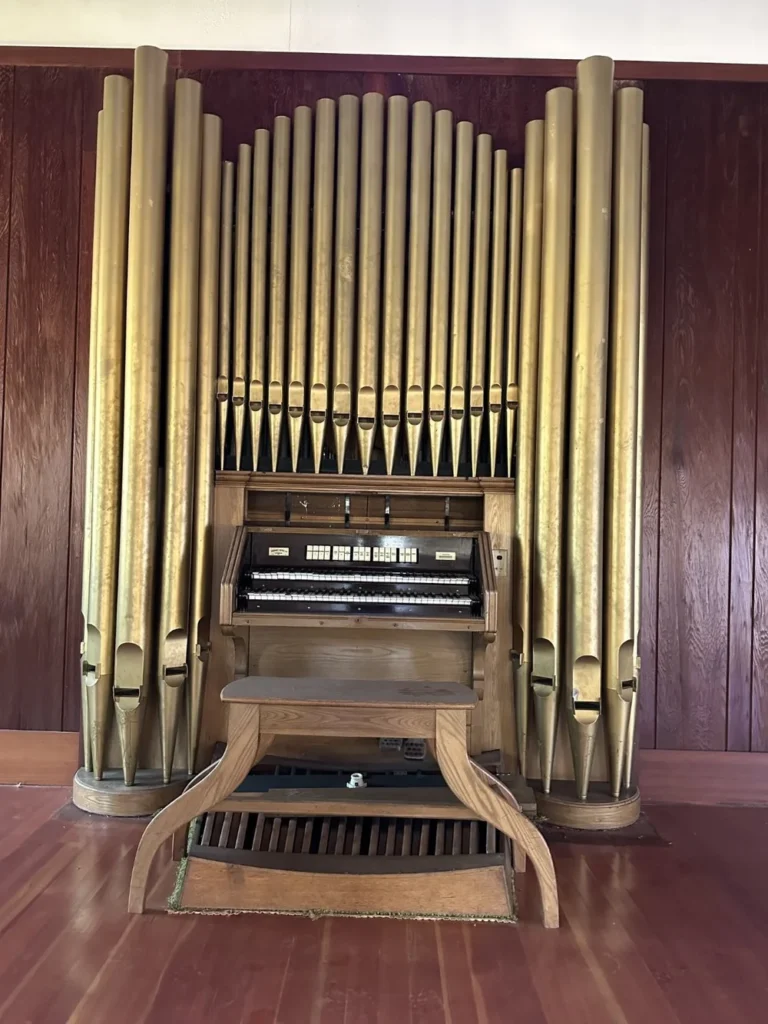
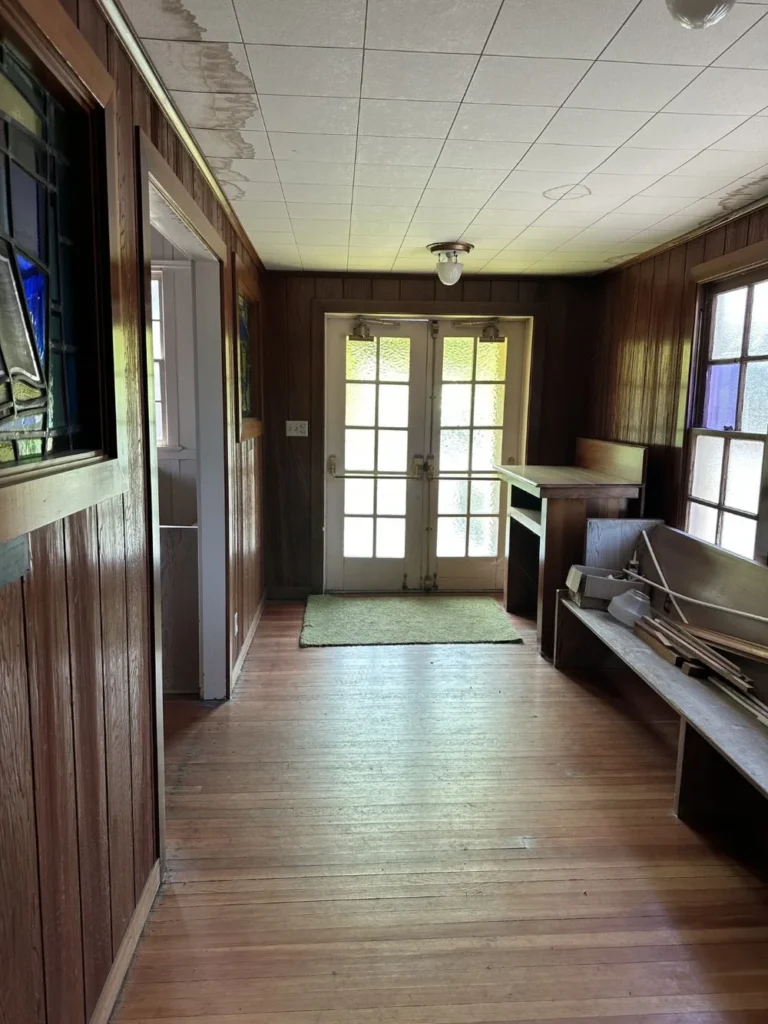
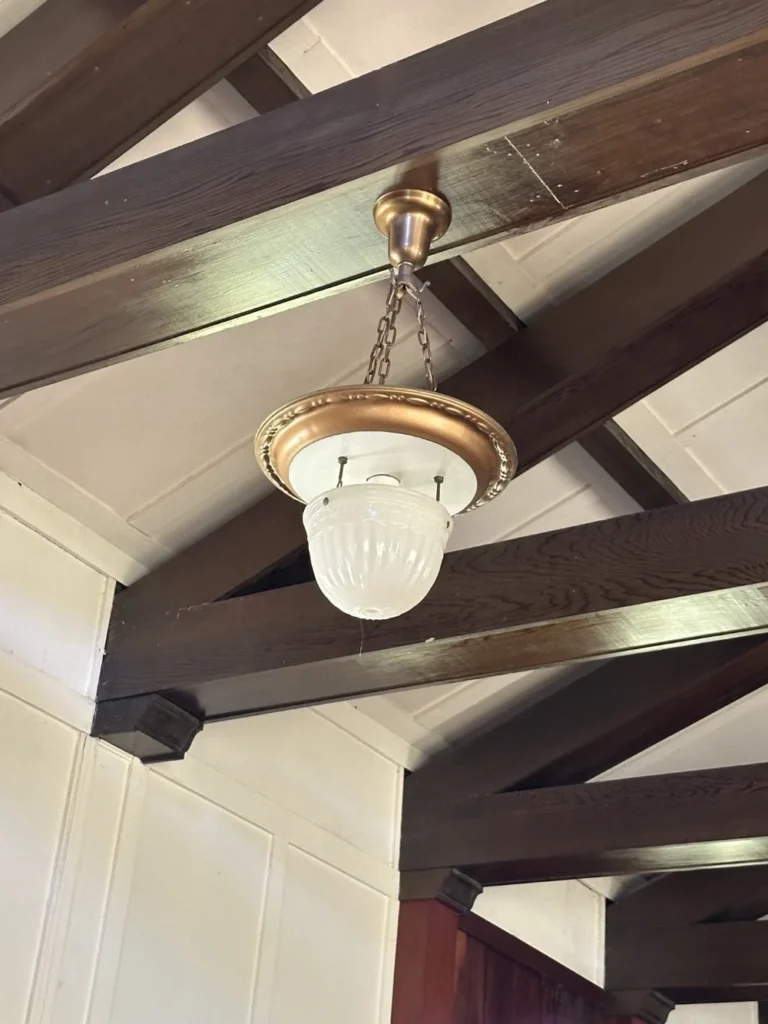
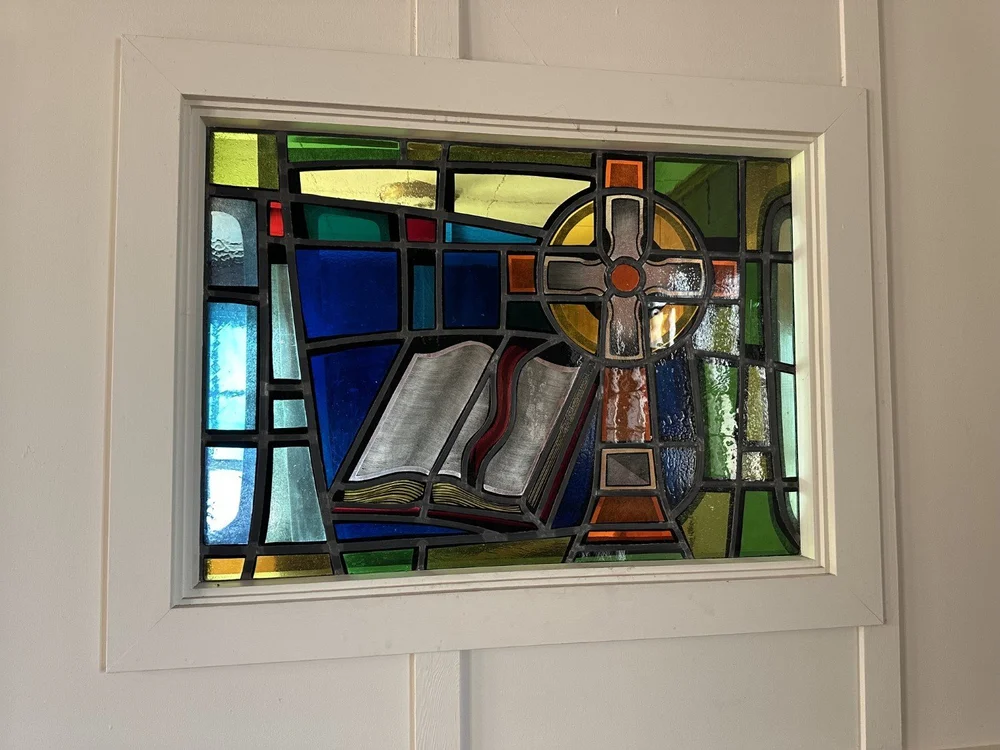
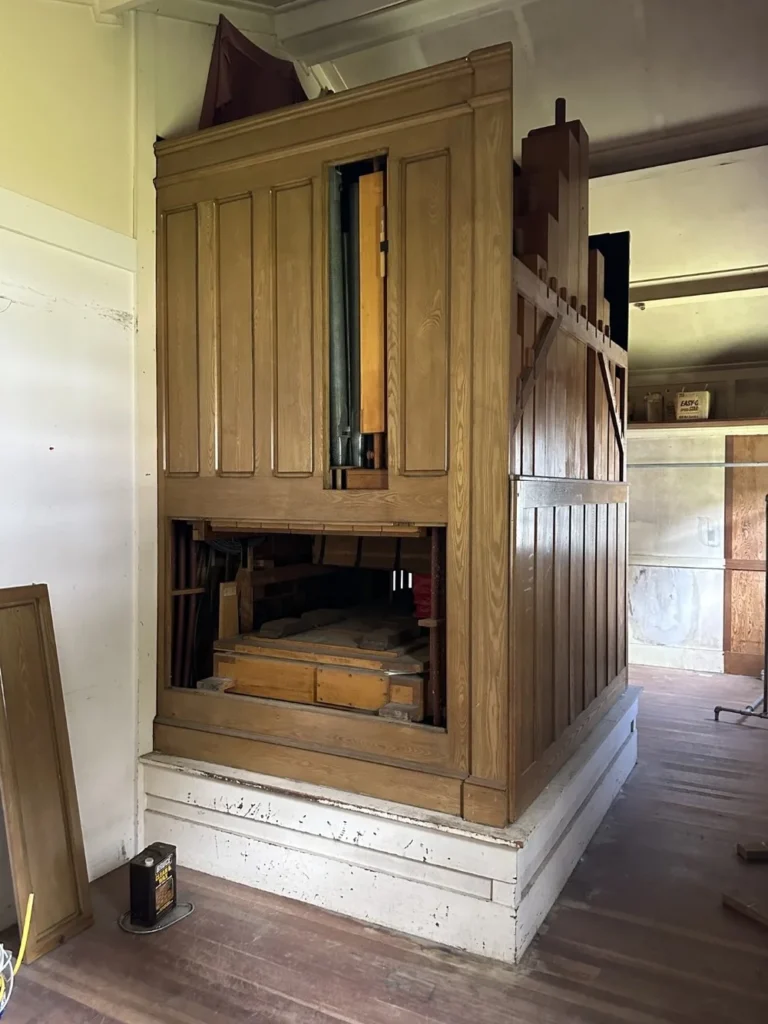
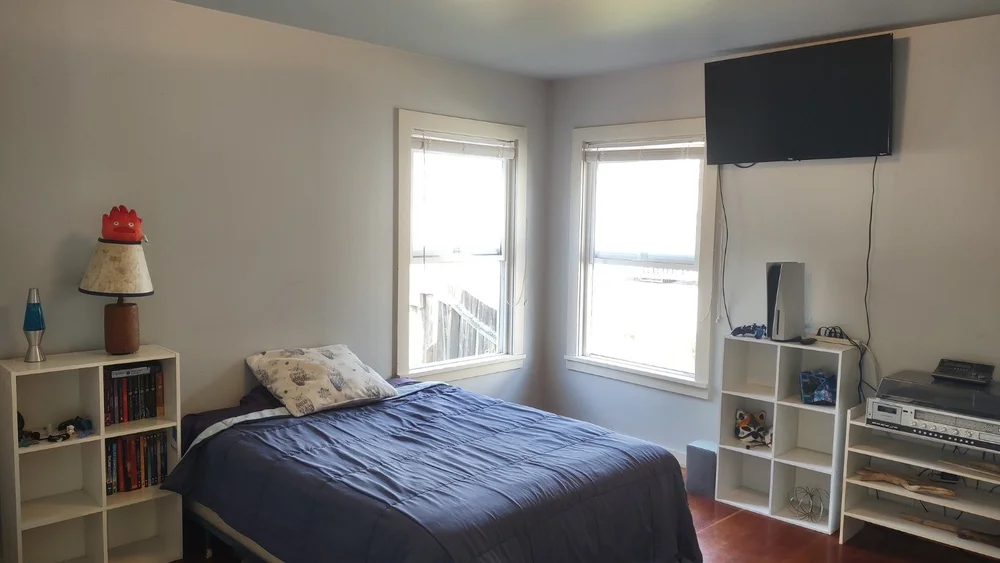
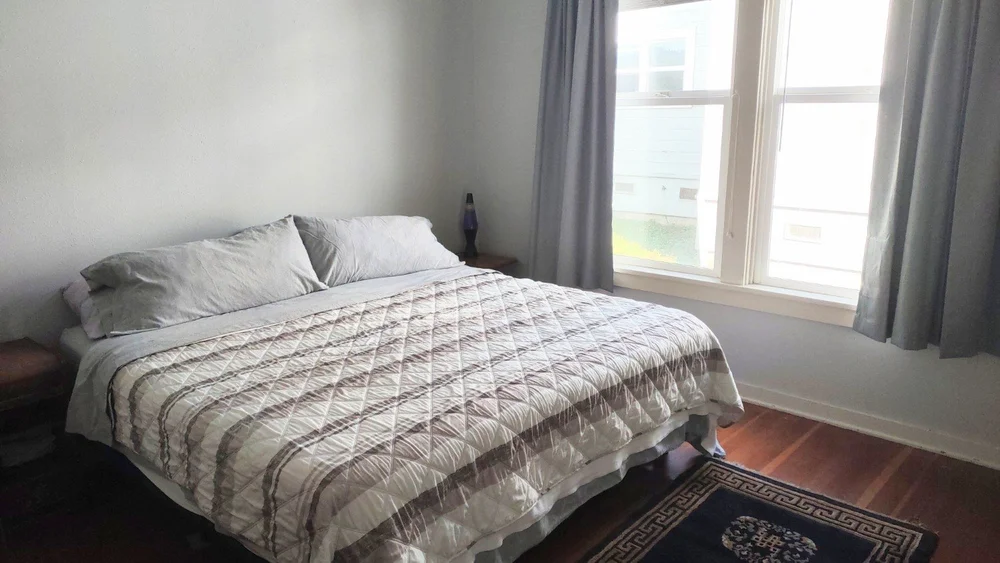
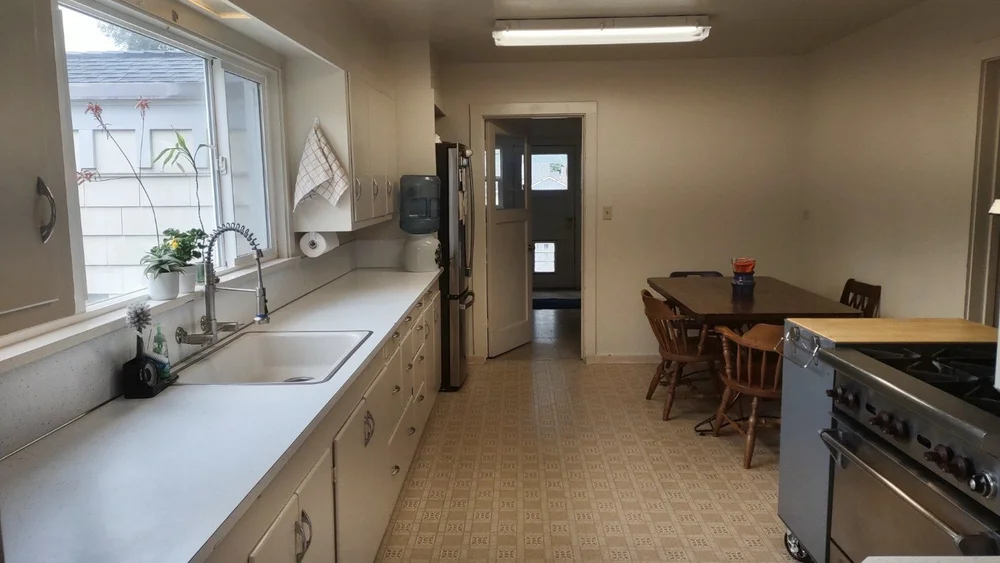
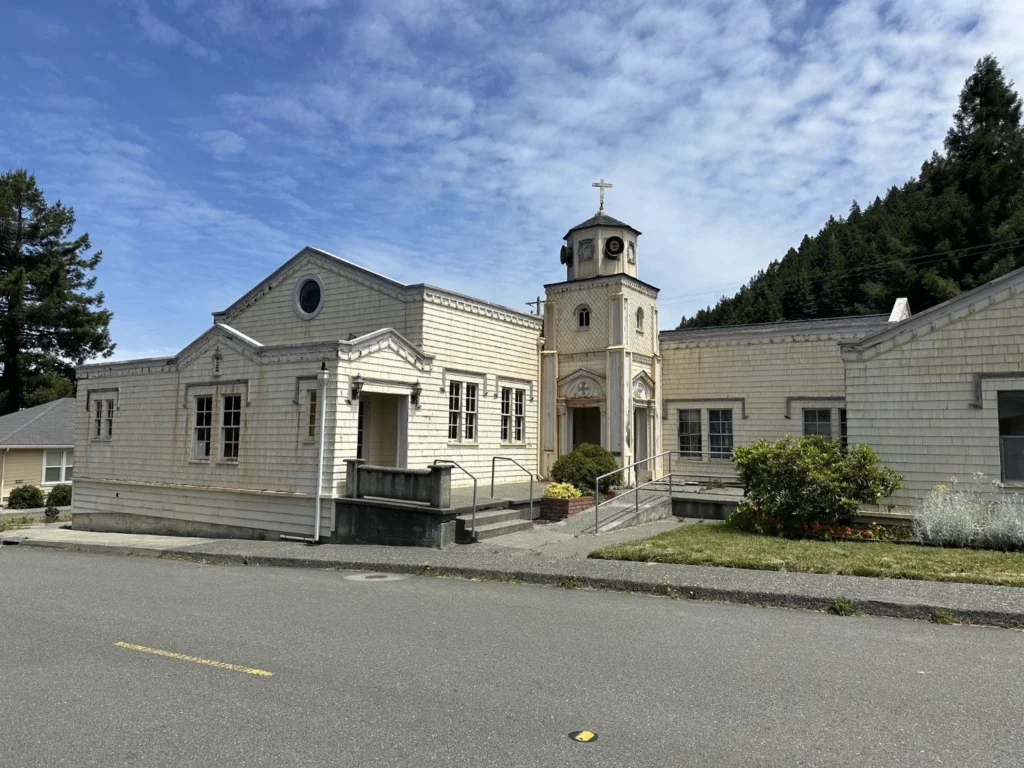
Architectural Beauty That Defines the Property
Prairie Style Influence
The Prairie Style remains one of America’s most influential architectural movements.
Popularized during the early twentieth century, it emphasized:
- Horizontal lines
- Open interior spaces
- Natural materials
- Strong connection to the surrounding landscape
- Functional yet elegant design
Many Prairie-style homes were inspired by the work of architects such as Frank Lloyd Wright.
This property showcases several of those defining characteristics.
Exterior Features
From the outside, visitors notice:
- Broad rooflines
- Symmetrical design elements
- Large windows
- Distinctive historic detailing
- Strong visual presence on the street
Even after more than a century, the structure maintains a sense of dignity and permanence.
Unlike a decaying mansion slowly disappearing beneath vegetation, this property remains a visible reminder of local history.
Interior Space
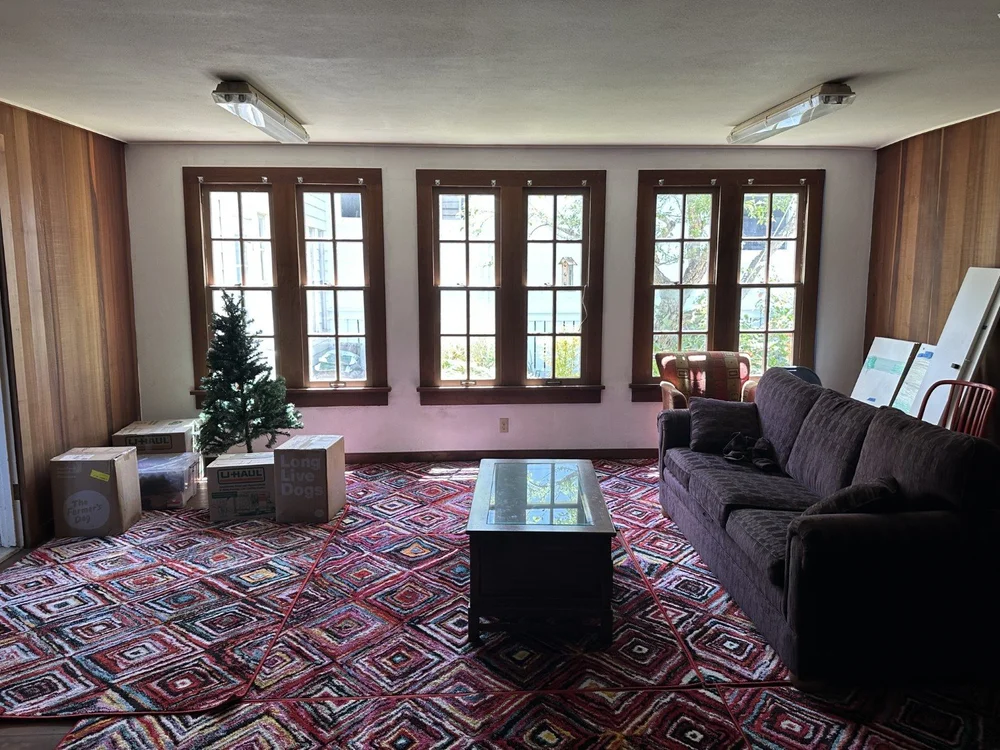
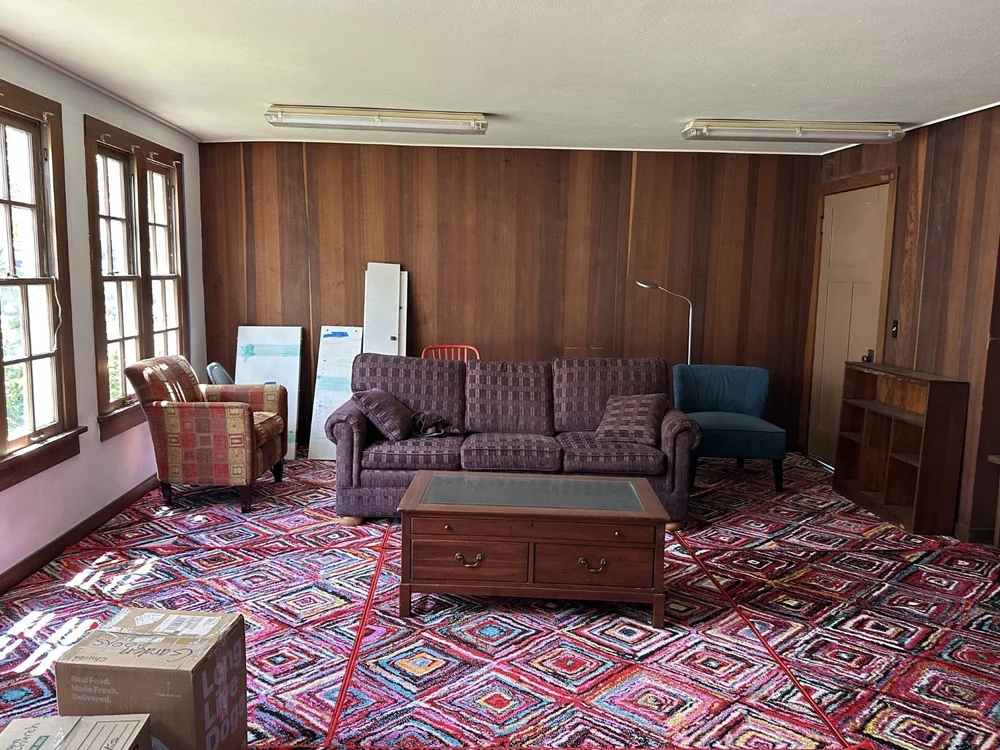
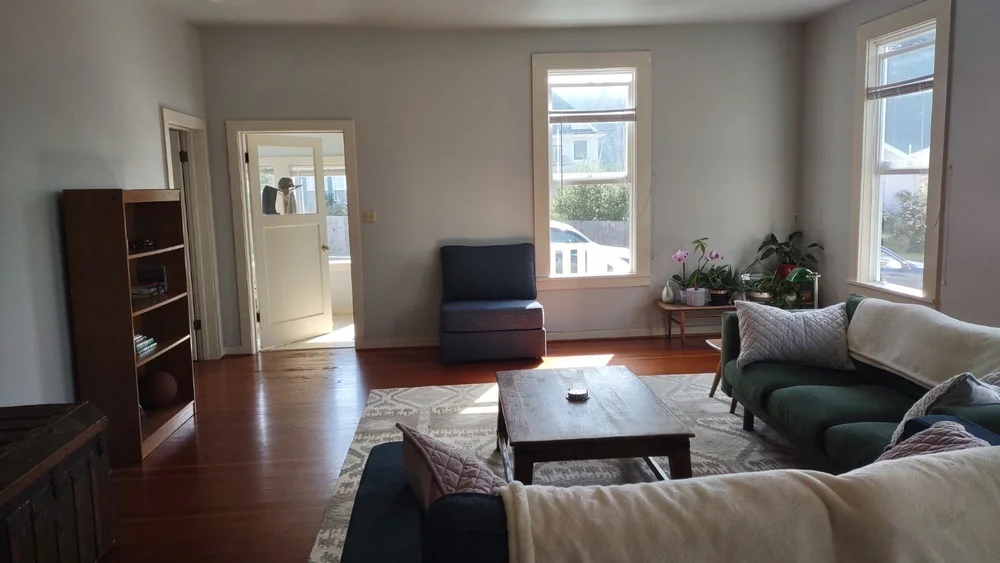
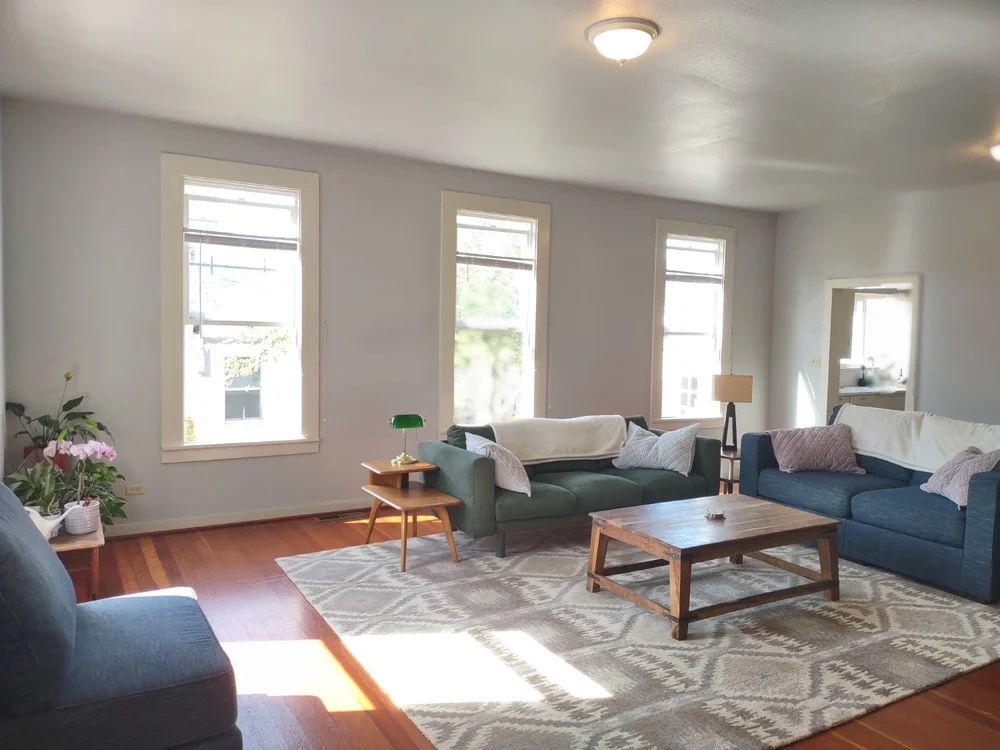
The interior includes:
- 5 bedrooms
- 4 bathrooms
- 4,479 square feet of living space
- Multiple gathering areas
- Historic architectural details
The generous layout reflects a time when homes were designed for large families and community-oriented living.
A Building That Escaped the Fate of Many Historic Structures
Across North America, countless historic properties have disappeared.
Some became abandoned manors.
Others transformed into forgotten properties.
Many eventually fell into disrepair.
The reasons are often similar:
- Population shifts
- Rising maintenance costs
- Economic decline
- Development pressure
- Lack of preservation funding
Historic churches have faced particular challenges.
As congregations shrank or relocated, many buildings were left vacant. Some became abandoned castles of local imagination. Others sat empty for years before finding new owners.
Fortunately, this Wisconsin property followed a different path.
Rather than becoming another neglected landmark, it remained standing and continued serving a purpose.
Hidden Details That Reveal Its Past
One of the most fascinating aspects of historic buildings is the evidence they leave behind.
Even when carefully maintained, traces of earlier eras remain visible.
Original Craftsmanship
Older structures often contain features that would be difficult and expensive to recreate today:
- Handcrafted woodwork
- Detailed trim
- Original masonry
- Historic windows
- Custom-built architectural elements
These details create character that modern construction often lacks.
Layers of History
Every generation leaves its mark.
Paint colors change.
Rooms evolve.
Layouts adapt.
Yet beneath those updates, the original vision usually remains visible.
This property is no exception.
Walking through a building of this age is like moving through a living timeline.
The Atmosphere Inside a Historic Property
Historic homes create a feeling that is difficult to describe.
It is not simply nostalgia.
It is the awareness that thousands of ordinary moments occurred within the same walls.
Children grew up here.
Families gathered here.
Communities changed around it.
Unlike an abandoned château overtaken by nature or a forgotten estate hidden from public view, this building remains connected to the present.
Yet it still carries echoes of the past.
Visitors often notice:
- Original wood textures
- Natural light through historic windows
- Distinctive room proportions
- Quiet architectural details
- A sense of permanence
These elements contribute to the property’s unique atmosphere.
Comparing Historic Churches to Other Forgotten Properties
Historic church conversions occupy a special place within preservation efforts.
They differ significantly from:
- Abandoned castles
- Historic ruins
- Forgotten estates
- Decaying mansions
- Abandoned manors
Why?
Because churches were designed to bring people together.
Their architecture often reflects community values rather than private wealth.
This creates a different emotional experience.
While a forgotten mansion may tell the story of one family, a historic church often reflects the history of an entire town.
Preservation and Cultural Significance
Why Historic Buildings Matter
Preservation serves several important purposes.
Historic structures help communities:
- Maintain local identity
- Protect architectural heritage
- Encourage tourism
- Support education
- Connect generations
Organizations such as the National Trust for Historic Preservation advocate for protecting significant historic properties across the United States.
These efforts ensure that future generations can experience authentic pieces of history.
Community Impact
Historic buildings contribute to community character.
When they disappear, a town often loses part of its story.
Properties like this one help preserve that connection.
Current Condition and Real Estate Information
Today, the property presents a unique opportunity for buyers interested in historic architecture.
Property Overview
- Bedrooms: 5
- Bathrooms: 4
- Interior Area: 4,479 sq ft
- Lot Size: 0.34 acres
- Year Built: 1915
- Style: Prairie
- State: Wisconsin
- Price: $499,500
Listing Information
- Brokerage: Wayne Hayes Real Estate LLC
- Agent: Steve Mode
- Office: Fort Atkinson, Wisconsin
The property remains a striking example of early twentieth-century design and craftsmanship.
Unlike many historic buildings that face uncertain futures, it continues to attract interest from buyers who appreciate architectural heritage.
Similar Historic Properties Worth Exploring
Readers interested in properties like this may also enjoy exploring other stories featured on Abandoned.blog.
Related articles include:
- The Telfer-Gillard House: A 1914 Prairie Style Forgotten Estate in Fort Atkinson, Wisconsin
- Inside Japan’s Fukushima Abandoned Mansion: A Luxury Home Frozen Since 2011
- 7 Haunting Secrets of This Forgotten Kansas Estate Near Norway, KS
- Inside the Abandoned Murder Mansion With 4 Cars Left Behind
- Abandoned Billionaire Mansion — Everything Left Inside for Years
These properties reveal how architecture, history, and changing communities shape the stories behind forgotten places.
The Enduring Appeal of Historic Architecture
Why do people remain fascinated by historic buildings?
Part of the answer lies in authenticity.
Modern construction often prioritizes efficiency.
Historic buildings prioritize craftsmanship.
Their materials, layouts, and details tell stories that cannot be duplicated.
Whether exploring a forgotten property, studying an abandoned manor, or restoring a historic residence, people are often searching for a connection to the past.
This property offers exactly that.
It stands as a reminder that architecture can survive long after the world around it changes.
Conclusion
The 1904 Church in Scotia, California represents far more than an unusual real estate listing. Despite the title’s reference, the featured Wisconsin property embodies the same qualities that make historic buildings so captivating: craftsmanship, history, and resilience.
With its Prairie-style architecture, spacious interior, and century-long story, it avoids the fate of many abandoned castles, forgotten estates, and decaying mansions that have vanished over time.
Instead, it continues to stand as a meaningful piece of local heritage. For anyone fascinated by historic architecture, preservation, and forgotten places, the 1904 Church in Scotia, California remains a compelling reminder that the past still lives within the buildings we choose to preserve.
Frequently Asked Questions
Is the 1904 Church in Scotia, California actually located in California?
The title references Scotia, California, but the property information provided identifies the featured building as being located in Fort Atkinson, Wisconsin.
When was the property built?
The structure was built in 1915 and reflects the Prairie architectural style popular during the early twentieth century.
How large is the property?
The home offers 4,479 square feet of interior living space on a 0.34-acre lot.
How many bedrooms and bathrooms does it have?
The property includes five bedrooms and four bathrooms.
What architectural style is the building?
The property was designed in the Prairie Style, a movement closely associated with early twentieth-century American architecture.
Why are historic church conversions popular?
Historic church conversions offer unique architectural features, large interior spaces, and a connection to local history that many modern homes cannot replicate.