Introduction
There is a moment, standing at the door of an abandoned estate, when time seems to stop.
The paint is cracked. The knob is cold. And somewhere beyond that threshold, a forgotten era is still waiting — frozen mid-sentence, as if the family simply stepped out and never returned.
This feeling is what draws historians, photographers, and quiet wanderers to abandoned properties across Europe and beyond. Not for the thrill. For the truth.
Because behind every door of a forgotten estate, there is a story that no one thought to write down. A life left in fragments. A century pressed between the floorboards.
And those fragments matter more than most people realize.
The Pull of the Abandoned: Why We Look
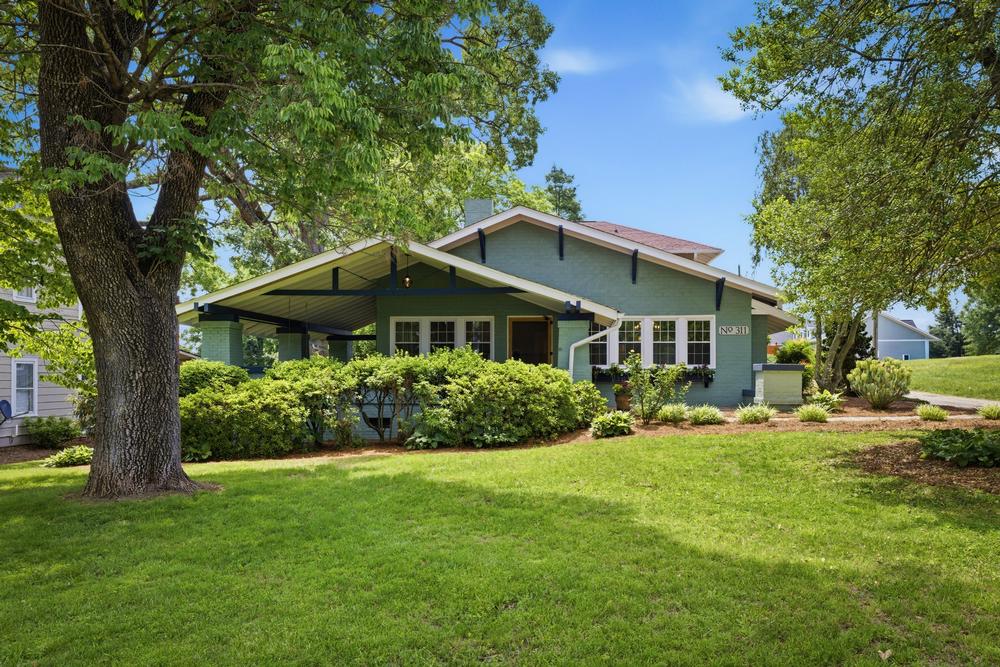
People often ask why anyone would seek out decay.
The honest answer is that abandoned places carry something intact buildings rarely do: unfiltered time.
A restored château tells you what someone decided the past should look like. A forgotten estate tells you what the past actually looked like — dust, rot, and all. There is no curator here. No filtered light. Just the real shape of how things were left.
That authenticity is rare. And it is deeply human to want it.
For those who study heritage and architectural history, these places are living archives. The wallpaper patterns, the door hardware, the layout of rooms — every detail is a document. One that would be lost forever if no one stopped to look.
A Forgotten Era Built in Stone and Mortar
Most of the abandoned estates that capture attention today were built between the mid-1800s and the early 1900s. This was a period of extraordinary confidence in architecture.
Families of means built to impress — not just their neighbors, but posterity itself.
What that era gave us:
- Grand entrance halls with double staircases
- Elaborately plastered ceilings in every principal room
- Libraries lined floor-to-ceiling with built-in shelving
- Walled kitchen gardens that fed dozens of servants and guests
- Stable blocks larger than most modern homes
The craftsmanship was not decorative. It was structural identity. Every archway told you who owned the place and what they believed about themselves.
Walking through a forgotten estate today, you can still read those beliefs. They are pressed into every cornice and carved into every mantelpiece.
How Estates Fell Silent
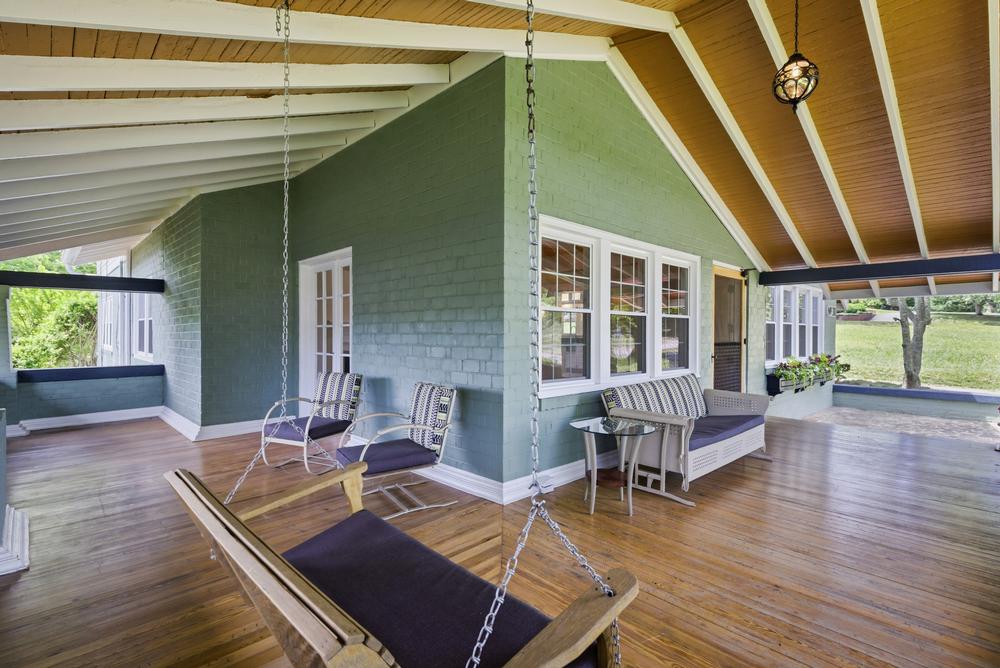
The silence didn’t come all at once.
For most great houses, abandonment happened in stages — across decades rather than overnight.
The typical arc looked something like this:
- Death of the original family patriarch — and with it, the income and social structure that sustained the estate
- World War inheritance collapse — many British and European estates lost their male heirs in the First and Second World Wars, leaving properties without successors
- Crippling taxation — death duties introduced in the late 19th and 20th centuries made it financially impossible for families to retain large properties
- Seasonal reduction — families retreated to smaller wings or sold off farmland to cover costs
- Final closure — the last resident left, the doors locked, and the clocks stopped
Some properties passed through several owners before being left entirely. Others remained in family hands long after they were liveable, held more from sentiment than practicality.
A few, like Appuldurcombe House on the Isle of Wight, suffered additional blows — bomb damage during wartime that made full restoration economically impossible. What was already fragile became irreparably broken.
What the Doors Are Still Hiding
This is where the forgotten era becomes tangible.
When an estate is left quickly — or when it declines slowly over generations — the contents often stay in place. And those contents are extraordinary in their ordinariness.
The Everyday Left Behind
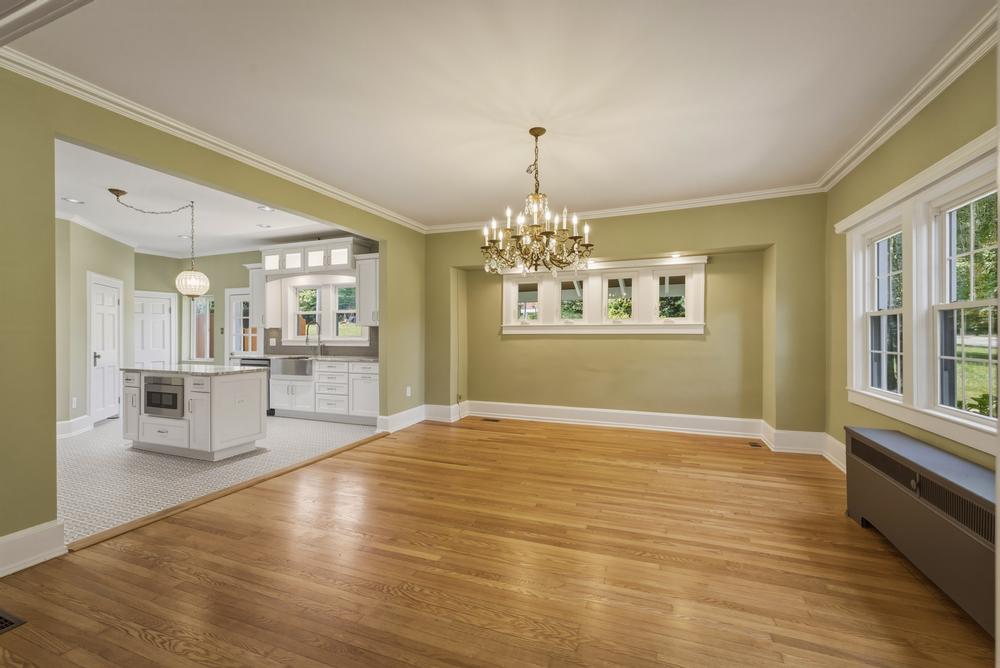
Walk into the right abandoned manor and you might find:
- A writing desk still holding a glass inkwell, long dried out
- Stacks of correspondence tied with ribbon that has faded from red to pink
- A kitchen calendar stopped on a month in the 1970s
- A row of servants’ bells above the kitchen door, their labels still legible: Study. Drawing Room. Master Bedroom.
- Ledger books recording household expenditure to the penny
These are not dramatic discoveries. They are intimate ones.
They tell you how large a household’s coal order was in November. They tell you that the cook was paid less than the butler. They tell you that someone once sat at that desk and wrote a letter they may never have sent.
The forgotten mansion that still holds everything inside is not a fantasy. It is a documented reality, and it happens more often than people expect.
The Objects Nobody Planned to Leave
There is a category of abandoned object that is harder to explain than the practical items.
Personal photographs still in their frames. A child’s shoe beneath a wardrobe. A half-finished piece of embroidery on a chair. A wine glass, unwashed, sitting on a windowsill with a ring of dried residue still inside it.
These items suggest not neglect but interruption. Something happened that was never expected. And no one came back to collect what was left.
Architecture and Design: Reading the Rooms
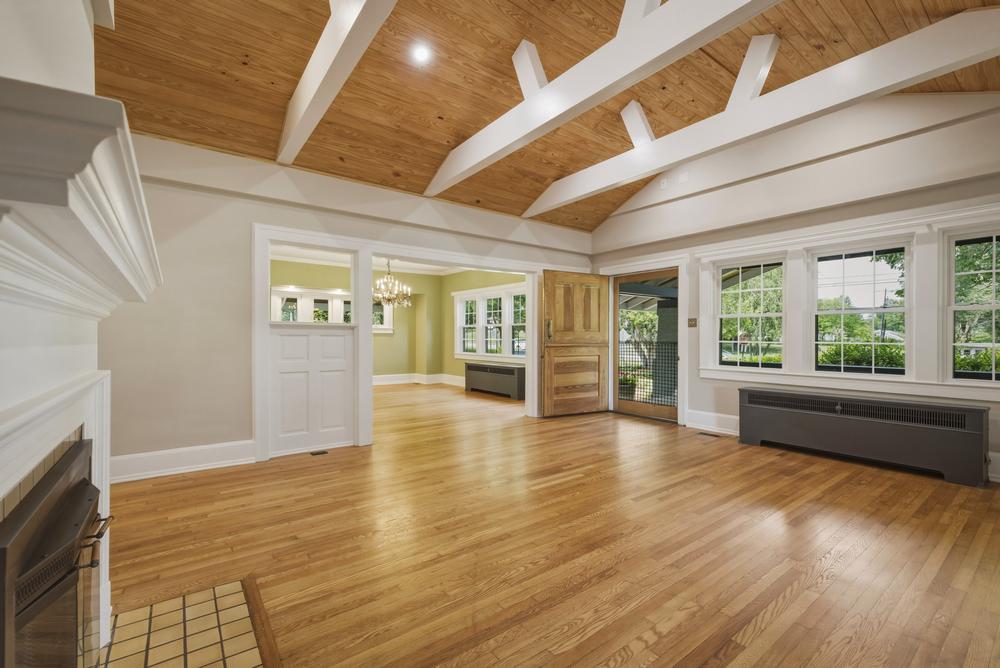
For those with an eye for architectural history, abandoned estates are extraordinary documents.
What to Look for in a Forgotten Estate
Ceiling height — Principal rooms in grand estates were designed with ceilings of fourteen feet or more. This was partly aesthetic, partly practical: heat rises, and a tall room stayed cooler in summer. It also signaled status. Servants’ quarters had low ceilings. Reception rooms did not.
Floor materials — Original floorboards in these properties were often laid in wide planks of oak or pine, cut from old-growth timber that no longer exists in commercial quantities. Beneath decades of grime, the wood grain is still remarkable.
Fireplace surrounds — Every room of consequence had one. They range from simple painted wood in secondary bedrooms to elaborate carved marble in drawing rooms. The mantelpiece was the focal point of the room and was selected accordingly.
Window proportions — Sash windows in these buildings were designed to let in maximum light while maintaining thermal performance. Their proportions — tall and narrow, or wide and tripartite — were not accidental. They were governed by rules of classical design that took precedence over convenience.
Properties like the Telfer-Gillard House in Fort Atkinson, Wisconsin show how these design principles played out even in American estates of the same period — where Prairie Style architects adapted European sensibilities to a completely different landscape and social context.
The Atmosphere of Decay
Decay has a particular smell.
It is not unpleasant — not exactly. It is damp plaster and old paper. It is wood releasing decades of absorbed moisture. It is the specific stillness of air that has not been disturbed for years.
The light in an abandoned estate is different too. Without maintained windows, glass panes cloud over with oxidation and algae. The light that comes through is diffused, soft, and slightly green — like being underwater, or inside a greenhouse gone wild.
Sound behaves strangely. Footsteps echo in ways they wouldn’t in a furnished room. Wind finds gaps in the structure that were never meant to be there. Old buildings move at night — not for any supernatural reason, but because masonry expands and contracts with temperature, and no amount of decay changes that physics.
All of this creates an atmosphere that is genuinely unlike anything else. The closest comparison might be a cathedral: a large, quiet, acoustically complex space that carries the weight of time in its walls.
Local Legends and the Stories That Stick
Almost every abandoned estate has a story attached to it.
Some are grounded in documented history — a death, a scandal, a legal dispute that made the property unsellable for decades. Others have drifted into local mythology, where the truth has become harder to separate from the telling.
The most persistent legends tend to share certain features:
- A sudden departure — the family left overnight, or a single tragic event closed the house
- Uncollected wealth — valuables hidden and never retrieved
- A figure seen at a window — almost always in the same room, almost always at dusk
These stories serve a purpose. They explain why a place that looks so valuable could have been left so completely. They make the abandonment feel intentional, even fated. Human psychology finds it easier to accept mystery than mundanity.
The more interesting truth — that estates were usually lost to tax changes, war casualties, and economic shifts — is less cinematic. But it is more haunting when you really understand it.
For more on the intersection of fame, fortune, and decay, the story of abandoned celebrity mansions follows a strikingly similar arc to these older properties — wealth that seemed permanent, and then didn’t.
Current Conditions: What Happens to Forgotten Properties
The trajectory of an abandoned estate, once it reaches a certain point of decay, follows one of four paths.
Restoration — A buyer with sufficient resources and genuine commitment to heritage undertakes a full restoration. This is expensive, slow, and rare. When it happens, it is worth celebrating.
Partial conversion — The property is subdivided. The stable block becomes holiday cottages. The main house becomes apartments. The walled garden is sold separately. The whole is lost, but parts survive.
Managed ruin — In some cases, particularly in the UK, heritage bodies such as English Heritage take on properties as managed ruins. The structure is stabilized enough to be safe to visit, but not restored. Appuldurcombe House is a rare and well-documented example of this outcome.
Collapse — Without intervention, the building deteriorates past the point of economic recovery. Roofs fail first. Once the roof is gone, moisture destroys everything. Within a generation, the estate that once took decades to build can be reduced to rubble.
The Historic England register of at-risk buildings documents thousands of properties in various stages of this process. The list is long, and it grows each year.
Cultural and Historical Significance
These buildings are not just beautiful ruins.
They are primary sources.
The social history of the nineteenth and early twentieth century is embedded in their design. The relationship between employer and servant is legible in the architecture — the separate staircases, the below-stairs kitchen quarters, the narrow corridors that servants used to move invisibly through the house.
The economic history of two world wars is written in the ledger books left on desks. The agricultural history of their regions is visible in the outbuildings and kitchen gardens.
And the personal histories — the families, the children, the staff who spent their working lives there — survive in the photographs, the letters, and the objects still waiting to be found.
That is what a forgotten era really means in practice. Not a vague sense of oldness. But a specific, documented, recoverable human past — one that deserves to be treated with care, respect, and genuine curiosity.
Conclusion
Behind every door of a forgotten estate, the same truth is waiting.
Time did not stop here. It just slowed down to a pace we rarely experience anymore.
The cracked plaster, the rust on the ironwork, the faded paper peeling from the walls — none of it is simply decay. It is evidence. Evidence of lives lived, of a forgotten era that was once entirely the present, as urgent and ordinary as any day we live now.
These places deserve more than fascination. They deserve documentation, protection, and the kind of honest attention that prevents them from disappearing entirely.
Because once they go, they are gone.
And the stories behind those doors go with them.
Frequently Asked Questions
What is a forgotten estate? A forgotten estate is a historic property — typically a large manor house, château, or country estate — that has been abandoned and left largely untouched over time. These properties often contain original furnishings, architectural details, and personal objects from previous occupants, making them valuable records of historical domestic life.
Why do historic mansions get abandoned? Most historic properties were abandoned for practical and financial reasons: death duties and inheritance taxes made them unaffordable; the decline of agricultural income removed their economic foundation; World War losses left estates without male heirs; and changing social structures meant large household staffs were no longer viable. The causes are usually economic and demographic, not dramatic.
Is it legal to explore abandoned estates? Entry to privately owned or managed abandoned properties without permission is trespassing in most jurisdictions. The appropriate way to engage with historic ruins is through guided access, heritage organizations, or open days run by bodies such as English Heritage or local preservation trusts. Never enter a property without proper permission and appropriate safety precautions.
What makes abandoned châteaux historically significant? Abandoned châteaux and manor houses preserve unaltered architectural details, original interior fixtures, and — in some cases — intact personal belongings that document social history far more directly than restored or converted properties. They are primary historical sources in a way that renovated buildings cannot be.
How are abandoned estates preserved? Preservation methods range from full restoration (by private buyers or heritage organizations) to managed ruin status, where structures are stabilized but not rebuilt. Bodies like Historic England, the National Trust, and equivalent heritage organizations in France, Belgium, and Germany document and sometimes acquire at-risk properties. Private buyers occasionally take on restoration projects as well.
Can abandoned mansions be purchased? Yes. Abandoned estates do come to market, though the purchase price is typically lower than the eventual restoration cost. Some unique opportunities — like a 1914 Danish farmhouse listed for under $160,000 — demonstrate that historic properties can still be found at accessible price points, though significant renovation investment is almost always required.