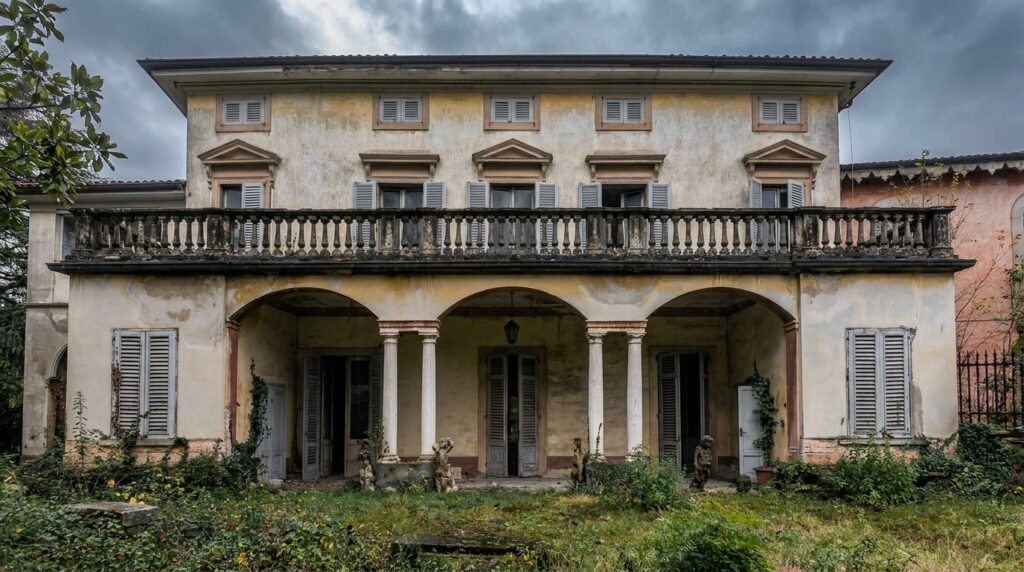
There are abandoned places you stumble across. Then there are places that stop you cold — places so beautiful, so haunted by what they once were, that you almost feel guilty for standing inside them.
Villa Siotto Pintor is one of those places. A forgotten estate so extraordinary that the photographers who first documented it refused to publish their images. Not out of fear. Out of protection.
They didn’t want anyone to find it. And honestly? You’ll understand why the moment you see it.
What Is Villa Siotto Pintor?
Villa Siotto Pintor is a grand Italian villa, photographed in 2019 by urban explorers who described it without hesitation as one of the most beautiful abandoned estates they had ever seen.
That’s not a small claim. These were people who had crawled through dozens of crumbling buildings, forgotten châteaux, decaying manor houses, and dusty ballrooms across Europe.
Still — this one left them speechless.
The villa carries the name of two prominent Sardinian families: the Siottos and the Pintors. Both were deeply embedded in the legal and intellectual life of 19th-century Sardinia. The Pintor name in particular echoes through the island’s history — connected to jurisprudence, politics, and the aristocratic class that shaped the region during the unification of Italy.
Like many estates of its era, the villa was a statement. Architecture as identity. Elegance as power.
And then, slowly, it fell silent.
The Moment Explorers Decided Not to Share It
Here’s something that almost never happens in the urban exploration world: a team photographs an incredible location and then deliberately keeps it hidden.
That’s exactly what happened with Villa Siotto Pintor.
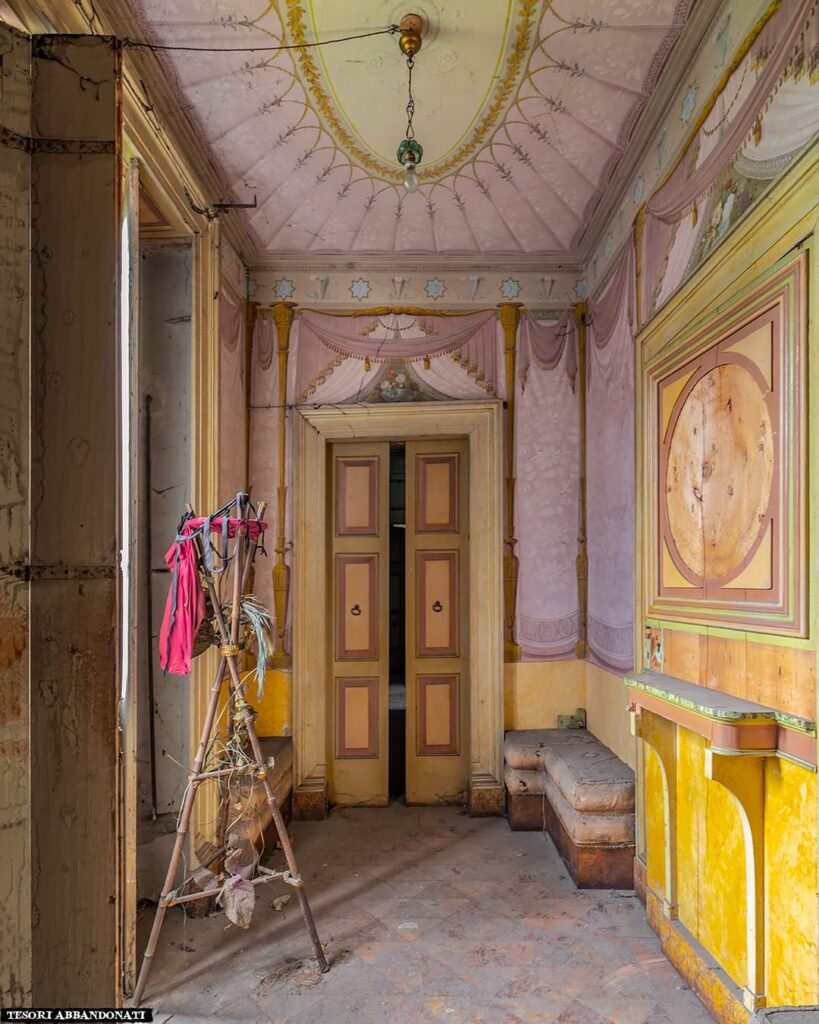
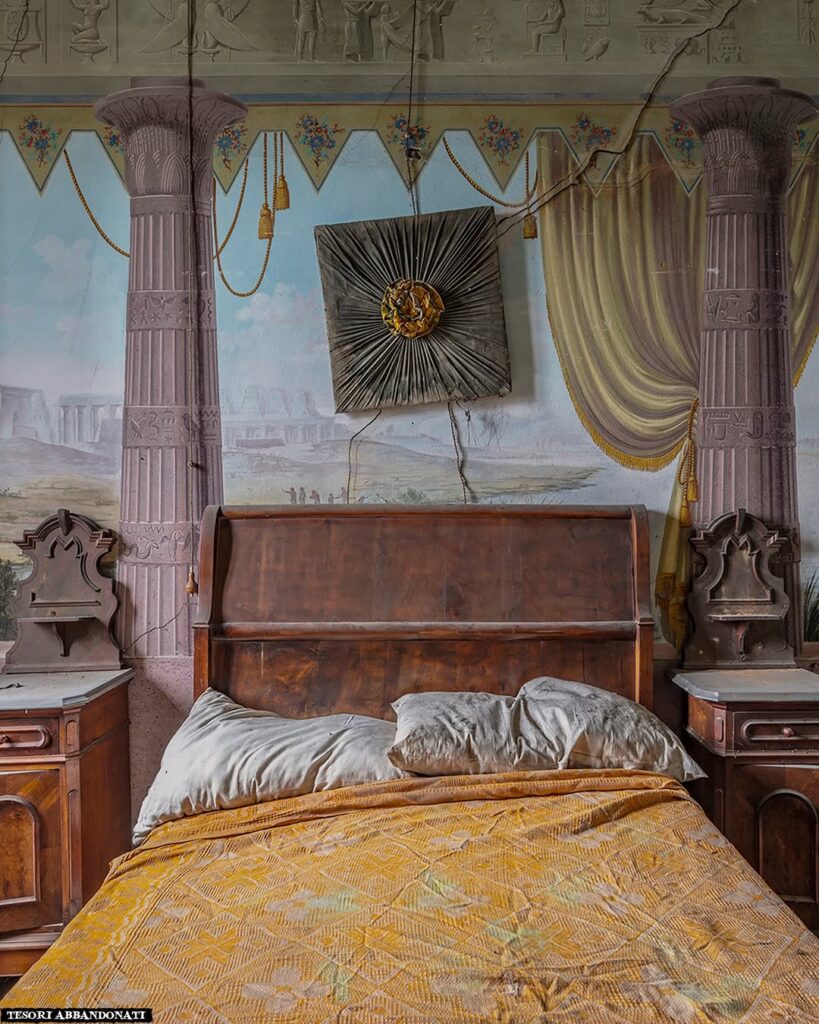
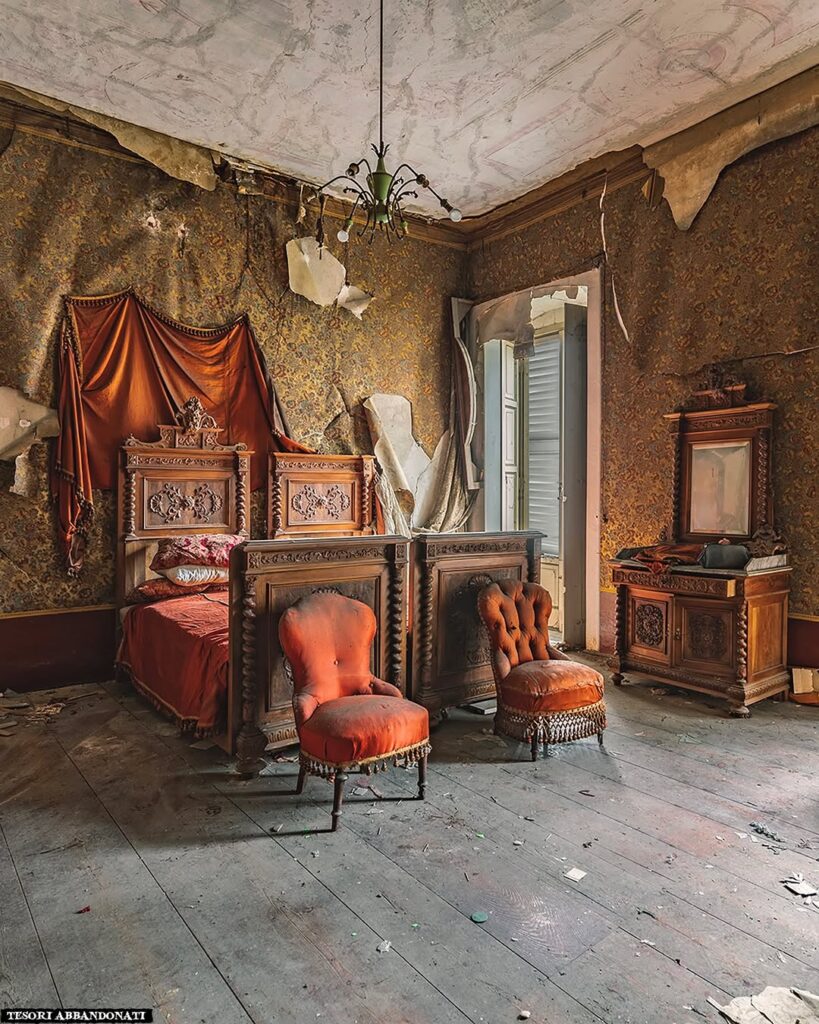
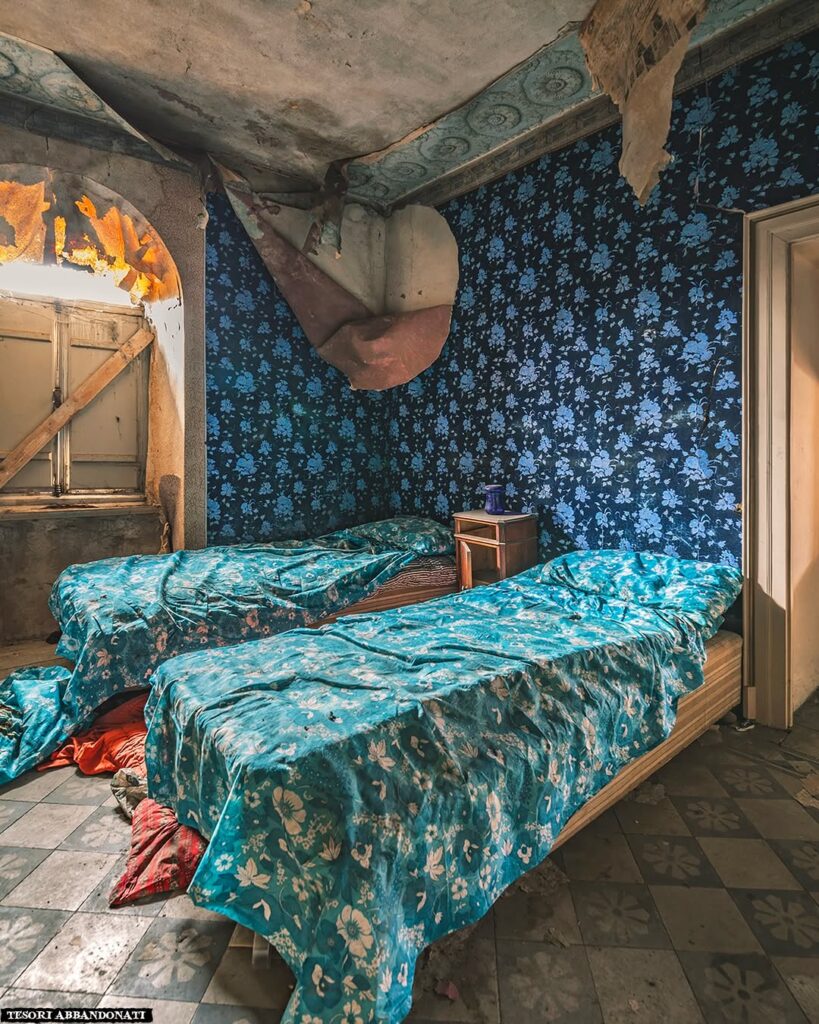
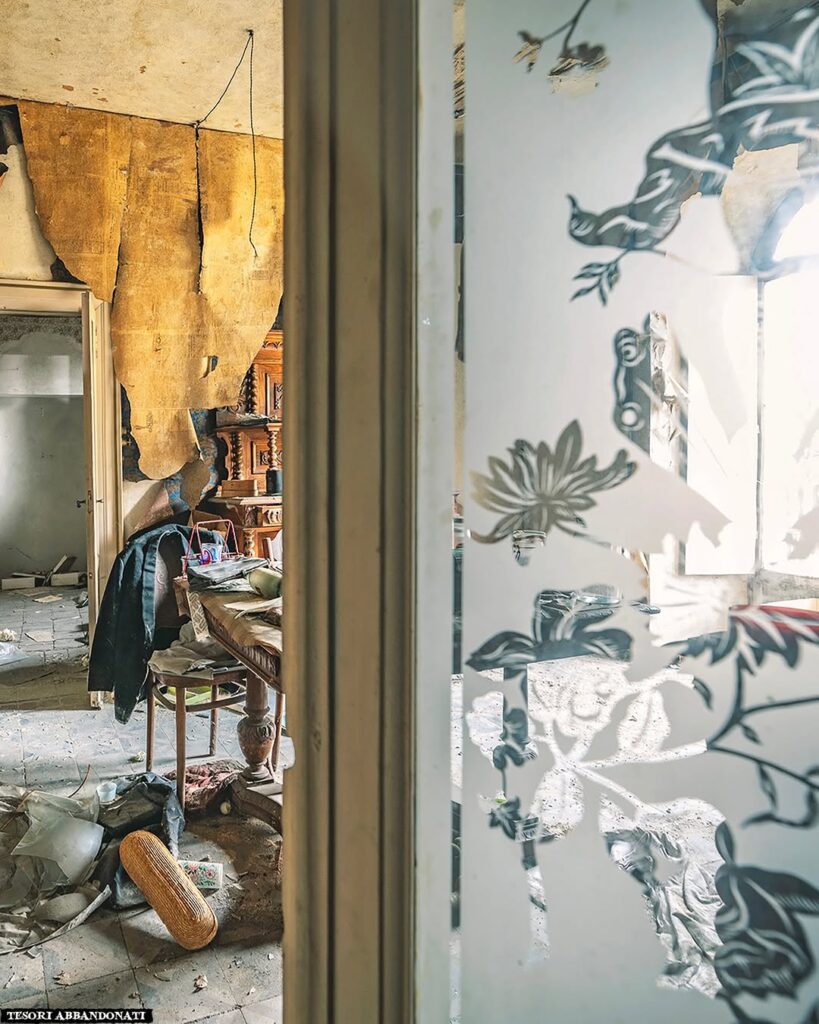
The explorers who visited in 2019 made a conscious choice. They had their images — wide shots of grand rooms, close-ups of peeling frescoes, golden light falling across broken floors. But they looked at those photos and thought: if we publish these, someone will find it. And they won’t treat it kindly.
So they said nothing.
That kind of restraint is rare. It speaks to something important about how the best urban explorers operate — not as treasure hunters, but as witnesses. Silent documentarians of places the world has forgotten.
You can read more about that philosophy of responsible urban exploration and Italy’s forgotten architecture over at Abandoned Blog, where stories like this one are handled with the same care.
A Villa That Came Back to Life
Here’s the twist in this story — and it’s a good one.
Villa Siotto Pintor is no longer abandoned.
At some point after the 2019 visit, a cultural association stepped in. They began the slow, careful work of restoring and preserving the estate. And in a detail that says everything about their approach, they attached a handwritten notice to the exterior of the building.
It read, roughly translated:
“To visit the villa, you don’t need to break anything or climb over anything. Just get in touch.”
Think about that for a moment. In a world where abandoned buildings are either fenced off or stripped bare, someone put up a sign that basically said: we want you to see this. Just ask.
That’s remarkable. And it changes the entire conversation around how we engage with places like this.
Why This Matters: Heritage, Not Trespassing
Let’s be direct here.
This article is not an invitation to trespass. Villa Siotto Pintor is privately managed, and entering without permission is both illegal and disrespectful to the people working to preserve it.
But the story of this villa raises a bigger question — one that matters to anyone who cares about Italy’s endangered architectural heritage and the thousands of historic buildings quietly disappearing across Europe.
Who is responsible for these places?
When a grand estate falls into disuse, it doesn’t just sit there harmlessly. The roof leaks. Moisture creeps into the walls. Frescoes bubble and peel. Stone crumbles. Within a generation, something irreplaceable is gone.
The International Council on Monuments and Sites (ICOMOS) has documented this crisis extensively — the slow erosion of historic properties across Southern Europe, many of them privately owned, many of them without the resources or will to be maintained.
Villa Siotto Pintor could have been another casualty. Instead, a small association decided to act.
What Would You Find Inside?
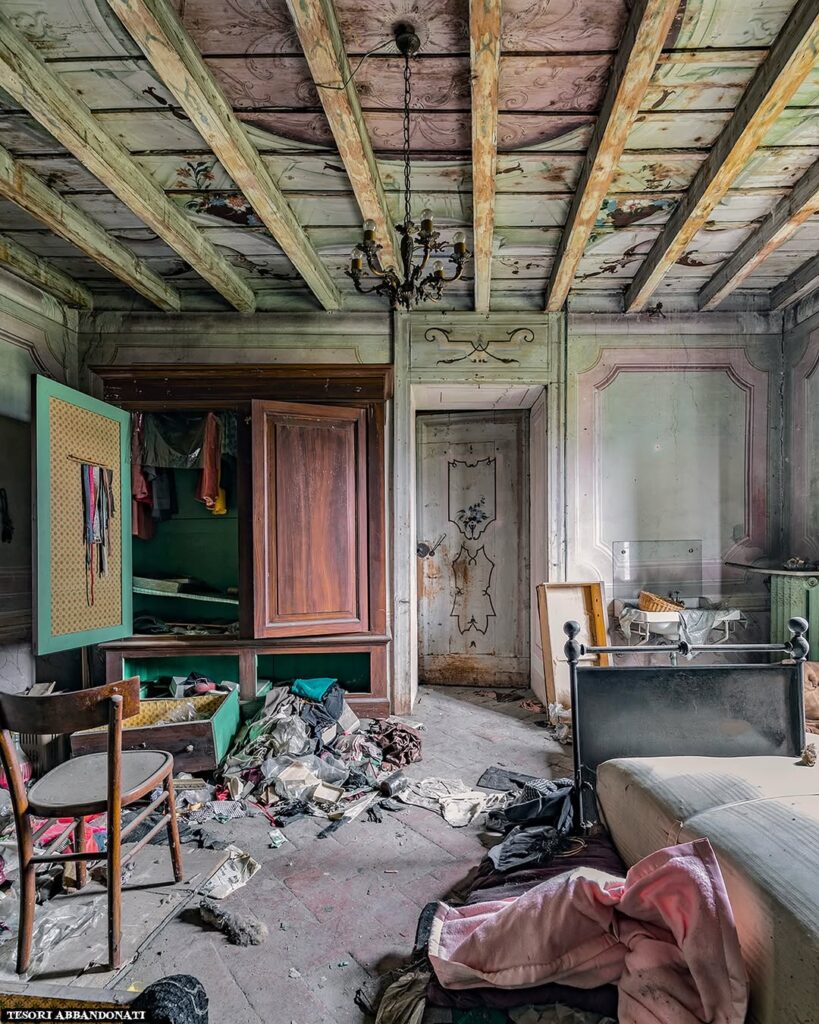
While specific interior photographs remain unpublished out of respect for the estate, explorers described the villa in vivid terms.
The Architecture
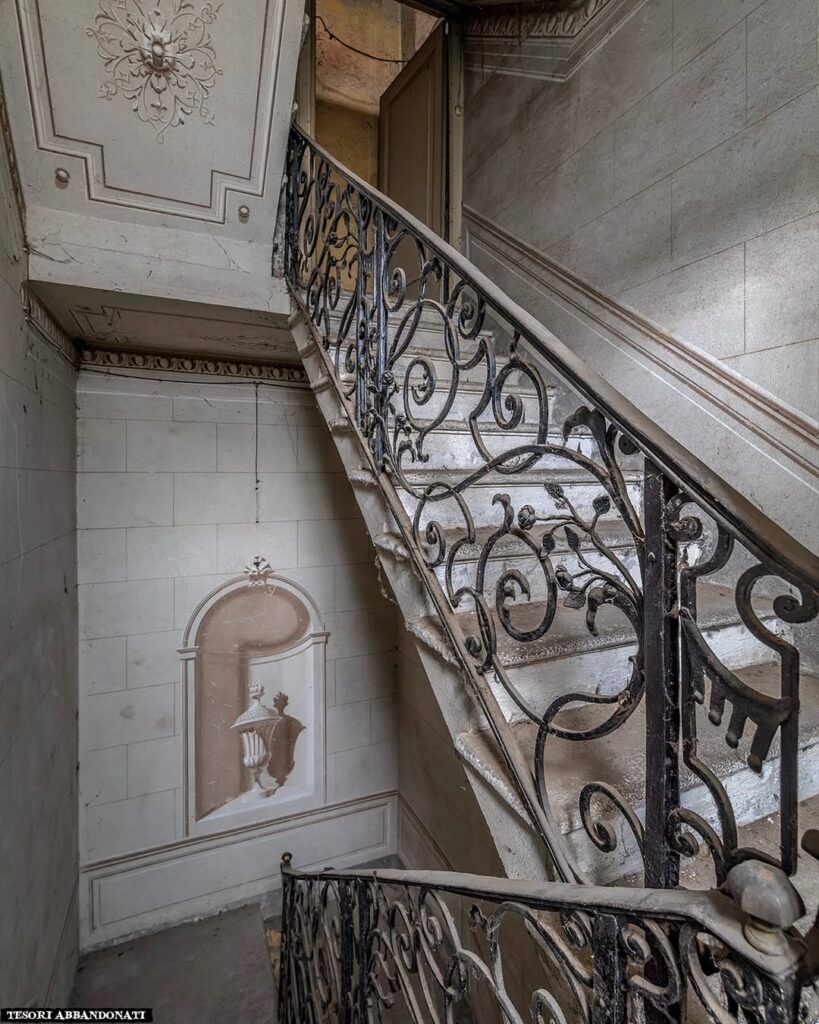
The building reflects the grand residential style of 19th-century Italian bourgeois architecture — the kind of confident, ornate design that emerged when wealthy landowners wanted their homes to announce their status.
Think:
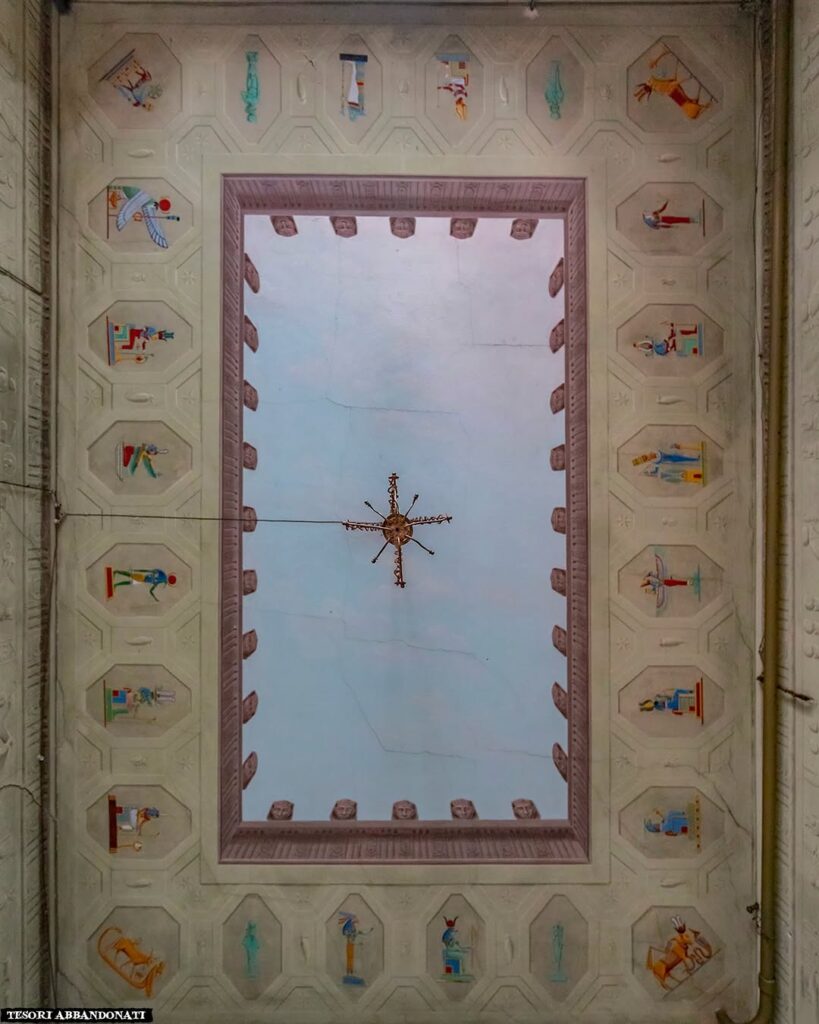
- High ceilings with decorative plasterwork
- Frescoed walls, faded but still legible
- Tall shuttered windows that once framed views across the Sardinian landscape
- Grand reception rooms that echo with the ghost of formal dinners and social gatherings
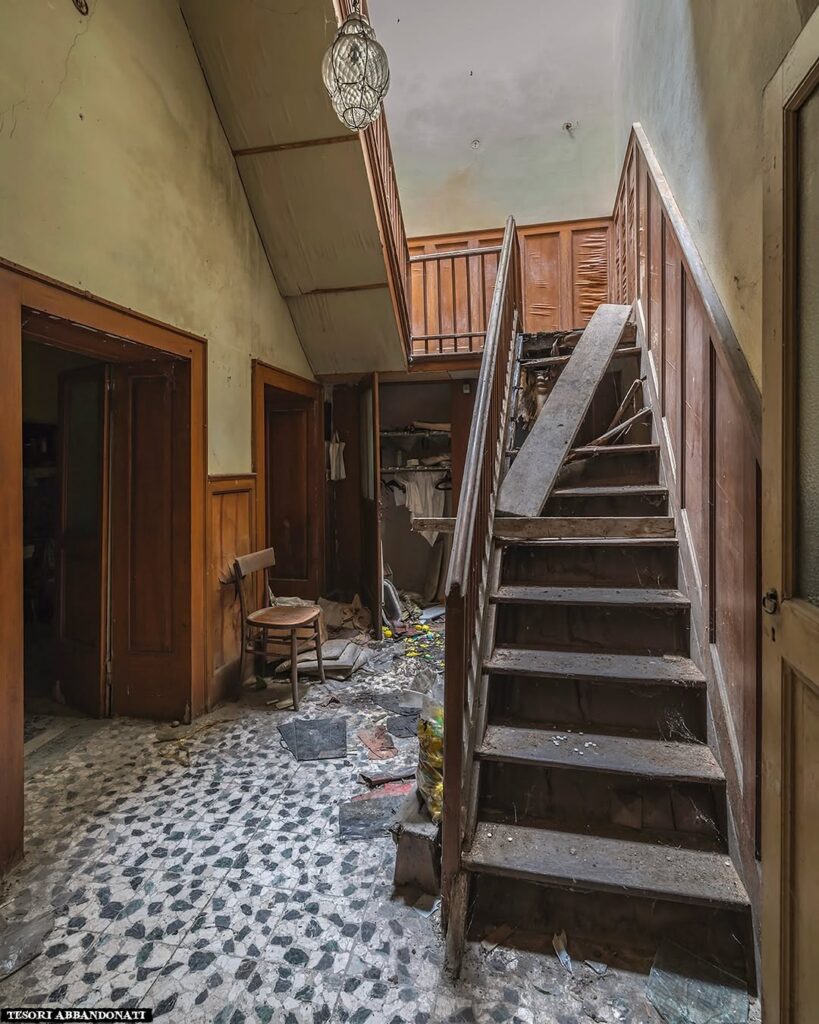
- A staircase built to impress — wide, sweeping, designed to be descended slowly
The Atmosphere
Step inside a place like this and your senses do strange things.
The silence isn’t just quiet. It has texture. The dust in the air catches whatever light comes through the shutters, turning every room into something between a painting and a memory. The smell — dry stone, old wood, faint dampness — hits you before your eyes adjust.
There’s always a moment in these buildings where you stop moving. Where you just stand there and try to absorb the weight of what this place was. The laughter it held. The arguments. The meals. The grief.
That moment hits differently in a villa than in a factory or an office block. These were homes. And the personal scale of them — the bedrooms, the dressing rooms, the kitchens — makes the absence of people feel acute.
The Families Behind the Name
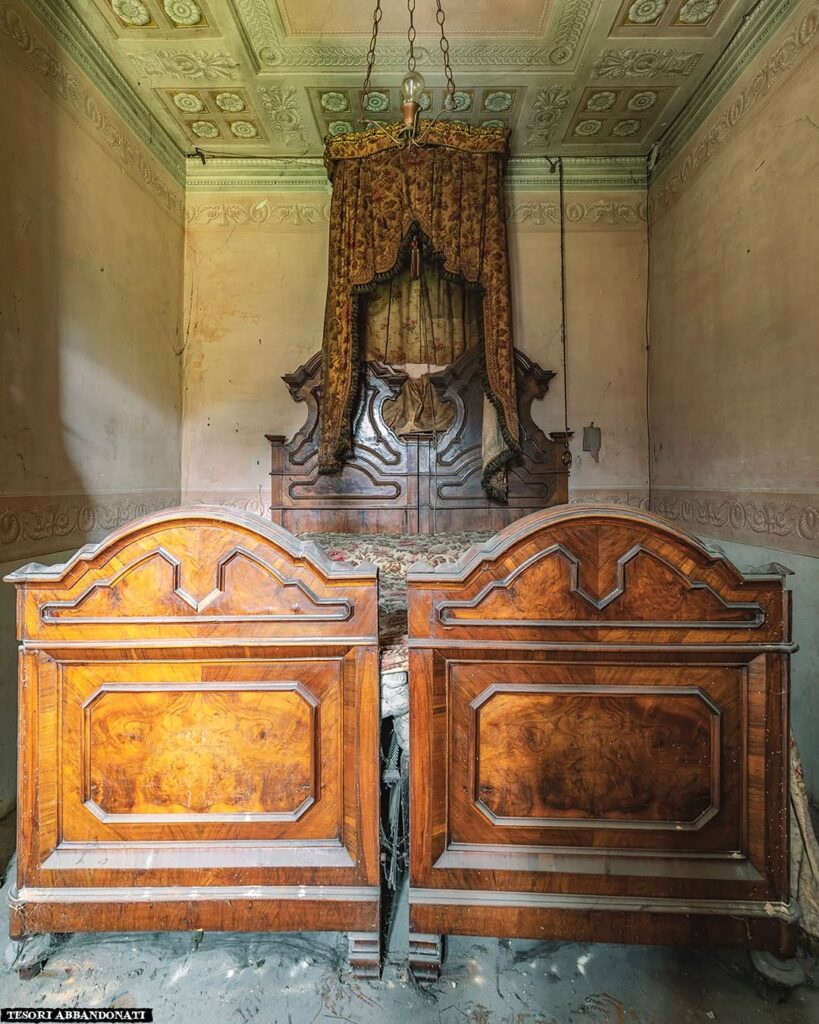
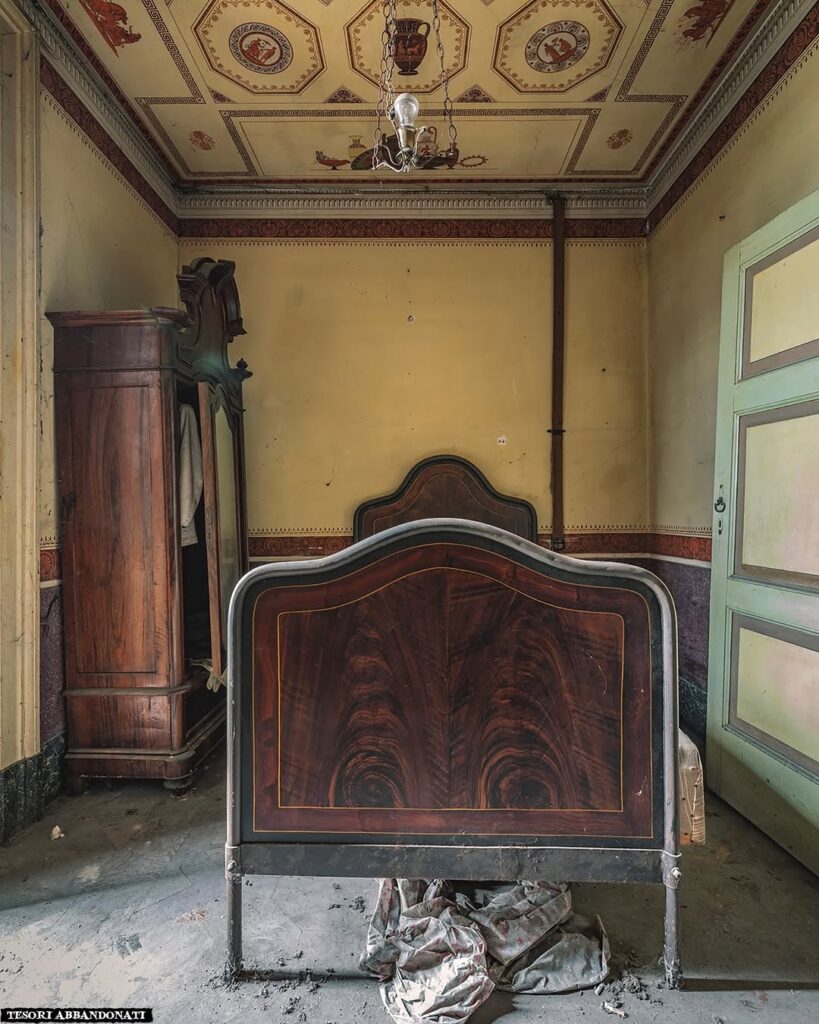
The Siotto and Pintor families left significant marks on Sardinian history.
Giovanni Siotto Pintor (1806–1870) was a jurist, writer, and political figure — one of the most prominent Sardinian intellectuals of his era. He was involved in the Risorgimento, the 19th-century movement that led to the unification of Italy, and he wrote extensively about Sardinian law, history, and culture.
A man like that builds a home that reflects his ambitions. A home that says: we belong here. We have roots. We have substance.
Walking through the rooms of Villa Siotto Pintor, even in its diminished state, is to walk through the material remnants of that self-belief. The villa is a biography in stone and plaster.
How to Visit Villa Siotto Pintor Legally
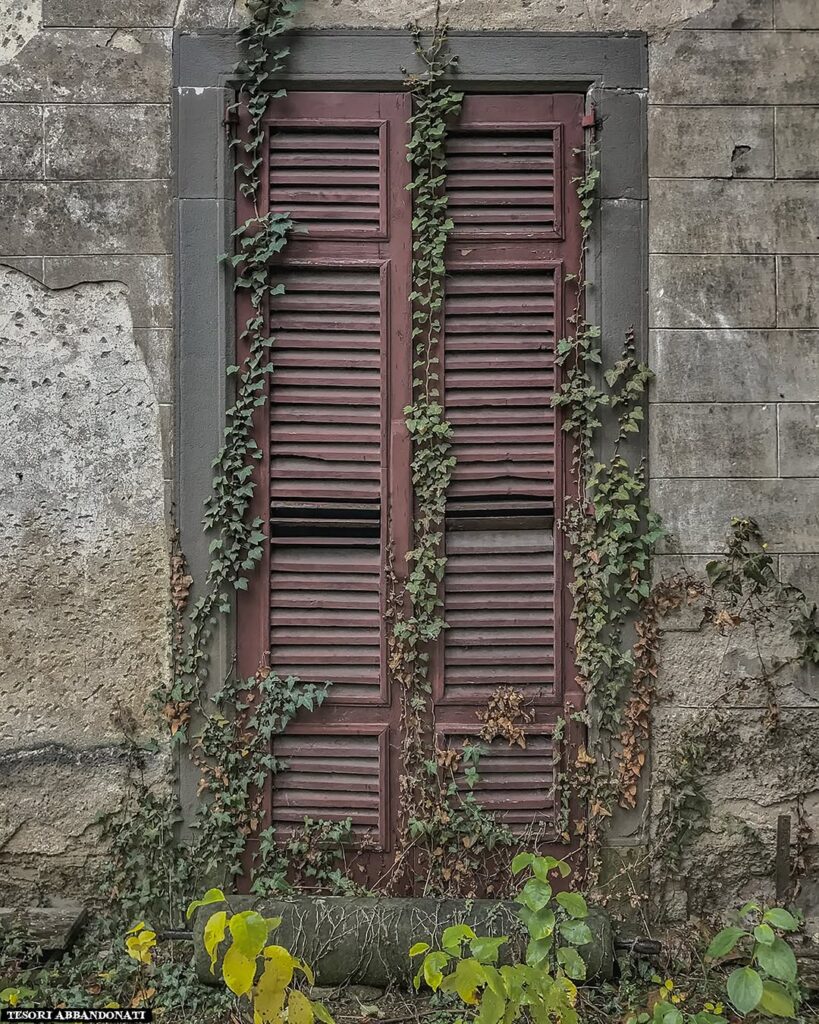
This is the part that matters most.
Thanks to the cultural association now managing the property, a legal visit may be possible — you simply need to reach out first.
That’s it. No breaking. No climbing. No risk of a criminal record or, worse, of damaging something irreplaceable.
Here’s what responsible engagement with a site like this looks like:
- Research the managing association — find their contact details through local cultural heritage organizations or Sardinian tourism boards
- Reach out in advance — explain your interest honestly (photography, research, heritage tourism)
- Respect their terms — if they say no, accept it. If they say yes, treat the space accordingly
- Document thoughtfully — take photographs that preserve, not exploit
- Share responsibly — consider the impact of publishing specific location details
For more stories about estates where legal access has transformed the relationship between community and heritage, exploreforgotten villas and estates across Italy on Abandoned Blog.
The Broader Story: Italy’s Forgotten Estates
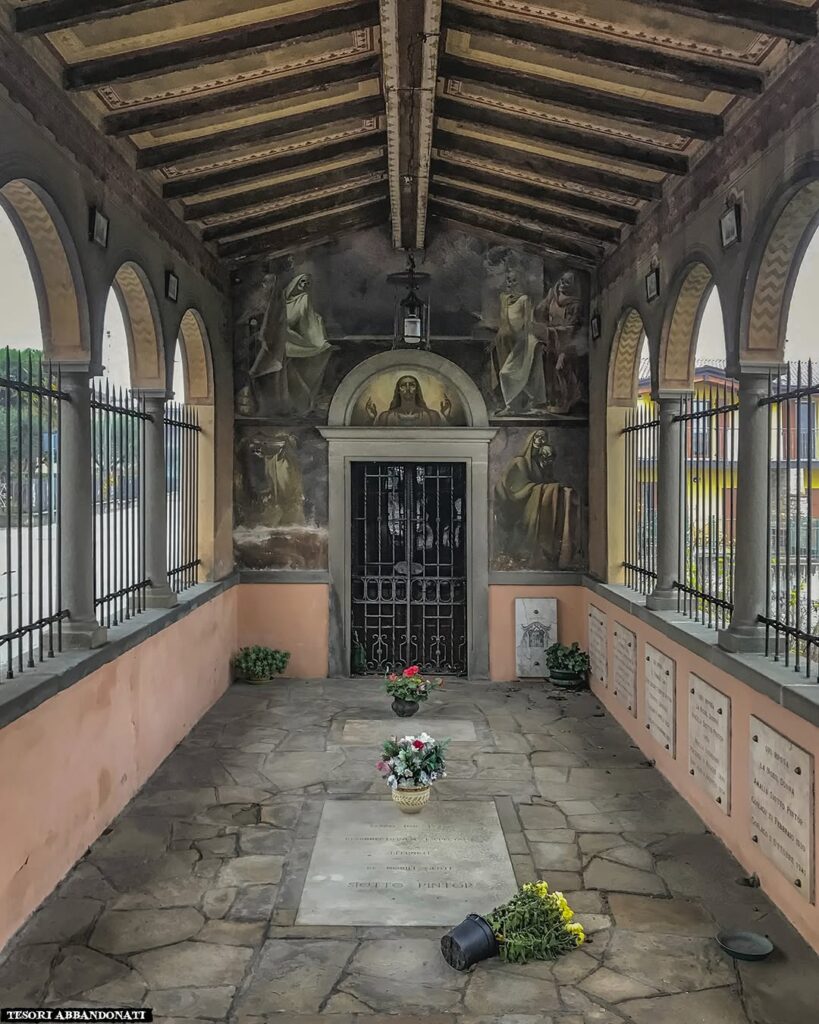
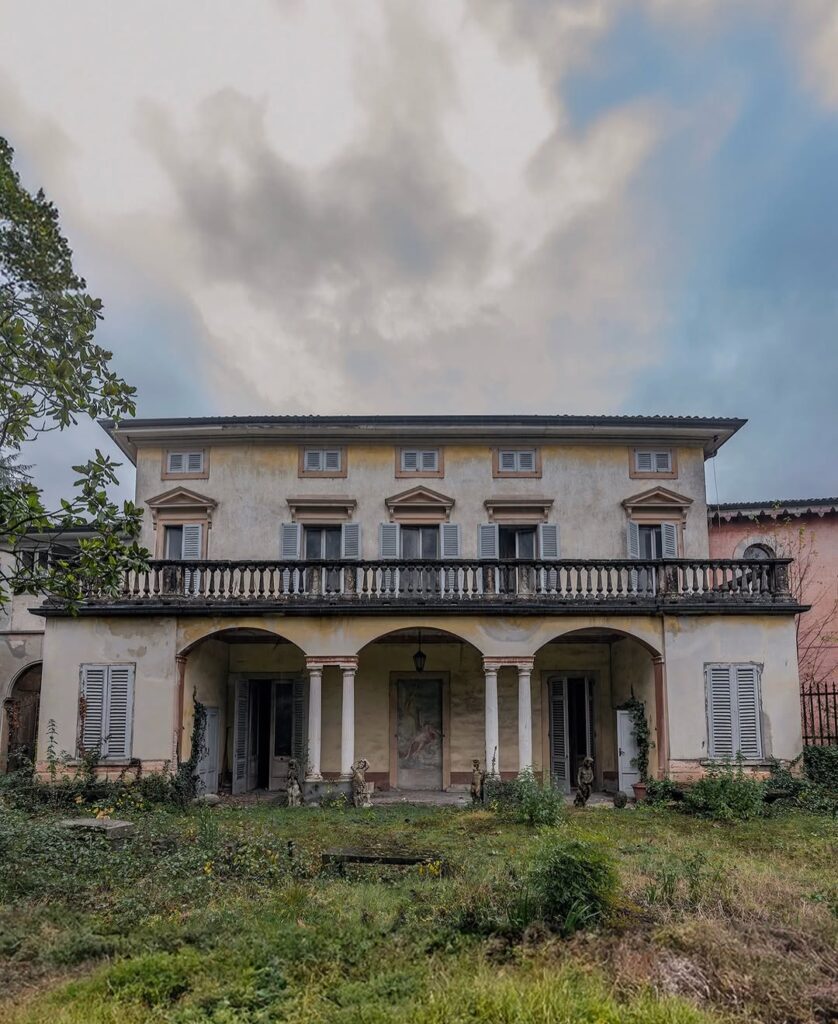
Villa Siotto Pintor is extraordinary. But it isn’t unique in the sense that matters most — it is one of thousands of historic Italian properties quietly deteriorating.
Sardinia alone has a remarkable concentration of abandoned noble houses, rural estates, and historic villas. Many were built during the 19th century by families who accumulated land and influence during periods of agricultural prosperity. When that prosperity faded — through changing economies, emigration, the disruptions of two world wars — the houses were left behind.
Some were stripped. Some were vandalized. Some simply collapsed, season by season, until there was nothing left to save.
The ones that survive — like Villa Siotto Pintor — survive because someone cared enough to act.
That’s the story worth telling. Not the thrill of trespass, not the aesthetic of decay for its own sake. But the fragile, often overlooked human effort to say: this matters. This deserves to survive.
What Urban Explorers Got Right Here
The photographers who visited in 2019 made two decisions that deserve recognition.
First, they protected the location by refusing to publish identifying details. In doing so, they acknowledged that their curiosity didn’t trump the building’s vulnerability.
Second — and this is subtler — their restraint helped create the conditions for the cultural association to do its work undisturbed.
There’s a version of this story where the photos go viral, the location gets identified, and a parade of weekend explorers strips the villa of whatever wasn’t nailed down. That version ends badly.
Instead, the villa got a second chance. And now it has a sign on the door that says: come in, just ask first.
That’s what good urban exploration looks like. That’s the model worth following.
Conclusion
Villa Siotto Pintor stands as one of the most compelling examples of what can happen when a forgotten estate is treated with the respect it deserves.
From the explorers who protected it by staying silent, to the association that opened its doors with a handwritten invitation, this is a story about care. About the impulse — quiet but powerful — to preserve rather than consume.
The Villa Siotto Pintor abandoned estate is no longer lost. It’s waiting. And if you approach it the right way, it might just let you in.
That feels like exactly the kind of ending these old walls deserve.
Frequently Asked Questions
Is Villa Siotto Pintor open to the public? The villa is managed by a cultural association and may be visited by appointment. Unauthorized entry is not permitted or encouraged.
Where is Villa Siotto Pintor located? The villa is associated with Sardinian history, likely located on the island of Sardinia, Italy. Exact location details are kept private out of respect for the managing association.
Who were the Siotto Pintor family? The most notable member was Giovanni Siotto Pintor (1806–1870), a Sardinian jurist, historian, and political figure active during the Risorgimento period.
Can I photograph Villa Siotto Pintor? Photography may be possible with permission from the managing association. Always seek consent before visiting or publishing images of privately managed heritage sites.
Why did explorers refuse to publish their 2019 photographs? They deliberately withheld the images to protect the villa from potential vandals or looters who might have identified and targeted the location.
Is urban exploration of abandoned villas legal in Italy? Entering private property without permission is illegal in Italy. Always seek legal access through the appropriate owners or managing organizations.
Published onAbandoned Blog— documenting Europe’s forgotten architecture with respect, responsibility, and care.