Introduction: A Mansion That Should Never Have Gone Quiet
There is something deeply unsettling about a house that still smells like money.
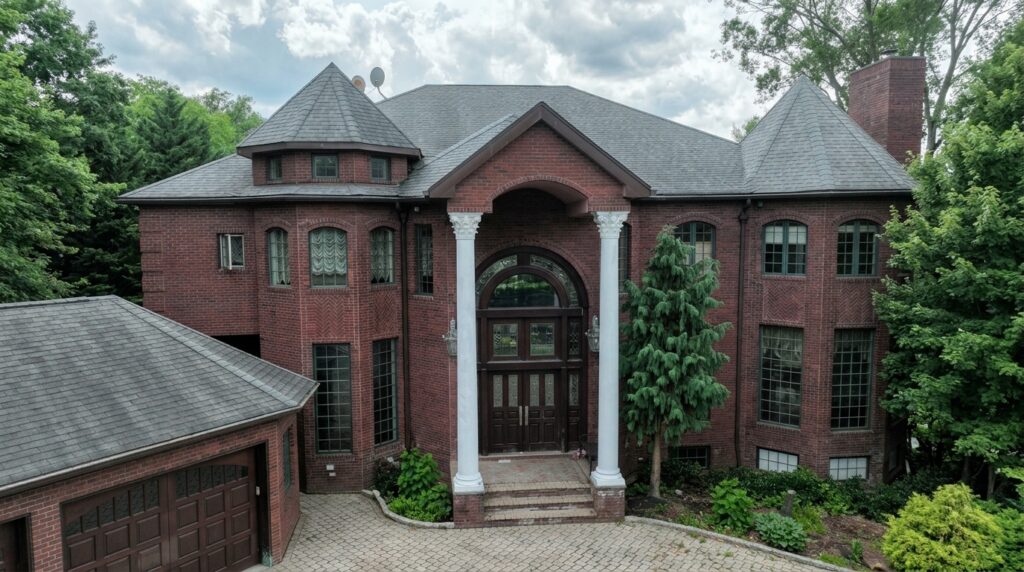
This isn’t some crumbling forgotten estate deep in the countryside. It isn’t an abandoned château swallowed by ivy on a forgotten European hillside. This is Staten Island — one of New York City’s most expensive zip codes — and right in the middle of it, a 7,500 square foot mansion sat frozen in silence, half-renovated, walls stripped, dust settling on what used to be extraordinary luxury.
The abandoned mansion Staten Island locals still talk about wasn’t always this way. It had a name. It had a family. It had a story loud enough to reach reality television screens across the country.
And then, almost overnight, it stopped.
The House That Wealth Built
Who Were the Detores?
To understand what happened to this house, you first need to understand the world it was built for.
The mansion belonged to Janine Detore and her husband Dom Detore. In Staten Island’s tight social circles, those names carried real weight. Janine is the sister of Carla Facciolo — one of the original cast members of Mob Wives, the hit VH1 reality series that pulled back the curtain on the lives of women connected to organized crime figures in New York. Dom appeared on Staten Island Hustle, a show that followed his businesses and his lifestyle across the borough’s close-knit, reputation-driven scene.
In that world, image wasn’t just important. It was everything.
Money had to be visible. Homes had to make a statement. And this one certainly did.
Built to Impress: The Architecture of Ambition
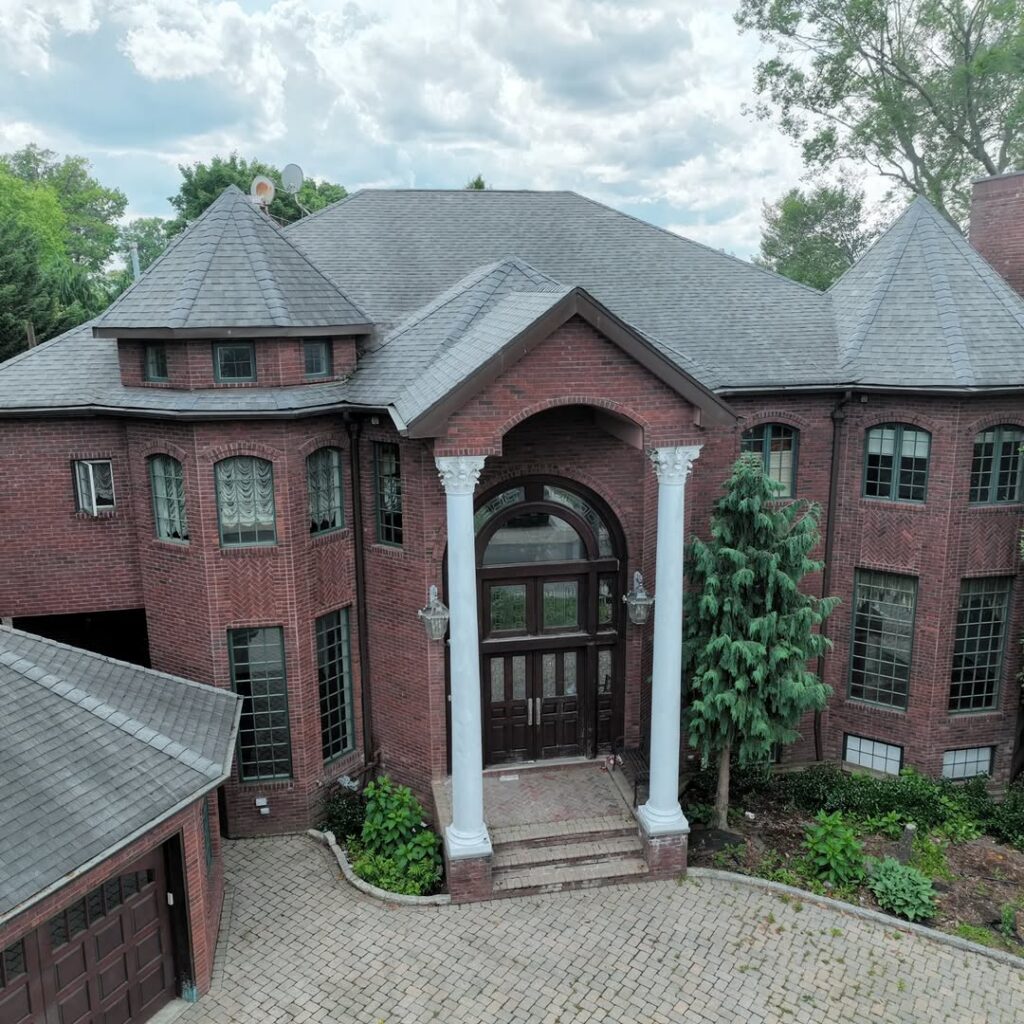
Construction finished in 2005. The design drew on European-inspired architecture — the kind of aesthetic that whispers old-world prestige while sitting firmly in the new world. Four floors. 7,500 square feet. Six bedrooms. Seven bathrooms.
That alone would be remarkable. But the Detores went further.
A private movie theater. A full basement entertainment area. Wide staircases built for arrival, not just movement. Every inch of the house said the same thing: we have made it.
For anyone curious about how forgotten estates across America share this same rise-and-fall pattern, the Detore mansion fits an almost archetypal story. Success. Spectacle. Then silence.
The Turn: From Reality TV Glory to Renovation Freeze
The Sale Nobody Saw Coming
For years, the house was a living extension of the family’s identity. It wasn’t just real estate. It was a brand — tied to television appearances, public life, and the particular pride that defines certain pockets of New York.
Then 2024 arrived. The house sold.
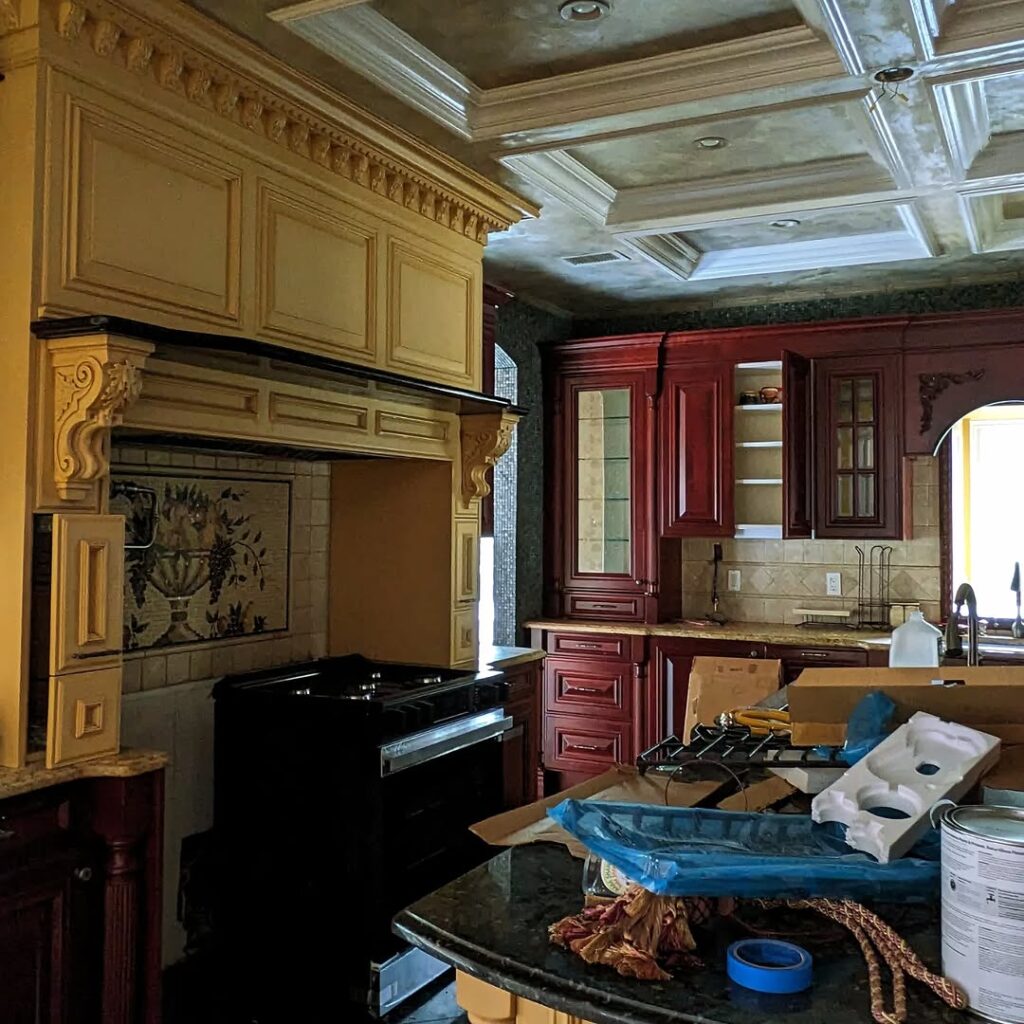
New owners. New plans. Renovation crews moved in and the transformation began. Walls came down. Floors were prepped. The bones of the old mansion were exposed, ready to become something new.
And then — nothing.
Work stopped. The crews disappeared. The house, mid-transformation, went still.
No finished floors. No completed rooms. Just dust and silence where ambition used to live.
What Happens When Renovation Stops Mid-Project?
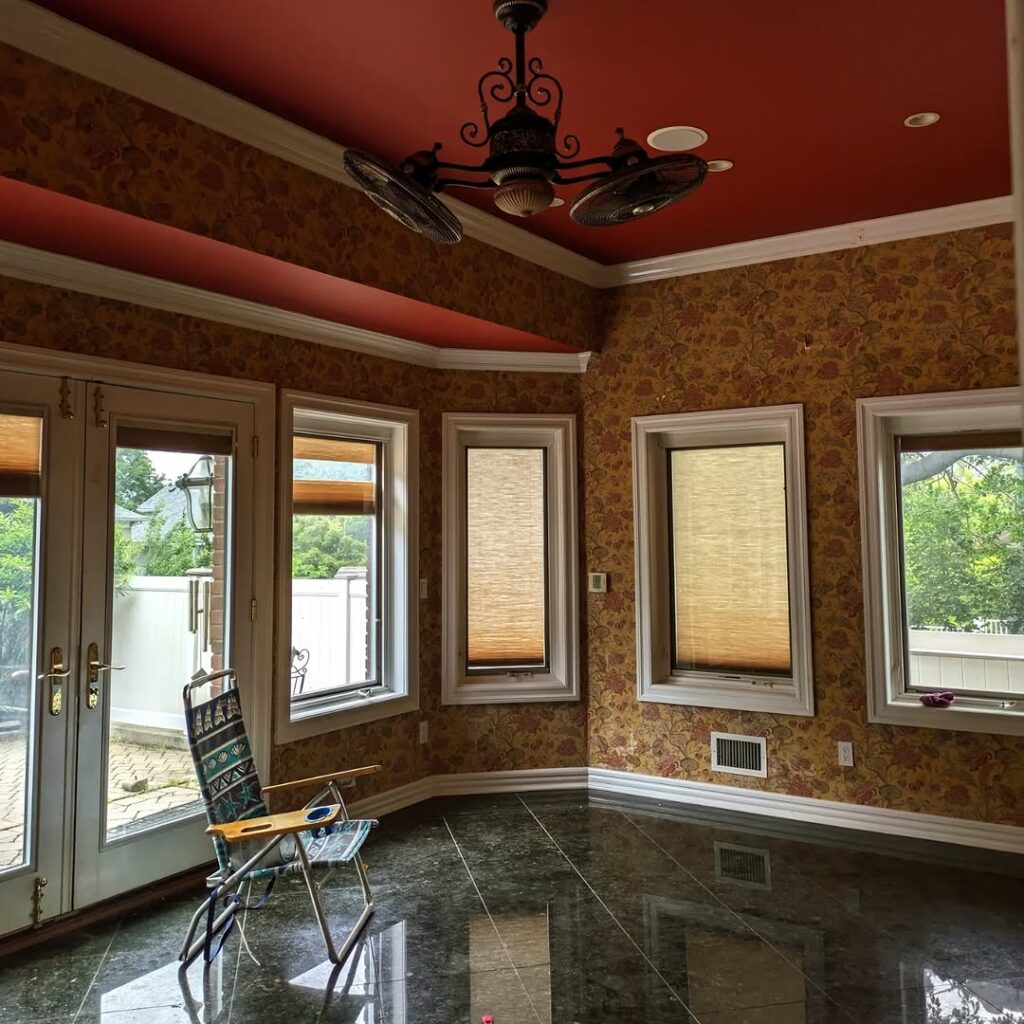
Anyone who has followed stories of abandoned luxury properties across the Northeast knows this particular kind of ruin is different from the slow decay of neglect. It’s sharper. More jarring.
When a historic estate falls apart over a century, nature does the work gently. Vines creep. Wood softens. The change is gradual.
But when renovation stops halfway through, you get something stranger. Raw concrete next to ornate crown molding. Exposed wiring beside what used to be an elegant hallway. The past and a never-arrived future existing in the same broken space.
That tension is what makes this house so haunting to those who have documented it.
Inside the Frozen Mansion: What Explorers Found
The Atmosphere of a Paused Life
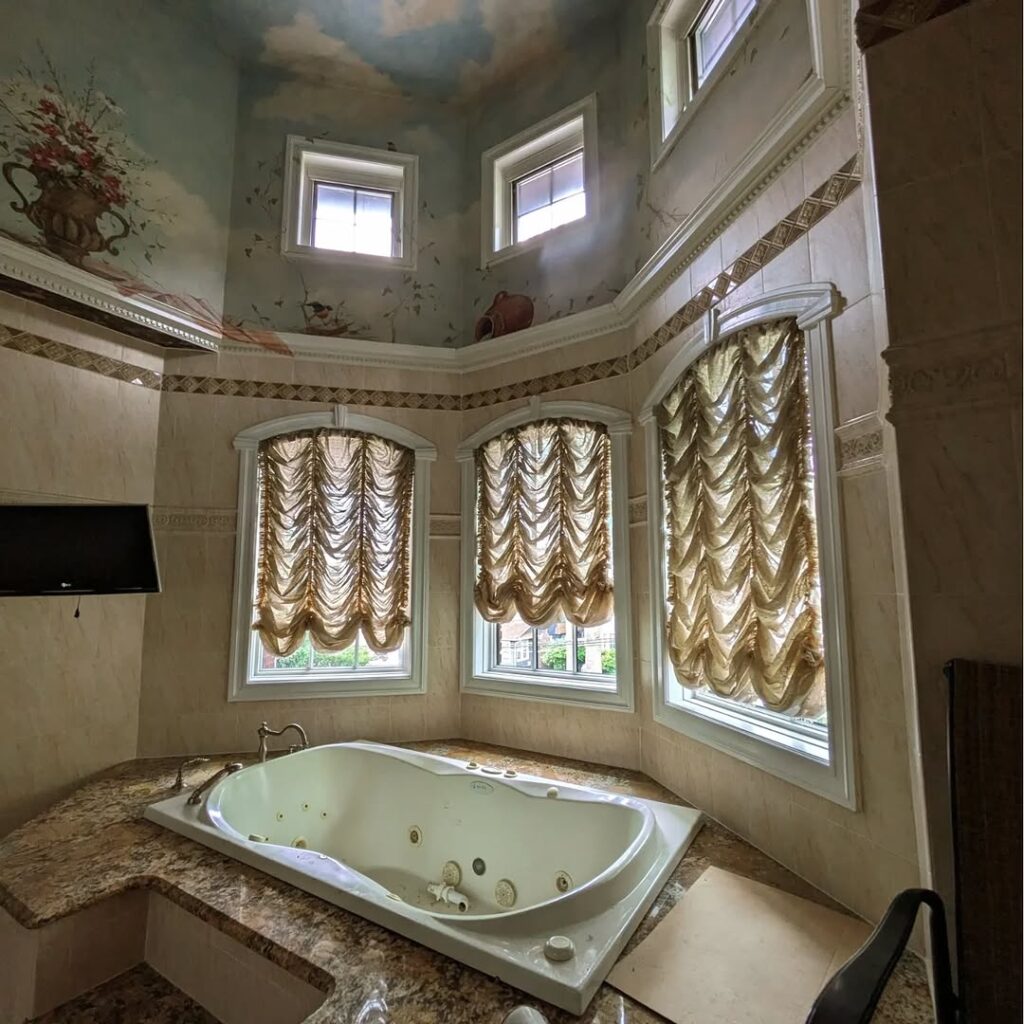
Visitors who documented the property — from a safe and legal vantage — described an almost eerie quality to the space.
The silence wasn’t the soft silence of an old empty house. It was the abrupt silence of a house that expected to be loud again. Somewhere between a job site and a ruin. Renovation materials still stacked in corners. Dust settled over contractor markings on the floors. The smell of fresh drywall mixing with the stale air of months without movement.
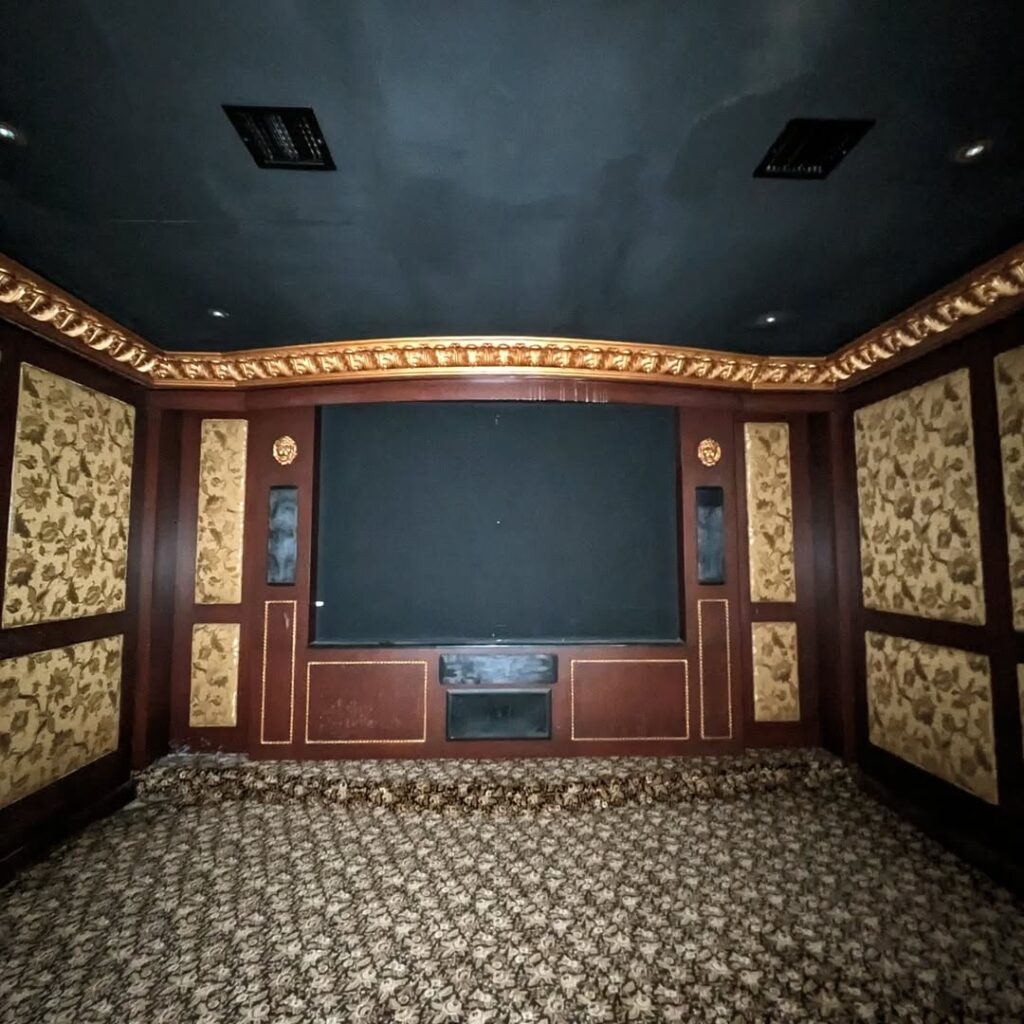
The private movie theater — once likely the crown jewel of the entertainment wing — sat gutted. The basement, designed for gatherings and celebrations, opened up into stripped walls and concrete.
There is something specific about walking through a space like this. You don’t just see what it was. You feel what it was about to become.
The Specific Features That Spoke of Another Era
Before the renovation began, the property was defined by its scale and its details. Here is what made this estate unlike most homes in the area:
- Four floors of living space across 7,500 square feet
- Six bedrooms built for a family that entertained
- Seven bathrooms — no waiting, no compromises
- A private movie theater — the ultimate status symbol of the mid-2000s luxury build
- A full basement entertainment area — designed for the kind of social life that ends up on television
- European-inspired architecture — the visual grammar of aspirational wealth
Each of these features tells you something about the time. The mid-2000s were a particular moment in American wealth culture. Reality television was rewriting the rules of fame and aspiration. You didn’t need to be a movie star to live like one. You just needed the house to prove it.
The Broader Story: Staten Island, Status, and Reality TV
Why Staten Island?
To outsiders, Staten Island is often the forgotten borough. But to people who live there — especially in the wealthier neighborhoods where the Detore mansion sits — it has its own gravitational pull.
It’s a place where old-school New York values meet new money ambition. Where family ties run deep. Where reputation is currency and your house is a public statement.
Shows like Mob Wives didn’t just exploit that culture. They revealed something true about it. The loyalty, the pride, the hunger to be seen as successful — those weren’t invented by television. Television just gave them a bigger stage.
The Detore mansion was part of that stage. And now it sits empty, a physical remnant of a moment that has passed.
The Reality TV Connection
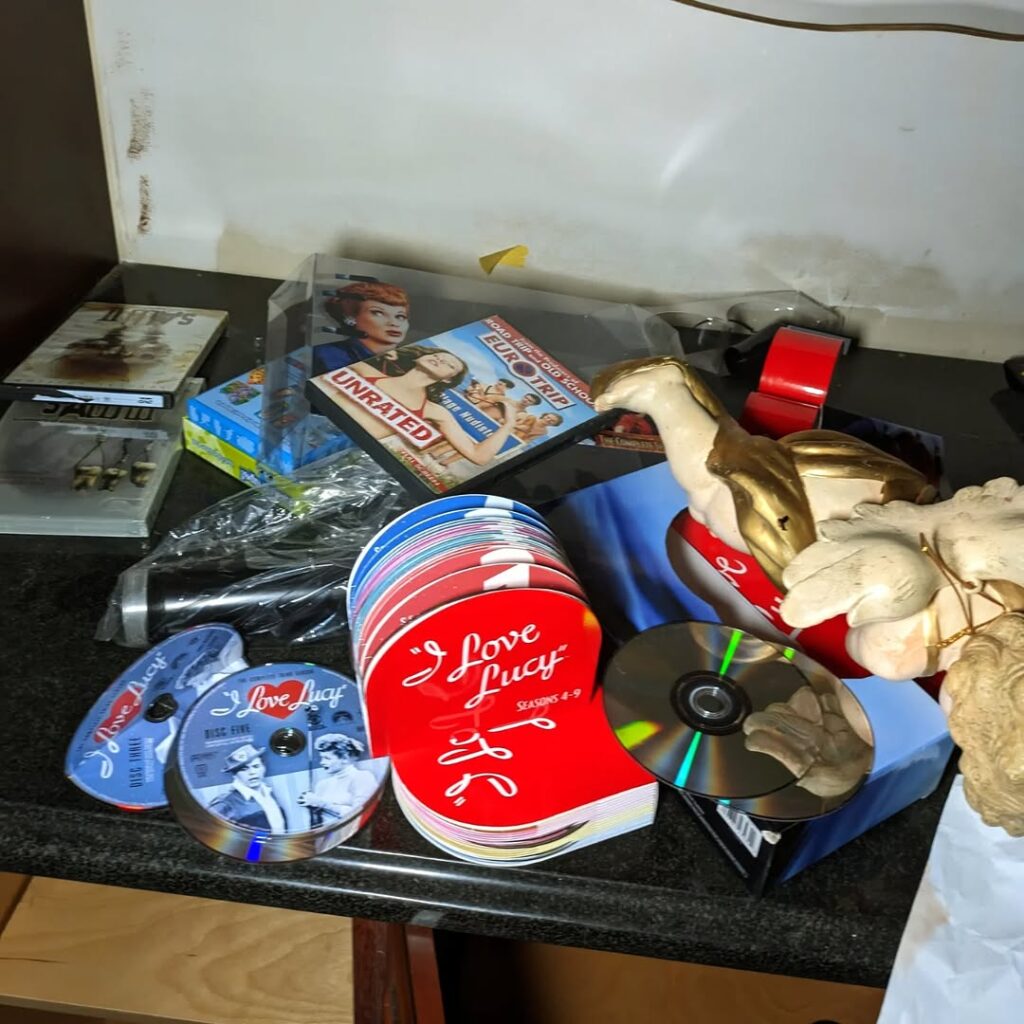
Mob Wives premiered in 2011 and ran for six seasons on VH1. Carla Facciolo — Janine Detore’s sister — was one of its founding cast members. The show followed the lives of women whose husbands or fathers had ties to organized crime, navigating loyalty, public scrutiny, and their own complicated relationships with the world they’d been born into.
It was loud. It was dramatic. It was, in its own specific way, a portrait of a real community.
Dom Detore’s own television presence on Staten Island Hustle added another layer. The show documented his business dealings and his life in the borough — the kind of behind-the-scenes look that audiences in that era couldn’t get enough of.
Together, the Detores represented a particular version of the American dream. Work hard, live large, let the cameras roll.
The Architecture of Aspiration: Understanding the 2005 Build
What European-Inspired Architecture Meant in 2005
The term gets used loosely. But when contractors and architects talked about “European-inspired” residential design in the early 2000s, they meant something specific.
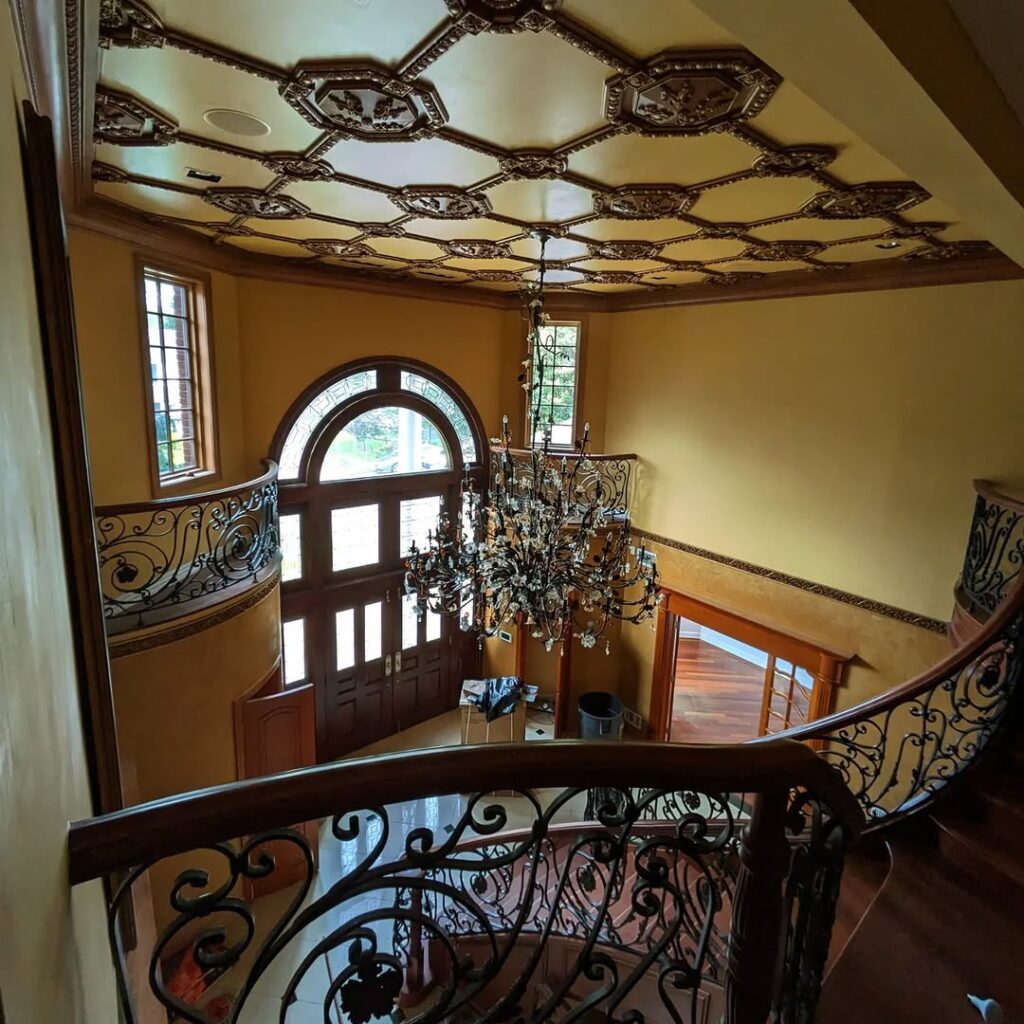
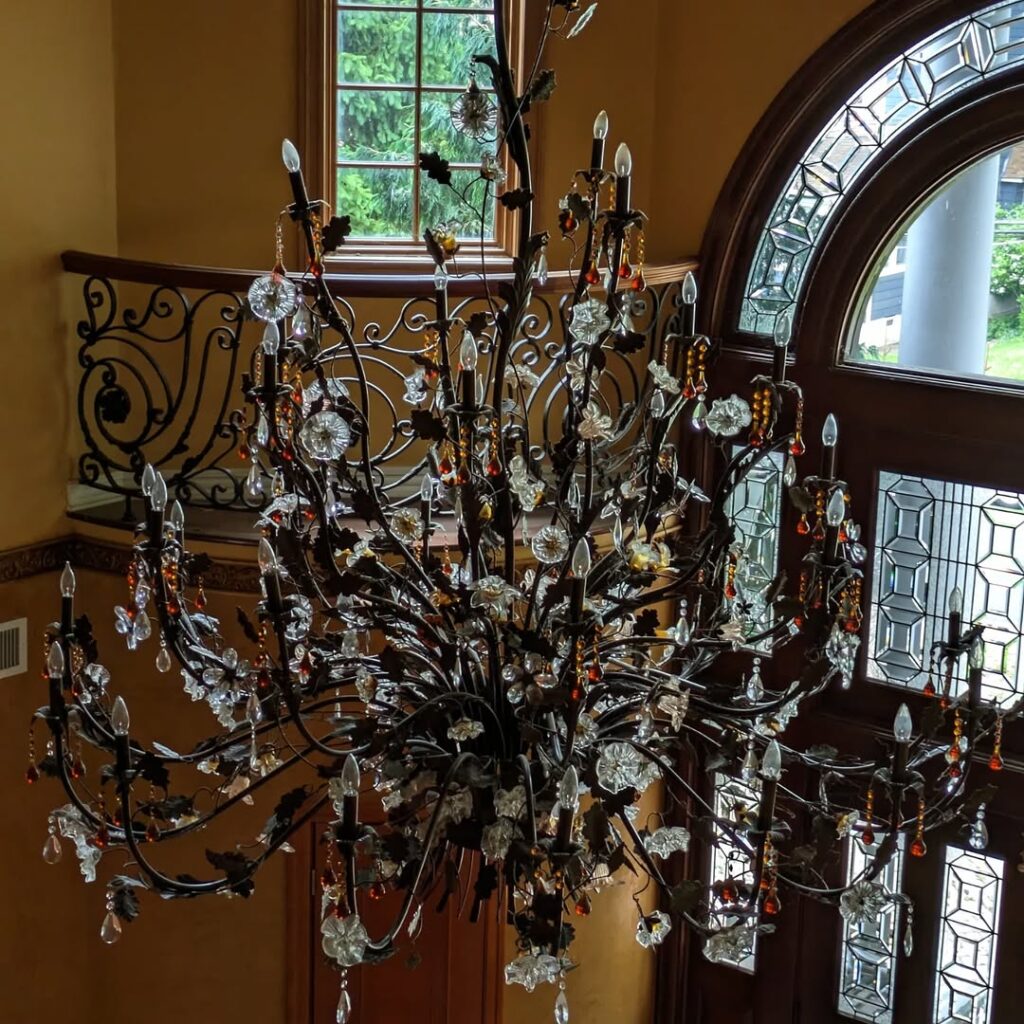
Arched doorways. Heavy stonework or stone-effect facades. Grand entranceways. Symmetrical facades that recalled Italian villas or French manor houses. Interior details — ceiling medallions, detailed moldings, wide staircases — that signaled refinement.
It was the aesthetic language of a certain kind of aspiration. Not just wealthy. Historically wealthy. Old-world wealthy. The kind of wealth that didn’t need to explain itself.
For a family connected to the public personas the Detores had cultivated, that language made perfect sense.
The Mid-2000s Luxury Build Moment
2005 was a specific time in American real estate. The housing boom was near its peak. The early 2000s real estate bubble had inflated values and ambitions across the country. Builders were confident. Buyers were bolder.
A 7,500 square foot mansion with a private theater and seven bathrooms fit right into that moment. It was a product of its time — not just architecturally but economically.
Which makes its current state all the more striking. The house was built at the height of one era. It sold just as another era was reshaping what luxury means in New York. And now it sits between those two worlds, waiting.
What Happens Next? The Uncertain Future
Mid-Renovation Abandonment: A Growing Pattern
The Detore mansion isn’t unique in this particular limbo. Across expensive American cities, properties purchased for transformation sometimes stall. Financing falls through. Plans change. Permitting becomes complicated. Buyers and developers miscalculate.
The result is a property stuck in transition — no longer what it was, not yet what it was supposed to become.
It’s an unsettling category of abandonment. Different from the romantic decay of a century-old forgotten estate. More raw. More recent. The wound still open.
Manyabandoned estates documented across the country follow this same painful pattern — grand homes caught between two lives, belonging fully to neither.
Will It Be Finished?
That question lingers over the property. The renovation materials are still there, by some accounts. The structural work — however far it got — represents real investment.
At some point, someone will likely return to finish what was started. The neighborhood is too expensive, the lot too valuable, for the house to stay frozen forever.
But for now? It waits.
A Note on Urban Exploration Ethics
The story of this mansion has attracted attention from urban explorers and history enthusiasts. That interest is understandable. Places like this are windows into specific moments of American culture — wealth, television, aspiration, and the fragility of both.
However, entering private property without permission is illegal and potentially dangerous — especially in mid-renovation structures where floors, wiring, and structural elements may be unstable.
The right way to engage with places like this is through documented photography from public vantage points, historical research, and community storytelling.
The story is compelling enough without the trespass.
Conclusion: The Mansion That Froze in Time
The abandoned mansion Staten Island lost to mid-renovation silence isn’t just a real estate curiosity. It’s a time capsule.
It was built at the peak of the mid-2000s boom, designed to project exactly the kind of wealth and status that reality television was learning to celebrate. It belonged to a family whose names were known across the borough’s tight social world. It had a movie theater, a basement entertainment suite, and seven bathrooms — all the markers of a life lived loudly.
And then it went quiet.
Not with a bang. Not with a dramatic fall. Just a renovation that stopped. A crew that didn’t return. Dust settling on half-finished floors.
There’s a specific kind of melancholy in places like this. Not the gentle sadness of old ruins reclaimed by nature. Something sharper. A future that almost arrived.
Whatever happens next — whether the renovation resumes, the structure changes hands again, or it quietly becomes something else entirely — the story of what it was deserves to be told.
Because places like this don’t just tell us about one family. They tell us about a specific American moment, when the cameras were rolling and the houses were getting bigger, and life felt, briefly, like it would always be exactly that loud.
Frequently Asked Questions
Q: Where is the abandoned Staten Island mansion located? A: The mansion sits in one of Staten Island’s most expensive residential neighborhoods in New York City. The exact address is not publicly disclosed out of respect for property rights and privacy.
Q: Who owned the Staten Island mansion? A: The mansion was owned by Janine Detore and her husband Dom Detore. Janine is the sister of Mob Wives star Carla Facciolo, and Dom appeared on the reality show Staten Island Hustle.
Q: When was the mansion built? A: The mansion was built in 2005 and featured European-inspired architecture across four floors and 7,500 square feet of living space.
Q: Why did the mansion become abandoned? A: The property sold in 2024 and underwent the beginning of a renovation that subsequently stalled. Work stopped mid-project, leaving the house in an unusual frozen state between its past and an unfinished future.
Q: Is it legal to explore the mansion? A: No. The property is privately owned. Entering without permission is illegal and potentially dangerous due to unfinished renovation work inside. All documentation should be done from public areas only.
Q: What made the mansion so notable? A: Beyond its impressive size and luxury features — including a private movie theater and full basement entertainment area — its connection to prominent figures from New York reality television made it a culturally significant property in Staten Island’s social landscape.
Q: Are there other abandoned mansions like this one? A: Yes. Mid-renovation abandonment and frozen estates appear across expensive American cities. Several similar stories are covered in depth across the abandoned estate archives for those interested in the broader pattern.
Content is provided for historical, cultural, and informational purposes only. Always respect private property and local laws.