Introduction: The Abandoned Château Nobody Was Supposed to Find
The word abandoned gets thrown around a lot. A crumbling farmhouse. A rusted factory. A forgotten warehouse on the edge of town.
But this? This was different.
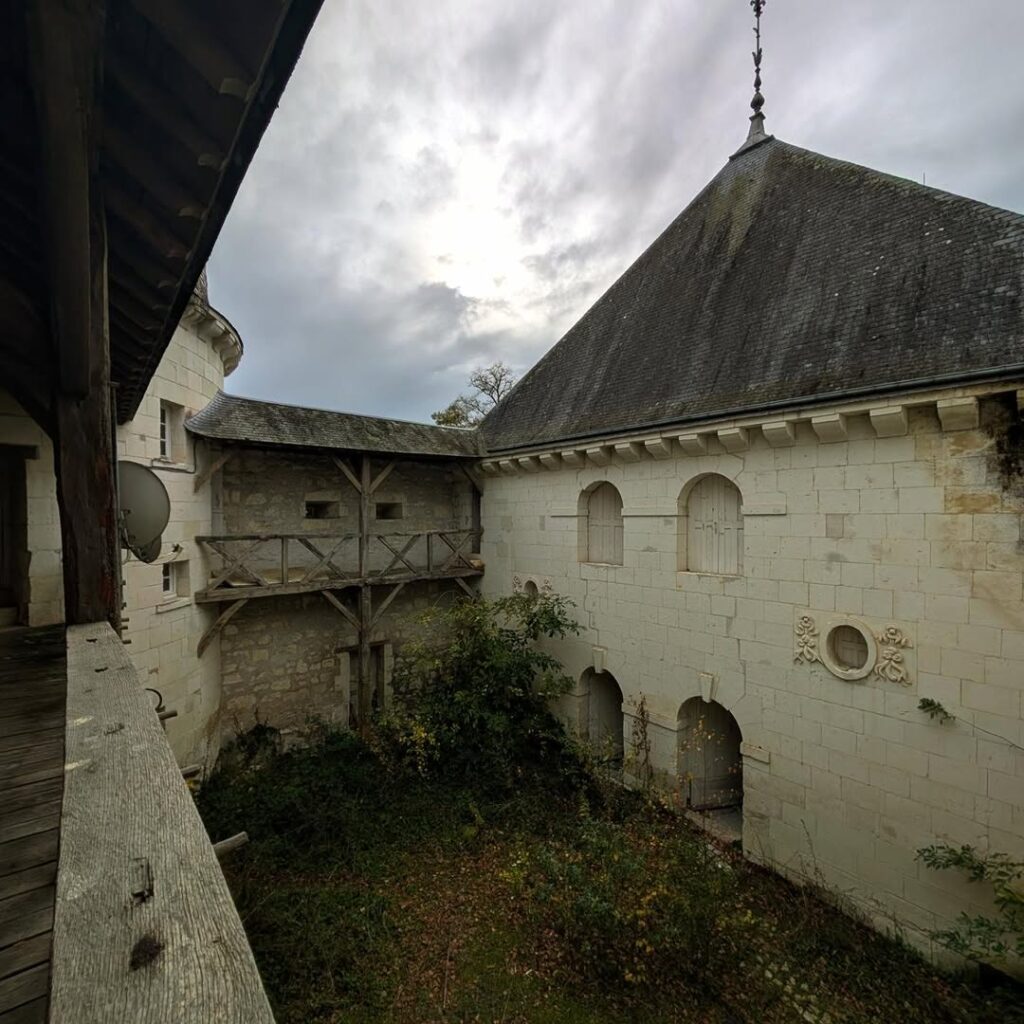
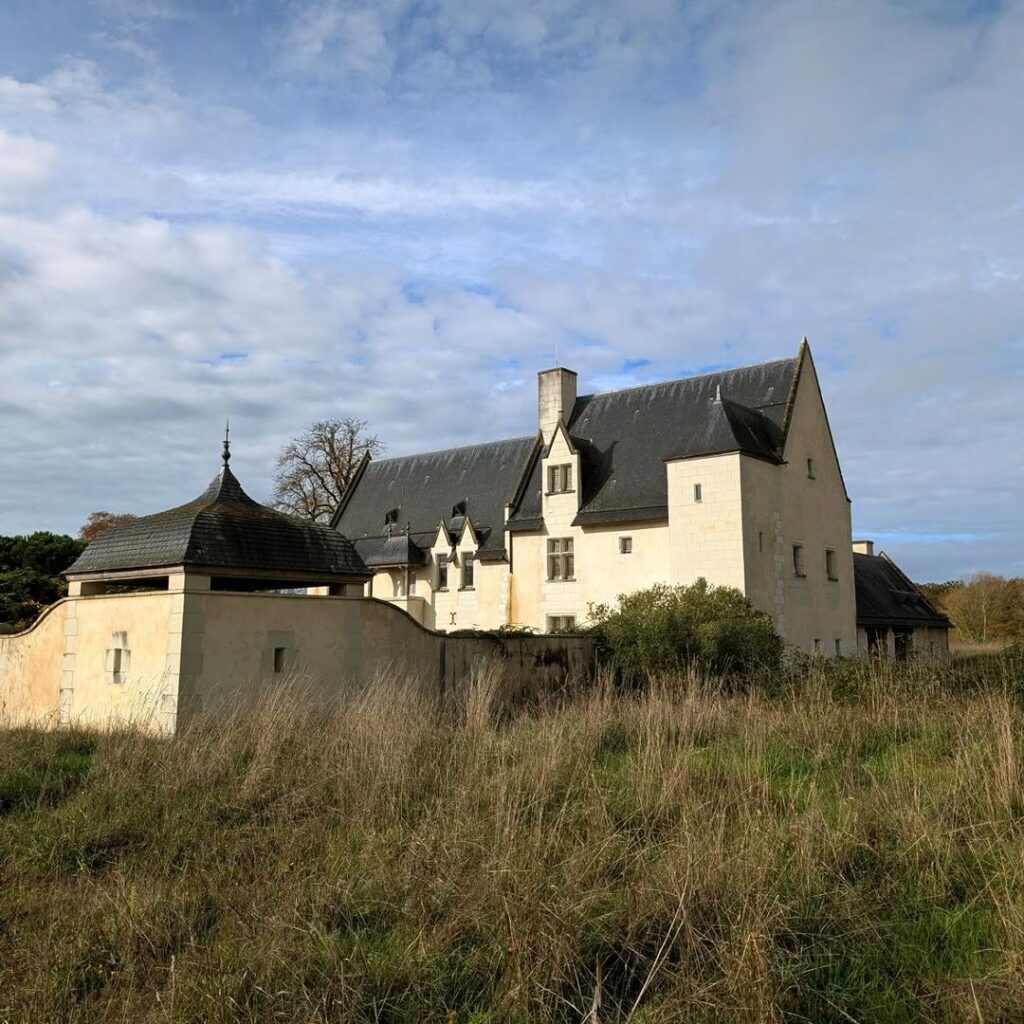
This abandoned château didn’t just sit quietly at the edge of history. It commanded it. Nearly 20,000 square feet of stone, silence, and secrets. Close to 20 bedrooms. A private royal-style chapel. A guest house. Stables. Twenty-five acres of land slowly being swallowed back by the earth.
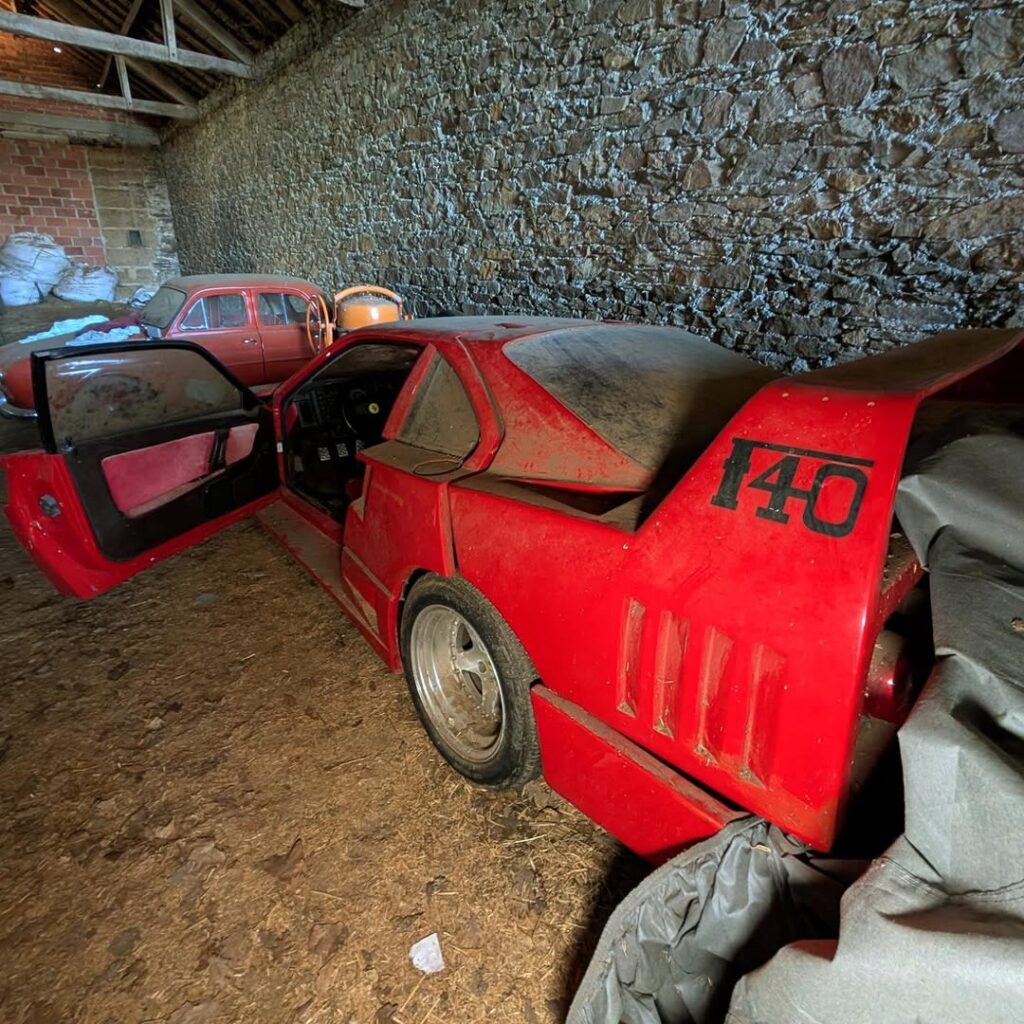
And somewhere down the road, tucked inside a rotting barn, one of the rarest cars ever made — an abandoned Ferrari F40 — was quietly turning to dust.
We found both.
This is the story of a forgotten estate that was never meant to be just a home, and the mystery of why it was left behind.
The History Behind the Abandoned Château
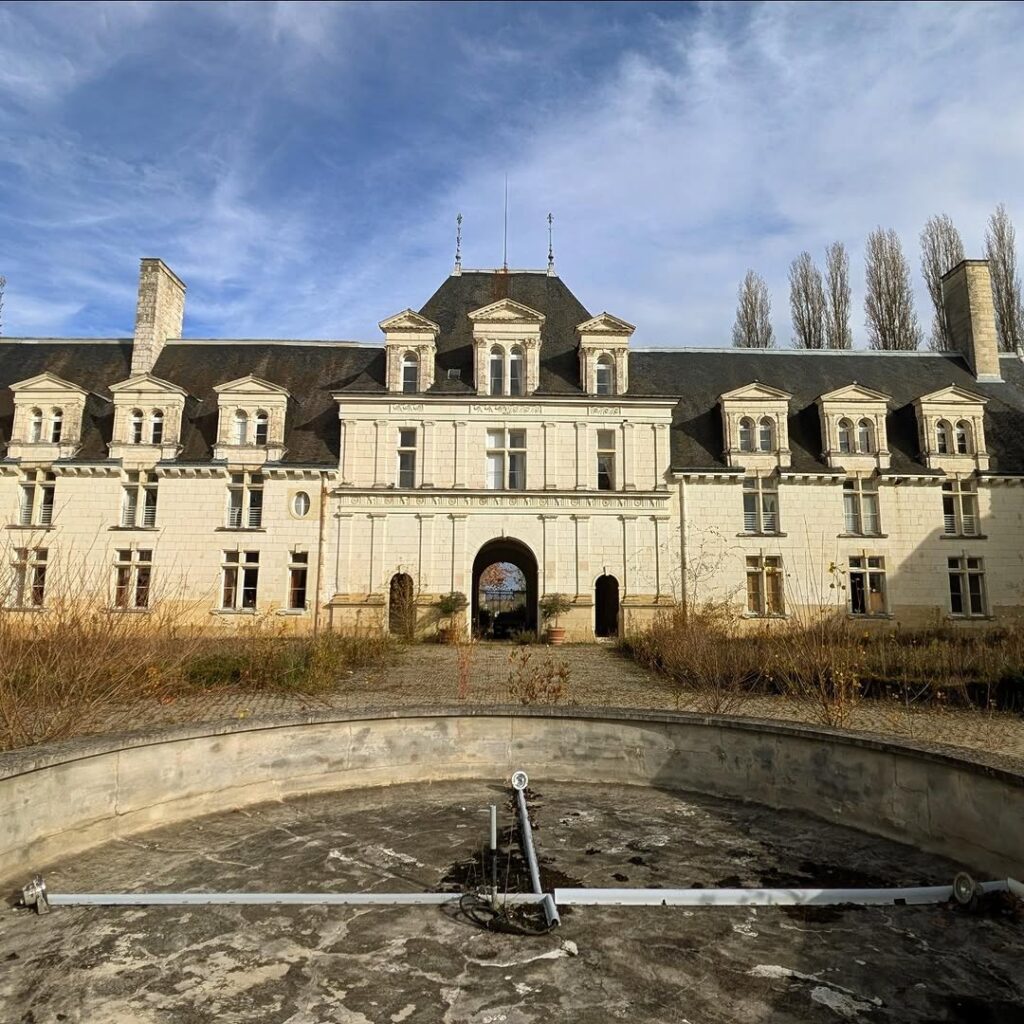
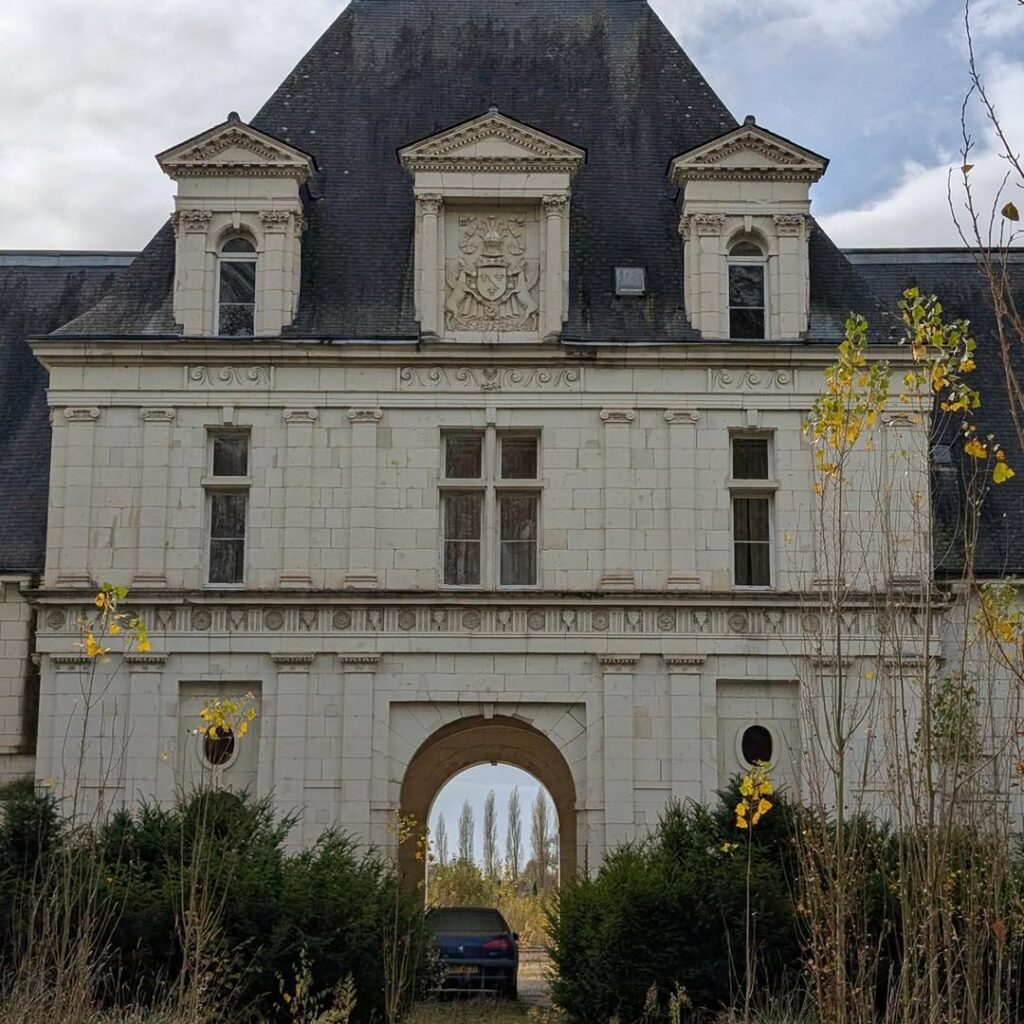
Built for the Bourbon Dynasty in the Early 1500s
This estate wasn’t built for comfort. It was built for power.
Construction began in the early 1500s, commissioned by one of the most influential branches of the House of Bourbon — the dynasty that would go on to produce French kings, Spanish monarchs, and some of the most politically decisive figures in European history.
The château was designed to make a statement. Every stone, every archway, every vaulted ceiling said the same thing: we belong among royalty.
The private chapel alone — crafted in a style meant to echo the grandeur of royal sanctuaries — tells you everything about the ambition behind this place. This wasn’t a country retreat. It was a monument to bloodlines, alliances, and divine right.
For centuries, the estate stood at the intersection of religion, aristocracy, and political influence.
Then came the centuries of silence.
The American Collectors Who Brought It Back to Life
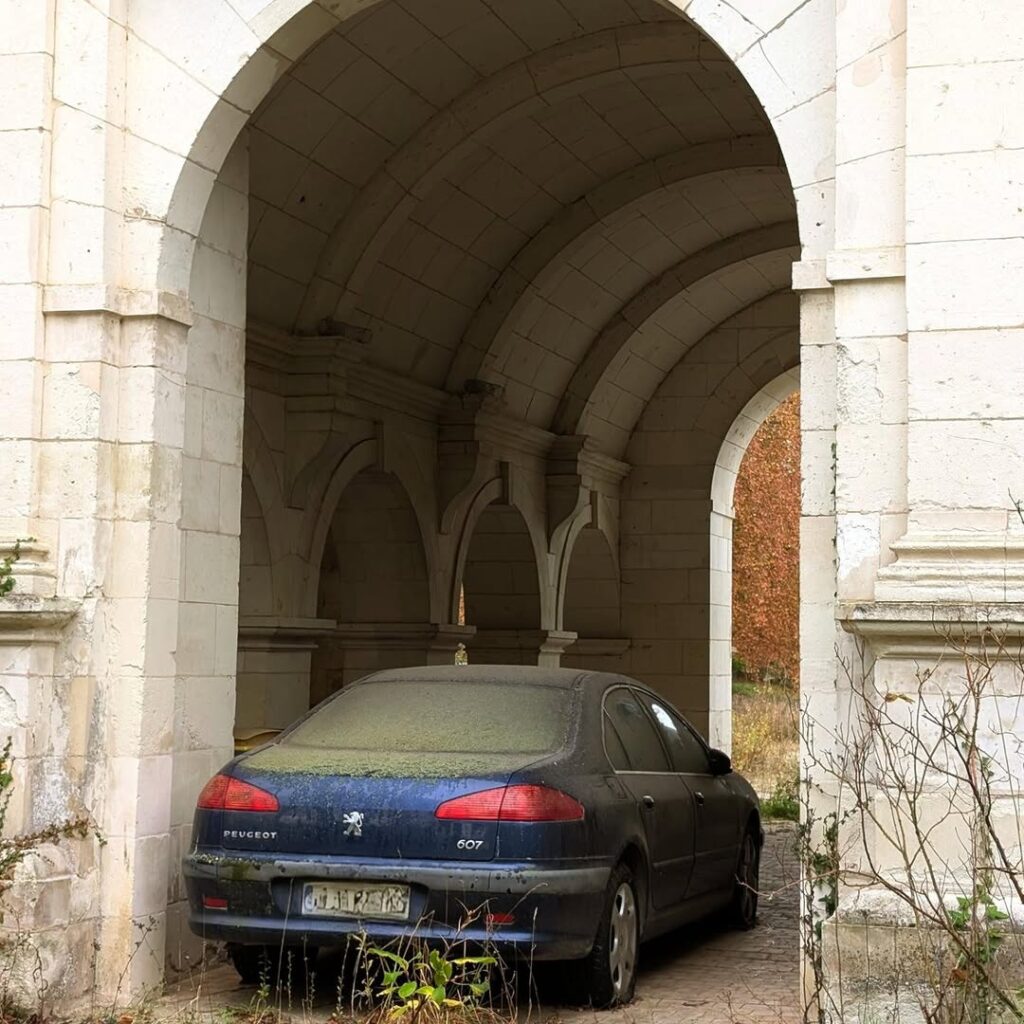
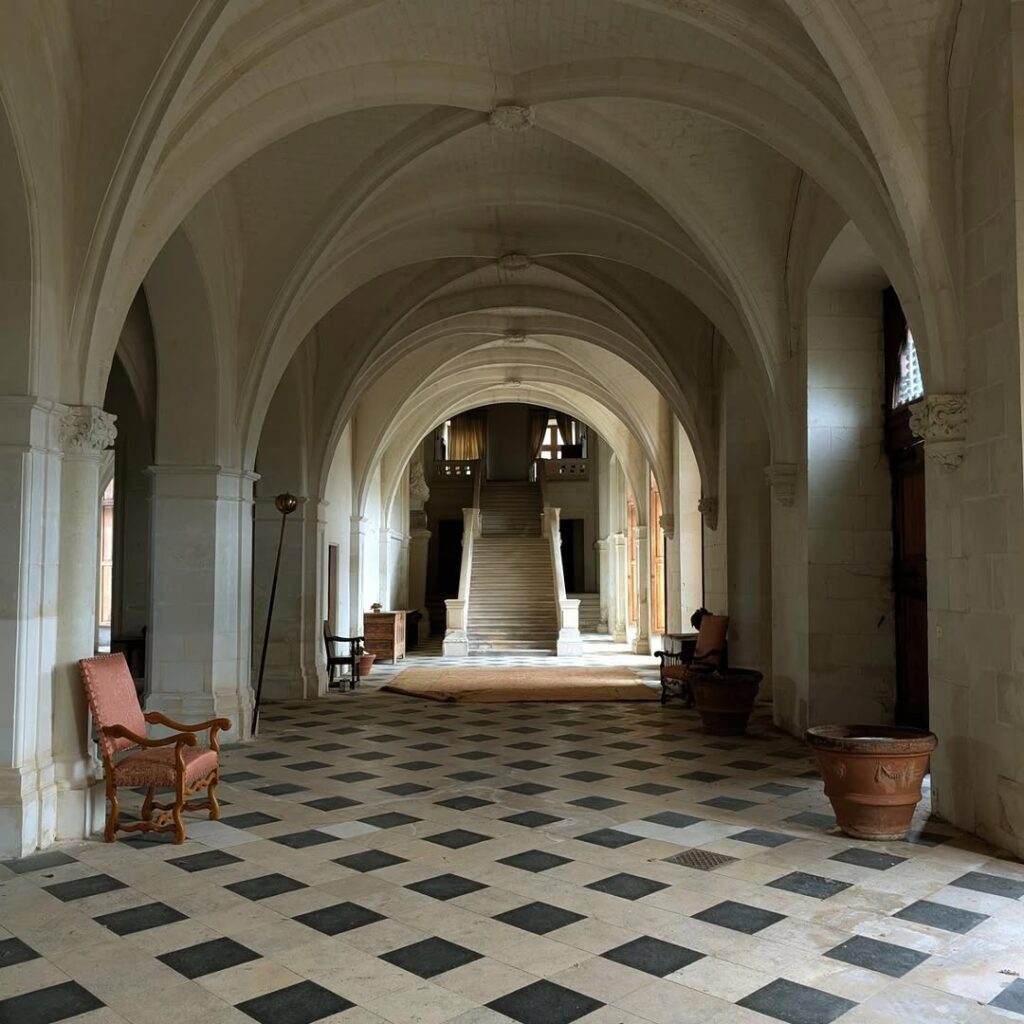
At some point in the 20th century, an American couple — Bernard and Joan Carl — purchased the estate and poured extraordinary resources into restoring it.
Their wealth was significant. Among their possessions was one of the rarest automobiles ever produced: a Ferrari 250 GTO, a car of which fewer than 40 were ever made. Auction values for these cars now regularly exceed $50 million.
The Carls didn’t just buy a building. They bought a piece of French aristocratic heritage and set about bringing it back from the edge of collapse.
By all accounts, the restoration was extraordinary. Rooms were revived. Floors were relaid. The chapel breathed again.
And then, as quickly as they had appeared — they vanished.
Walking Into a Forgotten World
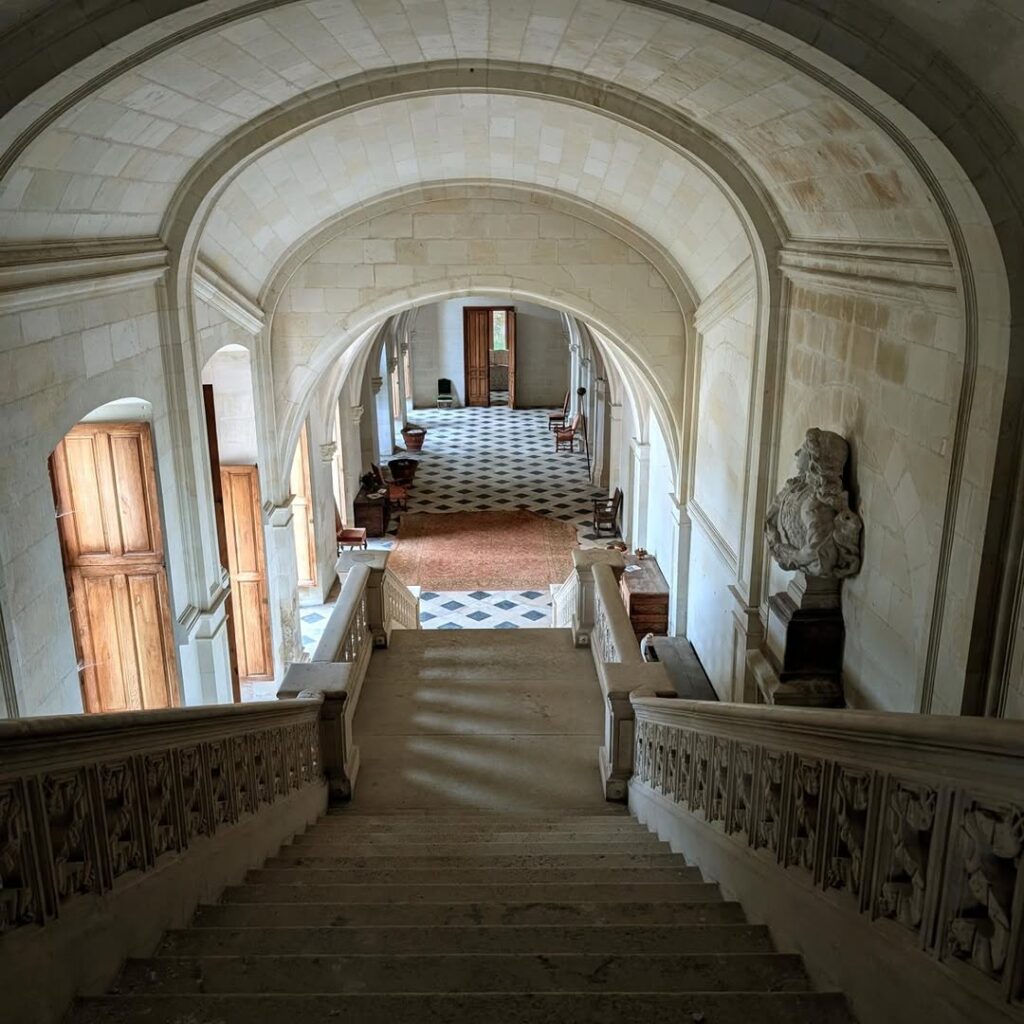
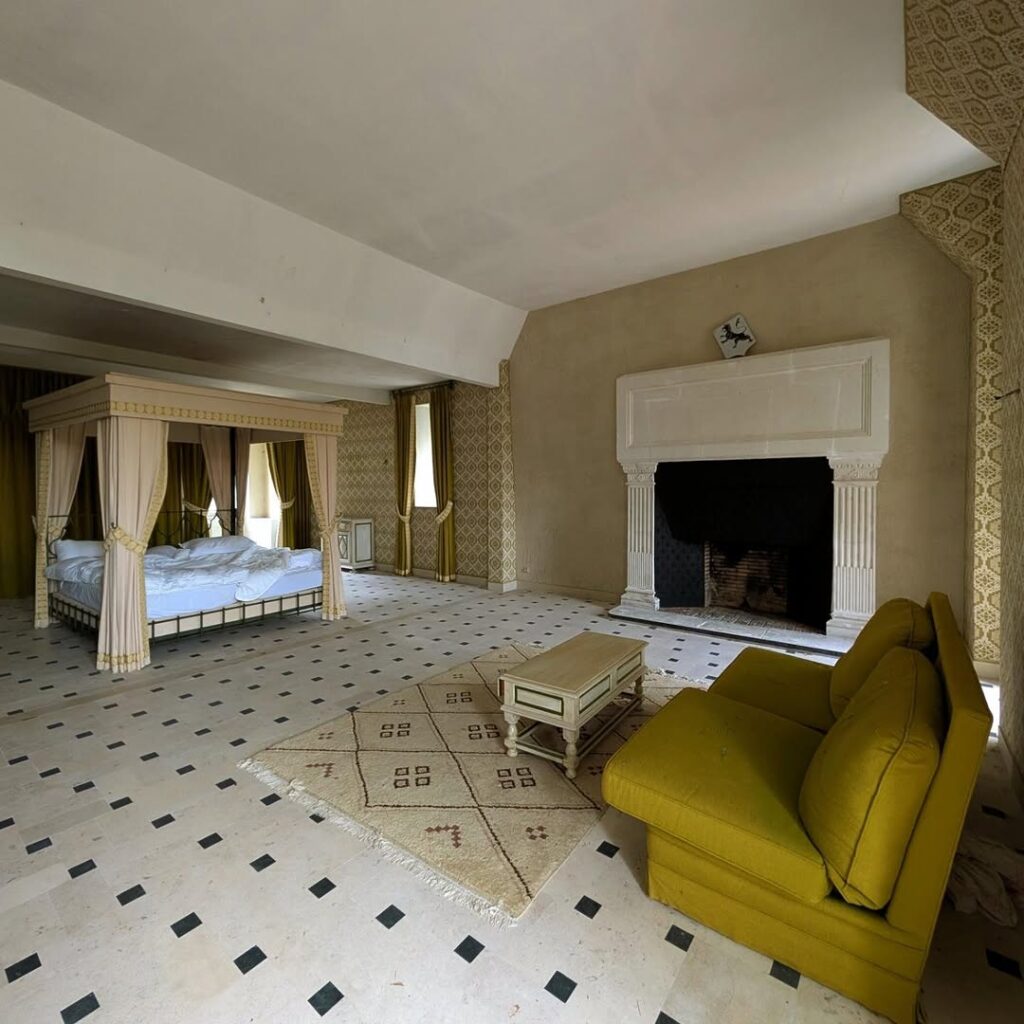
What We Found at the Front Gates
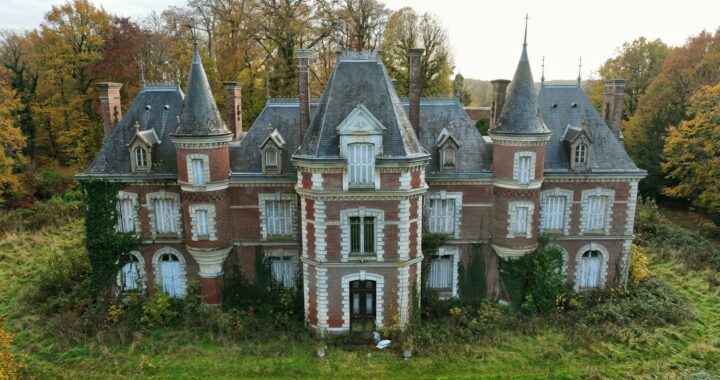
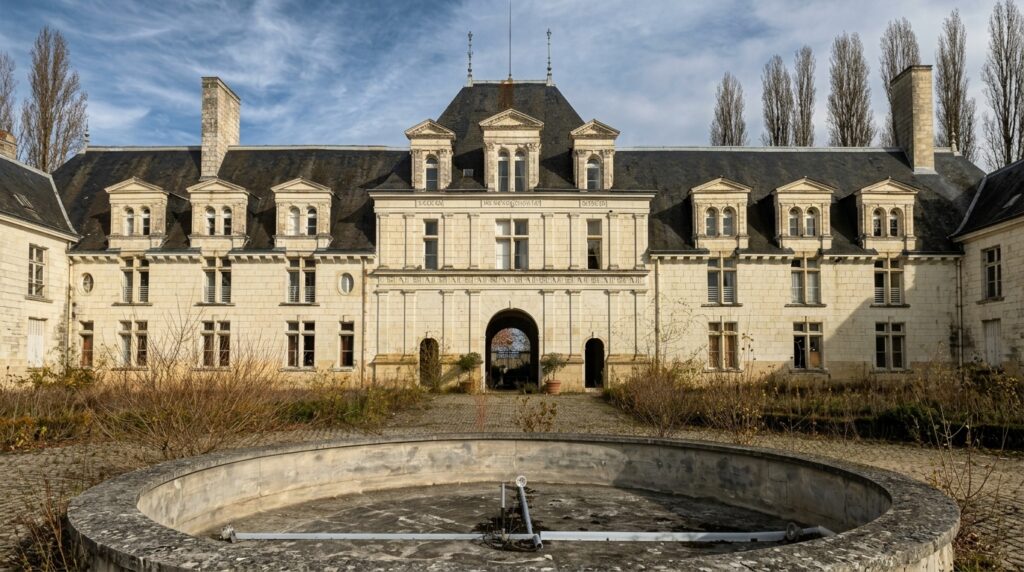
From the road, the estate barely reveals itself. Trees have pressed in close. The gates — once a signal of arrival, of occasion — now lean at odd angles, locked but broken by time rather than design.
The air around the property is heavy. Not just with moisture and decay, but with that particular stillness that only settles into places where human life has completely withdrawn.
We’d seen plenty of abandoned places across Europe in our years of documenting forgotten history. But something about this one felt different before we even stepped through.
The scale was the first shock.
Even in decay, even with vines threading through window frames and plaster crumbling from ceilings, the sheer size of the place was staggering. Room after room after room.
The Grand Rooms That Time Forgot
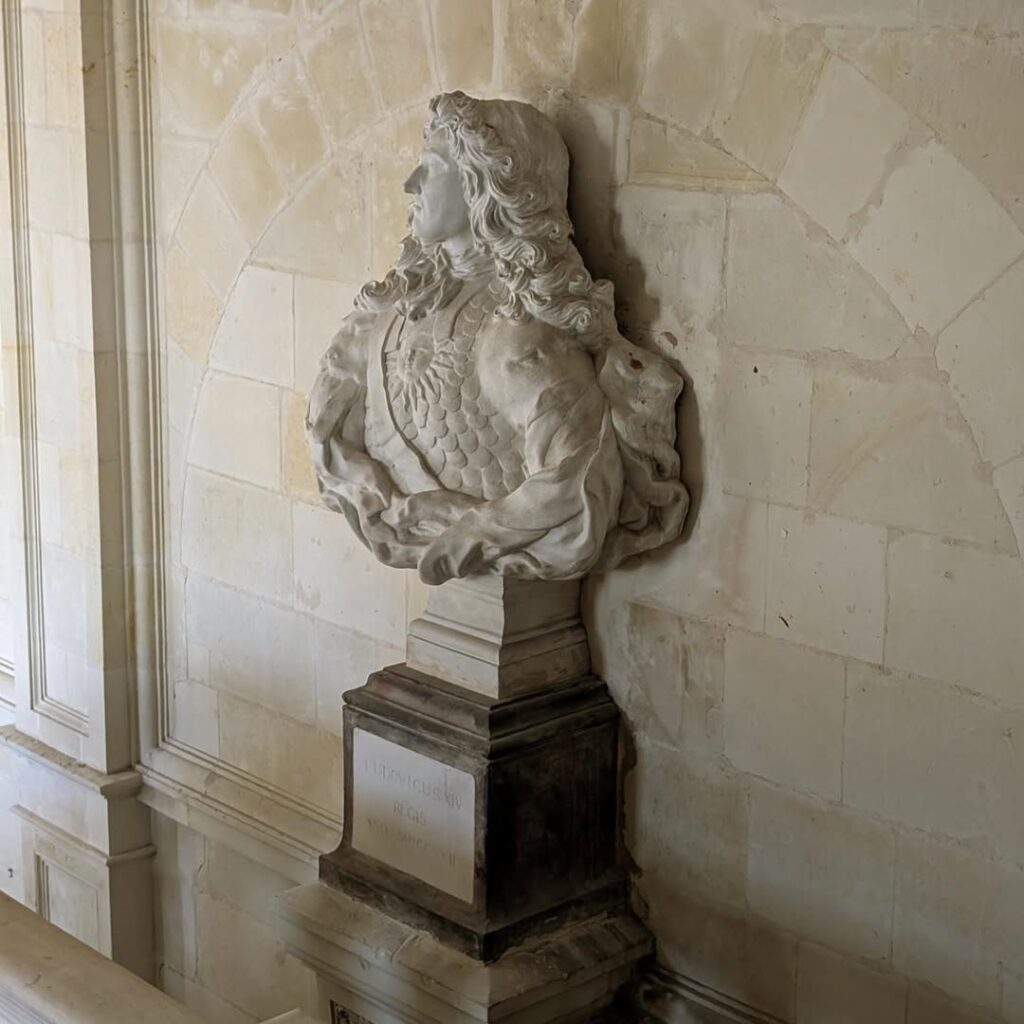
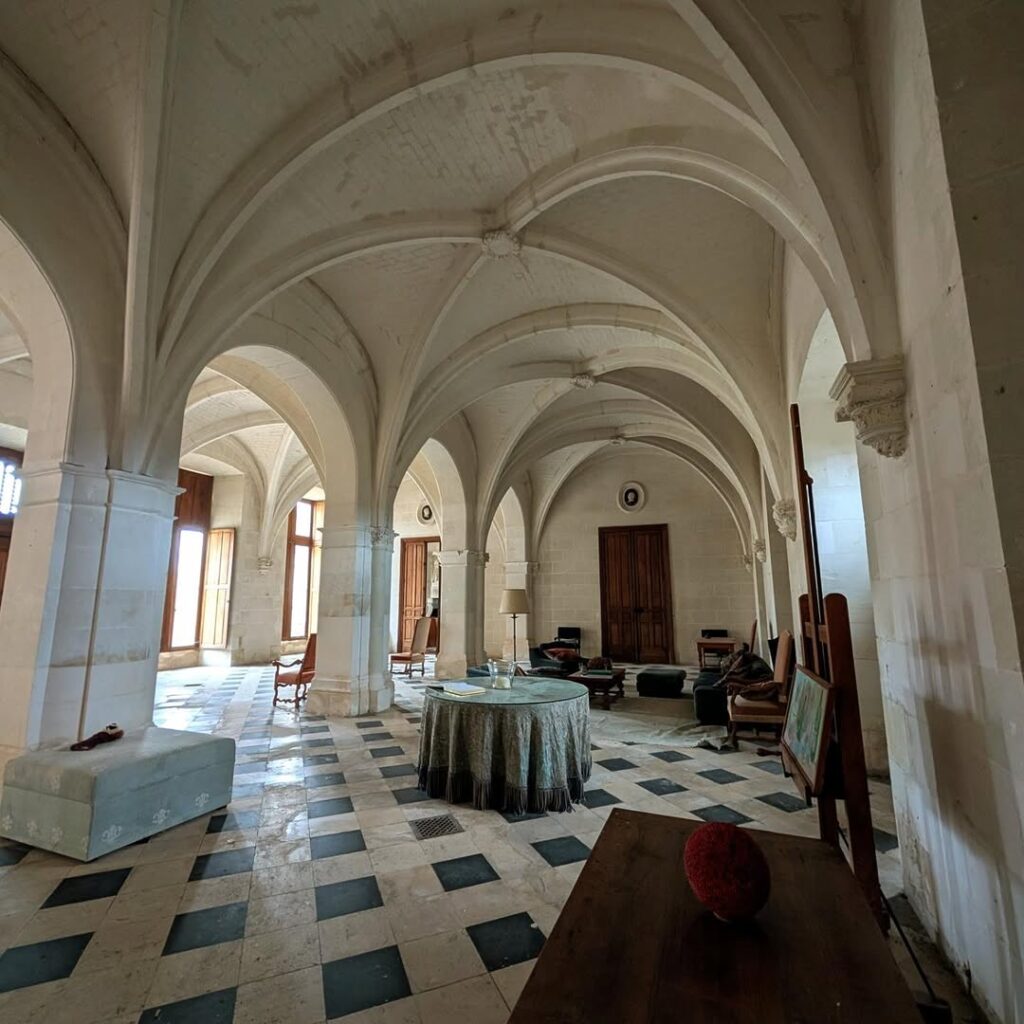
The main reception hall still carries ghost traces of its former elegance. Cornicing along the ceiling. Floors that once gleamed. The bones of the place are extraordinary — high arches, proportions that feel almost too generous to be real.
But the details tell the harder story.
Furniture pushed into corners. Papers scattered on surfaces as if someone left mid-thought and never came back. Paint peeling in long, curling strips like birch bark. Water stains mapping their slow journeys down once-pristine walls.
In one room — what might have been a formal dining space — a chandelier hangs at an angle. Half its crystals are gone. The other half catch the gray light coming through a broken shutter and throw pale, broken patterns across the floor.
It’s beautiful. It’s devastating.
The Private Chapel: A Royal Space Left to Crumble
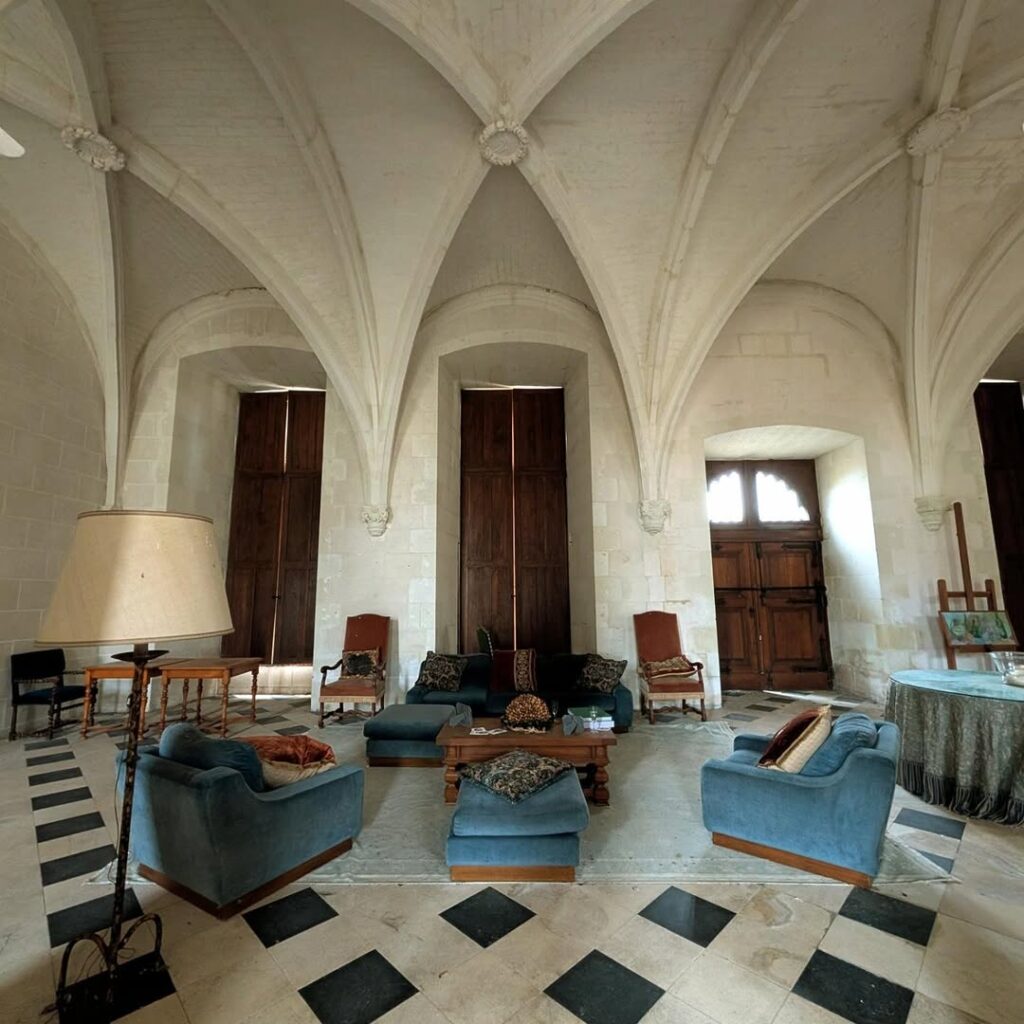
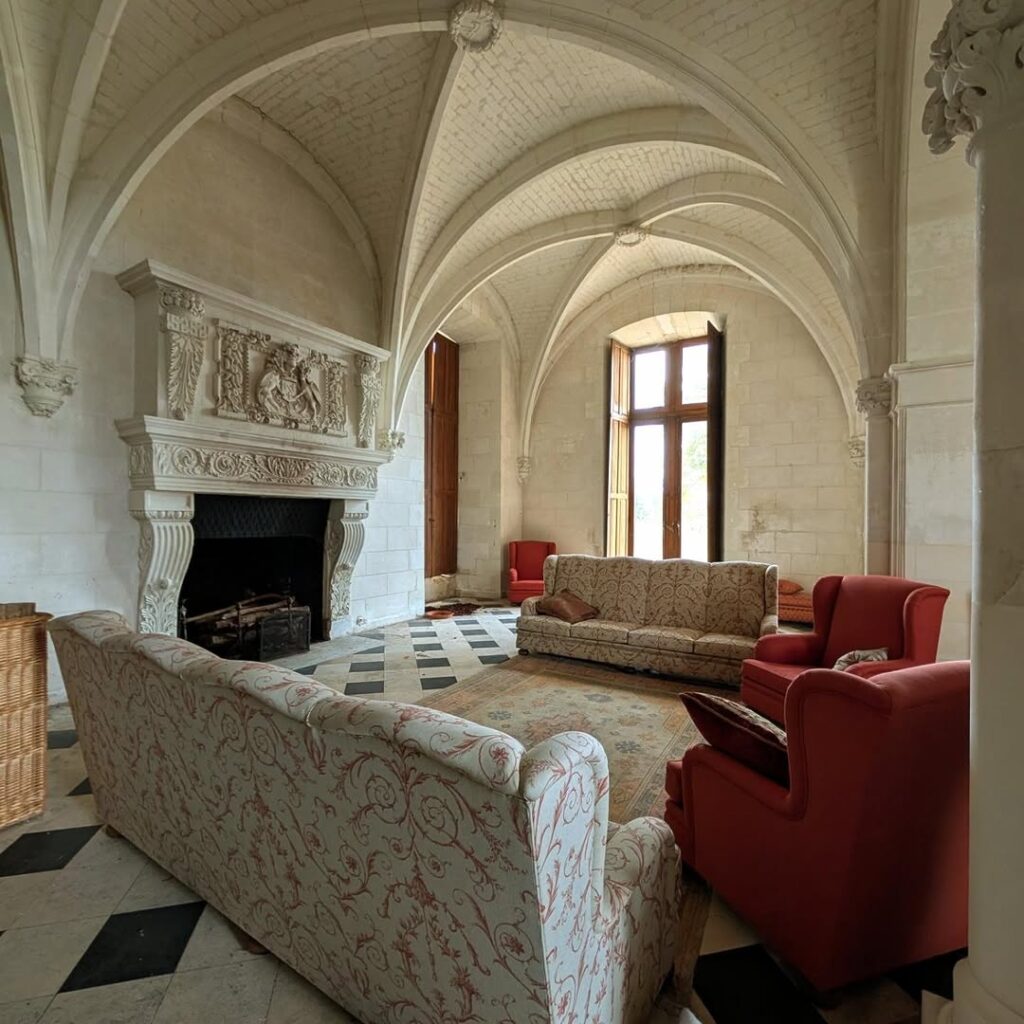
Nothing in the entire estate hit as hard as the chapel.
Built to rival the devotional spaces of genuine royal estates, this was a room designed for prayer and politics. The architecture speaks of both. Vaulted ceilings. Carved stone that once framed an altar. Light falling through windows whose glass is now mostly gone, replaced by open air and birdsong.
Standing inside, you understand exactly what the Bourbon dynasty was trying to say when they built this place. Faith and power aren’t separated here. They’re the same thing.
The wooden pews — or what’s left of them — are warped and split. The floor is scattered with plaster fall. But the bones of the space are intact enough that you can feel what it once was.
Quiet. Commanding. Absolute.
The Mystery of the Departure
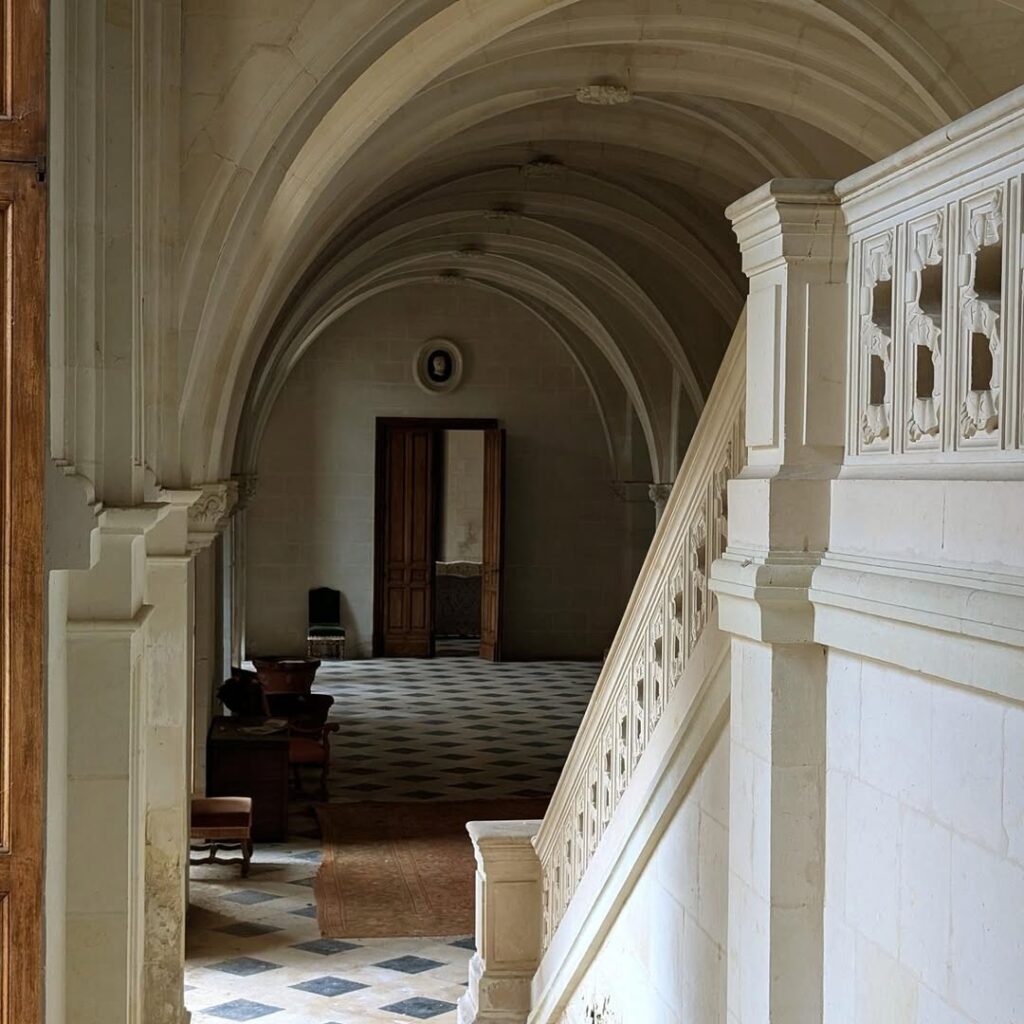
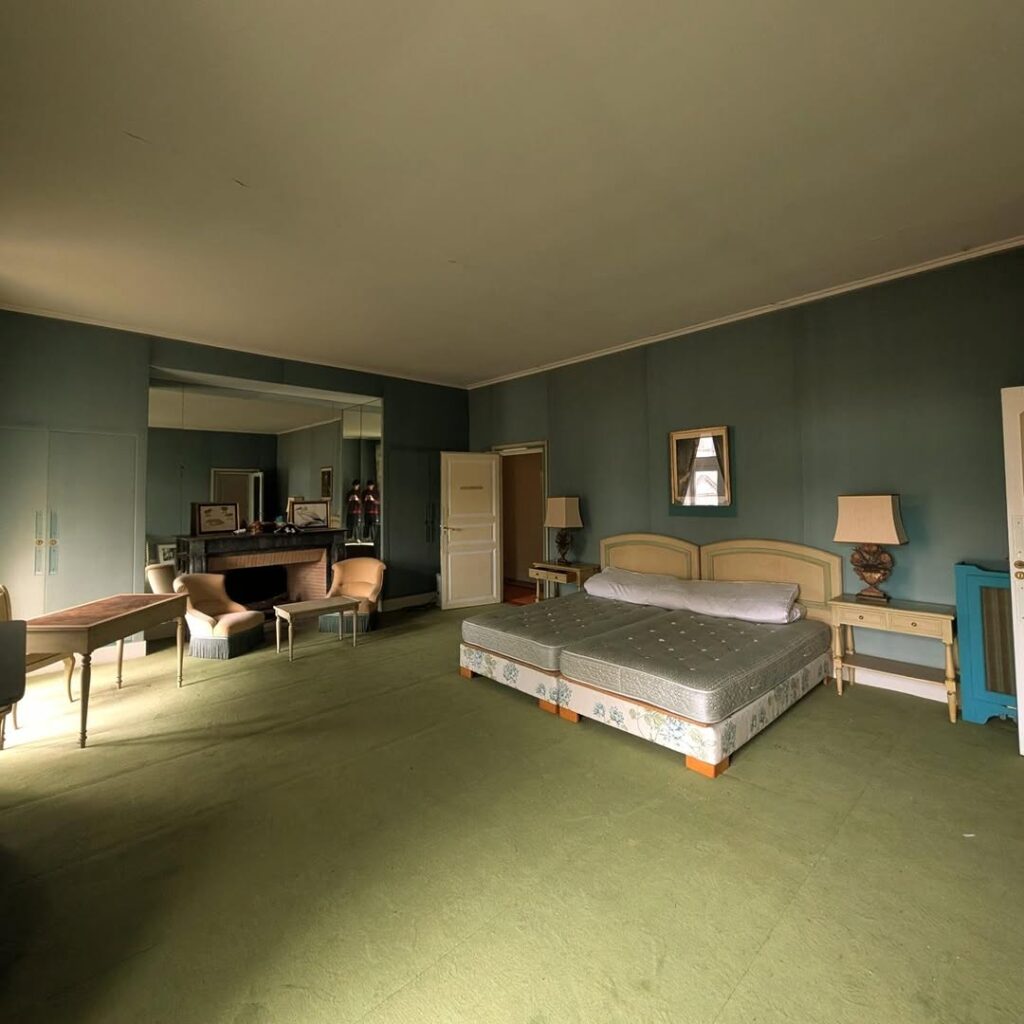
Why Did They Leave?
This is the question that lingers long after you’ve left the gates behind.
The Carls restored this property with visible intention. The investment was real. The commitment to the space was evident in every detail of the restoration work. And then, according to locals who remember it, maintenance simply stopped.
No announcement. No public explanation. The staff left. The gates closed. The estate went silent.
Some say it happened faster than anyone expected. One season the lights were on, the grounds were kept, cars came and went in the driveway. And then nothing.
The estate has sat in this state of suspended decay ever since — not fully collapsed, not cared for. Caught between its past and whatever future, if any, it has left.
For those of us who document forgotten places and the stories behind them, this kind of mystery is familiar. But it never gets easier. The silence is never neutral.
What Locals Remember
Conversations with people nearby are careful, measured. There’s a protectiveness around the story — partly out of respect, partly out of something harder to name.
What emerges, piece by piece, is the picture of a property that was loved, invested in, and then let go. Whether that letting go was deliberate or circumstantial, financial or personal — no one will say directly.
The estate simply stopped being someone’s responsibility one day.
And it’s been waiting ever since.
The Hidden Ferrari F40: A Discovery Down the Road
The Barn Find That Stopped Us Cold
We almost missed it.
Down the road from the estate, half-hidden by overgrown hedges and the collapse of a wooden lean-to, was a barn. Old stone walls. A partially caved roof. The kind of structure that barely registers as you drive past.
But something made us stop.
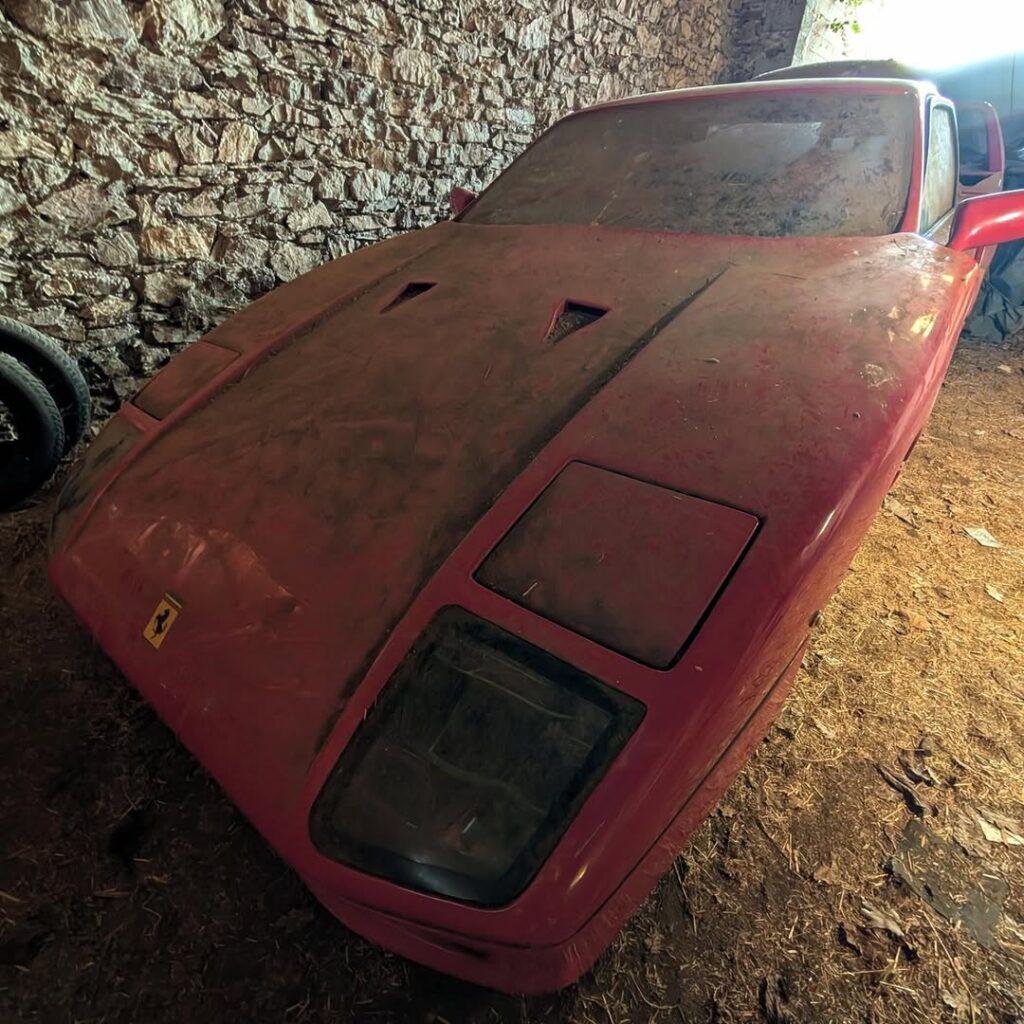
Inside, under a collapsed tarpaulin and decades of dust and bird debris, was the unmistakable silhouette of a Ferrari F40.
For a moment, nobody spoke.
The Ferrari F40: What It Means to Find One Like This
Produced between 1987 and 1992, the Ferrari F40 was the last car personally approved by Enzo Ferrari before his death. Fewer than 1,300 were ever built. At the time of its release, it was the fastest, most powerful, and most expensive production car Ferrari had ever made.
To find one abandoned — not stored, not preserved, but genuinely left — is almost incomprehensible.
This car, sitting in a crumbling barn adjacent to a crumbling château, tells you something about the scale of what was once here. The Carls weren’t collecting ordinary things. And when they left, they left in a way that suggests the departure was not leisurely, not planned in the careful way that people plan the departure from a life they’ve built.
The Ferrari F40 sat there in the barn like a full stop at the end of a sentence nobody finished writing.
What Happens to an Abandoned Château?
The Race Between Preservation and Collapse
Across France and Europe, historic properties fall into abandonment at a troubling rate. The French Ministry of Culture maintains extensive records of classified historical monuments, but the gap between classification and actual preservation is enormous.
Private owners carry most of the financial burden of maintaining heritage properties — and when those owners disappear, so does the maintenance.
Without intervention, the process is always the same:
- Roofs weaken first. Water gets in.
- Floors soften as moisture spreads.
- Walls develop cracks that deepen season by season.
- Interiors are exposed to weather, wildlife, and vegetation.
- Structural collapse begins — often silently, from the inside out.
This château is somewhere in the middle of that process. The shell is largely intact. The interior is advanced in its decay. The window of opportunity — for documentation, for preservation, for any kind of future — is not infinite.
Could It Be Saved?
Possibly. The fundamental structure appears sound in key areas. The chapel, in particular, might be salvageable with serious investment.
But restoration projects of this scale require more than money. They require legal clarity around ownership, planning permissions, a preservation framework, and someone willing to commit to a project that might take decades.
Given that the estate has already been through one cycle of rescue and abandonment, the question isn’t just whether it can be saved. It’s whether anyone will.
Why These Places Matter
There’s a reason people seek out lost and abandoned places beyond simple curiosity.
These spaces hold history that hasn’t been curated, edited, or turned into a museum narrative. They tell the truth about wealth and power and time in ways that polished heritage sites can’t.
A 500-year-old château, built to project the authority of a royal dynasty, reduced to crumbling plaster and broken glass — that’s not a tragedy. That’s history working exactly as it always has.
Everything returns to silence eventually.
The question this estate raises isn’t about what happened to it. It’s about what we do with what’s left.
Conclusion: The Last Look at a Royal Forgotten Estate
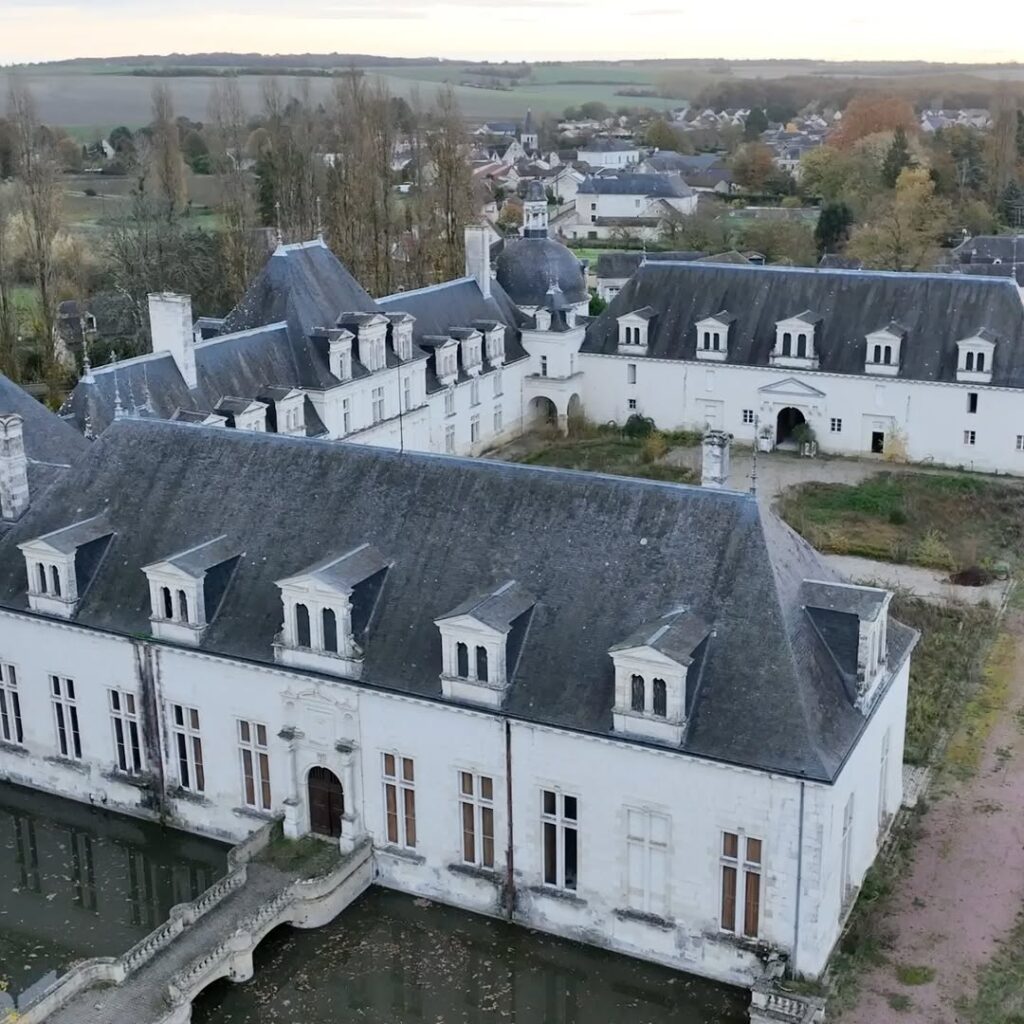
This abandoned château may not survive another decade without intervention. The estate — built in the early 1500s to stand beside royal palaces, restored by American collectors with one of the world’s rarest cars in their possession, and then abandoned again without explanation — is a place where centuries of history sit quietly dissolving.
The Ferrari F40 in the barn. The tilted chandelier in the dining room. The broken light through the chapel windows.
It’s all still there. For now.
If this is the last documentation of this forgotten estate before it disappears entirely, then at least the record exists. At least someone walked through its rooms and paid attention.
That’s what these places deserve. Attention. Respect. Memory.
Frequently Asked Questions
Q: Where is this abandoned château located?
For the privacy and security of the site, we don’t publish exact locations of abandoned properties. This estate is located in rural France and is on private land.
Q: Is it legal to visit abandoned places in France?
In France, entering abandoned property without the owner’s permission is illegal and constitutes trespassing. Always research and respect local laws before visiting any site. We document these places through legal access or with appropriate permissions.
Q: What is a Ferrari F40 worth today?
In good condition, a Ferrari F40 can sell for between $1.5 million and $3 million or more at auction, depending on provenance and condition. A barn-find example in compromised condition would require extensive restoration.
Q: Who were Bernard and Joan Carl?
Bernard and Joan Carl were American collectors known for acquiring European estates and rare automobiles, including a Ferrari 250 GTO — one of fewer than 40 ever produced.
Q: Can abandoned châteaux in France be purchased?
Yes. France has a number of programs and agents who specialize in the sale of historic and abandoned properties. Some are sold for as little as €1 under municipal schemes, though restoration costs are typically substantial.
Q: How many abandoned châteaux are there in France?
Estimates vary, but thousands of historic properties across France sit in various states of disrepair or abandonment. The maintenance costs for these buildings are significant, and many private owners struggle to fund ongoing preservation.
All visits documented in this article were conducted with appropriate access and in compliance with local regulations. We do not encourage or endorse trespassing.