Introduction: A Town With a Secret
Some places don’t announce themselves.
You drive through an ordinary small town — a bakery, a post office, a row of quiet houses — and then, almost without warning, it appears. Rising up behind rusted iron gates, half-swallowed by ivy and shadow, stands a mansion that looks like it belongs to another century entirely.
That’s exactly what happened to us.
We found an abandoned château that nobody was talking about. A forgotten estate so intact, so beautifully preserved in its decay, that stepping through its threshold felt less like urban exploration and more like time travel.
The dust was thick. The silence was heavy. And everything — absolutely everything — had been left behind.
This is the story of the Pierre family mansion.
The First Glimpse: Grandeur Behind the Gates
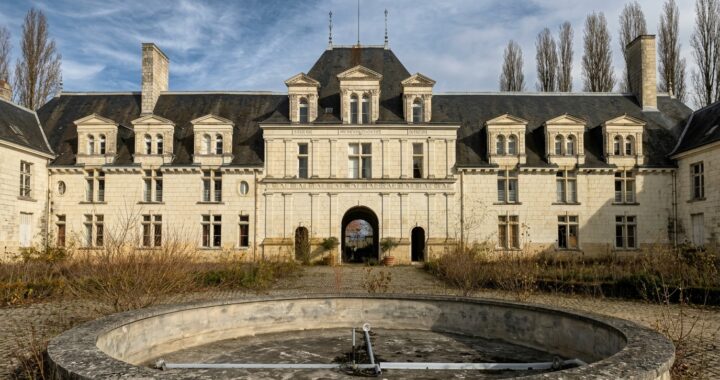
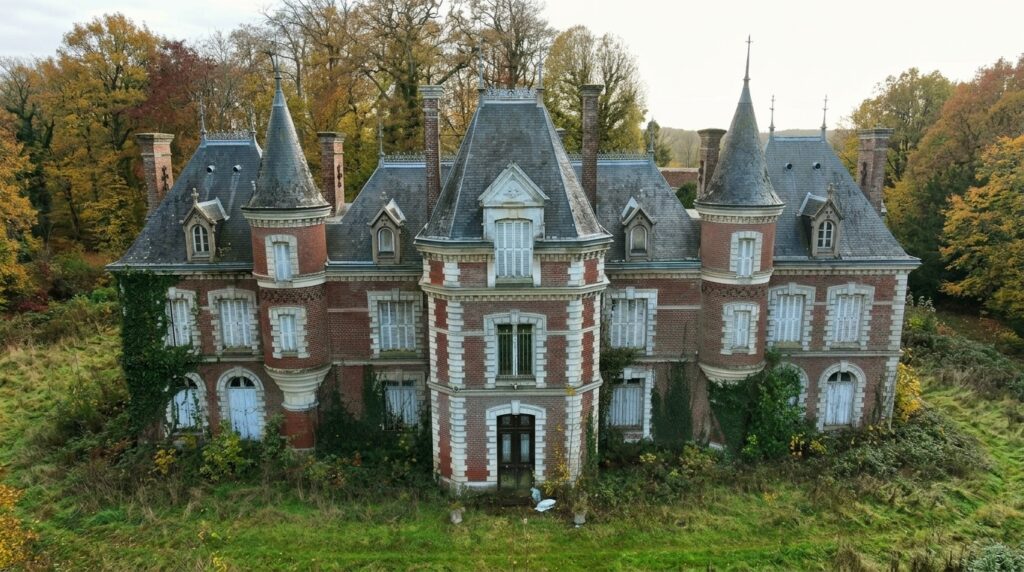
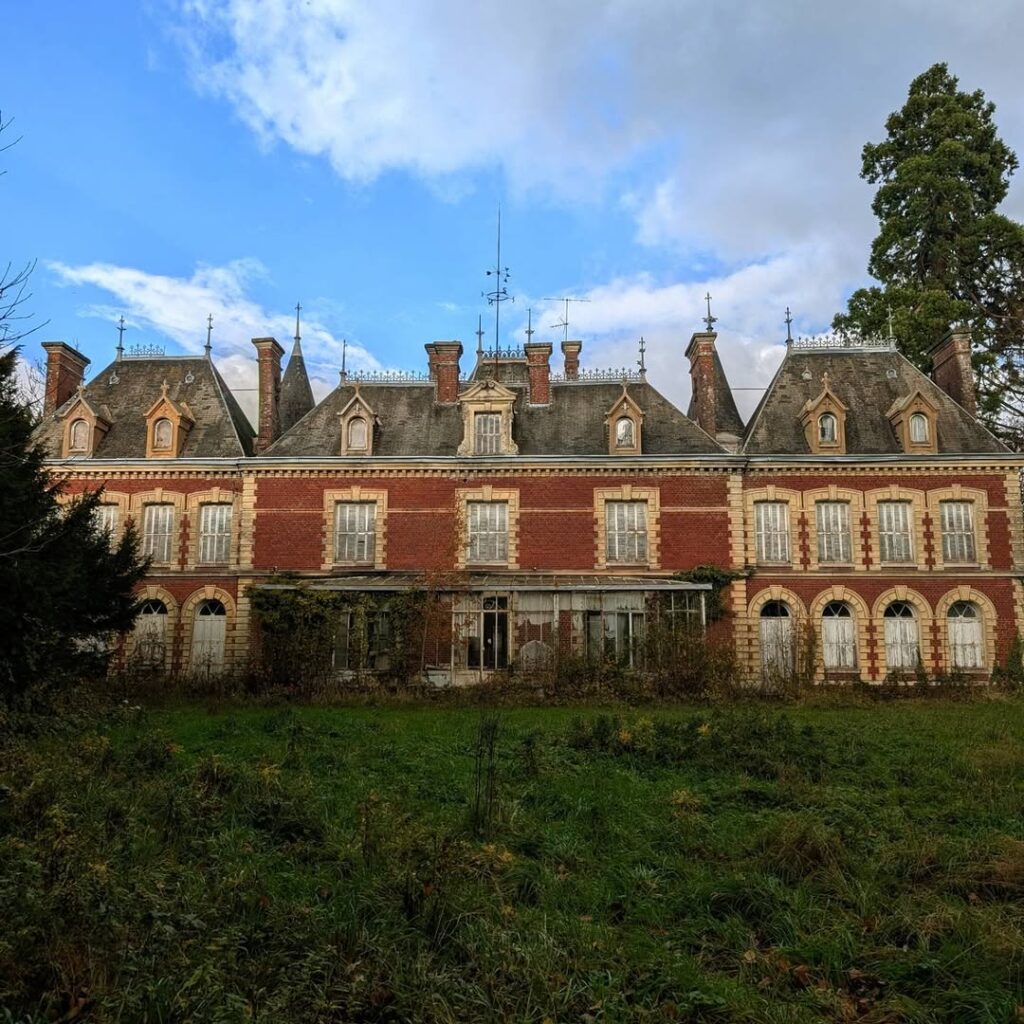
From the outside, the scale of the place is the first thing that hits you.
This wasn’t just a large house. It was a statement. The kind of building that says, without a single word, we have money, and we want you to know it. Tall stone façades. Arched windows with original glass, some cracked now, catching the grey afternoon light at odd angles. A roofline interrupted by ornate chimney stacks.
Built several hundred years ago, the architecture bears all the hallmarks of aristocratic European design — the kind of detailing that wasn’t just decorative, but deliberate. Every column, every carved relief, every sweep of the stone balustrade was meant to communicate status.
Standing outside, you almost feel underdressed.
The gates were padlocked. Cameras had been installed recently — a sign that someone, somewhere, still cares about this place, even if they’ve long since stopped living in it. We did not enter the property. What follows is drawn from historical records, local accounts, and details visible from the public road and surrounding areas.
Note: Urban exploration is a legitimate historical interest, but this article does not encourage or endorse trespassing on private property. Always respect local laws and property boundaries.
The Pierre Family: Wealth, Liquor, and Legacy
Who Were the Pierres?
The family behind this forgotten estate made their fortune in the liquor trade — specifically, in the distribution of high-end spirits during an era when such commerce carried enormous social cachet.
Trade in fine wines, cognacs, and imported spirits was a serious business in 18th and 19th century Europe. Fortunes were made and social positions cemented through control of supply chains, relationships with producers, and the ability to move expensive goods across borders efficiently. For more on how the European liquor trade shaped merchant-class wealth, the history of distilled beverages offers fascinating context on just how lucrative that world was.
The Pierres were, by all local accounts, a prominent family in their region. Respected. Connected. And wealthy enough to build — and maintain — a property like this one for generations.
Four Children, One Enormous House
Four children grew up inside these walls.
Imagine that for a moment. Running through hallways lined with marble statues. Climbing the grand staircase before bedtime. Playing in rooms with ceilings so high that your voice echoes back at you like a stranger’s.
It must have felt like the whole world was contained inside those walls. Safe. Permanent. Eternal.
But nothing is eternal.
Why They Left: The Weight of Grandeur
When a Home Becomes a Burden
The Pierre children grew up. As children do.
One by one, they moved on — to careers, to marriages, to cities, to lives of their own. The parents stayed behind as long as they could, rattling around in rooms that had once been full of noise and chaos, now filled only with quiet and memory.
And then there’s the practical reality of a property this size.
Maintaining a historic mansion is an almost incomprehensible financial and logistical undertaking. Roofs need repointing. Stonework cracks and needs resealing. Heating systems in buildings this old are primitive, expensive, and temperamental. The grounds need constant attention.
For an aging couple, without the support of the next generation, it becomes impossible.
So they made a decision that must have felt devastating at the time: they moved out.
And they left everything.
Inside the Frozen Estate: What Was Left Behind
A Mansion Preserved in Amber
This is what sets this particular abandoned château apart from so many others.
Most abandoned properties are stripped over time. Scavengers, thieves, squatters — the usual forces of decay and human opportunism take hold within months of a place being left empty. Furniture disappears. Fixtures get pulled out. Windows get smashed.
Not here. Not this one.
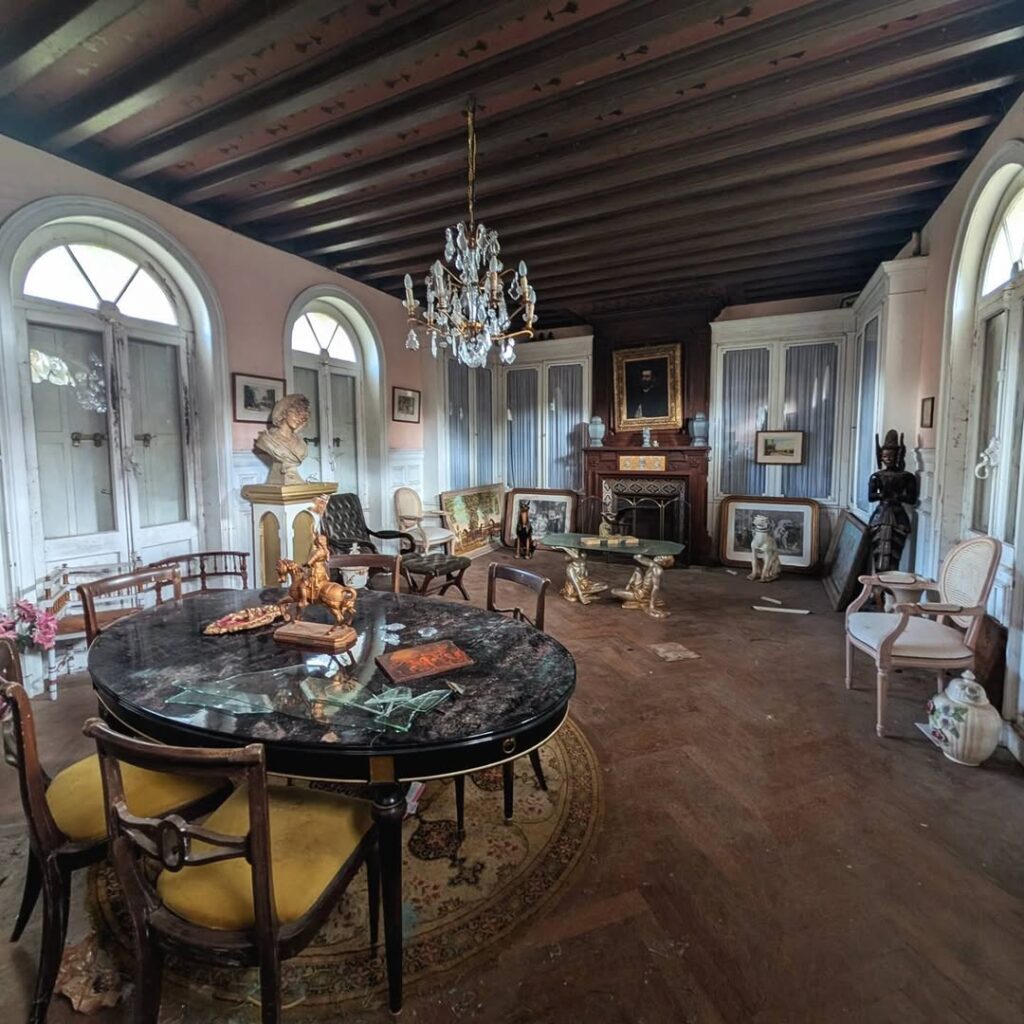
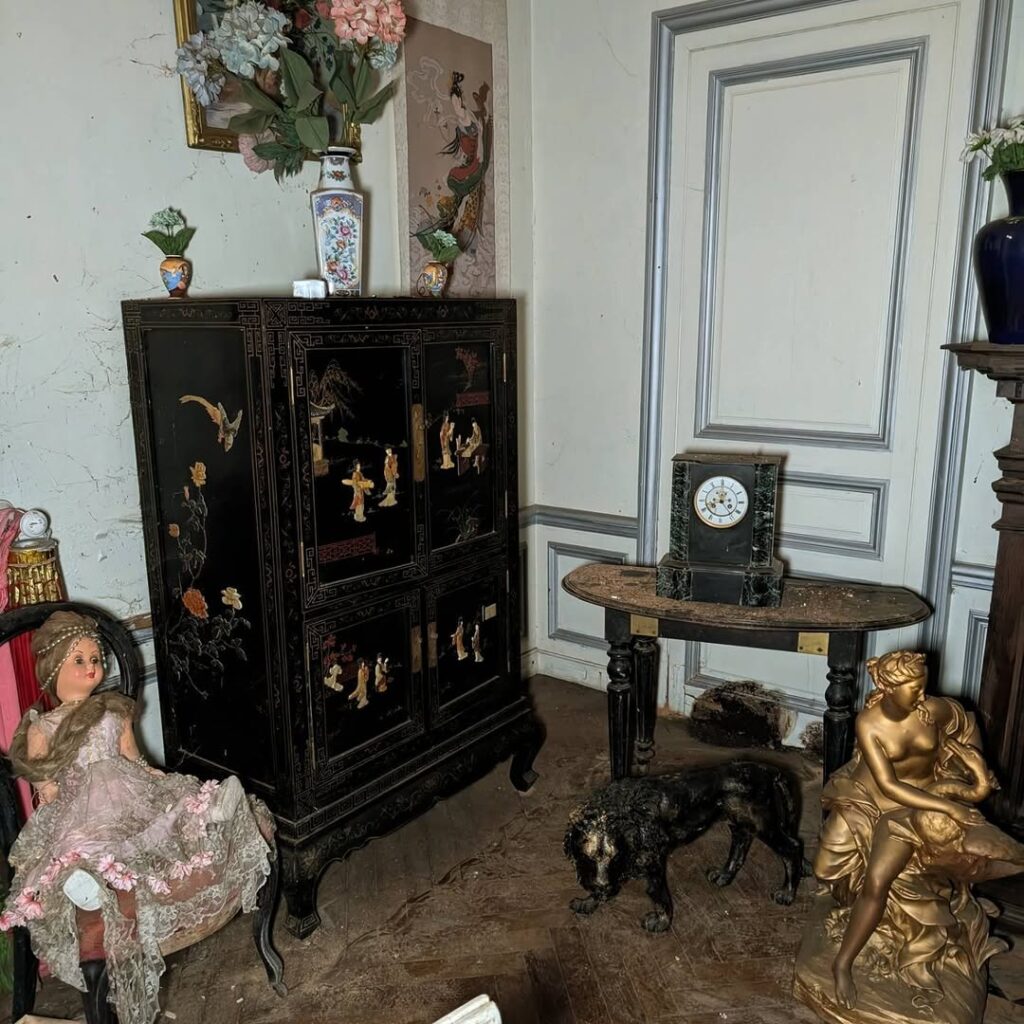
When the Pierres walked out, they seemingly walked out mid-life. The estate is described by those who have seen it as completely intact — furniture in place, personal objects left on surfaces, rooms staged as though the family simply stepped out to run an errand and never came back.
A few things reportedly left behind include:
- Marble statues — decorative sculptures placed throughout the main rooms, some reportedly of considerable size and artistic quality
- Original furniture — period pieces, the kind that would sell at auction for serious money
- Personal family items — photographs, documents, and everyday objects that speak to ordinary life inside extraordinary surroundings
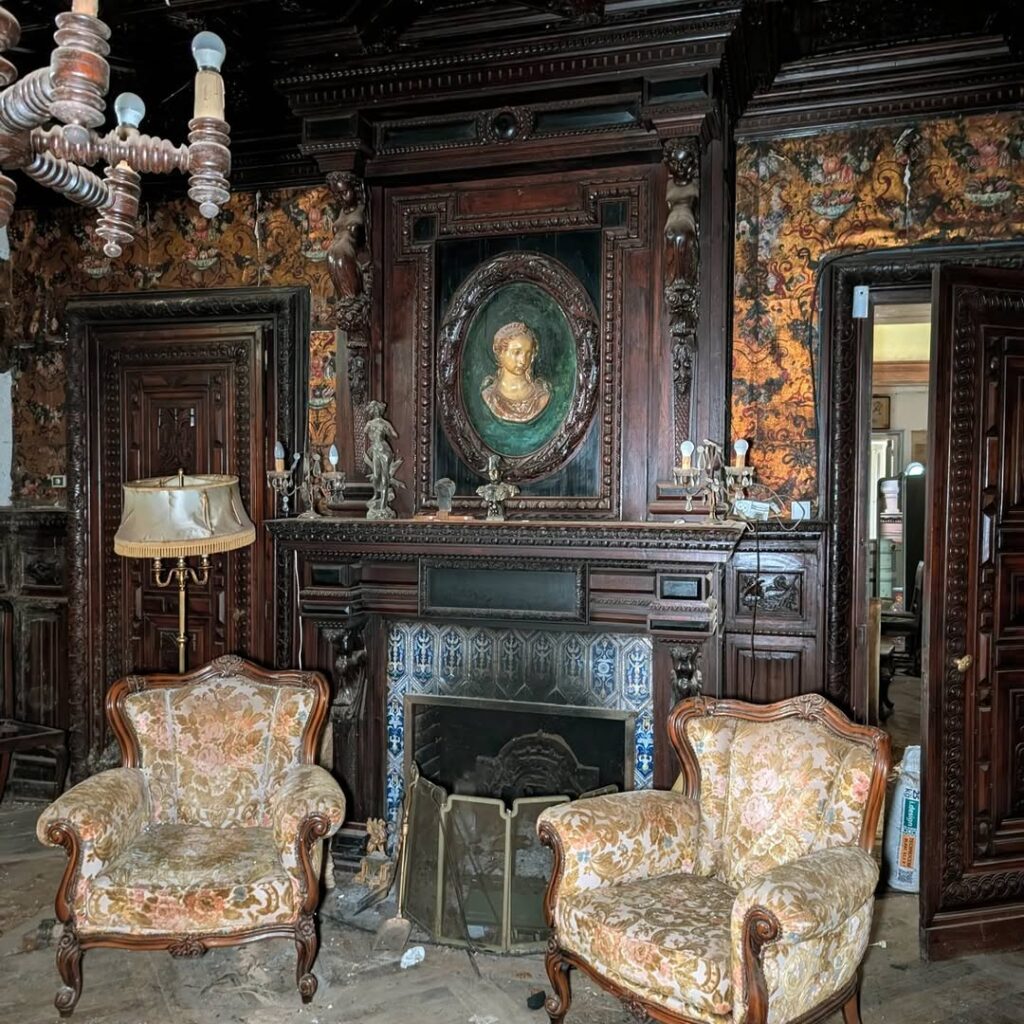
- Architectural detailing — intricate cornicing, original fireplaces, inlaid floors, and decorative plasterwork that define the building’s character
The Marble Statues
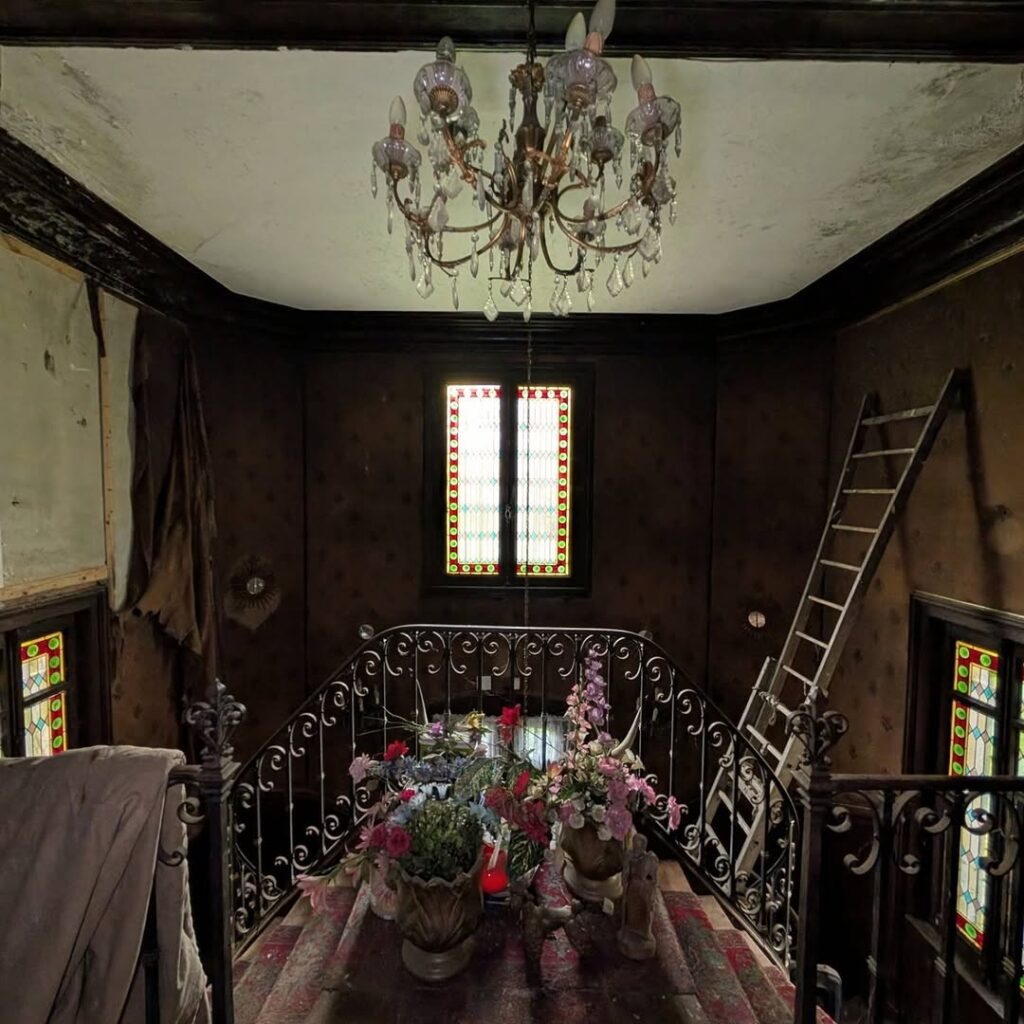
The statues deserve a special mention.
Marble sculpture as domestic decoration was a hallmark of wealthy European households from the Renaissance onwards, reaching its peak popularity in the 18th and 19th centuries. To commission or acquire marble statuary for a private home was a significant financial investment — and a powerful social signal. These pieces weren’t just beautiful. They were currency, in the social sense of the word.
Finding them still in place, inside an abandoned building, is genuinely rare.
The Architecture: Built to Last, Built to Impress
A Building That Refused to Be Ordinary
The architectural language of this mansion is one of deliberate excess — in the best possible way.
Nothing about it was accidental. Every proportion, every decorative choice, every material was selected to create a specific impression. The heritage architecture of properties like this often reflects not just the tastes of the owners, but the broader cultural values of the era in which they were built.
Here, those values were unmistakably about permanence. About legacy. About building something that would outlast you.
Key Architectural Features Worth Noting
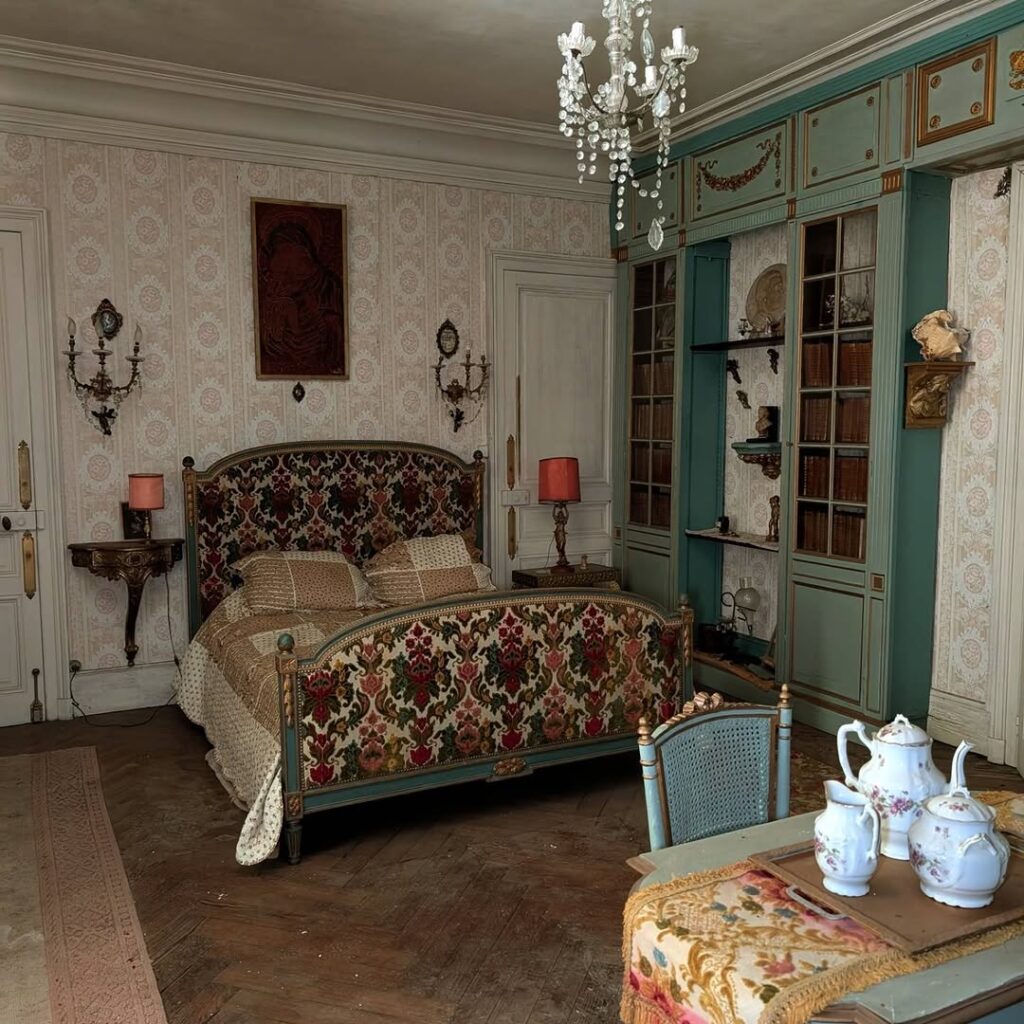
- Stone construction — The primary material is cut stone, typical of high-status buildings from this period and region. Stone buildings, properly maintained, can survive for centuries.
- Arched windows — The window design reflects classical European architectural influence, balancing proportion and symmetry.
- Ornate interior rooms — Each room was designed with its own character, using detailed plasterwork, cornicing, and fireplace surrounds.
- Grand entrance — The entrance sequence — gates, drive, façade, doorway — was carefully staged to create a sense of arrival and importance.
The Atmosphere Now: What Decay Feels Like
There’s a particular quality to the air inside an abandoned building.
It’s not just dust, though there’s plenty of that — thick grey layers of it coating every surface, softening edges, turning colours pale and uniform. It’s something more atmospheric. A kind of held breath. As though the building itself is waiting.
Sunlight comes through the windows at angles that no longer make sense for the rooms they illuminate. Mirrors reflect nothing clearly anymore. The floorboards have taken on a language of their own, each creak a small announcement that something is here, moving through a space that has grown unused to being moved through.
The silence in a place like this isn’t peaceful. It’s heavy. Loaded with all the conversations that used to happen here and don’t anymore.
Recent Developments: The Gates Are Closing
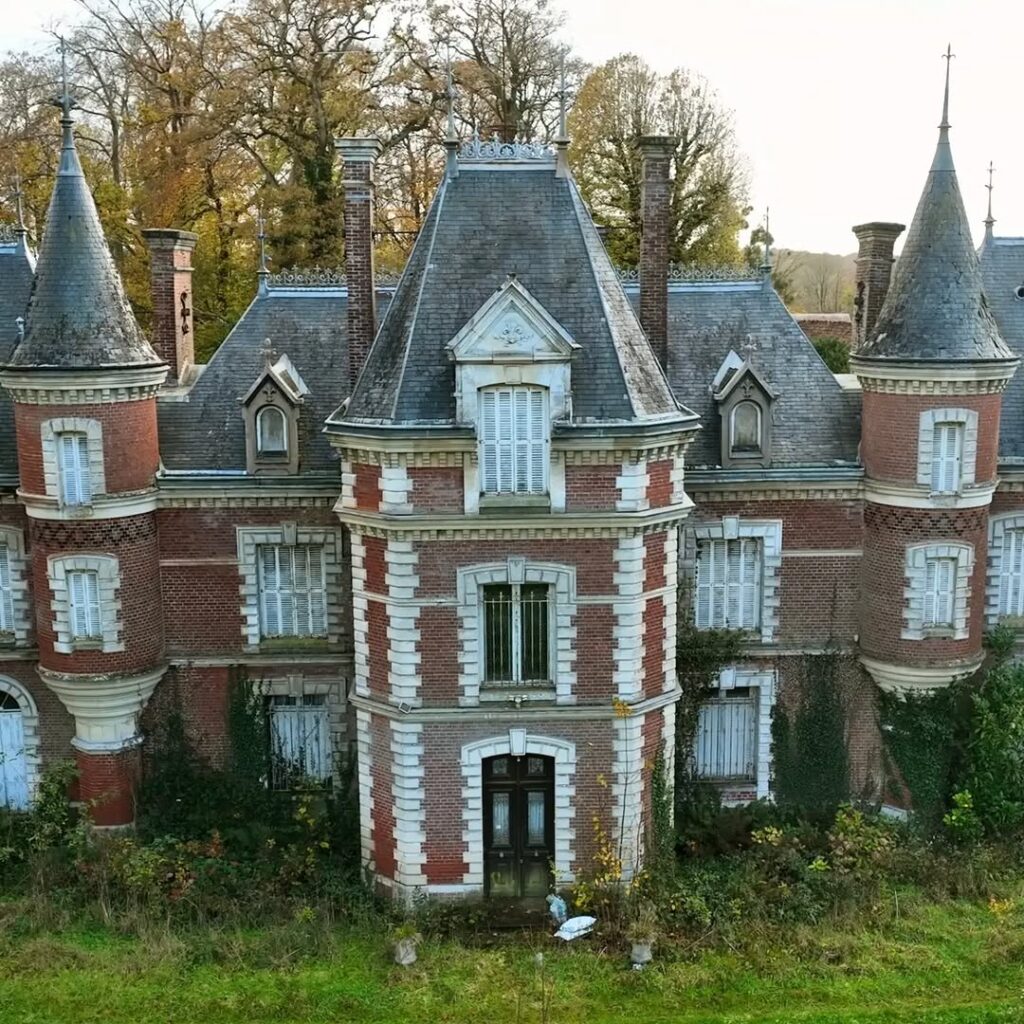
Sealed Entrance and New Cameras
Something has changed recently.
The entrance to the property has been sealed. Security cameras have been installed. And according to local reports, several people attempting to access the property have been caught.
This suggests one of a few things:
- The property has a new owner who is planning renovation or sale
- Local authorities have intervened to prevent further deterioration or illegal access
- The family or its descendants have taken renewed interest in the estate’s future
Whatever the reason, the window — if there ever was one — appears to be closing.
This is, honestly, not surprising. Across Europe and beyond, authorities and heritage organisations are becoming increasingly active in protecting abandoned historic properties from both deterioration and illegal entry. The legal consequences of trespassing on private property can be severe, and this particular estate is clearly now being actively monitored.
Why Stories Like This Matter
There’s a reason people are drawn to places like the Pierre mansion.
It isn’t voyeurism, though critics sometimes reduce it to that. It’s something older and harder to name. A need to stand inside the evidence of a life that was fully lived — to touch the edges of another person’s story and understand, viscerally, that time moves differently than we imagine it does.
These buildings are archives. They hold history in their walls, in their proportions, in the choices made by people who wanted to build something lasting.
When they’re gone — demolished, redeveloped, stripped out and remodelled beyond recognition — that history goes with them.
What Happens to Forgotten Estates?
The Four Most Common Outcomes
Most abandoned châteaux and forgotten estates follow one of four paths:
- Restoration and private sale — A buyer with significant resources acquires the property and restores it, often over many years
- Heritage listing — Government or international bodies intervene to protect the building, restricting what can be done to it
- Institutional conversion — The property becomes a hotel, museum, school, or other public-use building
- Demolition — The worst outcome: the building is deemed beyond saving and removed entirely
For a property as apparently intact as the Pierre mansion, restoration is the most logical path — if someone with the will and the resources comes forward.
FAQ: Abandoned Châteaux and Forgotten Estates
Q: Is it legal to visit abandoned châteaux? No. In most countries, entering an abandoned property without permission constitutes trespassing, regardless of how long it has been empty. This carries legal penalties including fines and prosecution.
Q: Why do families leave mansions with everything inside? Several reasons: the emotional difficulty of sorting through a lifetime’s possessions, the cost and logistics of moving large items, disputes between heirs, and sometimes simply the speed of departure when circumstances force a sudden move.
Q: How are abandoned properties protected? National and international bodies — including UNESCO and ICOMOS — work to identify and protect historically significant structures. Individual countries also maintain heritage registers that provide legal protection to qualifying buildings.
Q: Are there many abandoned châteaux in Europe? More than most people realise. France alone is estimated to have thousands of abandoned or severely neglected historic properties. Many are in various stages of decay, with no clear path to restoration.
Q: What is urban exploration? Urban exploration (urbex) is the practice of visiting and documenting abandoned or off-limits structures, typically for historical, photographic, or cultural interest. Responsible urbex practitioners do not damage property, steal items, or encourage others to trespass.
Conclusion: A Château Still Waiting
The Pierre family abandoned château remains, for now, exactly as they left it.
Marble statues standing silent in dusty rooms. Furniture arranged for a family that no longer comes home. Architecture built for the ages, slowly losing its argument with time.
It’s a place that carries an enormous amount of weight — historical, emotional, architectural. The kind of place that, once seen, is difficult to forget.
Whether it will be saved, sold, or simply left to continue its slow dissolution, nobody can say for certain. What’s clear is that the cameras are rolling, the gates are sealed, and the era of easy access is over.
But the story of the forgotten estate isn’t over.
It’s just waiting for its next chapter.
Interested in more stories about forgotten places and the families who left them behind? Explore more abandoned mansion histories and the lives that shaped them.